How Long Does It Take To Get Africa

BSC Insights Admin
October 01, 2026
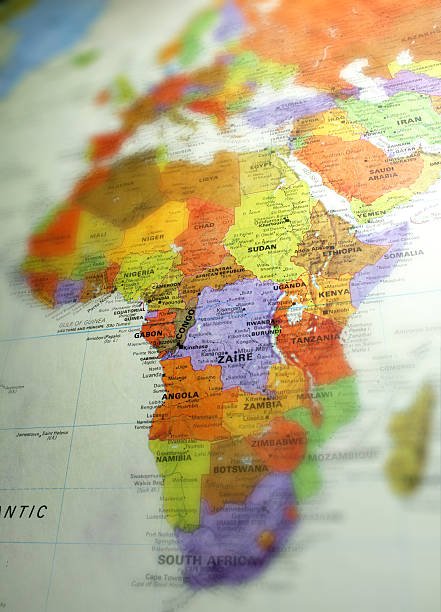
How Long Does It Take To Get To Africa? Understanding Your Journey
Planning a trip to the vast and diverse continent of Africa often begins with a fundamental question: "How long does it take to get to Africa?" The answer is not straightforward, as travel time to Africa varies significantly based on your point of origin, your specific destination within Africa, and the number of layovers involved in your flight itinerary. Generally, direct flights from Europe can be as short as 4-6 hours, while journeys from North America, Asia, or Australia can range from 10 hours to over 24 hours, often including one or more connections.
Africa is the world's second-largest continent, encompassing 54 recognized countries, each with its own unique charm and accessibility. Therefore, whether you're aiming for the ancient wonders of Egypt, the bustling markets of Morocco, the wildlife safaris of Kenya or Tanzania, or the vibrant cities of South Africa, your travel duration will be a critical component of your overall trip planning.
Understanding "Getting To Africa"
When people ask about getting to Africa, they are predominantly referring to air travel. While cruises to coastal African cities exist, and overland journeys are possible from certain regions, flying remains the most common and efficient way for international visitors to reach the continent. The sheer size of Africa means that a journey from London to Cairo is vastly different in duration and logistics from a journey from London to Cape Town.
Your flight to Africa will likely involve an international airport as your entry point, often one of the continent's major hubs such as:
- Addis Ababa Bole International Airport (ADD) in Ethiopia
- Jomo Kenyatta International Airport (NBO) in Kenya
- OR Tambo International Airport (JNB) in South Africa
- Cairo International Airport (CAI) in Egypt
- Mohammed V International Airport (CMN) in Morocco
- Murtala Muhammed International Airport (LOS) in Nigeria
These hubs serve as vital gateways, connecting travelers from around the globe to various regions across the continent, making the journey to Africa more accessible than ever.
Key Factors Influencing Travel Time to Africa
Several factors play a crucial role in determining the total time it takes to reach Africa. Understanding these will help you better estimate your journey and plan accordingly.
Point of Origin
Your starting location has the most significant impact on your travel time to Africa. Naturally, the further away you are, the longer your flight will be. For instance:
- From Europe: This is generally the shortest transit, with many direct flights.
- From North America: Longer flights, often requiring at least one layover.
- From Asia: Varies greatly depending on the specific Asian country and African destination.
- From Australia/Oceania: Typically the longest journeys, involving multiple long-haul segments and layovers.
- From South America: Direct flights exist to West and Southern Africa, but connections are also common.
Destination within Africa
Africa's immense size means that reaching North Africa (e.g., Morocco, Egypt) is a vastly different proposition from reaching Southern Africa (e.g., South Africa, Botswana) or East Africa (e.g., Kenya, Tanzania). For example, a flight from New York to Casablanca (Morocco) will be considerably shorter than a flight from New York to Johannesburg (South Africa).
Flight Type: Direct vs. Connecting Flights
Direct flights to Africa are highly sought after but are not always available to every destination or from every origin. When planning your journey to Africa, you'll likely encounter:
- Direct Flights: These offer the shortest travel time as there are no layovers. However, they are often limited to major hubs and popular routes.
- Connecting Flights: The most common option, involving one or more stops. While cheaper, they significantly increase your total travel duration due to layover times, which can range from a few hours to an entire overnight stay.
When considering flights to Africa, always factor in the duration of your layovers, as this can add many hours to your overall trip.
Airline and Route Efficiency
Different airlines have different hub strategies and route networks. For instance, major Middle Eastern carriers (Emirates, Qatar Airways, Etihad Airways) often provide excellent connections to various African cities from Asia, Europe, and North America via their hubs in Dubai, Doha, and Abu Dhabi. European carriers (e.g., Lufthansa, Air France, British Airways) are strong for connections from Europe. Ethiopian Airlines and Kenya Airways offer extensive networks within Africa, often connecting international arrivals to smaller regional airports.
Visa and Immigration Procedures
While not strictly part of "flight time," the time it takes to secure a visa and navigate immigration upon arrival can add to your overall time to get to Africa. Some countries offer visa-on-arrival, while others require pre-arranged visas. Researching and preparing these documents well in advance is crucial to avoid delays.
Time of Year and Demand
Peak travel seasons can affect flight availability and the efficiency of airport processes. During high demand periods, airports might be busier, potentially leading to longer check-in and security lines, adding a small but noticeable amount to your total journey time.
Typical Travel Times to Africa from Major Regions
Here's a general overview of how long it takes to travel to Africa from various parts of the world, keeping in mind these are approximate flight durations and do not include layover times:
From North America (USA, Canada)
Traveling from North America involves long-haul flights. Most routes will require at least one stop, often in Europe or the Middle East, or sometimes directly to a major African hub.
- East Coast USA (e.g., New York, Atlanta) to North Africa (e.g., Morocco, Egypt): Typically 8-12 hours for direct flights (rare) or 12-18+ hours with one stop.
- East Coast USA to West Africa (e.g., Ghana, Senegal): Around 9-12 hours for direct flights (some available to specific cities) or 14-20+ hours with one stop.
- East Coast USA to East Africa (e.g., Kenya, Ethiopia): 13-16 hours for direct flights (limited) or 16-24+ hours with one stop.
- East Coast USA to Southern Africa (e.g., South Africa): 15-18 hours for direct flights or 18-28+ hours with one stop.
- West Coast USA (e.g., Los Angeles, San Francisco): Add 3-5 hours to the East Coast times, as you'll often connect via an East Coast or European/Middle Eastern hub, making total journey times easily 20-30+ hours.
For example, a flight from New York to Johannesburg can be around 15 hours direct, but often involves a layover, extending the journey to 18-24 hours or more.
From Europe
Europe serves as a primary gateway to Africa, offering the shortest and most frequent connections.
- Western Europe (e.g., London, Paris, Frankfurt) to North Africa (e.g., Morocco, Tunisia, Egypt): Very short, often 3-5 hours direct.
- Western Europe to West Africa (e.g., Ghana, Nigeria, Senegal): 5-7 hours direct.
- Western Europe to East Africa (e.g., Kenya, Tanzania, Ethiopia): 7-9 hours direct.
- Western Europe to Southern Africa (e.g., South Africa): 10-12 hours direct.
It's common for travelers from Europe to find numerous direct flights to Africa, especially to major cities and tourist destinations.
From Asia
Travel from Asia often utilizes the highly efficient hubs in the Middle East, making for smooth connections.
- Middle East (e.g., Dubai, Doha) to East Africa: 4-6 hours direct.
- Middle East to Southern Africa: 8-10 hours direct.
- East Asia (e.g., Tokyo, Beijing, Singapore) to East Africa: 12-15 hours with one stop (often in the Middle East) or 16-20+ hours total journey.
- East Asia to Southern Africa: 14-17 hours with one stop or 18-24+ hours total journey.
For instance, a flight from Singapore to Nairobi could take around 8 hours direct, but often involves a layover, pushing the total to 12-16 hours.
From Australia/Oceania
These are typically the longest journeys due to geographical distance, often involving multiple stops.
- Australia (e.g., Sydney, Melbourne) to Southern Africa (e.g., South Africa): 11-12 hours direct from Perth, or 14-18 hours with one stop from other major cities. Total journey time including connections can be 20-30+ hours.
- Australia to East Africa: No direct flights are common; expect 18-25+ hours with two stops, usually in Asia or the Middle East.
From South America
Direct routes across the Atlantic connect certain South American cities to West and Southern Africa.
- South America (e.g., São Paulo) to West Africa (e.g., Angola): 7-9 hours direct.
- South America to Southern Africa (e.g., South Africa): 8-10 hours direct.
Beyond Flight Time: Total Journey Duration
While flight time is a major component, the total time it takes to get to Africa encompasses more than just the hours spent airborne. Consider these additional time factors:
- Pre-flight processes: This includes travel to the airport, check-in, baggage drop, and security screening. Allow 2-3 hours for international flights.
- Layover duration: If you have connecting flights, the time spent waiting at transit airports can significantly extend your journey. A short layover is typically 1-3 hours, while longer ones can be 6+ hours.
- Immigration and customs on arrival: Depending on the airport and time of day, clearing immigration and customs can take anywhere from 30 minutes to 2 hours.
- Baggage claim: Waiting for your luggage after a long flight.
- Ground transportation: Travel from the arrival airport to your final accommodation.
Therefore, when asking how long to get to Africa, it's wise to budget an entire day, or even more, for travel from distant origins, accounting for all these steps.
Tips for Efficient Travel to Africa
To make your journey to Africa as smooth and time-efficient as possible, consider these tips:
- Book in Advance: Especially for popular routes and peak seasons, booking early can secure better flights and potentially more direct options.
- Check Visa Requirements Early: Research the visa policy for your specific African destination well before your travel date. Some visas can take weeks to process.
- Consider Major Hubs: Flying into a major international airport like Johannesburg, Nairobi, or Addis Ababa often provides more direct routes and better onward connections.
- Pack Smart: Adhering to baggage limits and carrying essentials in your carry-on can prevent delays at check-in and baggage claim.
- Utilize Flight Comparison Websites: Tools like Google Flights, Skyscanner, or Kayak can help you compare routes, layovers, and prices to find the most efficient option.
- Factor in Layover Comfort: If you have a very long layover, consider if the airport offers amenities like sleeping pods, lounges, or even short city tours to make the wait more bearable.
- Stay Updated: Check flight status and gate information regularly, as delays can occur.
Ultimately, planning your travel to Africa involves more than just booking a ticket; it requires understanding the logistics of international travel to one of the world's most captivating continents.
Summary: Your African Journey Awaits
In conclusion, the question of how long it takes to get to Africa is highly variable, influenced by your departure location, your specific destination within the continent, and the nature of your flight itinerary. While direct flights from Europe can be as quick as 4-5 hours, journeys from North America, Asia, or Australia will typically range from 10 to over 24 hours, often involving one or more connections. To ensure a smooth and efficient journey to Africa, it is crucial to research your route thoroughly, account for layovers, understand visa requirements, and allow ample time for pre-flight and arrival procedures. With careful planning, your adventure to Africa, no matter its duration, promises to be an unforgettable experience.
Enjoyed this read?
Share it with your friends and colleagues.