How Many Animals Is There In Africa

BSC Insights Admin
September 30, 2026
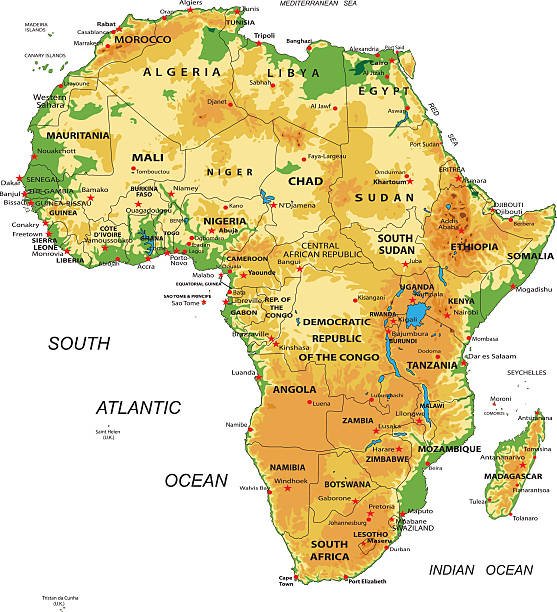
How Many Animals Is There In Africa? Unveiling the Continent's Vast Wildlife Population
Africa is renowned globally for its unparalleled biodiversity and spectacular wildlife, making the question of how many animals are there in Africa a fascinating, albeit complex, inquiry. While providing an exact numerical count of every single animal on the continent is impossible due to the sheer scale and dynamic nature of its ecosystems, scientists estimate that Africa is home to hundreds of thousands, if not millions, of different animal species, ranging from megafauna like elephants and rhinos to countless insect species and marine life. This incredible wealth of life represents a significant portion of the world's total biodiversity, contributing immensely to global ecological balance.
Understanding the sheer volume and variety of African wildlife requires delving into its diverse biomes, from vast savannas and dense rainforests to arid deserts and extensive coastlines. Each habitat supports a unique array of animal populations, collectively making Africa a living testament to evolution and natural wonder. This article will explore the estimated numbers across various animal groups, the challenges of counting them, and the critical importance of conservation efforts for preserving this irreplaceable natural heritage.
The Challenge of Counting Africa's Wildlife
Accurately determining the total animal population in Africa presents numerous challenges for ecologists and researchers. Unlike a human census, counting wild animals is hindered by several factors:
- Vast and Remote Habitats: Many species inhabit inaccessible areas, making direct observation difficult.
- Mobility: Animals, especially migratory species like wildebeest and zebras, are constantly on the move across vast landscapes.
- Cryptic Species: Small, nocturnal, or burrowing animals are often hidden from view.
- Species Diversity: The sheer number of different species, particularly insects and marine invertebrates, is immense and many are yet to be formally described.
- Population Dynamics: Births, deaths, and environmental changes mean populations are constantly fluctuating.
Consequently, scientists rely on a combination of methods, including aerial surveys, camera traps, genetic sampling, satellite tracking, and statistical modeling, to estimate wildlife statistics in Africa.
A Glimpse into Africa's Animal Kingdom: Estimated Populations by Group
While precise numbers are elusive, we can explore the estimated magnitudes of different animal groups, highlighting Africa's incredible species richness.
Mammals: Iconic Giants and Hidden Gems
Africa boasts an extraordinary array of mammals, many of which are emblematic of its wilderness. These include the famous 'Big Five' and numerous other fascinating creatures. While specific numbers fluctuate, here are some insights into mammal count Africa:
- Elephants: The African elephant population, though significantly reduced by poaching, is estimated to be around 415,000 individuals across the continent, primarily savanna elephants and the more elusive forest elephants.
- Rhinos: Both black and white rhinos face severe threats. White rhinos number around 15,942, while the critically endangered black rhino stands at approximately 6,487 individuals.
- Lions: The 'King of the Jungle' (more accurately, the savanna) has seen steep declines, with estimates now around 20,000 to 25,000 mature individuals.
- Giraffes: All species and subspecies of giraffe combined are estimated to be fewer than 100,000 individuals, having suffered a 40% decline in the last three decades.
- Wildebeest: Famous for the Great Migration, the Serengeti ecosystem alone hosts over 1.5 million wildebeest, making them one of the most numerous large mammals.
- Zebras: Plains zebra populations are robust in many areas, with hundreds of thousands contributing to the migratory herds.
- Primates: Africa is home to a vast diversity of primates, including gorillas (estimated 100,000-200,000 for mountain and lowland species), chimpanzees (172,000-300,000), and numerous monkey species, collectively numbering in the millions.
Beyond these well-known species, Africa is home to hundreds of species of antelopes, diverse rodents, bats, and small carnivores, each contributing to the rich tapestry of its ecosystems. The total African mammal population (excluding humans) could easily run into the tens of millions, if not hundreds of millions, when factoring in smaller, abundant species.
Birds: A Kaleidoscope of Avian Life
With an estimated 2,300 bird species, Africa is a paradise for ornithologists and birdwatchers. This represents approximately 23% of the world's total bird species. The sheer bird species Africa is astounding:
- Approximately 67 of these species are endemic to the continent.
- Iconic birds include ostriches, secretary birds, various eagles, flamingos, and colourful bee-eaters.
- Many species are migratory, travelling thousands of kilometres annually, further complicating precise counts.
The total number of individual birds across all these species is in the billions, showcasing the vital role birds play in every African ecosystem.
Reptiles and Amphibians: Cold-Blooded Wonders
Often less celebrated than mammals or birds, Africa's reptiles and amphibians are crucial components of its ecosystems. The continent hosts a significant proportion of global diversity for these groups:
- Reptiles: Over 1,200 known species, including numerous snakes (cobras, mambas, pythons), lizards (chameleons, geckos, monitors), and crocodiles (Nile crocodile populations alone are estimated in the hundreds of thousands). The total reptile numbers Africa are likely in the tens of millions.
- Amphibians: With over 1,000 described species, primarily frogs and toads, Africa's amphibians play a vital role in wetland ecosystems. Their total individuals also likely number in the millions to billions across various species.
Fish and Marine Life: Beneath the Waves and in Freshwater
Africa's vast coastlines, great lakes, and extensive river systems support an incredible diversity of aquatic life. The marine life Africa is particularly rich:
- Marine Species: The Indian and Atlantic oceans bordering Africa teem with an estimated 11,000 species of fish, alongside whales, dolphins, sharks, turtles, and countless invertebrates.
- Freshwater Species: Africa's Great Lakes (Victoria, Tanganyika, Malawi) are famous for their unparalleled speciation of cichlid fish, with thousands of endemic species. The total freshwater fish species count is in the thousands, and individual fish numbers are in the trillions.
Invertebrates: The Unseen Majority
When considering how many animals are there in Africa, it's crucial to remember that invertebrates make up the overwhelming majority of animal life both in terms of species count and individual numbers. This category includes:
- Insects: With conservative estimates suggesting hundreds of thousands of species (and potentially millions yet undiscovered), insects like beetles, butterflies, ants, termites, and flies vastly outnumber all other animal groups combined. Their individual numbers are staggering, likely in the quadrillions.
- Arachnids: Spiders, scorpions, and mites contribute thousands of species.
- Other Invertebrates: Worms, molluscs (snails, slugs), and countless microscopic organisms further swell the total count.
The collective invertebrate species Africa represent an almost unfathomable quantity of life, underpinning all other ecosystems through pollination, decomposition, and as a food source.
Biodiversity Hotspots and Key Ecosystems
Africa's animal populations are not evenly distributed. Certain regions stand out as biodiversity hotspots Africa:
- Serengeti-Mara Ecosystem: Famous for the Great Migration of wildebeest, zebras, and gazelles, supporting millions of large herbivores and their predators.
- Congo Basin: The second-largest rainforest in the world, home to forest elephants, gorillas, chimpanzees, and a myriad of bird and insect species.
- Madagascar: An island with unique evolutionary history, boasting over 90% endemic species, including lemurs, unique chameleons, and fascinating insects.
- Cape Floral Region: While known for plant diversity, it also supports a unique assemblage of insects and smaller animals.
- East African Rift Valley Lakes: Centers of fish evolution, especially cichlids.
These areas, alongside various national parks and wildlife reserves, are critical for maintaining the health and numbers of African animal populations.
Threats to African Wildlife and Conservation Efforts
Despite the vastness of its animal kingdom, African wildlife faces severe threats, leading to significant declines in many species and jeopardizing overall biodiversity in Africa:
- Habitat Loss and Fragmentation: Expansion of agriculture, human settlements, and infrastructure development destroy natural habitats, leading to reduced space and resources for animals.
- Poaching and Illegal Wildlife Trade: The demand for ivory, rhino horn, bushmeat, and exotic pets drives rampant poaching, pushing many species towards extinction. This is a primary cause of decline for elephants, rhinos, and pangolins.
- Climate Change: Altered rainfall patterns, increased droughts, and extreme weather events disrupt ecosystems, impact food and water availability, and change migration routes.
- Human-Wildlife Conflict: As human populations grow, encounters with wildlife increase, often resulting in retaliatory killings when animals damage crops or livestock.
- Pollution: Plastic waste, industrial pollutants, and agricultural run-off degrade habitats and harm wildlife.
In response to these threats, extensive conservation efforts Africa are underway:
- Protected Areas: Establishment and expansion of national parks, game reserves, and conservancies.
- Anti-Poaching Units: Ranger patrols, advanced surveillance technology, and community engagement to combat illegal wildlife trade.
- Translocation and Reintroduction: Moving animals to safer habitats or reintroducing them into areas where they once thrived.
- Community-Based Conservation: Empowering local communities to benefit from and participate in wildlife protection.
- Policy and Legislation: Strengthening laws against poaching and illegal trade, both nationally and internationally.
- Research and Monitoring: Scientific studies to understand population dynamics and inform conservation strategies.
These efforts are crucial for safeguarding the endangered species Africa and ensuring the long-term survival of its diverse animal populations.
The Indispensable Value of Africa's Animals
The immense number of animals in Africa is not just a statistical curiosity; it represents profound ecological, economic, and cultural value:
- Ecological Balance: Each species plays a role in its ecosystem, from predators controlling prey populations to herbivores shaping vegetation and insects pollinating plants. The health of African ecosystems relies on this intricate web.
- Economic Contributions: Wildlife tourism, particularly safari animals population viewing, generates billions of dollars annually, supporting economies and creating jobs across the continent.
- Cultural Heritage: Animals are deeply embedded in African cultures, folklore, and national identities, representing strength, wisdom, and resilience.
- Scientific Research: Africa's biodiversity offers unparalleled opportunities for scientific study, contributing to our understanding of biology, ecology, and evolutionary processes.
Preserving the staggering number and diversity of animals in Africa is thus not merely an environmental goal but a cornerstone of sustainable development and global heritage.
Conclusion: A Continent Teaming with Life
In conclusion, while a definitive, real-time answer to how many animals are there in Africa remains elusive, it is unequivocally clear that Africa is a continent teeming with an astonishing array of life. From iconic megafauna numbering in the tens of thousands to countless invertebrate species potentially numbering in the quadrillions, its animal population Africa contributes an unparalleled richness to global biodiversity. This vibrant tapestry of life, though facing significant threats from human activities, is the focus of dedicated conservation in Africa. Protecting these vast numbers of species and their habitats is essential not only for the continent's ecological integrity but for the benefit of the entire planet, ensuring that future generations can marvel at the wonders of Africa's extraordinary animal kingdom.
Enjoyed this read?
Share it with your friends and colleagues.