How Many Climate Zones Are Found In Africa

BSC Insights Admin
September 30, 2026
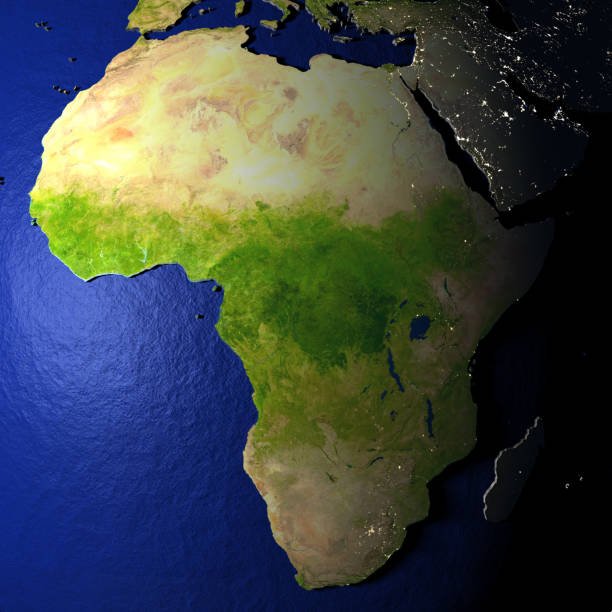
Africa, the world's second-largest continent, boasts an astonishing array of environmental conditions, leading to a remarkable diversity of climate zones. While often simplified, Africa is typically categorized into five major climate zones under the widely recognized Köppen climate classification system, each with distinct characteristics and sub-zones that reflect its immense geographical expanse and varied topography.
These primary climate zones include the Equatorial (Tropical Rainforest), Tropical Wet and Dry (Savanna), Desert (Arid), Semi-Arid (Steppe), and Mediterranean climates, with significant regional variations, particularly influenced by elevation, leading to distinct Highland climates. Understanding these diverse climate zones in Africa is crucial for appreciating the continent's unique ecosystems, biodiversity, and the livelihoods of its inhabitants.
The Köppen Climate Classification System: A Framework for Understanding Africa
To accurately describe the various climate types found across the African continent, climatologists frequently refer to the Köppen climate classification system. Developed by Wladimir Köppen, this system categorizes climates based on temperature and precipitation patterns, which are key indicators for vegetation distribution. It provides a standardized and globally recognized method to classify and understand the different environmental regions of Africa.
The Köppen system uses a series of letters to denote main climate groups, precipitation patterns, and temperature characteristics. For Africa, the primary classifications are particularly useful in highlighting the continent's dominant climatic features, ranging from its central equatorial belt to its northern and southern extremes. This framework allows us to dissect and explain the rich tapestry of Africa's climate types in an authoritative manner.
The Major Climate Zones of Africa
Africa's vast size and position, straddling the equator, are the primary drivers of its climatic diversity. Let us delve into each of the main climate zones and their distinctive attributes.
Equatorial (Tropical Rainforest) Climate
The Equatorial climate in Africa is characterized by consistently high temperatures and abundant rainfall throughout the year, with no distinct dry season. This climate zone typically experiences average daily temperatures around 27°C (80°F) and annual rainfall exceeding 2,000 mm (79 inches). The high humidity and consistent moisture support dense, evergreen vegetation.
Locations and Features
This climate zone is predominantly found in Central Africa, stretching across countries such as the Democratic Republic of Congo, Gabon, Republic of Congo, and parts of Cameroon, Equatorial Guinea, and Uganda. The presence of the Congo Basin, the world's second-largest rainforest, is a testament to this climate type. The uniformity of temperatures and daily convectional rainfall are hallmarks of this zone, contributing to incredibly high biodiversity.
Flora and Fauna
The African rainforest biome is one of the planet's most biodiverse regions. It is home to a staggering variety of plant species, including towering trees, epiphytes, and lush undergrowth. Wildlife abounds, featuring gorillas, chimpanzees, forest elephants, okapis, and countless bird and insect species, all adapted to the warm, wet conditions.
Tropical Wet and Dry (Savanna) Climate
Also known as the Savanna climate in Africa, this zone is the most widespread across the continent. It is defined by distinct wet and dry seasons, a direct result of the annual migration of the Intertropical Convergence Zone (ITCZ). Temperatures remain high throughout the year, but precipitation varies dramatically between seasons.
Seasonal Rhythms
During the wet season, typically coinciding with high sun (summer), the ITCZ brings heavy convectional rainfall. The dry season, occurring during low sun (winter), is marked by very little to no precipitation. This seasonal cycle supports vast grasslands dotted with scattered trees and shrubs, which are characteristic of the African savanna biome.
Wildlife Adaptations
Major areas include East Africa (Kenya, Tanzania), parts of West Africa (Nigeria, Ghana), and southern Africa. The iconic wildlife of the savanna, such as lions, elephants, zebras, giraffes, and wildebeest, have evolved migratory patterns and feeding strategies to cope with the seasonal availability of water and grazing land. The large migrations seen in the Serengeti are a prime example of adaptation to the savanna's climatic rhythm.
Desert (Arid) Climate
The Desert climate in Africa covers vast stretches of the continent, characterized by extremely low rainfall, often less than 250 mm (10 inches) annually, and significant diurnal temperature ranges. Daytime temperatures can soar, while nights can be surprisingly cold. Evaporation rates far exceed precipitation.
Africa's Great Deserts
The most prominent example is the Sahara Desert climate in North Africa, the world's largest hot desert, spanning numerous countries including Egypt, Libya, Algeria, and Sudan. In Southern Africa, the Kalahari Desert climate and the Namib Desert also represent arid conditions, though with some regional differences in their levels of aridity.
Life in Arid Zones
Vegetation in these zones is sparse, consisting mainly of drought-resistant shrubs, cacti, and succulents. Animal life is specialized, including camels, fennec foxes, and various reptiles and insects that are adapted to conserve water and tolerate extreme temperatures. Human settlements are often concentrated around oases or along major rivers like the Nile.
Semi-Arid (Steppe) Climate
The Semi-Arid climate in Africa, often referred to as steppe, serves as a transitional zone between the true deserts and the more humid savanna regions. It receives slightly more rainfall than deserts, typically between 250-500 mm (10-20 inches) annually, but still experiences high evaporation and pronounced dry periods.
The Sahel and Beyond
A significant area with this climate is the Sahel region, a band stretching across Africa south of the Sahara, including parts of Senegal, Mauritania, Mali, Niger, Chad, and Sudan. Other semi-arid regions are found bordering the Kalahari in Southern Africa.
Agricultural Challenges
The vegetation here consists of grasslands and scattered thorny bushes, supporting nomadic pastoralism and some rain-fed agriculture. However, these areas are highly vulnerable to drought and desertification, making them challenging environments for sustainable human activity and food security.
Mediterranean Climate
The Mediterranean climate in Africa is unique for its dry, hot summers and mild, wet winters. This climate type is not as widespread as others but is crucial for specific regions. It is characterized by moderate rainfall, concentrated during the cooler months, making it suitable for certain types of agriculture like viticulture and olive groves.
Northern and Southern Shores
This climate zone is confined to the extreme northern coast of Africa, primarily in the Maghreb region (Morocco, Algeria, Tunisia), and the southwestern tip of South Africa around Cape Town. These regions are influenced by oceanic currents and subtropical high-pressure systems during summer.
Distinctive Vegetation
The natural vegetation in these areas includes evergreen shrubs, forests of cork oak, and maquis or fynbos (in South Africa), adapted to survive the summer drought. This climate supports a unique biodiversity and historically has been favorable for human settlement and trade.
Highland (Mountain) Climate
While not a primary Köppen classification group, the Highland climate in Africa is a crucial modifying factor that creates distinct environmental pockets. These climates are found in mountainous regions across the continent, such as the Atlas Mountains in the north, the Ethiopian Highlands, the East African Rift Valley mountains (e.g., Mount Kilimanjaro, Mount Kenya), and the Drakensberg Mountains in Southern Africa.
The Impact of Elevation
Altitude profoundly influences temperature and precipitation. As elevation increases, temperatures generally decrease, and rainfall can vary significantly, often leading to more precipitation on windward slopes. This creates a vertical zonation of climate and vegetation, where one can observe changes from savanna to forest to alpine grasslands and even permanent snowcaps (on Africa's highest peaks).
Unique Ecosystems
The Atlas Mountains climate, for instance, exhibits temperate characteristics at lower elevations, transitioning to colder, snow-prone conditions at higher altitudes. These highland areas are often biodiversity hotspots, harboring endemic species that have adapted to the specific conditions of their elevated habitats. They also serve as important water towers for surrounding lower regions.
Factors Influencing Africa's Diverse Climates
The existence of so many distinct climate zones in Africa is a result of several interacting geographical and atmospheric factors:
- Latitude: Africa straddles the equator, leading to intense solar radiation year-round in the central regions, driving the tropical climates. The increasing distance from the equator towards the tropics of Cancer and Capricorn results in more pronounced seasonal variations.
- Continental Size and Shape: The sheer size of Africa means vast interior regions are far from oceanic influences, contributing to continental effects like extreme temperatures and aridity in desert areas.
- Ocean Currents: Cold currents like the Benguela current off the southwestern coast (contributing to the Namib Desert) and the Canary Current off the northwest coast create dry, stable conditions. Conversely, warm currents like the Agulhas Current off the southeastern coast bring moisture.
- Topography: Mountain ranges such as the Atlas Mountains, the Ethiopian Highlands, and the East African mountains create rain shadow effects and localized highland climates that differ significantly from surrounding lowlands.
- Intertropical Convergence Zone (ITCZ): The annual migration of the ITCZ, a low-pressure belt where trade winds converge, dictates the wet and dry seasons across much of tropical Africa, forming the basis for the savanna climate.
Impact of Climate Zones on Africa
The varied Africa's climate types profoundly influence nearly every aspect of life and environment on the continent.
- Biodiversity: Each climate zone supports distinct ecosystems and unique flora and fauna, contributing to Africa's unparalleled biodiversity, from rainforests to deserts.
- Human Habitation and Livelihoods: Climate dictates where people can live, what crops they can grow, and the availability of water. Traditional livelihoods such as farming, pastoralism, and fishing are deeply intertwined with local climatic conditions.
- Agriculture: Different climate zones allow for a wide range of agricultural practices. For example, cash crops like cocoa and coffee thrive in tropical wet climates, while grains like sorghum and millet are suited to semi-arid regions.
- Water Resources: Rainfall patterns directly impact river flows, lake levels, and groundwater replenishment, which are vital for drinking water, irrigation, and hydroelectric power.
Understanding Climate Change in Africa's Zones
Africa is highly vulnerable to the impacts of global climate change. Each of its climate zones faces specific threats:
- Equatorial Regions: Increased frequency and intensity of extreme rainfall events, potential shifts in ITCZ, and threats to rainforest ecosystems.
- Savanna Regions: More prolonged and severe droughts, altered rainfall patterns, and increased risk of wildfires, impacting agriculture and wildlife migrations.
- Desert and Semi-Arid Regions: Further desertification, increased heat stress, and exacerbated water scarcity, pushing these already fragile environments to their limits.
- Mediterranean Regions: Hotter, drier summers, increasing water stress and wildfire risk, potentially impacting unique agricultural sectors.
- Highland Regions: Glacier retreat on high peaks (e.g., Kilimanjaro), changes in montane forest ecosystems, and altered hydrological cycles affecting downstream communities.
Understanding these vulnerabilities is critical for developing effective adaptation and mitigation strategies across the continent. Efforts are underway to strengthen resilience, improve early warning systems, and promote sustainable land management practices within each of Africa's unique climatic regions.
Conclusion
In summary, Africa is home to a rich mosaic of climate zones, with five primary climate types – Equatorial, Tropical Wet and Dry, Desert, Semi-Arid, and Mediterranean – further modified by significant Highland climates. This incredible diversity, driven by factors like latitude, ocean currents, and topography, underpins the continent's varied landscapes, ecological richness, and human cultures. Recognizing these distinct climate zones in Africa is fundamental to comprehending its complex environmental challenges and opportunities, especially in the face of a changing global climate, making it a continent of profound climatic interest and importance.
Enjoyed this read?
Share it with your friends and colleagues.