How To Move To Africa From The Us

BSC Insights Admin
October 09, 2026
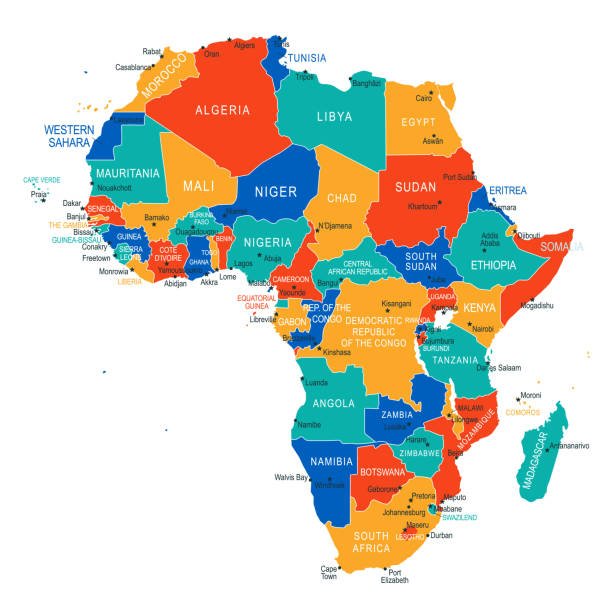
Moving to Africa from the US is a significant and often life-changing decision that requires meticulous planning, thorough research, and an open mind. While the continent is vast and incredibly diverse, the general process involves choosing a specific country, understanding its immigration laws, securing the necessary visas, managing financial logistics, and preparing for cultural adaptation. This comprehensive guide will walk you through the essential steps and considerations to help you make your relocation to Africa a successful and rewarding experience.
Why Consider Moving to Africa?
Africa, often referred to as the continent of opportunity, beckons with its vibrant cultures, diverse landscapes, and burgeoning economies. For many Americans, the desire to relocate stems from a mix of personal and professional aspirations.
Economic Opportunities
From booming tech sectors in countries like Kenya and Rwanda to significant growth in natural resources and tourism across various nations, Africa offers a unique economic landscape. Many American expatriates find opportunities in sectors such as sustainable development, education, healthcare, finance, and entrepreneurship. Cities like Accra, Nairobi, Cape Town, and Kigali are becoming hubs for innovation and investment, attracting skilled professionals and visionaries looking to make an impact. Understanding the local job market and identifying sectors with high demand for foreign expertise is a crucial first step for anyone considering a career change or business venture on the continent.
Cultural Richness and Diversity
One of Africa's most compelling attractions is its unparalleled cultural richness. The continent is home to thousands of distinct ethnic groups, languages, and traditions, offering an immersive experience unlike any other. Moving to Africa means embracing new customs, foods, music, and ways of life. This exposure can lead to profound personal growth and a broadened worldview. Americans seeking a departure from Western norms often find deep satisfaction in the community-oriented societies and the strong sense of hospitality prevalent across many African nations.
Choosing Your Ideal African Destination
Africa is not a monolithic entity; it is a continent of 54 distinct countries, each with its unique political climate, economic conditions, visa policies, and cultural nuances. The first and most critical step in your relocation journey is selecting the right country that aligns with your personal goals and lifestyle preferences.
Factors to Consider When Choosing
- Political Stability and Safety: Research the current political landscape and safety ratings of potential countries. Stability is paramount for a smooth relocation and long-term residency.
- Economic Landscape and Job Market: Evaluate the country's economic health, dominant industries, and potential for employment or entrepreneurship in your field.
- Cost of Living: Research the average costs for housing, food, transportation, and utilities. This varies significantly across the continent.
- Visa and Residency Policies: Understand the ease or difficulty of obtaining long-term visas and residency permits for US citizens. Some countries are more expat-friendly than others.
- Healthcare and Education: Assess the quality and accessibility of healthcare facilities and international schools, especially if you are moving with a family.
- Language and Culture: Consider the primary languages spoken and the cultural environment. While English is widely spoken in many countries, learning local languages can greatly enhance your experience.
- Infrastructure: Evaluate the quality of roads, internet access, public transport, and other essential services.
Popular Destinations for US Expats
Several African countries consistently attract a significant number of American expatriates due to their relative stability, economic opportunities, and welcoming environments. Here’s a brief overview of some top choices:
| Country | Key Attractions for Expats | Typical Visa Pathway for US Citizens |
|---|---|---|
| South Africa | Developed infrastructure, diverse economy, vibrant cities (Cape Town, Johannesburg), beautiful landscapes, strong expat community. | Critical Skills Visa, Retirement Visa, Business Visa |
| Ghana | Political stability, democratic governance, strong economic growth, welcoming culture, growing tech and business sectors, large expat community. | Work Permit, Residence Permit, Investor Visa |
| Kenya | East African economic hub, growing tech industry (Silicon Savannah), wildlife, diverse cultural experiences, good international schools. | Work Permit, Investor Permit, Dependent Pass |
| Rwanda | Safety, cleanliness, strong government, focus on technology and environmental conservation, developing economy. | Work Visa, Investor Visa, Professional Visa |
| Morocco | Rich history, strong cultural identity, proximity to Europe, tourism, textile, and agriculture sectors, unique lifestyle. | Work Visa, Business Visa, Long-Stay Visa |
| Senegal | Stable democracy, strong French influence, vibrant art scene, growing economy, pleasant coastal living. | Work Permit, Residence Card |
Navigating Visa and Immigration Requirements
This is arguably the most critical and complex step when you move to Africa from the US. Each country has its own specific immigration laws, visa categories, and application procedures. It is imperative to conduct thorough research on the specific requirements for the country you intend to move to, often starting with their embassy or consulate in the US.
General Visa Application Process
- Identify the Correct Visa Category: Depending on your purpose (work, study, retirement, investment, family reunification), you will need a specific visa. Do not try to enter on a tourist visa with the intention of converting it; this is rarely allowed.
- Gather Required Documentation: This typically includes a valid passport (with at least six months' validity beyond your intended stay), passport-sized photos, visa application forms, proof of funds, and a criminal record check.
- Provide Supporting Documents: For work visas, a job offer letter or employment contract from an African company is essential. For business visas, you'll need a detailed business plan. Retirement visas require proof of a stable income or pension.
- Submit Your Application: Applications are usually submitted to the country's embassy or consulate in the US, or sometimes online through their immigration portal. Be prepared for potential interviews.
- Wait for Approval: Visa processing times vary widely, from a few weeks to several months. Plan well in advance.
Key Documentation Required
- Valid US Passport: Often required to be valid for at least 6 months post-entry.
- Visa Application Forms: Duly completed and signed.
- Passport-Sized Photographs: Adhering to specific size and background requirements.
- Proof of Financial Stability: Bank statements, employment letters, or pension statements to show you can support yourself.
- Criminal Record Check: A clear background check (FBI report for US citizens).
- Medical Examination and Vaccinations: Specific health checks and proof of vaccinations (e.g., Yellow Fever) are often mandatory.
- Job Offer/Employment Contract: If moving for work, this is non-negotiable.
- Proof of Accommodation: Initial hotel booking or rental agreement.
Financial Planning and Cost of Living in Africa
Understanding the financial implications is paramount when planning to emigrate to Africa from America. Costs can vary dramatically based on your chosen country and city, as well as your lifestyle.
Budgeting for Your Relocation
Your initial budget should account for more than just flights. Consider:
- Visa Application Fees: These can range from moderate to substantial.
- Flights: One-way international airfare.
- Shipping Costs: For household goods and personal belongings (sea cargo is cheaper but slower than air cargo).
- Temporary Accommodation: Costs for hotels or short-term rentals upon arrival.
- Initial Setup Costs: Deposit for housing, furniture, utilities, and getting a local phone.
- Emergency Fund: Experts advise having at least 3-6 months' worth of living expenses saved.
Understanding the Cost of Living
While some African cities can be very affordable, others, especially capital cities or expat enclaves, can be surprisingly expensive, rivaling or even exceeding costs in some US cities. Research local prices for rent, groceries, transportation, and healthcare. For instance, rent for an apartment in Accra or Nairobi might be comparable to a mid-sized US city, while utilities or domestic services might be significantly cheaper.
Banking and Financial Transfers
Before leaving, inform your US bank of your international move. Upon arrival, you will typically need to open a local bank account. This often requires your passport, visa, and proof of local address. For transferring funds, explore options like international wire transfers, reputable online transfer services, or using your US credit/debit cards, but be mindful of transaction fees and exchange rates. It's advisable to have some local currency cash upon arrival.
Healthcare and International Insurance
Access to quality healthcare is a major concern for many expats. While some African nations have excellent private medical facilities, others may have limited resources. It is vital to plan your healthcare strategy.
Understanding African Healthcare Systems
Many African countries operate a two-tier healthcare system: public and private. Public healthcare can be basic, while private hospitals and clinics, often found in major cities, offer higher standards of care, comparable to Western facilities. However, these private options can be expensive.
The Importance of Expat Health Insurance
International health insurance is not just recommended; it's often essential. Standard US health insurance typically does not cover you abroad. An expat health insurance policy will provide coverage for medical emergencies, routine care, and often, medical evacuation back to your home country if necessary. Research policies that offer comprehensive coverage in your chosen destination.
Required Vaccinations and Health Precautions
Consult with your doctor or a travel clinic well in advance of your move to determine necessary vaccinations. Common requirements include Yellow Fever, Hepatitis A and B, Typhoid, Tetanus, and Meningitis. Malaria prophylaxis might also be recommended for certain regions. Understand local health risks and take appropriate precautions.
Logistics of Moving Your Life to Africa
The practical aspects of an international move can be daunting. Planning for logistics like shipping and pet relocation well in advance will alleviate stress.
Shipping Household Goods
Decide what you truly need to bring. Shipping costs can be high, and some items might be cheaper to buy locally. You'll typically choose between air cargo (faster, more expensive) and sea cargo (slower, more economical). Work with reputable international moving companies that specialize in moves to Africa. Be aware of customs duties and import restrictions in your destination country. Many expats find it simpler to sell most belongings and start fresh.
Relocating with Pets
Moving with pets requires extensive planning. Each country has specific import regulations, which usually include microchipping, rabies vaccinations, health certificates from a certified veterinarian, and sometimes quarantine periods. Start this process months in advance, as veterinary checks and paperwork can take time. Seek guidance from an experienced pet relocation service.
Vehicle Importation
Importing a vehicle to Africa from the US can be very expensive due to high import duties and taxes. Researching the local market for used cars might prove more cost-effective. If you do import, verify the specific age restrictions, engine size limits, and emission standards for your destination country.
Finding Accommodation and Employment in Your New Home
Securing a place to live and a stable income are foundational for a successful relocation.
Securing Housing
It's advisable to secure temporary accommodation (hotel, Airbnb, serviced apartment) for your first few weeks or months. This gives you time to explore different neighborhoods and find suitable long-term housing. Reputable real estate agents can be invaluable in navigating the local rental market. Be aware that lease terms, deposit requirements, and tenant rights can differ significantly from the US.
Job Search and Entrepreneurship
Unless you have a job offer before moving, the job search in Africa can be challenging. Network extensively, utilize professional social media platforms, and explore local job boards. For US citizens seeking employment, industries like NGOs, international corporations, tech startups, and education often have opportunities. Many expats also find success in entrepreneurship, identifying market gaps and starting their own businesses, which may qualify them for investor visas.
Cultural Adaptation and Social Integration
Beyond the practicalities, embracing the cultural shift is perhaps the most significant aspect of living abroad. Expat life in Africa is rich but requires flexibility and patience.
Overcoming Language Barriers
Even in English-speaking African countries, local dialects and accents can be challenging. Learning a few phrases in the local language (e.g., Swahili in East Africa, Twi in Ghana, Xhosa in South Africa) demonstrates respect and can significantly enhance your daily interactions and integration into the community.
Embracing Local Customs and Traditions
Be prepared for differences in social etiquette, communication styles, and daily routines. Patience, observation, and a willingness to learn are key. Researching local customs before arrival and engaging respectfully with locals will help ease your transition and foster positive relationships.
Building a Community
Connecting with other expatriates and making local friends is crucial for mental well-being. Look for expat groups online, join local clubs or organizations, or participate in community events. Building a strong support network will help you navigate challenges and celebrate successes in your new home.
Your Pre-Departure Checklist for a Smooth Transition
To ensure you've covered all bases before your big move, here’s a crucial checklist:
- Passport and Visa: Ensure your passport is valid for at least six months beyond your planned stay and your visa is secured.
- Health Checks and Vaccinations: Complete all required medical examinations and vaccinations.
- Financial Arrangements: Notify your US bank, organize international transfers, and have access to emergency funds.
- Important Documents: Make digital and physical copies of your passport, visa, birth certificate, marriage certificate, driver's license, and other critical documents.
- International Driver's Permit: Obtain one if you plan to drive, alongside researching local driving license conversion requirements.
- Cancel Subscriptions and Services: Discontinue US-based utilities, phone plans, internet, and subscriptions.
- Mail Forwarding: Set up mail forwarding with USPS or a private service.
- Power of Attorney: Consider granting one to a trusted person in the US for any unforeseen issues.
- Emergency Contacts: Share your travel itinerary and contact information with family and friends.
- Pack Smart: Focus on essentials, as most items can be purchased locally. Consider local climate and cultural norms for clothing.
Conclusion
Moving to Africa from the US is an ambitious undertaking that offers unparalleled rewards for those prepared to embark on the journey. By diligently researching your chosen country, meticulously planning your finances and logistics, and approaching cultural adaptation with an open heart and mind, you can transform a complex process into an enriching adventure. Remember, patience and flexibility are your greatest assets. Africa is a continent of profound beauty, vibrant communities, and immense potential, ready to welcome those who are prepared to embrace its unique rhythm and opportunities.
Enjoyed this read?
Share it with your friends and colleagues.