How Much Of Africa Is Green

BSC Insights Admin
October 01, 2026
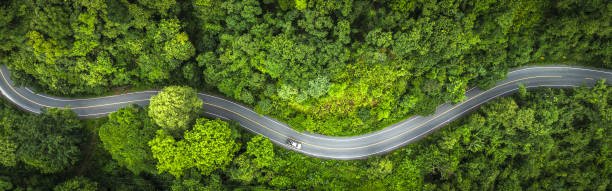
How Much Of Africa Is Green: Unveiling the Continent's Verdant Tapestry
Africa is a continent of immense ecological diversity, and while often stereotyped by its vast deserts, it is in fact surprisingly green across a significant portion of its landmass. Far from being uniformly arid, Africa boasts an incredible array of verdant landscapes, from the world's second-largest rainforest to expansive savannas, lush coastal areas, and fertile highlands, demonstrating that a substantial percentage of Africa's land is indeed covered in various forms of vibrant vegetation. Understanding how much of Africa is green requires looking beyond simplistic views and appreciating the complex interplay of climate, geography, and human activity that shapes its diverse ecosystems.
This article delves into the various facets of Africa's green landscape, exploring the regions that thrive with plant life, the factors contributing to this greenness, and the challenges threatening its ecological richness. We will uncover the true extent of Africa's green canopy and the critical role it plays in global biodiversity and climate regulation.
The Diverse Spectrum of Africa's Green Landscapes
Africa’s greenery is not monolithic; it varies dramatically from one region to another, creating a stunning mosaic of ecosystems. From perpetually wet zones to seasonally green areas, the continent showcases an impressive range of vegetation types.
The Verdant Heart: Equatorial Rainforests
At the core of Africa's greenness lies its equatorial belt, home to some of the planet's most biologically rich rainforests. The Congo Basin rainforest is the second-largest tropical rainforest globally, covering millions of square kilometers across central African countries like the Democratic Republic of Congo, Gabon, Republic of Congo, Cameroon, and Central African Republic. This region is perpetually green, characterized by high rainfall, consistent temperatures, and an incredibly dense canopy. It is a vital carbon sink and a hotspot for biodiversity, harboring countless species of plants and animals. The persistent humidity and ample precipitation ensure that this vast area remains consistently lush and verdant, contributing significantly to Africa's green vegetation cover.
The Iconic Green: Savannas and Grasslands
Beyond the rainforests, vast swathes of Africa are covered by savannas and grasslands. These iconic landscapes, particularly prevalent in East Africa and parts of Southern Africa, are characterized by tall grasses interspersed with scattered trees like acacias and baobabs. While not as densely forested as rainforests, savannas are undeniably green, especially during and immediately after the rainy seasons. They support an immense diversity of wildlife, making them crucial for both ecology and tourism. The seasonal cycle of rain and drought dictates the intensity of their greenness, with vibrant growth during wet periods and a more golden-brown hue during dry spells. These ecosystems are a major component of Africa's green area, covering roughly half of the continent.
Coastal and Mediterranean Greenery
Along Africa's coastlines, especially in the north (Mediterranean climate zones of Morocco, Algeria, Tunisia) and the far south (Fynbos biome in South Africa), unique forms of greenery flourish. These regions experience wet winters and dry summers, leading to distinct vegetation types adapted to these conditions, such as evergreen shrubs, cork oaks, and diverse floral species. Mangrove forests also line many tropical and subtropical coastlines, providing vital ecological services and presenting a verdant interface between land and sea.
Montane Ecosystems: Green Islands in the Sky
Africa is also home to several high-altitude regions that support unique green ecosystems. The Ethiopian Highlands, the Rwenzori Mountains, Mount Kilimanjaro, and Mount Kenya all feature montane forests and alpine meadows that are significantly greener than the surrounding lowlands. These areas receive more rainfall and benefit from cooler temperatures, allowing for dense vegetation, including cloud forests, bamboo thickets, and Afro-alpine flora. These 'green islands' are critical for water catchment and endemic species, showcasing greenest parts of Africa in unexpected locations.
The Non-Green Realities: Deserts and Arid Zones
While much of Africa is green, it is equally important to acknowledge the significant portions that are not. The continent hosts some of the world's largest and driest deserts, which present a stark contrast to its verdant regions.
The Vast Arid Expanse: The Sahara Desert
The Sahara Desert, stretching across North Africa, is the largest hot desert in the world and defines a substantial portion of the continent's arid land. It is characterized by extreme aridity, vast sand dunes, rocky plateaus, and minimal vegetation, primarily specialized drought-resistant plants found in oases or wadis. This enormous region contributes significantly to the perception of Africa as a dry continent, and its sheer size means that a considerable percentage of Africa is indeed not green.
Other Deserts: Kalahari and Namib
Southern Africa is home to the Kalahari and Namib Deserts. The Kalahari Desert, while semi-arid in parts and supporting some unique desert vegetation and wildlife, is largely characterized by dry savannas and sandy expanses. The Namib Desert, one of the oldest deserts in the world, is extremely arid along the coast, with very little plant life except for fog-dependent species like the Welwitschia mirabilis.
Semi-Arid Regions: The Sahel
The Sahel region, a transitional zone located between the Sahara Desert to the north and the savannas to the south, is characterized by its delicate ecological balance. It experiences a short rainy season followed by a long dry season. Its greenness is highly seasonal and vulnerable to climate fluctuations and human pressure. While it can be relatively green during the wet months, it quickly transforms into a dry, dusty landscape for much of the year, making it a critical area when discussing Africa's vegetation cover.
Factors Influencing Africa's Green Landscape
The distribution and intensity of Africa's green canopy are shaped by a confluence of environmental factors.
- Climate and Rainfall Patterns: This is the primary driver. Equatorial regions receive year-round high rainfall, sustaining rainforests. Tropical zones have distinct wet and dry seasons, supporting savannas. Arid zones receive minimal or no rainfall, leading to deserts.
- Geography and Topography: Mountain ranges create rain shadows and support montane ecosystems. Large river basins like the Congo and Niger provide water for extensive floodplains and riparian forests.
- Soil Types: Fertile soils can support denser vegetation, while poor or degraded soils hinder plant growth.
- Biodiversity Hotspots: Regions like the Eastern Afromontane, Coastal Forests of Eastern Africa, and the Succulent Karoo in South Africa are recognized for their exceptionally high levels of endemic species and concentrated greenery.
Measuring Africa's Greenness: Data and Metrics
Assessing exactly how much of Africa is green is a complex task that relies on advanced scientific methods. Satellite imagery and remote sensing play a crucial role in monitoring vegetation cover across the vast continent.
- Vegetation Indices: Scientists use indices like the Normalized Difference Vegetation Index (NDVI) to quantify vegetation greenness. NDVI values, derived from satellite data, indicate the density of green vegetation, showing areas of high photosynthetic activity.
- Forest Cover Statistics: According to reports from organizations like the Food and Agriculture Organization (FAO), Africa possesses a significant amount of forest cover, though it varies widely by country. For example, countries in the Congo Basin have some of the highest forest cover percentages globally, while North African nations have very little.
- Land Cover Maps: These detailed maps categorize different types of land use and cover, providing a visual representation of forests, grasslands, croplands, wetlands, and barren areas, giving a comprehensive view of Africa's actual green footprint.
These measurements consistently show that while deserts are prominent, much of the rest of the continent is covered by various forms of green vegetation, ranging from dense forests to productive grasslands and agricultural lands.
Challenges to Africa's Green Future
Despite its extensive greenery, Africa's green landscapes face significant threats that jeopardize their future and the vital services they provide. Addressing these challenges is paramount for maintaining the continent's ecological integrity and supporting its growing population.
Deforestation and Habitat Loss
Across many regions, particularly in the Congo Basin and West Africa, deforestation rates are alarming. Driven by agricultural expansion (cash crops, subsistence farming), logging, charcoal production, and infrastructure development, this loss of forest cover directly reduces Africa's green area and contributes to biodiversity loss and climate change.
Desertification and Land Degradation
In semi-arid regions like the Sahel, desertification is a severe problem. Overgrazing, unsustainable farming practices, and climate change combine to degrade land, leading to soil erosion, reduced fertility, and the expansion of desert-like conditions. This directly impacts the ability of these areas to remain green and productive.
Climate Change Impacts
Climate change is exacerbating existing environmental challenges. Increased frequency and intensity of droughts, unpredictable rainfall patterns, and rising temperatures put immense pressure on Africa's ecosystems. These changes can transform green areas into barren lands, affect crop yields, and disrupt water availability, making it harder for parts of Africa to stay green.
Population Growth and Resource Pressure
Africa's rapidly growing population places increasing demands on natural resources, including land for food production, water, and timber. This pressure often leads to unsustainable practices that further degrade green landscapes.
Conservation Efforts and Hope for a Greener Africa
Recognizing the critical importance of its green assets, numerous initiatives are underway across Africa to conserve, restore, and sustainably manage its vegetation. These efforts offer hope for a greener future.
- Reforestation Projects: Large-scale initiatives like the Great Green Wall aim to combat desertification by planting trees across the Sahel, creating a mosaic of green and productive landscapes. Many national and local tree-planting campaigns are also gaining momentum.
- Protected Areas and National Parks: Africa has a vast network of protected areas, including national parks and wildlife reserves, which safeguard critical ecosystems and their biodiversity. These areas often serve as refuges for wildlife and maintain significant green cover.
- Sustainable Agriculture and Land Management: Promoting practices like agroforestry, conservation agriculture, and sustainable grazing helps to restore soil health, increase vegetation cover, and improve food security without further degrading land.
- Community-Based Conservation: Empowering local communities to manage and benefit from their natural resources is crucial. When communities have a stake in conservation, they become active stewards of their green environments.
- International Collaboration: Global partnerships provide funding, technical expertise, and political support for large-scale conservation and restoration projects across the continent.
Conclusion
In conclusion, the question of how much of Africa is green reveals a continent of profound ecological contrasts and incredible natural wealth. While large deserts certainly define significant portions of its landscape, Africa is undeniably a continent with vast green expanses. From the dense, life-sustaining rainforests of the Congo Basin to the iconic, seasonally vibrant savannas and the unique greenery of its coastlines and mountains, a substantial percentage of Africa is indeed green. However, this verdant tapestry is under constant threat from deforestation, desertification, and climate change. The ongoing conservation efforts, from ambitious reforestation projects like the Great Green Wall to sustainable land management and protected areas, are vital for preserving Africa's precious green heritage for future generations, underscoring the continent's commitment to maintaining its diverse and invaluable green footprint.
Enjoyed this read?
Share it with your friends and colleagues.