How Much Of Africa Is Jungle

BSC Insights Admin
October 01, 2026
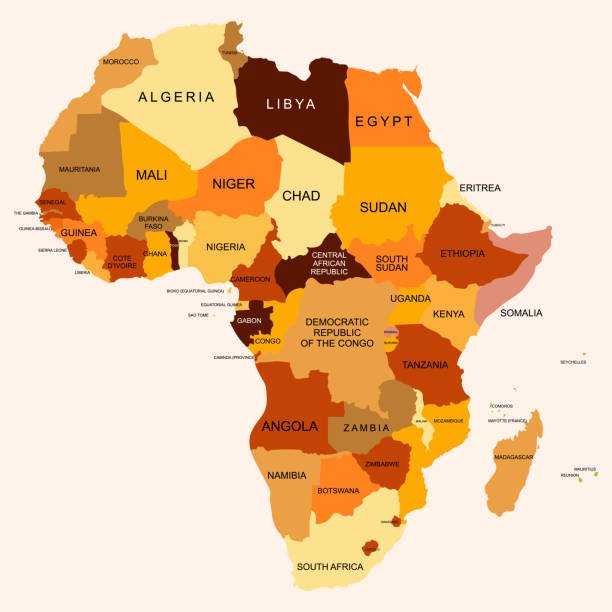
Africa is often stereotyped as being entirely covered in dense jungles, but the reality is quite different and far more nuanced. While the continent is home to the world's second-largest tropical rainforest, primarily concentrated in the vast Congo Basin, only about 10-12% of Africa's total land area is actually covered by this specific type of forest, which is more accurately termed a tropical rainforest rather than a jungle. This vital ecosystem is predominantly found in equatorial Central Africa, playing a critical role in global biodiversity and climate regulation. Therefore, while significant, it is important to understand that the vast majority of Africa is not jungle, but rather comprises diverse biomes like savannas, deserts, and temperate zones.
Understanding the Terms: Jungle vs. Tropical Rainforest
To accurately answer the question of how much of Africa is jungle, it is crucial to first clarify the terminology. The word "jungle" often conjures images of an impenetrable, overgrown wilderness, a term frequently used in popular culture and often associated with tropical, dense forests. However, from an ecological and scientific perspective, the term "tropical rainforest" is far more precise and descriptive of the ecosystems found in places like the Amazon, Southeast Asia, and Central Africa.
The Semantics: Jungle vs. Tropical Rainforest
- Jungle: Historically, "jungle" referred to wild, uncultivated land. In modern usage, it often implies a dense tangle of vegetation, particularly secondary growth that emerges after a primary forest has been disturbed or cleared. Jungles can be difficult to navigate due due to dense undergrowth, but they typically do not possess the multi-layered canopy structure or the stable, ancient biodiversity of a primary rainforest.
- Tropical Rainforest: This term describes a specific biome characterized by high annual rainfall (typically over 1,750 mm or 69 inches), warm temperatures year-round, and incredibly high biodiversity. Tropical rainforests feature a distinct vertical stratification of vegetation, including an emergent layer, canopy layer, understory, and forest floor. The canopy is often so dense that little light reaches the ground, limiting undergrowth in pristine areas, making them surprisingly open at ground level compared to the popular image of a "jungle."
When discussing Africa's green heart, the more accurate and scientific term is **tropical rainforest**. These magnificent forests are not just a collection of trees; they are complex, dynamic ecosystems that have evolved over millions of years.
Africa's Green Jewel: The Congo Basin
The undisputed heart of Africa's tropical rainforests is the Congo Basin. This immense region in Central Africa represents the second-largest tropical rainforest on Earth, surpassed only by the Amazon. It is the primary answer when considering where Africa's rainforests are located and how much area they cover.
Location and Extent of the Congo Basin
The Congo Basin spans across six central African countries:
- Democratic Republic of Congo (DRC) - holds the largest portion
- Republic of Congo
- Gabon
- Equatorial Guinea
- Central African Republic
- Cameroon
- Small portions extending into Angola and others
The total area covered by the Congo Basin rainforest is approximately 1.7 million square kilometers (about 660,000 square miles). To put this into perspective, it's roughly the size of Alaska or three times the size of France. This makes it an incredibly significant global asset in terms of carbon sequestration and biodiversity.
Biodiversity in the Congo Basin
The biodiversity of the Congo Basin rainforest is astounding. It is home to:
- Over 10,000 species of plants, with approximately 30% being endemic (found nowhere else on Earth).
- Iconic and critically endangered animals such as gorillas (western lowland, eastern lowland, and mountain gorillas), chimpanzees, bonobos, and okapi (often called the "African unicorn").
- Forest elephants, a distinct species from their savanna counterparts, playing a crucial role in seed dispersal.
- Thousands of insect, bird, reptile, and amphibian species, many yet to be fully documented by science.
This rich tapestry of life highlights why the Congo Basin is so vital not just for Africa, but for the entire planet.
Beyond the Congo: Other Forested Areas in Africa
While the Congo Basin dominates the conversation around African rainforests, it's important to recognize that other significant, though smaller, forested regions exist across the continent. These areas contribute to the overall forest cover but are distinct in their characteristics and geographical distribution.
West African Rainforests and Other Green Patches
Along the Atlantic coast of West Africa, particularly in countries like Liberia, Sierra Leone, Ivory Coast, Ghana, and parts of Nigeria, lie what are known as the Upper Guinean forests. These are fragmented but historically extensive tropical rainforests. Unfortunately, these forests have experienced severe deforestation over centuries due to agriculture, logging, and human settlement, making them some of the most threatened ecosystems globally. Though they share ecological characteristics with the Congo Basin, their smaller scale and higher degree of fragmentation set them apart.
Other types of forest ecosystems found in Africa include:
- Montane Forests: Found in high-altitude regions, such as the East African Rift mountains, Ethiopian Highlands, and the Albertine Rift. These forests are cooler and often cloud-shrouded, featuring unique flora and fauna adapted to these specific conditions.
- Gallery Forests: These are narrow strips of forest that grow along rivers and streams, extending into savannas and drier areas. They rely on the proximity to water sources to thrive.
- Mangrove Forests: Crucial coastal ecosystems found along the intertidal zones of Africa's tropical and subtropical coastlines. They play a vital role in coastal protection and as nurseries for marine life.
- Dry Forests and Woodlands: Vast areas of Africa are covered by various types of dry forests and woodlands, which are distinct from rainforests due to lower rainfall and different species compositions. Miombo woodlands in Southern Africa are a prime example.
These diverse forest types illustrate that while tropical rainforests are a specific biome, Africa's overall forest cover is a complex mosaic.
The Vast Tapestry: Africa's Dominant Biomes
To truly grasp how much of Africa is jungle (or more accurately, rainforest), it's essential to understand that tropical rainforests are just one part of a much larger, incredibly diverse continent. The majority of Africa is characterized by other major biomes.
Africa's Diverse Landscapes
The continent's immense size and varying climates create a wide array of ecosystems:
- Savanna (Grasslands): This is by far the largest biome in Africa, covering approximately 40-50% of the continent. Characterized by vast grasslands with scattered trees and shrubs, savannas are home to iconic wildlife like lions, elephants, giraffes, and zebras. They experience distinct wet and dry seasons.
- Deserts: The Sahara Desert in the north and the Kalahari and Namib Deserts in the south are among the largest and driest places on Earth, covering roughly one-third of Africa's landmass. These extreme environments support highly specialized flora and fauna.
- Mediterranean Climates: Found at the northernmost and southernmost tips of Africa (e.g., around the Cape of Good Hope and the Atlas Mountains), these regions have mild, wet winters and hot, dry summers, supporting unique fynbos and maquis vegetation.
- Montane Regions: High mountain ranges and plateaus, often supporting unique forest types and alpine meadows, as mentioned earlier.
- Coastal Zones: Beyond mangroves, Africa has extensive coastlines with various unique ecosystems influenced by marine conditions.
This illustrates that while tropical rainforests are ecologically significant, they are geographically limited to specific equatorial zones, primarily the Congo Basin. The image of Africa as entirely jungle is therefore a significant misconception.
A Cradle of Life: Biodiversity and Ecosystem Services
The relatively small percentage of Africa that is tropical rainforest holds disproportionate value for global biodiversity and ecosystem services. The **African rainforests**, particularly the Congo Basin, are critical for the health of the planet.
Ecological Significance and Biodiversity
The ecological contributions of these forests are immense:
- Climate Regulation: African rainforests act as a massive "lung" for the Earth, absorbing enormous amounts of carbon dioxide and releasing oxygen. They are crucial carbon sinks, helping to mitigate climate change.
- Rainfall Generation: Through evapotranspiration, these forests release vast quantities of water vapor into the atmosphere, which then falls as rain both locally and in distant regions, influencing continental weather patterns.
- Biodiversity Hotspot: As detailed earlier, they harbor an incredible array of plant and animal species, many of which are endemic. Protecting these forests means protecting countless species from extinction.
- Water Purification: Forest ecosystems play a critical role in filtering and purifying water, providing clean freshwater for both wildlife and human populations.
For indigenous and local communities, the African rainforests are not just an ecosystem but a way of life, providing food, medicine, shelter, and cultural identity.
Under Threat: Challenges Facing African Rainforests
Despite their immense value, Africa's tropical rainforests are under severe threat from a variety of human activities and environmental changes. Understanding these challenges is crucial for appreciating the urgency of conservation efforts.
Major Threats to African Rainforests
- Deforestation: This is the most significant threat. It stems from:
- Agricultural Expansion: Subsistence farming and large-scale commercial agriculture (e.g., palm oil, cocoa, rubber) are primary drivers of forest clearing.
- Logging: Both legal and illegal logging operations harvest valuable timber, often leading to destructive practices and opening up forests for further degradation.
- Mining: The extraction of minerals (e.g., coltan, gold, diamonds, copper) in rainforest regions leads to direct habitat destruction, pollution, and infrastructure development.
- Infrastructure Development: Roads, dams, and settlements fragment forests, disrupt wildlife corridors, and facilitate human encroachment.
- Climate Change: Changes in rainfall patterns, increased temperatures, and more frequent extreme weather events stress forest ecosystems, making them more vulnerable to fires and disease.
- Poaching and Illegal Wildlife Trade: The unique and often endangered species of African rainforests are targets for poachers, further decimating populations.
- Population Growth: Increasing human populations in and around forest areas exert pressure on resources and lead to further expansion into forest land.
The rate of deforestation in some parts of the Congo Basin, particularly the Democratic Republic of Congo, is alarming, with significant areas being lost each year. This loss has dire consequences for climate, biodiversity, and local communities.
Conservation Efforts and Hope for the Future
Recognizing the critical importance of these ecosystems, numerous conservation efforts are underway:
- Protected Areas: Establishment and expansion of national parks and reserves, such as Salonga National Park and Kahuzi-Biega National Park in DRC, which offer refuge for endangered species and preserve large tracts of forest.
- Sustainable Forestry: Promoting practices that allow for timber harvesting while minimizing environmental impact and ensuring forest regeneration.
- Community-Based Conservation: Engaging local communities in forest management, providing economic alternatives, and respecting traditional land rights.
- International Initiatives: Global funding and partnerships aimed at combating deforestation, reducing emissions from deforestation and forest degradation (REDD+ programs), and supporting sustainable development.
- Monitoring and Research: Utilizing satellite technology and scientific research to track deforestation, understand forest dynamics, and inform conservation strategies.
These efforts offer a glimmer of hope for the future of Africa's precious rainforests, emphasizing the need for continued global and local commitment.
Key Facts About Africa's Forest Cover
To summarize the answer to how much of Africa is jungle, here are some key statistics:
- Total Africa Land Area: Approximately 30.3 million square kilometers (11.7 million square miles).
- Percentage of Africa Covered by Tropical Rainforest: Roughly 10-12%.
- Area of Congo Basin Rainforest: Approximately 1.7 million square kilometers (660,000 square miles).
- Largest Rainforest in Africa: The Congo Basin.
- Global Ranking: Second largest tropical rainforest system in the world.
- Dominant Biome in Africa: Savanna, covering 40-50% of the continent.
Conclusion
In conclusion, the notion that most of Africa is jungle is a persistent myth. While Africa is indeed home to vast and ecologically critical tropical rainforests, predominantly found within the immense Congo Basin, these forests constitute only about 10-12% of the continent's total land area. The majority of Africa is characterized by diverse biomes such as expansive savannas, deserts, and various other forest types, each with its unique ecosystems and wildlife. The African rainforests are irreplaceable treasures, providing vital ecosystem services, regulating global climate, and harboring unparalleled biodiversity. Understanding the true geographical distribution and ecological significance of these rainforests, while debunking common misconceptions, is essential for appreciating Africa's natural complexity and for galvanizing ongoing conservation efforts to protect these vital green lungs of our planet.
Enjoyed this read?
Share it with your friends and colleagues.