How To Safari In Africa

BSC Insights Admin
October 01, 2026
How To Safari In Africa: Your Ultimate Guide to an Unforgettable Adventure
Embarking on an African safari is a journey of a lifetime, an immersive experience that allows you to witness the continent's breathtaking wildlife and diverse landscapes up close. To safari in Africa successfully and create lasting memories, meticulous planning is paramount, encompassing everything from choosing the right destination and understanding different safari types to packing appropriately and prioritizing safety.
This comprehensive guide will walk you through every step of planning an African safari, ensuring you are well-prepared for an adventure filled with majestic animals, stunning scenery, and unforgettable cultural encounters.
Choosing Your African Safari Destination
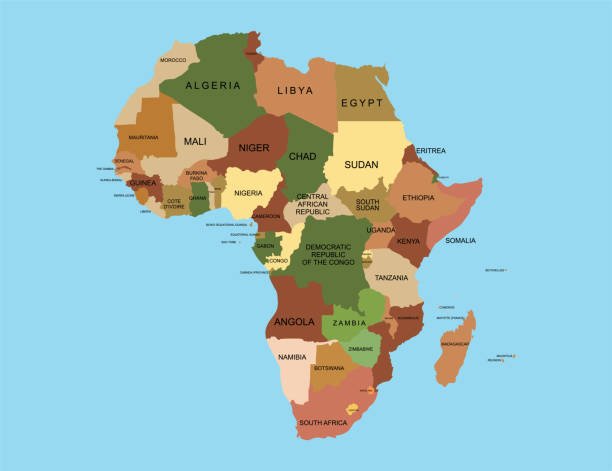
Africa offers a myriad of incredible safari destinations, each with its unique charm and wildlife viewing opportunities. Deciding where to go is often the first and most exciting step in how to safari in Africa.
East Africa: The Land of the Great Migration
- Kenya: Famous for the Masai Mara National Reserve, where the Great Migration of wildebeest and zebra takes place annually. Amboseli National Park offers iconic views of Mount Kilimanjaro with elephants in the foreground.
- Tanzania: Home to the vast Serengeti National Park, also a key site for the Great Migration, and the Ngorongoro Crater, a UNESCO World Heritage site boasting an incredible concentration of wildlife within its caldera.
- Uganda & Rwanda: Primarily known for thrilling gorilla trekking and chimpanzee tracking experiences in dense rainforests, offering a unique primate-focused safari.
Southern Africa: Diverse Landscapes and Luxury Experiences
- South Africa: Kruger National Park is world-renowned for excellent Big Five (lion, leopard, elephant, rhino, buffalo) sightings and diverse ecosystems. Luxury private reserves bordering Kruger offer exclusive experiences.
- Botswana: Celebrated for its commitment to low-impact, high-value tourism. The Okavango Delta is a unique wetland paradise, offering mokoro (traditional dugout canoe) safaris and phenomenal birdlife. Chobe National Park is famous for its vast elephant herds.
- Zambia & Zimbabwe: Offer stunning walking safaris and canoe safaris along the Zambezi River, often combined with a visit to the magnificent Victoria Falls. South Luangwa National Park in Zambia is considered the birthplace of walking safaris.
- Namibia: Distinctive for its desert-adapted wildlife in Etosha National Park and the dramatic landscapes of the Namib Desert, featuring towering red dunes.
Types of Safaris: Tailoring Your Experience
Beyond traditional game drives, there are various ways to experience the African wilderness, catering to different preferences and fitness levels. Understanding these options is crucial for how to safari in Africa in a way that truly resonates with you.
- Game Drives: The classic safari experience, typically conducted in open-sided 4x4 vehicles with an experienced guide (ranger and sometimes a tracker). These offer excellent opportunities for close-up wildlife viewing.
- Walking Safaris: An immersive way to explore the bush on foot, focusing on smaller details, tracking, and understanding the ecosystem from a ground-level perspective. Led by armed, professional guides.
- Boat Safaris/Mokoro Safaris: Particularly popular in water-rich areas like the Okavango Delta or along rivers, offering unique perspectives on aquatic wildlife and birdlife.
- Hot Air Balloon Safaris: A spectacular, albeit more expensive, way to see the vast landscapes and wildlife from above, especially popular over the Serengeti or Masai Mara at sunrise.
- Horseback & Quad Bike Safaris: Offered in specific private concessions, allowing for a different kind of interaction with the environment, often at a faster pace.
- Chimpanzee & Gorilla Trekking: Highly specialized safaris in Uganda and Rwanda, requiring permits and a good level of fitness to hike through dense forests to find these incredible primates.
Planning Your African Safari: Key Considerations
Effective planning is the backbone of any successful trip. Here’s how to safari in Africa efficiently from a logistical standpoint.
Best Time to Go for an African Safari
The best time to go for an African safari largely depends on your chosen destination and what you hope to see.
- Dry Season (June to October): Generally considered the best for game viewing across most regions. Animals congregate around water sources, making them easier to spot, and vegetation is thinner. This is also peak season for the Great Migration in East Africa.
- Wet Season (November to May): Often called the "Green Season" or "Emerald Season." Landscapes are lush, birdlife is abundant, and it’s calving season, meaning many young animals are born. While game viewing can be more challenging due to thicker vegetation, it offers stunning photographic opportunities and fewer crowds.
Budgeting for Your Safari
Safari costs can vary significantly. Factors influencing your safari budget Africa include:
- Accommodation: From comfortable tented camps and lodges (mid-range) to ultra-luxury private villas and exclusive mobile safaris (high-end). Budget options like self-drive camping are available in some national parks.
- Duration: Longer safaris naturally cost more due to accommodation, park fees, and guide services. A typical safari ranges from 5 to 10 days.
- Mode of Transport: Fly-in safaris (bush planes) are more expensive but save travel time between camps, especially in remote areas. Road transfers are more economical.
- Park Fees & Activities: National park entrance fees, concession fees, and special activity costs (e.g., gorilla permits, hot air balloon rides) add up.
A mid-range 7-day safari can cost anywhere from $3,000 to $6,000 per person, while luxury options can easily exceed $10,000 per person. Always clarify what is included (e.g., all meals, drinks, activities, transfers) with your operator.
Choosing a Safari Operator
Selecting a reputable and experienced safari operator is paramount for a seamless and safe trip. Look for:
- Expertise: Operators specializing in your chosen region.
- Reputation: Check reviews on independent platforms and travel forums.
- Ethical Practices: Ensure they prioritize wildlife conservation and support local communities. Ask about their responsible tourism policies.
- Safety Record: Crucial for peace of mind.
- Inclusions: A transparent breakdown of what your package includes and excludes.
Many tour operators offer tailor-made itineraries, allowing you to customize your Africa safari tips and experiences.
What to Pack for Your African Safari
Knowing what to pack for safari is vital for comfort and functionality in the bush. Generally, soft-sided luggage is preferred for light aircraft transfers.
Clothing & Footwear
- Neutral Colors: Khaki, olive green, tan, brown. Avoid bright colors, white (gets dirty quickly), and dark blue/black (attracts tsetse flies).
- Layers: Mornings and evenings can be chilly, while midday is hot. Pack light shirts, long-sleeved shirts (for sun protection and insect repellent), a fleece or jacket, and perhaps a lightweight waterproof jacket.
- Comfortable Pants/Shorts: Zip-off pants are versatile.
- Hat: Wide-brimmed for sun protection.
- Comfortable Walking Shoes/Boots: For game walks, sturdy sneakers or light hiking boots are ideal. Sandals/flip-flops for camp.
Essentials & Personal Items
- Sunscreen & Sunglasses: High SPF.
- Insect Repellent: Containing DEET is recommended.
- First-Aid Kit: Basic medications, antiseptic wipes, bandages, pain relievers.
- Personal Toiletries: Travel-sized. Many camps provide eco-friendly options.
- Small Backpack/Daypack: For daily excursions.
- Chargers & Power Adapter: Type G (UK standard) is common in East Africa; Type D/M (Indian/South African standard) in Southern Africa.
Photography & Observation Gear
- Camera with Zoom Lens: Essential for wildlife photography.
- Binoculars: A must-have for enhanced wildlife viewing Africa.
- Extra Batteries & Memory Cards: Power can be limited.
Important Documents
- Passport & Visas: Ensure validity (at least 6 months beyond your travel date) and necessary visas are obtained in advance.
- Travel Insurance: Comprehensive coverage including medical evacuation.
- Vaccination Certificates: Especially Yellow Fever, if required.
- Copies of Documents: Keep digital and physical copies separate from originals.
Health and Safety Considerations
Prioritizing your health and safety is crucial for an enjoyable and worry-free safari.
Vaccinations & Malaria Prophylaxis
Consult your doctor or a travel clinic well in advance (6-8 weeks) to discuss necessary vaccinations and malaria prevention. Common recommendations include:
- Yellow Fever: Mandatory for entry into some countries if coming from an endemic area.
- Tetanus, Diphtheria, Polio (TDP)
- Hepatitis A & B
- Typhoid
- Rabies: Especially if you plan to spend time with animals or in remote areas.
- Malaria Prophylaxis: Most safari destinations are malaria-risk areas. Discuss the best prophylactic medication for you with your doctor.
Travel Insurance
Comprehensive travel insurance is non-negotiable. It should cover:
- Medical emergencies and evacuation.
- Trip cancellation or interruption.
- Lost luggage.
- Personal liability.
Ensure your policy specifically covers safari activities and remote travel.
Wildlife Safety
Your safari guides are experts in animal behavior and safety. Always follow their instructions. Key rules include:
- Stay Inside the Vehicle: Unless explicitly told otherwise by your guide.
- Maintain Quiet: Avoid loud noises or sudden movements that might disturb animals.
- Never Feed Animals: It habituates them to humans and can lead to dangerous encounters.
- Keep a Safe Distance: Guides will ensure appropriate distances are maintained.
Safari Etiquette and Responsible Tourism
As a visitor, you have a responsibility to minimize your impact and contribute positively to conservation and local communities. This is a core part of how to safari in Africa responsibly.
- Respect the Wildlife: Observe animals without disturbing them. Do not demand that guides drive off-road unnecessarily or get too close.
- Leave No Trace: Take all your rubbish with you. Do not litter in the national parks or conservancies.
- Support Local Communities: Choose operators who employ local staff and contribute to community projects. Purchase local crafts and services where appropriate.
- Conserve Resources: Water and electricity can be scarce in remote areas. Be mindful of your consumption.
- Cultural Sensitivity: When interacting with local people, be respectful of their customs and ask permission before taking photographs.
Experiencing the Magic: What to Expect
Prepare for early morning starts – the best time for game drives as predators are most active. You’ll spend hours driving through stunning landscapes, searching for the Big Five, magnificent herds of plains game, and countless bird species.
Expect breathtaking sunrises and sunsets, the sounds of the bush at night, and the camaraderie of fellow travelers sharing incredible sightings. Each day on safari brings new wonders and challenges, but the rewards are immense. The moments of spotting a leopard in a tree, watching a lion hunt, or witnessing the sheer scale of the Great Migration will stay with you forever.
You will also gain a deeper appreciation for conservation efforts and the delicate balance of these wild ecosystems. Many camps and lodges actively participate in conservation and community development, offering guests insight into these crucial initiatives.
Conclusion
A journey to safari in Africa is an extraordinary adventure that transcends a typical holiday. By diligently researching your destination, understanding the types of experiences available, meticulously planning your budget and packing, and prioritizing health, safety, and responsible tourism, you set the stage for an unparalleled encounter with nature. Embrace the spirit of adventure, respect the wild, and prepare for an immersive experience that will undoubtedly change your perspective and leave you with a profound connection to the heart of Africa.
Enjoyed this read?
Share it with your friends and colleagues.