How Do You Send Money To Africa

BSC Insights Admin
October 01, 2026
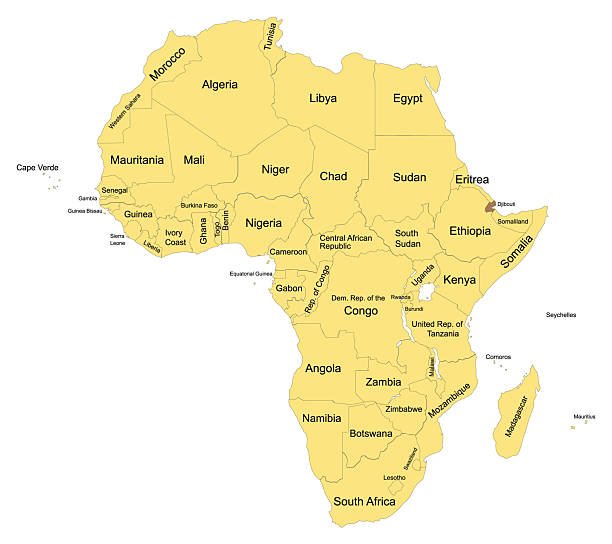
How Do You Send Money To Africa?
Sending money to Africa involves various convenient, secure, and increasingly efficient methods, ranging from traditional bank transfers and established money transfer operators to modern online platforms and mobile money services. The best approach often depends on factors such as the sender's location, the recipient's access to banking or mobile services, desired speed, cost, and the specific country in Africa. Understanding these options is crucial for ensuring your funds reach their destination reliably and affordably, supporting families and fueling economic growth across the continent.
Popular Methods for Sending Money to Africa
The landscape of remittances to Africa has evolved significantly, offering a diverse array of choices. Each method caters to different needs, balancing speed, cost, and accessibility.
1. Online Money Transfer Services (FinTech Platforms)
Online money transfer services have revolutionized how individuals send funds internationally, becoming a dominant force in sending money to Africa. Companies like Wise (formerly TransferWise), WorldRemit, Remitly, and Xoom (a PayPal service) leverage technology to offer competitive exchange rates and lower fees compared to traditional banks. These platforms typically allow transfers from a bank account, debit card, or credit card directly to a recipient's bank account, mobile money wallet, or for cash pickup.
- Pros: Often the cheapest way to send money to Africa due to competitive exchange rates and transparent fees. Transfers can be very fast, sometimes instant, especially to mobile money accounts. High convenience as transactions are conducted online or via mobile apps.
- Cons: Requires both sender and recipient to have internet access or smartphone capabilities. Recipient must have a bank account or be registered with a supported mobile money service for direct transfers.
- Key Considerations: Always compare exchange rates Africa offers across different platforms, as these can vary significantly and impact the final amount received. Check for any hidden fees beyond the advertised transfer fee.
2. Bank Transfers (Wire Transfers)
Traditional bank transfers remain a reliable method, particularly for larger sums or when both the sender and recipient have established bank accounts. This method involves sending funds directly from one bank to another.
- Pros: Generally considered very secure and suitable for substantial amounts. Banks offer a well-regulated and trusted service.
- Cons: Often the most expensive option due to higher fees and less favorable exchange rates compared to online services. Transfers can be slower, typically taking 2-5 business days, making it less ideal if you need to send money fast to Africa. Requires accurate SWIFT/BIC codes and recipient bank details.
- Key Considerations: Inquire about all associated fees, including sender bank fees, recipient bank fees, and any intermediary bank charges. Confirm the exact time frame for the transfer, as it can vary.
3. Mobile Money Services
Mobile money has profoundly transformed financial inclusion across Africa, making it a highly accessible and convenient way to send money to Africa. Services like M-Pesa, Orange Money, Airtel Money, and MTN Mobile Money allow users to send, receive, and store money using their mobile phones, even without a traditional bank account. Senders can often initiate transfers from international online platforms directly to a recipient's mobile money wallet.
- Pros: Extremely popular and widely used in many African countries, especially in rural areas. Offers instant or near-instant transfers. High convenience for recipients who can easily access funds via agents or pay for goods and services directly. Low transaction costs for small amounts.
- Cons: Transfer limits can be lower than other methods. Availability depends on the specific country and mobile network operator. May incur conversion fees if currencies differ.
- Key Considerations: Ensure the recipient has an active mobile money account with a supported provider in their country. Double-check the recipient's phone number carefully to avoid sending money to the wrong person.
4. Cash Pickup Services
For recipients who may not have bank accounts or access to mobile money, cash pickup services offered by companies like Western Union and MoneyGram are a long-standing and widely available solution. Senders transfer money, and recipients can collect it in cash from thousands of agent locations across Africa.
- Pros: High accessibility for recipients without formal financial services. Transfers can be very fast, often available for pickup within minutes. Extensive network of agent locations even in remote areas.
- Cons: Can be more expensive than online services due to higher fees and potentially less competitive exchange rates. Recipients must travel to a physical agent location, which may not always be convenient. Requires strict identity verification for pickup.
- Key Considerations: Inform the recipient of the exact name the money was sent under and the tracking number (MTCN or reference number). Ensure the recipient brings valid identification that matches the details provided by the sender.
Factors to Consider When Choosing a Money Transfer Method
Selecting the ideal method for money transfer to Africa requires careful consideration of several key factors to optimize for cost, speed, and convenience.
Fees and Exchange Rates
This is often the most critical factor. Fees for sending money to Africa can vary widely by service, transfer amount, and destination country. Some services charge a flat fee, while others take a percentage. Always pay close attention to the exchange rate offered, as a poor rate can cost you more than a high transfer fee. Many online services pride themselves on transparent pricing and more favorable rates.
Transfer Speed
How quickly does the money need to arrive? Online transfers to mobile money wallets or for cash pickup are often instant or near-instant, making them the fastest way to send money to Africa in many scenarios. Bank transfers, on the other hand, can take several business days.
Security
Ensuring your money is safe is paramount. All reputable services are regulated and employ robust security measures. Look for providers that offer secure transaction encryption, fraud protection, and clear terms and conditions. Using established services reduces the risk associated with secure money transfer Africa.
Convenience for Sender and Receiver
Consider the ease of use for both parties. Online platforms offer convenience for senders who can initiate transfers from home. For recipients, mobile money or widespread cash pickup locations can be more convenient than needing a bank account.
Transfer Limits
Each service may have minimum and maximum transfer limits per transaction or per day/month. If you're sending a large sum, verify the limits of your chosen service.
Customer Support
Reliable customer support is vital in case of any issues or queries. Check if the service offers support in your preferred language and through channels like phone, email, or live chat.
Tips for a Smooth Money Transfer to Africa
To ensure your remittance to Africa is successful and hassle-free, follow these actionable tips:
- Compare Services: Use online comparison tools or check multiple providers directly to find the best combination of fees and exchange rates for your specific transfer.
- Double-Check Recipient Details: Small errors in names, account numbers, or phone numbers can cause significant delays or even loss of funds. Verify all recipient information meticulously.
- Understand Exchange Rates: Be aware of the mid-market rate and how much your chosen service deviates from it. A seemingly small difference can add up for larger transfers.
- Track Your Transfer: Most services provide a tracking number or reference. Use this to monitor the status of your money until it's received.
- Be Aware of Scams: Never send money to someone you don't know personally, especially if they claim to be in an emergency or promise a reward. Be wary of unsolicited requests for money.
- Know Your Limits: Be aware of daily, weekly, or monthly transfer limits imposed by the service provider and any regulatory limits in the receiving country.
The Impact of Remittances on Africa
Diaspora remittances to Africa play an indispensable role in the continent's socio-economic development. Annually, billions of dollars are sent to Africa, surpassing foreign direct investment and official development assistance in many countries. These funds are primarily used by recipient families for basic needs such as food, housing, education, and healthcare. Beyond household consumption, remittances also contribute to small business creation, investment in property, and overall economic stability, lifting millions out of poverty and fostering entrepreneurship across various sectors. The steady flow of remittances provides a vital lifeline and a significant boost to national economies.
Future Trends in African Remittances
The future of sending money to Africa is increasingly digital. We can expect to see continued growth in:
- Digitalization: A further shift from physical cash transfers to purely digital transactions, driven by mobile penetration and internet access.
- Blockchain and Cryptocurrencies: While still nascent, blockchain technology offers potential for faster, cheaper, and more transparent cross-border payments, reducing reliance on traditional banking infrastructure.
- Expansion of Mobile Money: The reach and services offered by mobile money platforms will likely expand, integrating more financial services like savings, loans, and insurance, further embedding them into daily life.
- Increased Competition: A growing number of FinTech companies will enter the market, leading to more competitive fees and innovative services for African remittances.
Conclusion
Sending money to Africa is more accessible and diverse than ever before. Whether you prioritize speed, cost, or convenience, a suitable option exists, from established banks and cash pickup services to innovative online platforms and ubiquitous mobile money. By carefully comparing fees, exchange rates, and understanding the specific needs of your recipient, you can ensure your funds are transferred efficiently, securely, and affordably, contributing positively to the lives of your loved ones and the broader African economy.
Enjoyed this read?
Share it with your friends and colleagues.