How To Send Money From Europe To Africa

BSC Insights Admin
October 01, 2026
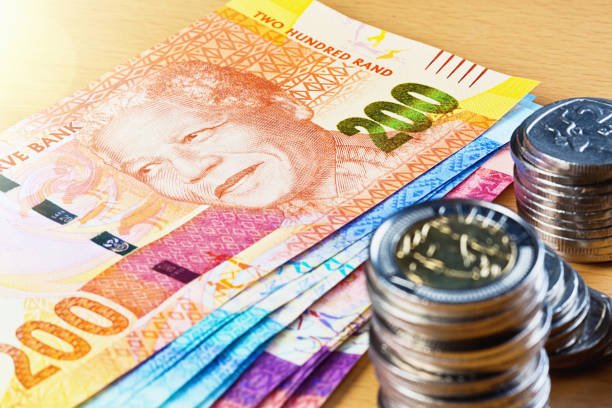
How To Send Money From Europe To Africa: A Comprehensive Guide
Sending money from Europe to Africa has become a common necessity for millions, whether for family support, business transactions, or investments. The good news is that transferring funds across continents is now easier, faster, and more secure than ever, thanks to a plethora of digital platforms and traditional services designed to facilitate international remittances.
This comprehensive guide will equip you with the knowledge to navigate the various options available, ensuring you choose the most efficient, cost-effective, and reliable method to transfer funds from Europe to Africa, while also offering insights into factors like fees, exchange rates, and security.
The Growing Importance of Remittances to Africa
Remittances play a pivotal role in many African economies, serving as a vital source of income for households and contributing significantly to national GDPs. Billions of euros are sent from Europe to various African nations annually, supporting education, healthcare, entrepreneurship, and daily living expenses. Understanding the landscape of these transfers is crucial for both senders and recipients.
Key Factors to Consider When Sending Money From Europe To Africa
Before initiating any money transfer, it's essential to evaluate several key factors to ensure a smooth and satisfactory transaction. Making an informed decision can save you time, money, and potential headaches.
- Fees: This is often the first consideration. Fees can vary widely depending on the service, the amount being sent, and the destination country. Some services charge a flat fee, while others take a percentage of the transfer amount.
- Exchange Rates: The exchange rate offered by a service can significantly impact the amount your recipient receives. A seemingly low fee can be offset by an unfavorable exchange rate, leading to less money reaching your loved ones. Always compare the mid-market rate with the rate offered by the provider.
- Speed of Transfer: How quickly does the money need to arrive? Some services offer instant transfers, while others can take several business days. Options like cash pickup are often faster than bank deposits.
- Security and Reliability: Ensuring your money reaches its intended recipient securely is paramount. Choose reputable services that are regulated and have a proven track record of safe transactions. Look for strong encryption and customer support.
- Convenience: How easy is it to send money? Do you prefer an online platform, a mobile app, or visiting a physical agent location? Consider the ease of funding the transfer (bank transfer, debit/credit card) and how the recipient can access the funds.
- Recipient Options: How will the recipient receive the money? Options typically include bank deposit, mobile money wallet, cash pickup, or direct to a debit card. Ensure the chosen method is accessible and convenient for them in Africa.
- Transfer Limits: Many services have minimum and maximum transfer limits per transaction or per day/month. Check these limits to ensure they align with your needs.
Popular Methods to Send Money From Europe To Africa
The landscape of money transfer services is diverse, offering various solutions tailored to different needs. Here are the most popular ways to send money from Europe to Africa:
Online Money Transfer Services (Remittance Platforms)
These platforms have revolutionized international money transfers, offering competitive rates, lower fees, and greater convenience than traditional banks. They are generally the best way to send money to Africa for most users due to their efficiency and cost-effectiveness.
- Wise (formerly TransferWise): Known for its transparent fees and use of the mid-market exchange rate, Wise is an excellent option for sending money to bank accounts across many African countries. It offers competitive rates and typically fast transfers.
- Remitly: Specializes in international remittances with a strong focus on emerging markets, including many African nations. Remitly often offers promotional rates for new users and various delivery options, including bank deposits, cash pickup, and mobile money.
- WorldRemit: A popular choice for its wide network across Africa, offering diverse payout options like bank deposits, cash pickup, mobile money, and airtime top-up. WorldRemit is often praised for its speed and user-friendly mobile app.
- Xoom (A PayPal Service): Xoom allows users to send money quickly to bank accounts, for cash pickup, or directly to mobile wallets in several African countries. It leverages PayPal's extensive user base and security features.
- XE Money Transfer: Primarily focuses on larger transfers and offers competitive exchange rates, making it suitable for significant remittances or business payments. It provides reliable bank-to-bank transfers.
- MoneyGram Online: While also having physical agents, MoneyGram's online service offers the convenience of digital transfers to bank accounts, mobile wallets, or for cash pickup at agent locations.
Traditional Money Transfer Operators
These services have a long-standing presence and extensive physical networks, making them reliable, especially for recipients who prefer cash pickup.
- Western Union: With thousands of agent locations across Africa, Western Union is a go-to for many, particularly when cash pickup is essential. While convenient, their fees and exchange rates can sometimes be higher compared to online-only platforms.
- MoneyGram: Similar to Western Union, MoneyGram also boasts a vast agent network for cash pickups. They offer reliable services, though comparing their rates with online providers is always recommended.
Bank Transfers (SWIFT)
Sending money via bank transfer through the SWIFT network is a classic method, known for its security and ability to handle large sums. However, it's typically one of the most expensive and slowest options for money transfer from Europe to Africa. Fees can be high, and the exchange rates may not be as favorable as specialized services. Transfers can take 3-5 business days or even longer.
Mobile Money Services
Mobile money has become incredibly popular in many African countries, offering a convenient and accessible way for recipients to receive and manage funds. Services like M-Pesa (Kenya, Tanzania), Wave (West Africa), and Orange Money (various Francophone countries) allow direct transfers from European services into a recipient's mobile wallet. This is often the fastest money transfer Europe Africa method when available.
Step-by-Step Guide: How to Send Money Online from Europe to Africa
Utilizing an online money transfer service is often the most efficient approach. Here's a general step-by-step process:
- Choose a Reputable Service: Based on the factors discussed above (fees, rates, speed, recipient options), select a service that best fits your needs and your recipient's access.
- Create an Account: Register on the service's website or app. This usually involves providing your personal details, email, and verifying your identity (KYC – Know Your Customer regulations).
- Enter Recipient Details: Provide the recipient's full legal name, contact information, and chosen payout method (e.g., bank account number, mobile money number, or agent location for cash pickup). Double-check these details to avoid delays or errors.
- Enter the Amount and Currency: Specify how much you want to send in your European currency (e.g., EUR, GBP) and confirm the amount the recipient will receive in their local African currency.
- Review Fees and Exchange Rate: The service will display the transfer fee and the current exchange rate. This is your chance to see the total cost and the exact amount the recipient will get.
- Fund Your Transfer: Connect your payment method. Options often include bank transfer (usually the cheapest), debit card (often faster, slightly higher fee), or credit card (fastest, but typically highest fees).
- Confirm and Track: Confirm the transaction. You'll usually receive a tracking number (MTCN or similar) that you can share with your recipient. Both you and the recipient can use this to monitor the transfer's progress.
Comparing Services: A Quick Overview
While specific rates and fees fluctuate daily, here's a generalized comparison to guide your decision-making when considering remittance services Europe Africa:
| Service Type | Typical Fees | Exchange Rate | Speed | Convenience |
|---|---|---|---|---|
| Online Remittance (e.g., Wise, Remitly) | Low to Moderate (often percentage-based or flat) | Very Competitive (close to mid-market) | Fast (minutes to 1-2 business days) | High (online, app-based) |
| Traditional Operators (e.g., Western Union, MoneyGram) | Moderate to High (variable by amount/destination) | Less Competitive (includes margin) | Fast for Cash Pickup (minutes), slower for bank | High (physical agents, online) |
| Bank Transfers (SWIFT) | High (fixed fees + potential intermediary bank charges) | Often Less Favorable (bank's daily rate) | Slow (3-5+ business days) | Moderate (online banking, branch visit) |
| Mobile Money (Direct via Online Services) | Low to Moderate | Competitive | Instant (minutes) | High (direct to mobile wallet) |
Tips for a Smooth and Secure Money Transfer from Europe to Africa
To ensure your money transfer is as seamless and safe as possible, follow these expert tips:
- Always Verify Recipient Details: Even a single incorrect digit in a bank account or mobile number can cause significant delays or lead to funds being sent to the wrong person. Confirm names, account numbers, and phone numbers multiple times.
- Compare Exchange Rates Diligently: Don't just look at fees. Use an online currency converter to check the mid-market rate and compare it to what the service is offering. A slight difference can mean a lot less money for the recipient.
- Understand Funding and Payout Options: Choose a funding method that is convenient for you and a payout method that is easiest for your recipient to access in their location.
- Be Aware of Scams: Never send money to someone you don't know personally, especially if they claim to be in an emergency or promise large returns. Legitimate money transfer services will warn you about common scams.
- Keep Records: Save all transaction receipts, tracking numbers, and confirmation emails. This information is vital if you need to query a transfer or track its progress.
- Check Transfer Limits: If you need to send a large sum, be aware of daily or per-transaction limits set by the service. You might need to split the transfer or use a service with higher limits.
- Leverage Promotions: Many online services offer fee-free first transfers or improved exchange rates for new customers. Take advantage of these to save money.
Understanding Regulations and Compliance
All reputable money transfer services operating from Europe adhere to strict financial regulations, including Anti-Money Laundering (AML) and Know Your Customer (KYC) laws. This means you will need to provide identification and sometimes proof of address. These measures are in place to prevent financial crime and protect users, ensuring secure money transfer transactions.
The Future of Remittances to Africa
The money transfer landscape is continuously evolving. Digitalization, increased mobile penetration, and innovative financial technologies are making remittances even more accessible and efficient. While cryptocurrencies offer another avenue for transferring value, their volatility and regulatory status mean that traditional and established online platforms remain the most reliable and regulated options for most users sending money from Europe to Africa today.
Conclusion
Sending money from Europe to Africa no longer needs to be a daunting task. By carefully considering factors such as fees, exchange rates, speed, and recipient convenience, you can choose from a wide array of reliable services like Wise, Remitly, and WorldRemit, or utilize the extensive networks of Western Union and MoneyGram. Always prioritize verifying recipient details and understanding the true cost of your transfer to ensure your hard-earned money reaches its destination quickly, securely, and affordably. With the right information, you can confidently navigate the world of international money transfers and keep your connections strong across continents.
Enjoyed this read?
Share it with your friends and colleagues.