Human Features Of Africa

BSC Insights Admin
September 30, 2026
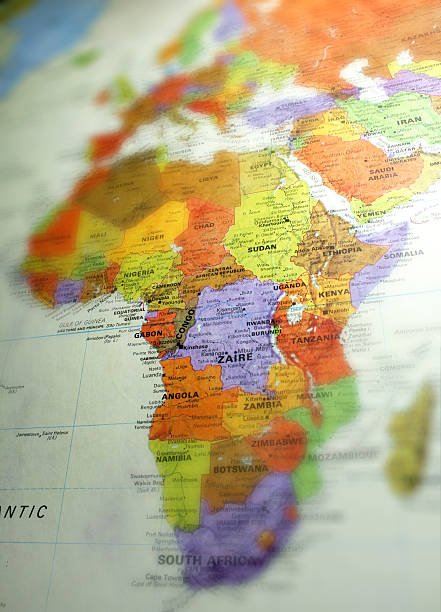
Africa, the world's second-largest continent, is a land of unparalleled natural beauty and an even more captivating array of human features. These human features encompass the vast diversity of its people, cultures, languages, economic activities, settlement patterns, and social structures that have evolved over millennia, profoundly shaping the continent's identity and future. Understanding the human features of Africa is crucial for appreciating its complexity and its pivotal role in global human history.
Population Dynamics and Demographics in Africa
The human landscape of Africa is largely defined by its vibrant and rapidly growing population. As the continent with the youngest population globally, its demographic profile presents both unique challenges and immense opportunities. The population of Africa is projected to double by 2050, profoundly impacting resource management, infrastructure, and social development.
Rapid Population Growth and Youth Bulge
- High Birth Rates: Many African nations experience higher fertility rates compared to other global regions, contributing to sustained population growth.
- Decreasing Mortality Rates: Improvements in healthcare, sanitation, and disease control, though still facing significant challenges, have led to increased life expectancy.
- Youthful Demographic: A significant portion of Africa's population is under the age of 25, often referred to as a 'youth bulge'. This demographic dividend, if harnessed effectively through education and employment, can fuel economic growth.
Population Distribution and Migration Patterns
Population distribution across Africa is uneven, influenced by factors such as climate, fertile land, resource availability, and historical settlement patterns. Densely populated areas include the Nile Valley, coastal regions, and parts of West and East Africa, while deserts like the Sahara and Kalahari remain sparsely populated.
- Rural-to-Urban Migration: A major trend is the movement of people from rural areas to burgeoning cities in search of economic opportunities, better services, and improved living conditions.
- International Migration: Africa is both a source and destination for international migrants. Intra-African migration is substantial, driven by economic disparities, conflict, and environmental factors.
- Displacement: Conflict and climate change frequently lead to internal displacement and refugee flows, posing significant humanitarian challenges for many African communities.
Cultural and Ethnic Diversity: Africa's Rich Tapestry
Perhaps the most celebrated of Africa's human features is its extraordinary cultural and ethnic diversity. The continent is home to thousands of distinct ethnic groups, each with its own unique traditions, customs, languages, and histories.
Vast Ethnic Groups and Traditions
From the Maasai of East Africa with their distinctive pastoralist lifestyle to the Yoruba of West Africa known for their rich artistic heritage, the diversity of African cultures is immense. This wealth of traditions includes:
- Traditional Governance Systems: Many communities still adhere to traditional leadership structures, often coexisting with modern state governance.
- Belief Systems: A blend of indigenous African religions, Islam, and Christianity forms the spiritual backbone of many societies, often influencing daily life and cultural practices.
- Social Norms and Family Structures: Strong communal bonds, extended family systems, and respect for elders are common threads across many African societies.
Art, Music, and Oral Traditions
African art, music, and dance are vibrant expressions of cultural identity. Traditional masks, sculptures, textiles, and jewelry are not merely decorative but often carry deep spiritual and historical meanings. Music, characterized by its rhythmic complexity and diversity of instruments, plays a central role in celebrations, rituals, and storytelling. Oral traditions, including folktales, proverbs, and epic poems, serve as vital means of preserving history, transmitting knowledge, and reinforcing communal values across generations in many African communities.
Linguistic Landscape: A Symphony of Voices
Africa boasts the greatest linguistic diversity of any continent, with over 2,000 distinct languages spoken. This remarkable feature is a testament to the continent's long history of human settlement and cultural interaction.
Major Language Families
The vast majority of African languages fall into four major families:
- Afro-Asiatic: Includes languages like Arabic, Hausa, Amharic, and Oromo, spoken primarily in North Africa, the Horn of Africa, and parts of the Sahel.
- Nilo-Saharan: Spoken across parts of East and Central Africa, including languages like Luo and Kanuri.
- Niger-Congo: The largest family, encompassing most of West, Central, and Southern Africa. This includes widely spoken languages like Swahili, Yoruba, Igbo, and Zulu.
- Khoisan: Characterized by click consonants, these languages are predominantly found in Southern Africa, spoken by indigenous groups like the San and Khoikhoi.
Colonial Languages and Multilingualism
Due to colonial legacies, European languages such as English, French, Portuguese, and Spanish are widely used as official languages in many African countries, often serving as lingua francas for inter-ethnic communication and in education and government. This has led to widespread multilingualism in Africa, where individuals often speak several local languages in addition to a colonial language.
Economic Activities and Livelihoods
The economic activities of Africa's human population are incredibly varied, ranging from traditional subsistence farming to burgeoning modern sectors, reflecting both historical patterns and contemporary global influences.
Agriculture and Natural Resources
Agriculture remains the backbone of many African economies, employing a large percentage of the population. Subsistence farming, where communities grow food primarily for their own consumption, is prevalent in rural areas. Commercial agriculture, producing cash crops like coffee, cocoa, tea, and cotton for export, is also significant.
Africa is rich in natural resources, including vast deposits of minerals (diamonds, gold, copper, platinum) and energy resources (oil, natural gas). The extraction and export of these resources form a major part of the economies of many nations, though challenges in equitable distribution of wealth persist.
Emerging Industries and Informal Sector
Across Africa, there is a growing trend towards industrialization and diversification. Manufacturing, telecommunications, and service industries are expanding, particularly in urban centers. The informal sector—comprising street vendors, small-scale entrepreneurs, and unregulated businesses—is a vital part of the economy, providing livelihoods for millions who lack formal employment opportunities.
Technological advancements in Africa, especially in mobile banking and digital services, are transforming economic landscapes and fostering new entrepreneurial ventures.
Urbanization and Settlement Patterns
Africa is undergoing rapid urbanization, with its cities growing at an unprecedented rate. This shift has profound implications for infrastructure, social services, and the daily lives of millions.
Growth of African Cities and Megacities
Major cities like Lagos, Cairo, Johannesburg, Nairobi, and Kinshasa are megacities, experiencing exponential growth. This urbanization is driven by rural-to-urban migration, leading to diverse and dynamic urban centers. These cities are hubs of economic activity, innovation, and cultural exchange, attracting people from all walks of life.
Challenges and Opportunities of Urbanization
Rapid urbanization presents both challenges and opportunities:
- Challenges: Strain on infrastructure (housing, sanitation, transport), emergence of informal settlements (slums), unemployment, and social inequality.
- Opportunities: Concentrated markets, innovation hubs, improved access to services (education, healthcare), and platforms for political and social change.
Alongside urban areas, traditional rural settlements and villages continue to be home to a significant portion of Africa's population, maintaining close ties to land and communal living.
Social Structures and Governance
The social structures and governance systems across Africa are a complex interplay of traditional practices, colonial legacies, and modern democratic aspirations.
Family, Kinship, and Community
Family and kinship ties are fundamental in most African societies, often extending beyond the nuclear family to encompass wider extended family networks and clans. These strong bonds provide social support, economic cooperation, and a sense of identity. Community collective action is often a cornerstone of development and resilience.
Traditional and Modern Governance
Many African countries operate under modern democratic or republican systems inherited or adapted from colonial powers. However, traditional governance structures, led by chiefs, elders, or religious leaders, often retain significant influence at the local level, especially in rural areas. The coexistence and sometimes tension between these two systems is a defining feature of political life.
Issues of political stability, conflict resolution, and the establishment of robust, transparent governance remain critical for sustained development across the continent. Civil society organizations and youth movements are increasingly playing a role in advocating for good governance and social justice.
Education and Healthcare: Building Human Capital
Investing in education and healthcare is paramount for developing Africa's human capital and fostering sustainable growth. Significant strides have been made, but considerable challenges persist.
Access and Quality of Education
Enrollment rates at primary and secondary levels have increased substantially in recent decades, particularly for girls. However, challenges such as inadequate funding, lack of qualified teachers, and insufficient infrastructure continue to affect the quality of education in many regions. Efforts are focused on improving educational outcomes, vocational training, and tertiary education to equip the youth with skills for the modern economy.
Health Challenges and Improvements
Africa has historically grappled with a high burden of disease, including HIV/AIDS, malaria, tuberculosis, and other infectious diseases. Malnutrition and maternal/child mortality also remain significant concerns. However, concerted global and local efforts have led to notable improvements in public health, including increased access to vaccinations, anti-retroviral treatments, and improved health infrastructure. The COVID-19 pandemic also highlighted both vulnerabilities and resilience in Africa's public health systems.
Historical Context and Human Impact
Africa's human features cannot be fully understood without acknowledging its profound historical trajectory, from being the cradle of humanity to its complex post-colonial identity.
Cradle of Humanity and Early Civilizations
Africa is widely recognized as the birthplace of humankind, with archaeological evidence pointing to the earliest hominid evolution on the continent. Ancient civilizations, such as those in Egypt, Nubia, Axum, and the great empires of Ghana, Mali, and Songhai in West Africa, flourished long before European colonization, demonstrating sophisticated social, political, and economic systems.
Colonial Legacy and Post-Independence
The period of European colonialism profoundly reshaped Africa's human geography, redrawing borders, introducing new administrative systems, and exploiting resources. This legacy continues to influence political structures, economic dependencies, and social divisions. The post-independence era has been marked by struggles for self-determination, nation-building, and addressing the inherited challenges of underdevelopment and fractured societies.
The African Diaspora
The transatlantic slave trade forcibly dispersed millions of Africans across the Americas and the Caribbean, creating a vast African diaspora. Today, the diaspora represents a significant global human feature of African heritage, maintaining cultural ties and contributing to the global cultural landscape, while also playing a role in the continent's development through remittances and engagement.
Challenges and Opportunities for Africa's Human Future
Africa's human features are continually evolving amidst a dynamic global environment. The continent faces significant challenges but also holds immense potential.
Addressing Poverty, Inequality, and Conflict
Despite economic growth in many regions, poverty and inequality remain persistent challenges, often exacerbated by conflict and political instability. Efforts to strengthen governance, promote peace, and ensure equitable distribution of resources are vital for human development.
Climate Change and Environmental Impact
Climate change disproportionately affects African communities, impacting agriculture, water security, and leading to displacement. Adapting to these changes and building resilience are critical for safeguarding human livelihoods and well-being.
Youth Empowerment and Innovation
Africa's youthful population is a powerful asset. Investments in youth empowerment, entrepreneurship, and innovation are creating new opportunities across sectors, from technology to renewable energy. The continent is a hub of creativity and resourcefulness, poised for significant future contributions.
In conclusion, the human features of Africa are extraordinarily rich and complex, encompassing a mosaic of diverse populations, vibrant cultures, thousands of languages, varied economic activities, and dynamic settlement patterns. From its origins as the cradle of humanity to its rapid urbanization and youthful demographics, Africa represents a continent of immense resilience, adaptability, and untapped potential. Understanding these multifaceted human dimensions is essential to appreciating Africa's past, engaging with its present, and contributing to its promising future. The continent’s human spirit, characterized by creativity, communal strength, and an enduring drive for progress, continues to shape its destiny on the global stage.
Enjoyed this read?
Share it with your friends and colleagues.