Did Humans Evolve In Africa

BSC Insights Admin
October 07, 2026
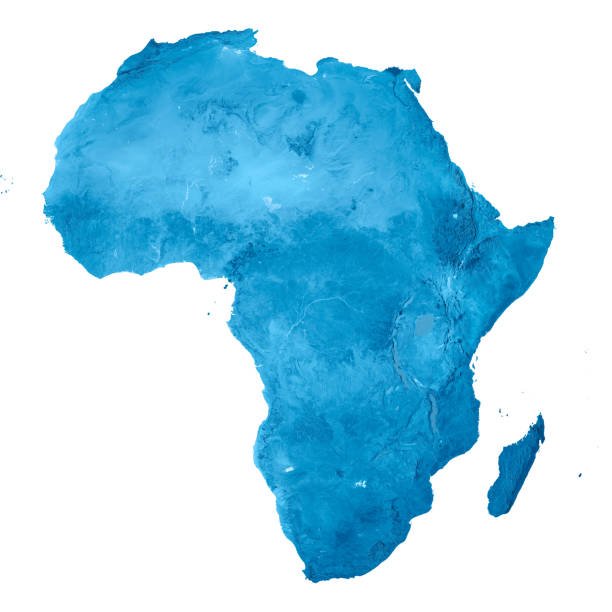
Did humans evolve in Africa? The answer is a resounding yes. Overwhelming scientific evidence from archaeology, genetics, and paleontology unequivocally points to Africa as the cradle of humanity, the continent where our species, Homo sapiens, first emerged and subsequently dispersed across the globe. This foundational understanding forms the cornerstone of the dominant scientific model known as the “Out of Africa” theory, which posits that all modern humans share a relatively recent common African ancestor.
This article will delve into the comprehensive body of evidence supporting Africa's central role in human evolution, exploring the fossil records of early hominids, the revolutionary insights from genetic studies, and the environmental factors that likely fostered the development of our unique lineage. Understanding our origins in Africa is not just a matter of scientific curiosity; it's a testament to our shared heritage and the deep interconnectedness of all people.
The "Out of Africa" Theory: Our Shared Ancestry
The "Out of Africa" theory, also known as the Recent African Origin model, is the most widely accepted scientific explanation for the origin and early dispersal of modern humans. It proposes that Homo sapiens evolved in Africa roughly 200,000 to 300,000 years ago and then migrated out of the continent in waves, eventually replacing earlier hominin populations such as Neandertals in Eurasia, with little or no interbreeding (though recent genetic data has shown some limited interbreeding).
This theory contrasts with the earlier Multiregional Hypothesis, which suggested that human evolution occurred simultaneously in different parts of the world from local populations of Homo erectus, with gene flow maintaining a single species. However, archaeological discoveries and, more importantly, sophisticated genetic analyses have largely disproven the Multiregional Hypothesis, firmly establishing Africa as our evolutionary homeland.
Key Principles of the "Out of Africa" Model:
- Single Origin: Homo sapiens originated as a distinct species in Africa.
- Recent Divergence: All modern humans share a common ancestor from a relatively recent past.
- Replacement, Not Parallel Evolution: Migrating Homo sapiens largely replaced existing hominin populations outside of Africa.
Archaeological and Fossil Evidence: Tracing Our African Roots
Africa is a treasure trove of hominin fossils, providing an unparalleled record of human evolution over millions of years. The sheer volume and diversity of these discoveries are the strongest pillar supporting the African origin of humans.
Early Hominins and Bipedalism
The earliest known hominins, the ancestors of humans, are found exclusively in Africa. These include species like Sahelanthropus tchadensis (Chad, ~7 million years ago), Orrorin tugenensis (Kenya, ~6 million years ago), and various species of Australopithecus (East and South Africa, ~4 to 2 million years ago). A key evolutionary milestone, bipedalism (walking upright on two legs), is first evidenced in these African species. The famous “Lucy” skeleton (Australopithecus afarensis), discovered in Hadar, Ethiopia, is a prime example, demonstrating clear adaptations for upright walking approximately 3.2 million years ago.
Notable early hominin sites in Africa include:
- Olduvai Gorge, Tanzania: Often called the "Cradle of Mankind," this site has yielded numerous hominin fossils and early stone tools, thanks to the Leakey family's pioneering work.
- Hadar, Ethiopia: Home to "Lucy" and the "First Family" of Australopithecus afarensis.
- Laetoli, Tanzania: Famous for fossilized hominin footprints, providing direct evidence of early bipedalism around 3.6 million years ago.
- Turkana Basin, Kenya: A rich area for discoveries, including Homo habilis, Homo erectus, and early Homo sapiens.
- Sterkfontein Caves, South Africa: Part of the "Cradle of Humankind" UNESCO World Heritage Site, yielding numerous Australopithecus and early Homo fossils.
The Emergence of the Genus Homo
The genus Homo, to which modern humans belong, also emerged in Africa. Homo habilis, often called "handy man" for its association with early stone tools (Oldowan technology), first appeared in East Africa around 2.8 million years ago. Following this, Homo erectus, a more sophisticated tool-maker and the first hominin to leave Africa, evolved around 1.9 million years ago, also in Africa. While Homo erectus populations migrated into Eurasia, the lineage that would eventually become Homo sapiens continued to evolve within Africa.
The Birthplace of Homo sapiens
The earliest known fossils unambiguously identified as anatomically modern Homo sapiens have been discovered in Africa. The Jebel Irhoud site in Morocco has yielded fossils dated to approximately 300,000 years ago, pushing back the timeline for our species' emergence significantly. Other crucial African sites include Omo Kibish in Ethiopia (around 195,000 years ago) and Herto, Ethiopia (around 160,000 years ago). These finds collectively provide a robust paleontological framework for human evolution in Africa, demonstrating a clear evolutionary sequence leading directly to modern humans on the continent.
Genetic Evidence: A Living Record of Our African Past
While fossils provide a snapshot of the past, genetics offers a living, evolving record of our ancestry. Groundbreaking studies of human DNA have provided some of the most compelling and incontrovertible evidence for the African origin of humans.
Mitochondrial DNA (mtDNA) and "Mitochondrial Eve"
Mitochondrial DNA (mtDNA) is particularly useful for tracing maternal lineages because it is inherited exclusively from the mother and does not undergo recombination. By analyzing mtDNA from diverse human populations worldwide, geneticists have constructed a human family tree that converges on a single common female ancestor who lived in Africa roughly 150,000 to 200,000 years ago. This hypothetical woman is famously known as "Mitochondrial Eve." Her existence does not mean she was the only woman alive at the time, but rather that all living humans trace their maternal lineage back to her, and she lived in Africa.
Y-Chromosomal DNA and "Y-Chromosomal Adam"
Similarly, the Y-chromosome, passed exclusively from father to son, has been used to trace paternal lineages. Studies of Y-chromosomal DNA reveal a common male ancestor, dubbed "Y-Chromosomal Adam," who also lived in Africa, roughly 200,000 to 300,000 years ago. The genetic patterns observed in both mtDNA and Y-chromosome analyses are consistent with an African origin, showing the deepest genetic roots and greatest diversity within African populations.
Genetic Diversity: The Smoking Gun
One of the most powerful genetic arguments for the African cradle of humankind is the observation of genetic diversity. African populations exhibit the greatest genetic diversity of any human population group on Earth. This is precisely what one would expect from the oldest population, which has had the longest time to accumulate genetic mutations. As small groups of early humans migrated out of Africa, they carried only a subset of this genetic diversity (a "bottleneck effect"), leading to lower diversity in non-African populations. This pattern is globally consistent: genetic diversity decreases with increasing geographic distance from Africa.
The following table illustrates this principle:
| Population Group | Relative Genetic Diversity | Implication for African Origin |
|---|---|---|
| Sub-Saharan Africans | Highest | Oldest, source population |
| North Africans/Middle Easterners | High (intermediate) | Early dispersal routes from Africa |
| Europeans/Asians | Moderate | Later dispersal, founder effects |
| Native Americans/Australians | Lowest | Most distant migrations, multiple bottlenecks |
Environmental Factors Favoring Evolution in Africa
Africa's unique geography and climate played a crucial role in shaping human evolution. The continent's vast and varied environments, from dense forests to expanding savannas, presented diverse challenges and opportunities that likely spurred evolutionary adaptations.
Climatic Variability and Adaptations
Over millions of years, Africa experienced significant climatic shifts, including periods of extreme aridity and lushness. These changes would have driven natural selection, favoring traits that allowed hominins to adapt to new food sources, exploit different habitats, and cope with environmental instability. The development of bipedalism, for example, is theorized to have offered advantages in savanna environments for spotting predators, reaching food, and conserving energy.
Resource Availability
The abundance of diverse resources, including varied plant life and animal populations, would have supported hominin populations over long periods, allowing for the gradual accumulation of evolutionary changes. The availability of raw materials for stone tool making was also crucial for the technological advancements seen in early Homo species.
The Journey Out of Africa: Global Dispersal
While humans evolved in Africa, our story did not end there. Around 60,000 to 70,000 years ago, a significant wave of Homo sapiens migrated out of Africa, embarking on an incredible journey that would eventually populate every corner of the globe. These early migrants followed coastal routes and inland passages, adapting to new environments and encountering other hominin species along the way.
Evidence for this dispersal includes:
- Archaeological Sites Outside Africa: Early Homo sapiens sites in the Middle East (e.g., Skhul and Qafzeh in Israel, dated around 100,000 years ago, though likely a less successful early dispersal), and later, sites across Asia, Europe, and Australia.
- Genetic Clocks: Genetic studies estimate the timing of these out-of-Africa migrations, aligning with archaeological findings.
- Adaptation to New Environments: The subsequent diversification of human populations, including varying skin pigmentation, body forms, and other adaptations, occurred as humans spread into different climates and geographical regions.
Dispelling Myths and Reinforcing the Scientific Consensus
Despite the overwhelming evidence, some misconceptions about human origins persist. It is crucial to reinforce that the scientific consensus, built on decades of rigorous research across multiple disciplines, firmly establishes Africa as the exclusive birthplace of Homo sapiens. There is no credible scientific evidence to support the idea that humans evolved in multiple separate regions or that any non-African continent was the primary locus of our species' emergence.
The African origin theory doesn't diminish the unique histories and cultures of people worldwide; rather, it highlights our shared deep history and the remarkable journey our ancestors undertook. It reminds us that, at our core, we are all descendants of those pioneering groups who first walked the African landscape.
Conclusion: Africa – The Cradle of All Humanity
In conclusion, the question of "Did humans evolve in Africa?" is definitively answered by a robust and convergent body of scientific evidence. From the earliest hominin fossils showcasing the dawn of bipedalism to the sophisticated genetic analyses tracing our maternal and paternal lineages back to a common African ancestor, every piece of the puzzle points to Africa. The continent's rich archaeological record, combined with the unparalleled genetic diversity found within its populations, unequivocally designates Africa as the cradle of humanity. Understanding this profound truth not only enriches our knowledge of our species' past but also underscores the shared ancestry that unites all people globally, originating from a single, vibrant continent.
Enjoyed this read?
Share it with your friends and colleagues.