How To Import Gold From Africa

BSC Insights Admin
September 30, 2026
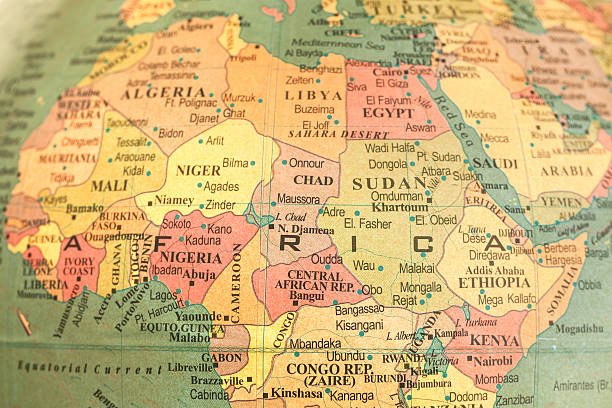
Importing gold from Africa can be a lucrative venture, but it requires thorough understanding of international and local regulations, robust due diligence, and a commitment to ethical sourcing. This comprehensive guide will walk you through the essential steps and considerations to navigate the complex world of gold importation from the African continent.
Understanding the African Gold Market
Africa is a significant global producer of gold, with countries like South Africa, Ghana, Mali, Tanzania, and the Democratic Republic of Congo (DRC) contributing substantially to the world's supply. The gold market in Africa is diverse, ranging from large-scale industrial mining operations to artisanal and small-scale mining (ASM). While large-scale mines often have established export channels, the artisanal sector, though productive, presents unique challenges regarding traceability and regulatory compliance.
When considering to import gold from Africa, it's crucial to understand the origins and methods of extraction. The demand for ethically sourced gold from Africa is growing, prompting buyers to seek transparency in their supply chains. The continent's vast gold reserves make it an attractive source, but importers must approach the market with caution and expertise.
Legal Frameworks and Regulations for Gold Importation
Navigating the legal landscape is paramount when you plan to import gold from Africa legally. Both the exporting African nation and your destination country will have stringent laws governing the trade of precious metals. Failure to comply can lead to severe penalties, including fines, confiscation of goods, and imprisonment.
International Regulations and Due Diligence
- OECD Due Diligence Guidance: While often associated with conflict minerals (tin, tantalum, tungsten, and gold from conflict-affected and high-risk areas), the OECD Due Diligence Guidance for Responsible Supply Chains of Minerals from Conflict-Affected and High-Risk Areas provides a framework that is highly relevant for gold. It emphasizes identifying and assessing risks in the supply chain, designing and implementing strategies to respond to identified risks, carrying out independent third-party audits, and reporting on supply chain due diligence.
- Anti-Money Laundering (AML) and Counter-Terrorist Financing (CTF): Gold is a high-value commodity susceptible to illicit financial flows. Importers must adhere to strict AML/CTF regulations, ensuring all transactions are transparent and legitimate.
National Export Regulations in African Countries
Each African nation has its own specific set of laws regarding gold export. These typically include:
- Export Licenses and Permits: A mandatory requirement for any entity wishing to export gold. These are issued by the relevant government ministries or mining agencies.
- Royalties and Taxes: Exporting gold is subject to government royalties and various taxes, which vary significantly from country to country. Understanding and budgeting for these is essential.
- Assay and Refinement: Gold must be assayed (tested for purity) by accredited laboratories. Some countries may require initial refinement within their borders before export.
- Certificates of Origin: These documents prove where the gold was mined, crucial for customs and proving compliance with ethical sourcing.
Steps to Import Gold From Africa
Importing gold is a multi-step process that demands meticulous planning and execution. Here are the actionable steps to successfully import gold from Africa:
Step 1: Thorough Market Research and Due Diligence
Begin by identifying potential gold-producing countries and understanding their specific mining sectors and export regulations. Research the political stability, economic climate, and regulatory enforcement of your target countries. Due diligence for gold import from Africa is not optional; it's a necessity.
- Identify reputable gold suppliers, licensed dealers, or government-approved cooperatives.
- Verify their legitimacy through company registrations, licenses, and references.
- Investigate the origin of the gold to ensure it is not linked to conflict, child labor, or environmental degradation.
Step 2: Establish Your Legal Import Entity and Obtain Licenses
In your home country, ensure your business is legally registered to engage in the importation of precious metals. This often involves specific import licenses, permits, and adherence to financial regulations regarding high-value transactions. Consult with legal experts specializing in international trade and precious metals.
Step 3: Finding Reliable Gold Suppliers in Africa
This is arguably the most critical step. Directly engaging with licensed and verified gold dealers or reputable mining companies is vital. Avoid unsolicited offers or deals that seem too good to be true, as these are often indicative of fraudulent schemes. Reputable suppliers will have:
- Proper export licenses from their government.
- Ability to provide assay reports from recognized laboratories.
- Clear documentation of the gold's origin (traceability).
- A history of legitimate transactions and references.
Many first-time importers fail at this stage by falling victim to scams involving fake gold or non-existent suppliers. Building strong, verifiable relationships is key.
Step 4: Contract Negotiation and Terms of Trade
Once a reliable supplier is identified, a comprehensive and legally binding contract is essential. This contract should clearly outline:
- Quantity and Quality: Exact weight and purity (e.g., 24 karat, 99.99% pure).
- Price: Agreed price, usually based on international spot prices with agreed premiums or discounts.
- Payment Terms: Secure payment mechanisms such as Letters of Credit (LC), escrow services, or bank transfers through legitimate channels. Avoid upfront cash payments.
- Delivery Terms (Incoterms): Clearly define responsibilities for shipping, insurance, and customs at various stages (e.g., FOB, CIF).
- Governing Law and Dispute Resolution: Which country's laws will govern the contract and how disputes will be resolved (e.g., arbitration).
Step 5: Secure Funding and Payment Mechanisms
For high-value transactions like gold import, secure payment methods are crucial. A Letter of Credit (LC) is often preferred, offering protection to both buyer and seller. The buyer's bank guarantees payment to the seller's bank upon fulfillment of specified conditions (e.g., presentation of export documents). Escrow services can also provide a layer of security.
Step 6: Export Documentation and Permits in Africa
The supplier is responsible for obtaining the necessary export documents from their government. As the importer, you must verify the authenticity of these documents before finalizing payment. Key documents include:
- Official government gold export permit from Africa.
- Certificate of Origin.
- Assay Report detailing purity and weight.
- Commercial Invoice.
- Packing List.
- Customs declaration forms.
- Security clearance documents.
Step 7: Logistics and Secure Transportation of Gold
Transporting gold requires specialized logistics due to its high value and security risks. Engage reputable, insured logistics companies that specialize in high-value cargo. This typically involves:
- Armored Transport: For ground transport within the exporting country and potentially the importing country.
- Air Cargo: Shipping gold by air is common, using secure cargo services.
- Insurance: Comprehensive 'all-risk' insurance covering transit from the point of origin to your final destination is non-negotiable.
- Security Escorts: Depending on the region and value, security escorts may be necessary.
The chosen shipping method must comply with international aviation and security regulations.
Step 8: Import Documentation and Customs Clearance in Your Country
Upon arrival in your destination country, you will need to present a different set of documents for customs clearance. These usually include:
- Bill of Lading or Air Waybill.
- Commercial Invoice (from the African supplier).
- Packing List.
- Certificate of Origin (from the African supplier).
- Any specific import licenses or permits required by your government.
- Proof of payment.
- Declaration of conformity (if applicable).
You will be responsible for paying import duties, taxes (such as VAT or sales tax), and customs processing fees. It's advisable to work with an experienced customs broker in your country to ensure a smooth and compliant import process.
Challenges and Risks in Importing Gold from Africa
While opportunities abound, importers must be aware of significant challenges:
- Fraud and Scams: This is a prevalent issue. Fake gold, fraudulent documentation, and non-existent suppliers are common traps.
- Security Risks: Gold is a target for theft. Transportation and storage require high security.
- Regulatory Instability: Laws and regulations in some African countries can change frequently, impacting export procedures and costs.
- Ethical Concerns: The presence of conflict gold, child labor, and environmentally damaging practices in artisanal mining requires rigorous due diligence for responsible sourcing.
- Logistical Hurdles: Infrastructure in some regions can be challenging, affecting timely and secure transport.
Ethical and Responsible Gold Sourcing from Africa
The global market is increasingly demanding ethical gold from Africa. Responsible sourcing involves ensuring that the gold:
- Is not linked to conflict or human rights abuses.
- Has been mined using environmentally sound practices.
- Supports fair labor practices and provides fair wages to miners.
- Contributes positively to the local communities from which it originates.
Engaging with initiatives like the Responsible Jewellery Council (RJC) or other industry standards can help ensure your supply chain meets global ethical benchmarks. Supporting formalization efforts for artisanal miners can also contribute to more responsible practices.
Key African Gold Exporting Countries to Consider
While opportunities exist across the continent, certain countries have more established gold export infrastructures:
| Country | Key Considerations for Import |
|---|---|
| Ghana | Well-established mining sector, both large-scale and artisanal. Strong government oversight. Requires specific export licenses. |
| Tanzania | Significant gold producer. Government regulations have tightened to ensure local value addition and control over exports. |
| Mali | Major producer in West Africa. Political stability can be a concern, requiring heightened due diligence on the ground. |
| Burkina Faso | Growing gold sector. Similar considerations to Mali regarding regional stability and robust verification of sources. |
| South Africa | Historically the largest producer, known for deep-level mining. Established export infrastructure and strict regulations. |
Conclusion
Importing gold from Africa presents a significant opportunity for businesses and investors, but it is not a venture to be undertaken lightly. Success hinges on a deep understanding of the market, rigorous adherence to international and local laws, meticulous due diligence on suppliers, and a steadfast commitment to ethical and responsible sourcing. By following a structured approach, prioritizing verification at every step, and partnering with credible experts, you can establish a legitimate and sustainable supply chain for importing gold from Africa, ensuring both profitability and peace of mind.
Enjoyed this read?
Share it with your friends and colleagues.