Is There A 1St World Country In Africa

BSC Insights Admin
September 30, 2026
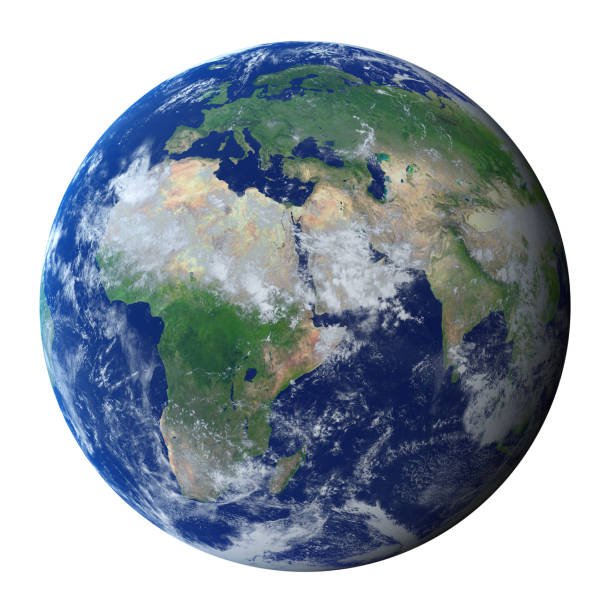
The question, “Is there a 1st World country in Africa?” often arises from a historical understanding of geopolitical classifications that are now largely obsolete. While no African nation is formally classified as “First World” in its original Cold War sense, several are highly developed and boast significant progress across various contemporary metrics of human and economic development. These nations demonstrate high living standards, robust infrastructure, and strong human development indicators, challenging outdated notions and showcasing Africa's dynamic evolution.
Deconstructing "First World": A Shifting Definition
The term "First World" originated during the Cold War era to categorize countries aligned with the United States and its capitalist-democratic ideology. It stood in contrast to the "Second World" (communist states led by the Soviet Union) and the "Third World" (non-aligned or developing nations). This political and ideological framework is no longer relevant in today's global landscape. Modern discourse has shifted away from these Cold War classifications, preferring terms like "developed countries", "developing countries", and "least developed countries" to describe economic and social progress.
When people ask about a "First World" country today, they are typically inquiring about nations that exhibit characteristics such as:
- High levels of economic prosperity and diversified economies.
- Robust infrastructure, including modern transportation, communication, and energy systems.
- High Human Development Index (HDI) scores, indicating strong performance in life expectancy, education, and standard of living.
- Stable political systems, rule of law, and low corruption.
- Advanced healthcare and education systems, with universal access and high quality.
- Technological advancement and innovation.
Therefore, to answer the question accurately, we must reframe it to identify developed countries in Africa or those nearing this status based on current global standards.
Key Indicators of a Developed Nation in the African Context
Understanding which African nations are most advanced requires looking beyond historical labels to concrete development indicators. Here are the primary metrics used:
Economic Prosperity and Diversification
A hallmark of a developed nation is a strong, diversified economy. This typically means a high Gross Domestic Product (GDP) per capita, low poverty rates, and an economy not solely reliant on raw material exports. Diversification into manufacturing, services, and technology sectors indicates a resilient and advanced economy.
Human Development Index (HDI)
The Human Development Index (HDI), published by the United Nations Development Programme (UNDP), is a composite statistic of life expectancy, education (mean and expected years of schooling), and per capita income indicators. Countries with an HDI of 0.800 or above are generally considered to have "very high human development", aligning with what might be considered "developed" status.
Infrastructure Quality
Modern and reliable infrastructure is crucial. This includes:
- Transportation networks: Well-maintained roads, efficient airports, and modern ports.
- Energy access: Reliable electricity supply and renewable energy initiatives.
- Communication: High internet penetration, widespread mobile connectivity, and digital literacy.
- Sanitation and Water: Access to clean drinking water and effective waste management systems.
Governance and Stability
Strong institutions, democratic governance, respect for the rule of law, low levels of corruption, and political stability are fundamental to sustained development. These factors attract investment and ensure effective resource management.
Healthcare and Education Systems
Access to quality healthcare services, high life expectancy, low infant mortality rates, high literacy rates, and accessible, quality education for all citizens are non-negotiable aspects of a developed society.
Africa's Leading Nations in Development: A Closer Look
While no African country is classified as "First World" in the traditional sense, several stand out for their advanced development across various indicators. These nations are often cited as Africa's most developed countries.
Mauritius
Often considered Africa's most developed nation, Mauritius consistently ranks high on the HDI. Its economy is diversified, strong in tourism, financial services, and textiles. Mauritius boasts a stable democratic government, excellent infrastructure, and a relatively high GDP per capita. The nation has invested heavily in education and healthcare, leading to a high quality of life for its citizens. Its commitment to good governance and ease of doing business makes it a regional leader.
Seychelles
With one of the highest GDP per capita rates in Africa, Seychelles thrives on high-end tourism and its fishing industry. Like Mauritius, it has a very high HDI, reflecting strong performance in health and education. The island nation benefits from political stability and a strategic focus on sustainable development, though its small population size and reliance on a single industry present unique challenges and opportunities.
Botswana
Botswana is celebrated for its stable democracy, prudent management of diamond wealth, and commitment to good governance. Unlike many resource-rich nations, Botswana has largely avoided the "resource curse," investing its profits into infrastructure, education, and healthcare. It has a relatively high HDI and a growing middle class, making it a model for sustainable economic development in Africa, despite its challenges in diversifying beyond mining.
South Africa
As the continent's most industrialized and diversified economy, South Africa possesses significant infrastructure, advanced financial systems, and a well-developed manufacturing sector. It has strong democratic institutions and a vibrant civil society. However, despite its economic prowess and relatively high HDI, South Africa faces profound challenges, including extreme income inequality, high unemployment, and significant social disparities that prevent it from being unequivocally labeled as "developed" by some standards.
Other Nations Showing Significant Progress
- Gabon: Benefits from oil wealth, leading to a high GDP per capita and investment in infrastructure, though economic diversification remains a challenge.
- Equatorial Guinea: Also rich in oil, with a very high GDP per capita, but faces significant governance and human rights concerns that impact overall development quality.
- Namibia: Known for its political stability, good governance, and a relatively high HDI for the region, largely due to mining and tourism.
- Ghana: A stable democracy with a growing economy driven by oil, cocoa, and gold. It has made significant strides in poverty reduction and improving human development indicators.
- Rwanda: Has demonstrated remarkable post-conflict recovery and economic growth, with significant improvements in governance, healthcare, and technology adoption, positioning it as a rapidly developing nation.
Challenges to Widespread Development in Africa
Despite the progress in many areas, the African continent still grapples with several systemic challenges that hinder broader and more equitable development:
- Legacy of Colonialism and Conflict: Historical factors have left many nations with weak institutions and fragmented economies. Ongoing conflicts and political instability continue to disrupt development efforts.
- Governance Issues: Corruption, lack of transparency, and weak rule of law deter investment and misallocate resources, impacting public services.
- Economic Over-reliance: Many African economies remain heavily dependent on the export of raw materials, making them vulnerable to global commodity price fluctuations. Lack of industrialization and value addition limits job creation.
- Infrastructure Deficits: Significant gaps exist in critical infrastructure like power, transportation, and digital connectivity, hindering economic activity and social progress.
- Healthcare and Education Gaps: While improving, many countries still struggle with access to quality healthcare, high disease burdens, and insufficient educational opportunities, particularly in rural areas.
- Climate Change: African nations are disproportionately affected by climate change, experiencing droughts, floods, and extreme weather events that threaten food security and economic stability.
- Rapid Population Growth: While a youthful population can be a dividend, rapid growth without corresponding job creation and service provision can strain resources and perpetuate poverty.
Pathways to Sustainable Development in Africa
The continent's trajectory towards greater development is underpinned by several strategic approaches:
Good Governance and Institutional Strengthening
Fostering transparency, accountability, anti-corruption measures, and democratic institutions is paramount. This ensures effective resource management, attracts foreign investment, and builds public trust.
Economic Diversification and Value Addition
Shifting from raw material exports to manufacturing, processing, and services is crucial. This creates higher-value jobs, stimulates innovation, and builds more resilient economies. Investing in sectors like tech, renewable energy, and agro-processing can unlock new growth engines.
Investment in Human Capital
Prioritizing education, vocational training, and quality healthcare is essential. A healthy, educated, and skilled workforce is the foundation for economic growth and social progress. This includes digital literacy and STEM education.
Infrastructure Development
Strategic investments in energy (especially renewables), transportation networks (roads, rail, ports), and digital infrastructure (broadband, 5G) are vital to connect markets, reduce costs, and facilitate economic activity.
Regional Integration and Trade
Initiatives like the African Continental Free Trade Area (AfCFTA) aim to create a single market for goods and services, fostering intra-African trade, industrialization, and economic growth. Regional cooperation can also address cross-border challenges.
Sustainable Practices and Climate Resilience
Adopting green technologies, investing in renewable energy, and implementing climate-resilient agricultural practices are crucial for sustainable development and protecting vulnerable populations from environmental shocks.
Leveraging Technology and Innovation
Africa has demonstrated its capacity for technological leapfrogging, particularly in mobile banking and digital services. Continued investment in innovation hubs, tech startups, and digital transformation can drive economic growth and improve service delivery.
Is Africa the "Next Frontier" for Development?
The narrative around Africa is increasingly shifting from one of challenges to one of immense opportunity and growth. Several factors point to Africa's potential as the next frontier for development:
- Demographic Dividend: Africa has the world's youngest population, offering a vast and dynamic workforce for decades to come, provided they are educated and employed.
- Untapped Resources: Beyond traditional mineral wealth, Africa has vast agricultural land, renewable energy potential (solar, wind, hydro), and rich biodiversity.
- Growing Middle Class: An expanding middle class across the continent is driving domestic consumption and creating new markets.
- Technological Adoption: High mobile phone penetration and innovation in fintech and e-commerce are transforming economies and connecting people.
- Increased Investment: Both foreign direct investment and intra-African investment are growing, signaling confidence in the continent's economic prospects.
- Pan-African Vision: Strong political will through organizations like the African Union and initiatives like AfCFTA are fostering collective progress and integration.
While the continent faces complex obstacles, the commitment to reform, innovation, and sustainable practices by many African governments and populations offers a hopeful vision for the future.
Conclusion
In conclusion, while the term "1st World country" is an outdated and largely unhelpful classification, several African nations are undeniably making significant strides towards becoming developed economies. Countries like Mauritius, Seychelles, Botswana, and South Africa exemplify strong economic performance, high human development, and robust infrastructure, challenging old perceptions. The continent as a whole is characterized by immense potential, youthful demographics, and a growing commitment to good governance, economic diversification, and sustainable development. As Africa continues its journey of growth and transformation, the focus remains on enhancing living standards, strengthening institutions, and building resilient economies across the diverse nations that call this vibrant continent home.
Enjoyed this read?
Share it with your friends and colleagues.