Is There Ac In Africa

BSC Insights Admin
October 01, 2026
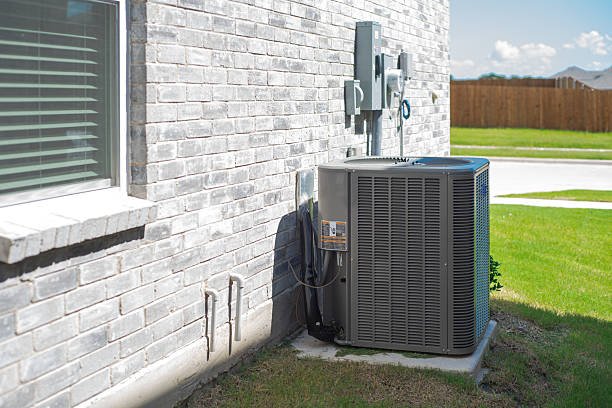
Yes, air conditioning (AC) is indeed present in Africa, but its prevalence and accessibility vary significantly across the continent. While some modern urban centers, commercial establishments, and upscale residential properties boast state-of-the-art cooling systems, many rural areas and lower-income households still rely on traditional or simpler methods to combat the heat. The picture of AC in Africa is complex, influenced by diverse climates, economic development, energy infrastructure, and changing consumer demands.
Understanding Africa's Diverse Climates
To truly grasp the need for air conditioning in Africa, it's essential to understand the continent's vast and varied climatic zones. Africa is not uniformly hot; it experiences a spectrum of weather conditions, each presenting unique cooling challenges.
Equatorial and Tropical Regions
Stretching across the center of Africa, these regions, including countries like Nigeria, Ghana, Gabon, and parts of the Democratic Republic of Congo, experience high temperatures and intense humidity year-round. The combination of heat and moisture makes comfort difficult, driving a significant need for effective cooling solutions, often including air conditioning. The constant warmth means AC is not just for seasonal relief but a daily necessity for many.
Arid and Semi-Arid Zones
The Sahara Desert in the north and the Kalahari Desert in the south exemplify Africa's arid zones. Here, temperatures can soar to extreme highs during the day, often exceeding 40°C (104°F), though humidity is typically low. Countries like Egypt, Sudan, Chad, and Namibia face intense dry heat. In these areas, air conditioning is crucial for comfort and even survival, especially during peak summer months, and can be found in a variety of settings.
Temperate and Highland Climates
Certain parts of Africa, particularly the northern and southern fringes (e.g., Morocco, South Africa's Cape region) and highland areas (e.g., parts of Ethiopia, Kenya), enjoy more temperate climates. These regions might experience distinct seasons, with cooler winters and moderately warm summers. While the need for extensive air conditioning systems might be less pervasive than in tropical or desert areas, AC is still desired for comfort during warmer periods, especially in hotels, offices, and newer residential builds.
The Reality of AC Penetration and Availability
Despite the widespread need for cooling across much of the continent, the penetration of air conditioning in Africa is still relatively low compared to other hot regions globally, such as the Middle East or Southeast Asia. However, this situation is rapidly evolving.
Urban vs. Rural Differences
The starkest difference in AC availability is between urban and rural areas. Major cities like Cairo, Lagos, Johannesburg, Nairobi, and Casablanca are experiencing significant growth in AC adoption. Modern office buildings, shopping malls, luxury hotels, and affluent residential complexes in these cities are almost universally equipped with central or split AC units. In contrast, rural areas, often characterized by lower incomes and less developed infrastructure, rely more on natural ventilation, fans, and traditional architectural designs for cooling.
Economic Factors and Affordability
The cost of purchasing, installing, and running an air conditioning unit remains a significant barrier for many African households and businesses. While the initial investment can be substantial, the ongoing electricity costs are often the primary concern. Electricity prices in many African countries can be high, and supply can be inconsistent, making the continuous use of AC an expensive luxury rather than a standard utility.
Infrastructure Challenges
Reliable electricity supply is paramount for air conditioning. Many regions in Africa still grapple with intermittent power outages and an underdeveloped grid infrastructure. This often necessitates the use of generators, which adds to the overall cost and complexity of operating AC systems. As infrastructure improves, so too does the feasibility of wider AC adoption.
Where You Will Find Air Conditioning in Africa
While not ubiquitous, air conditioning is a standard feature in several key sectors and types of establishments across Africa.
-
Commercial Buildings: Modern office blocks, particularly those housing multinational corporations, banks, and tech companies, are almost always air-conditioned. Shopping malls, supermarkets, and large retail chains also heavily invest in AC to enhance customer comfort.
-
Hotels and Hospitality: From international five-star hotels to mid-range lodges, AC is a standard amenity expected by travelers and often crucial for attracting tourism, especially in hotter climates.
-
High-End Residential Properties: New luxury apartments, villas, and gated communities in affluent urban areas frequently include central or split air conditioning systems as a selling point.
-
Healthcare Facilities: Hospitals, clinics, and medical centers increasingly use air conditioning, not just for patient comfort but also for maintaining sterile environments and protecting sensitive medical equipment. This is a critical area where AC contributes to public health and safety.
-
Data Centers and Industrial Facilities: Specialized environments like data centers, server rooms, and certain industrial plants require precise temperature and humidity control to ensure optimal operation of machinery, making air conditioning indispensable.
-
Transportation: While less common, a growing number of modern public transport vehicles, such as intercity buses, trains, and even some urban taxis, are now equipped with AC, particularly in countries with significant infrastructure investments.
The Growing Air Conditioning Market in Africa
The African air conditioning market is witnessing substantial growth, driven by a confluence of factors that are reshaping demand and supply dynamics.
Key Driving Factors for AC Growth
Several forces are fueling the expansion of the AC market in Africa:
-
Urbanization: Rapid population growth and migration to urban centers are leading to the construction of more modern buildings, commercial spaces, and residential complexes that incorporate AC.
-
Economic Development and Rising Incomes: As economies grow and middle-class incomes increase, more households and businesses can afford the initial investment and running costs of air conditioning.
-
Climate Change: The observable trend of rising global temperatures, often leading to more frequent and intense heatwaves, is increasing the imperative for effective cooling solutions.
-
Modernization and Westernization: There's a growing consumer expectation for modern comforts and amenities, including air conditioning, influenced by global trends and increased exposure to technology.
-
Expansion of Commercial and Industrial Sectors: The development of new business parks, manufacturing facilities, and technology hubs invariably increases the demand for cooling systems.
Emerging Trends in African AC Solutions
The market isn't just growing; it's also evolving, with a focus on more sustainable and efficient technologies:
-
Energy-Efficient AC Units: There's a push towards inverter technology and higher Energy Efficiency Ratio (EER) units to mitigate high electricity costs and reduce environmental impact.
-
Solar-Powered AC: Given abundant sunshine, solar-powered air conditioning systems are gaining traction, especially in areas with unreliable grid access or a desire for off-grid solutions. This helps to reduce reliance on fossil fuels and lower operational costs in the long run.
-
Smart AC and IoT Integration: Connectivity features, allowing remote control and optimization of AC units via smartphones, are becoming more popular, enhancing convenience and energy management.
-
Hybrid Cooling Systems: Combinations of traditional AC with passive cooling techniques or evaporative coolers are being explored to offer more cost-effective and environmentally friendly solutions.
Alternatives and Traditional Cooling Methods
Where modern air conditioning is unavailable or uneconomical, people in Africa have long employed and continue to utilize various effective strategies to cope with the heat.
Natural Ventilation and Architectural Design
Traditional African architecture often incorporates ingenious passive cooling techniques. Features like high ceilings, thick walls (made from earth or stone), courtyards, strategic window placement for cross-ventilation, and shaded verandas are common. These designs minimize direct sun exposure and maximize airflow, naturally regulating indoor temperatures.
Evaporative Coolers (Desert Coolers)
In arid regions, evaporative coolers, which cool air by evaporating water, are a popular and energy-efficient alternative to refrigerated AC. They are much cheaper to run and effective in dry climates, though less so in humid areas.
Fans
Simple electric fans – ceiling fans, standing fans, and desk fans – remain widely used across all income levels and regions. While they don't cool the air, they create a wind-chill effect that provides significant relief from heat, especially when combined with good ventilation.
Water-Based Cooling
Taking cold showers, frequent bathing, and spending time near natural water bodies or man-made pools are common personal cooling strategies. Sprinkling water on floors or roofs can also provide a temporary cooling effect.
Challenges and Opportunities for AC in Africa
The expansion of air conditioning in Africa presents both significant challenges and vast opportunities.
Energy Consumption and Environmental Impact
A major concern is the potential surge in energy demand. Widespread AC adoption, particularly with less efficient units, could strain already fragile power grids and significantly increase carbon emissions. This highlights the urgent need for energy-efficient AC solutions and investment in renewable energy sources to power them sustainably.
Affordability and Maintenance
Making AC accessible to a broader segment of the population requires addressing both the upfront cost and long-term maintenance expenses. Developing local manufacturing capabilities and offering flexible payment schemes could help. Furthermore, a lack of skilled technicians for installation and repair can hinder adoption and proper functioning.
Integration with Renewable Energy
Africa's abundant solar and wind resources offer a tremendous opportunity to power the growing demand for air conditioning sustainably. Integrating AC systems with off-grid or mini-grid renewable energy solutions, especially in rural or underserved areas, could provide reliable and environmentally friendly cooling.
In conclusion, the question of 'Is there AC in Africa?' can be definitively answered with a 'yes,' but it comes with important nuances. While not universally present, air conditioning is a growing feature in urban, commercial, and affluent sectors across the continent, driven by economic development, urbanization, and increasingly warm climates. The future of cooling in Africa will likely see a blend of traditional methods, conventional AC, and innovative, sustainable solutions that address the continent's unique environmental and economic realities, balancing the need for comfort with energy efficiency and environmental responsibility.
Enjoyed this read?
Share it with your friends and colleagues.