Is There Cactus In Africa

BSC Insights Admin
October 01, 2026
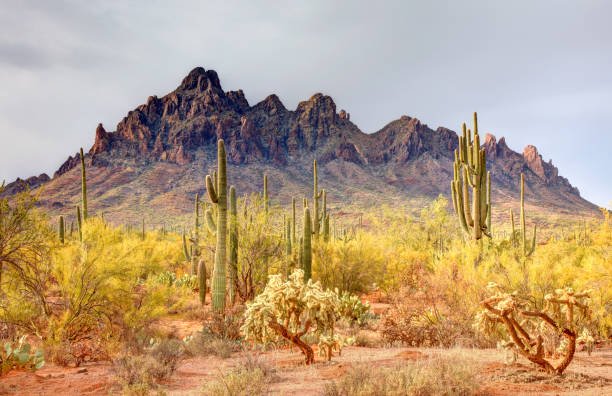
Is There Cactus In Africa? Unpacking the Continent's Spiky Secrets
Yes, there is cactus in Africa, but with a crucial distinction: while many plants resembling cacti thrive across the continent's arid landscapes, very few true cactus species (those belonging to the Cactaceae family) are native to Africa. The vast majority of cacti found in Africa today, particularly the widespread prickly pear (Opuntia species), were introduced from the Americas, often becoming invasive. Africa is, however, incredibly rich in its own unique succulent flora, such as various species of Euphorbia and Aloe, which have evolved convergently to adapt to similar harsh conditions.
This article will delve into the fascinating presence of cactus in Africa, differentiating between the introduced true cacti and Africa's own incredible native succulents. We'll explore their history, ecological impacts, and the remarkable adaptations that allow these plants to flourish in some of the world's harshest environments, providing a comprehensive understanding of African desert plants.
The Arrival of True Cacti (Cactaceae) in Africa: An American Import
To truly answer the question, "Is there cactus in Africa?", it's essential to understand the botanical origins of the Cactaceae family. True cacti are almost exclusively indigenous to the Americas, spanning from Patagonia to southern Canada. Their arrival in Africa is a story of human migration, trade, and colonial influence, primarily beginning in the 15th and 16th centuries.
How did cacti get to Africa? Spanish and Portuguese explorers and traders, returning from the New World, brought back various species, including the resilient prickly pear cactus. These plants were initially introduced for their edible fruits, as ornamental curiosities, or sometimes as natural fencing. Their robust nature and ability to thrive in dry, poor soils made them ideal candidates for introduction into many parts of Africa with similar climatic conditions to their native habitats.
The Proliferation of Prickly Pear (Opuntia spp.)
Among the introduced cacti, the genus Opuntia, commonly known as prickly pear or mission cactus, is by far the most widespread and recognized in Africa. Species like Opuntia ficus-indica (Indian fig prickly pear) have become ubiquitous across vast stretches of North, East, and Southern Africa. While providing valuable resources, their rapid spread has led to significant ecological challenges.
The uses of prickly pear are diverse:
- Food Source: The fruits (tunas) are consumed by humans, and the pads (nopales) are eaten as vegetables.
- Animal Fodder: The pads provide a vital source of moisture and nutrients for livestock in arid regions, especially during droughts.
- Natural Fences: Their formidable spines make them excellent living fences, deterring both humans and animals.
- Soil Stabilization: They can help prevent soil erosion in degraded areas.
Despite these benefits, the invasive cactus in Africa, particularly Opuntia, has created significant environmental problems, which we will explore further.
Africa's Native Succulents: The Master Mimics and True Survivors
While true cacti are largely imports, Africa boasts an extraordinary diversity of native succulent plants that have independently evolved to resemble cacti. This phenomenon is known as convergent evolution, where unrelated species develop similar traits due to adapting to similar environmental pressures – in this case, arid or semi-arid conditions requiring water storage and protection from herbivores.
The Dominance of Euphorbia in Africa
The genus Euphorbia, part of the Euphorbiaceae family, is Africa's most prominent example of a cactus-like succulent. Many African Euphorbia species share striking similarities with cacti, featuring:
- Fleshy, often columnar or globular stems.
- Spines, which are modified stipules rather than true spines arising from areoles.
- A waxy cuticle to reduce water loss.
However, a key distinguishing feature of Euphorbia is its production of a milky, often toxic, latex sap when cut. True cacti do not produce this sap.
Notable African Euphorbia species include:
- Euphorbia ingens (Candelabra Tree): A large, tree-like succulent resembling a giant cactus, forming distinctive silhouettes in the African landscape.
- Euphorbia obesa (Baseball Plant): A spherical succulent native to the Karoo region of South Africa, highly prized by collectors.
- Euphorbia tirucalli (Pencil Cactus): A shrub-like succulent with numerous pencil-thin stems, often used as hedging.
These native African succulents demonstrate the continent's unique botanical heritage, often confused with cacti by the untrained eye.
Other Iconic African Succulents
Beyond Euphorbia, Africa is home to a multitude of other succulent families that thrive in its diverse climates:
- Aloes (Aloe spp.): From the tiny grass aloes to the towering tree aloes like Aloe dichotoma (Quiver Tree), these plants are iconic to Southern and East Africa. They are characterized by fleshy, rosette-forming leaves, often with serrated margins, and vibrant flower spikes. Many have medicinal properties.
- Stapeliads (Apocynaceae subfamily Asclepiadoideae): Genera like Hoodia, Stapelia, and Huernia feature fleshy, often ribbed stems that can appear very cactus-like. They are famous for their unique, often foul-smelling flowers that attract flies for pollination.
- Crassulaceae Family: This large family includes popular genera like Crassula (e.g., Jade Plant), Cotyledon, and Kalanchoe, many of which are native to Southern Africa and Madagascar. They exhibit a wide range of forms, from small groundcovers to larger shrubs.
- Mesembryanthemaceae (Aizoaceae Family): Often called "Vygies" in South Africa, this family includes a stunning array of plants adapted to extreme aridity, such as stone plants (Lithops) and ice plants. They are renowned for their highly succulent leaves and often vibrant, daisy-like flowers.
These examples highlight the extraordinary biodiversity of succulent plants in Africa, many of which are specifically adapted to the arid and semi-arid regions of the continent, from the Namib Desert to the Horn of Africa.
Ecological Impact of Invasive Cacti in Africa
While some introduced cacti provide benefits, their rapid, uncontrolled spread has led to severe ecological and economic consequences across many African countries. The term "invasive cactus Africa" is widely recognized in conservation circles.
Key impacts include:
- Biodiversity Loss: Invasive cacti outcompete native plant species for water, nutrients, and sunlight, leading to a reduction in local biodiversity. They can alter entire ecosystems, displacing indigenous flora and fauna.
- Agricultural Pests: Dense stands of prickly pear can render vast tracts of grazing land unusable for livestock, causing economic hardship for farmers. The spines can injure animals, making them difficult to handle and reducing their market value.
- Habitat Degradation: The dense, impenetrable thickets formed by invasive cacti can disrupt natural water flow, increase soil erosion in certain conditions, and prevent the regeneration of native vegetation.
- Human Health Concerns: The glochids (tiny, barbed spines) of prickly pear can cause severe irritation and infections in humans and animals upon contact.
Controlling these non-native cactus Africa populations is a significant challenge, often requiring integrated management strategies involving biological control (using specific insects or pathogens that prey on the cactus), chemical herbicides, and mechanical removal efforts.
Cultivation and Uses of Cacti and Succulents in Africa
Beyond their wild presence, both native and introduced succulent plants play various roles in African societies and economies.
Ornamental Gardening and Horticulture
Many African succulents, particularly Euphorbia, Aloe, and members of the Crassulaceae family, are highly valued in ornamental horticulture both within Africa and globally. Their drought tolerance, unique forms, and often beautiful flowers make them popular choices for rock gardens, xeriscaping, and indoor cultivation. Even some introduced cacti are grown ornamentally in controlled environments.
Economic and Traditional Uses
- Food and Drink: As mentioned, the fruits of Opuntia ficus-indica are a valuable food source in many regions. Local communities also utilize certain native succulents; for instance, some Aloe species are used in traditional medicine for their healing and soothing properties.
- Medicinal Applications: Numerous native African succulents have long histories of use in traditional medicine. Aloe vera (though its native range is debated, it's widely cultivated in Africa) is famous for its dermatological and digestive benefits. Other species are used for a range of ailments.
- Crafts and Rituals: Some succulent plants hold cultural significance, featuring in local crafts, rituals, or serving as symbols in various communities.
The economic potential of sustainably managed African succulent plants is gaining recognition, leading to efforts in cultivation and ethical harvesting, particularly for the pharmaceutical and cosmetic industries.
Key Differences: True Cactus vs. African Succulents (e.g., Euphorbia)
Understanding the distinction between true cacti and their African look-alikes is fundamental for botany enthusiasts and crucial for addressing the question "is there cactus in Africa?" accurately. Here's a comparative overview:
| Feature | True Cactus (Cactaceae) | African Succulents (e.g., Euphorbia) |
|---|---|---|
| Native Range | Almost exclusively Americas | Globally distributed, Africa is a major center for many succulent families |
| Areoles | Present: Small, cushion-like structures from which spines, flowers, and branches emerge. A defining feature. | Absent: Spines, if present, arise directly from the epidermis or from modified stipules. |
| Spines | Usually multiple per areole, often sharp and barbed (glochids). | Varied; can be present (modified stipules) or absent. Not associated with areoles. |
| Sap (Latex) | Clear, watery sap, or no sap. | Often present: Milky, sticky, and frequently toxic latex sap when cut. |
| Flowers | Variable, often large and showy, typically with numerous petals and stamens. Unique internal structure. | Highly variable; Euphorbia flowers are very small and complex, grouped into structures called cyathia. |
| Leaves | Mostly reduced to spines; some primitive species have small, fleshy leaves. | Highly variable; can have persistent leaves (e.g., Aloe) or greatly reduced leaves (e.g., some Euphorbias). |
This table clearly illustrates why many African desert plants that appear to be cacti are, in fact, entirely different botanical entities, a result of thousands of years of parallel evolution.
The Rich Biodiversity of African Deserts and Arid Regions
Africa's deserts and semi-arid regions are not barren wastelands but vibrant ecosystems teeming with life, including an astonishing array of unique flora adapted to extreme conditions. The presence of cactus in Africa, whether native or introduced, is but one facet of this larger story.
Regions such as the Karoo and Namaqualand in South Africa, the Namib Desert along the southwestern coast, and the drylands of the Horn of Africa (e.g., Somalia, Ethiopia) are biodiversity hotspots for succulents. These areas host thousands of endemic species, many of which are critically endangered due to habitat loss and climate change.
Understanding and conserving these indigenous cactus Africa-look-alikes and other succulents is vital. They play crucial roles in their ecosystems, providing food and shelter for wildlife, stabilizing soils, and contributing to the unique character of the African landscape.
Conclusion
In summary, the answer to "Is there cactus in Africa?" is a nuanced yes. True cacti, belonging to the Cactaceae family, are primarily introduced species from the Americas, with the prickly pear (*Opuntia*) being the most prominent and often invasive example. However, Africa is a continent incredibly rich in its own diverse and fascinating native succulent flora, such as various species of Euphorbia, Aloe, and many others, which have independently evolved striking similarities to cacti. These African desert plants showcase remarkable adaptations to arid environments and represent a unique botanical heritage that deserves recognition and protection, far beyond the common misconception that all spiky desert plants are true cacti.
Enjoyed this read?
Share it with your friends and colleagues.