Islands Found In Africa

BSC Insights Admin
September 30, 2026
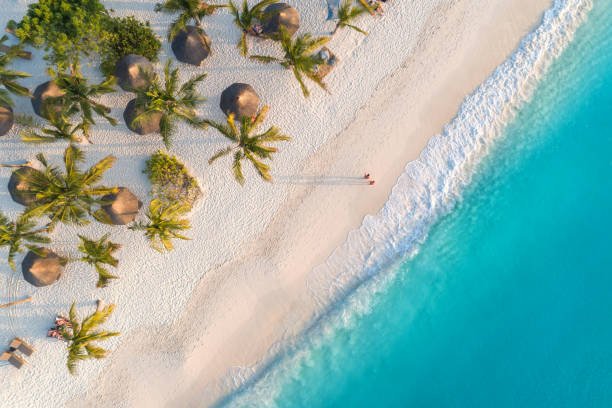
Yes, numerous captivating and diverse islands are found in Africa, ranging from independent island nations to stunning territories. These islands are scattered across both the vast Indian Ocean and the expansive Atlantic Ocean, each offering a unique blend of natural beauty, rich history, and vibrant cultures that make them remarkable destinations for travelers and crucial ecosystems globally.
Africa, a continent renowned for its immense landmass and diverse ecosystems, is also home to an extraordinary collection of islands that often surprise those unfamiliar with its geography. These insular havens serve as crucial biodiversity hotspots, cultural melting pots, and increasingly, popular tourist destinations. From the ancient volcanic formations in the Atlantic to the coral-fringed paradises of the Indian Ocean, the African continent's islands present a mosaic of experiences and natural wonders waiting to be explored.
The Allure and Significance of Africa's Island Nations
The islands found in Africa are more than just geographical features; they are vibrant microcosms with distinct identities. Their isolation has led to the evolution of unique flora and fauna, many of which are endemic and found nowhere else on Earth. This makes them invaluable for scientific research and conservation efforts. Beyond their ecological significance, these islands boast rich histories, often shaped by trade, colonization, and cultural exchange, resulting in a fascinating blend of traditions, languages, and cuisines.
For centuries, these islands have played pivotal roles in global maritime routes, serving as vital trading posts between Africa, Asia, and Europe. Today, they are increasingly recognized for their immense potential in sustainable tourism, offering everything from pristine beaches and world-class diving spots to challenging hiking trails and opportunities for cultural immersion. Exploring these African island destinations provides a deeper understanding of the continent's broader environmental and cultural tapestry.
Indian Ocean Gems: East African Islands
The Indian Ocean side of Africa is particularly rich with stunning island nations and territories, famous for their sapphire waters, white sandy beaches, and incredible biodiversity. These islands are often synonymous with luxury, adventure, and unparalleled natural beauty.
Madagascar: The Great Red Island
As the fourth-largest island in the world, Madagascar is arguably the most famous among the islands found in Africa. Located off the southeastern coast of mainland Africa, it is a country of extraordinary biological diversity, with over 90% of its wildlife found nowhere else on Earth. Its most iconic inhabitants are the lemurs, alongside a spectacular array of chameleons, geckos, and unique plant species like the baobab trees.
Madagascar's landscapes are incredibly varied, ranging from lush rainforests and dry deciduous forests to spiny deserts and pristine coral reefs. The culture is equally rich, influenced by Southeast Asian, African, and French heritage. Destinations like Tsingy de Bemaraha National Park, Avenue of the Baobabs, and the idyllic beaches of Nosy Be are major draws for those seeking adventure and natural wonders.
Mauritius: The Star and Key of the Indian Ocean
Mauritius is a volcanic island nation renowned for its pristine beaches, clear lagoons, and reefs. Located east of Madagascar, it is a melting pot of cultures, including Indian, African, Chinese, and European influences, reflected in its vibrant cuisine, festivals, and architecture. This African island nation is a prime example of successful tourism and economic development, offering everything from luxury resorts to adventurous water sports.
The island is also home to rare wildlife, although famously, it was once the habitat of the now-extinct Dodo bird. Attractions include the Black River Gorges National Park, the Seven Colored Earths of Chamarel, and the bustling capital of Port Louis. Mauritius is consistently ranked as one of the best African island destinations for holidays, appealing to honeymooners, families, and adventure seekers alike.
Seychelles: Paradise on Earth
An archipelago of 115 islands in the Indian Ocean, Seychelles is celebrated for its stunning natural beauty, comprising both granitic and coral islands. It is often cited as a true tropical paradise, famous for its giant Aldabra tortoises, coco de mer palm trees (which produce the world's largest seed), and some of the most beautiful beaches globally, such as Anse Lazio and Anse Source d'Argent.
Seychelles places a strong emphasis on conservation, with many of its islands designated as marine national parks or nature reserves. It offers a tranquil escape, focusing on ecotourism, diving, and sailing. The main islands of Mahé, Praslin, and La Digue provide a blend of luxurious accommodations and opportunities to explore unspoiled nature, making it a dream among the Indian Ocean islands near Africa.
Comoros: The Perfume Isles
The Comoros, an archipelago of volcanic islands situated between Madagascar and Mozambique, is one of the lesser-known but equally enchanting islands found in Africa. Known as the 'Perfume Isles' due to its production of aromatic plants like ylang-ylang, vanilla, and cloves, Comoros offers a rich, uncommercialized travel experience.
Its rugged landscapes, active volcanoes (like Mount Karthala), and remote beaches provide a serene environment for intrepid travelers. The culture is a fascinating blend of African, Arab, and Malagasy influences, evident in its language, cuisine, and Islamic heritage. Comoros provides a truly authentic encounter with untouched nature and traditional island life.
Zanzibar (Tanzania): The Spice Island
While not an independent nation, Zanzibar is a semi-autonomous archipelago off the coast of Tanzania and one of the most historically significant islands in East Africa. Comprising two main islands, Unguja (commonly referred to as Zanzibar Island) and Pemba, it has a rich history as a trading hub, particularly for spices and slaves. Its capital, Stone Town, is a UNESCO World Heritage site, famous for its labyrinthine alleys, carved wooden doors, and bustling bazaars.
Zanzibar is synonymous with spice tours, showing visitors the plantations of cloves, nutmeg, cinnamon, and vanilla that historically made the island prosperous. Its turquoise waters, coral reefs, and vibrant marine life make it a popular destination for diving, snorkeling, and relaxing on idyllic beaches. Zanzibar truly represents the historical and cultural depth among the African island territories.
Reunion (France): Intense Island
Located in the Indian Ocean, east of Madagascar, Reunion is an overseas department and region of France. This volcanic island is a land of dramatic contrasts, featuring an active volcano, Piton de la Fournaise, lush rainforests, and stunning cirques (natural amphitheatres). Its landscapes are ideal for hiking, canyoning, and exploring diverse ecosystems.
Reunion's unique blend of French and Creole cultures, coupled with its breathtaking natural beauty, offers a distinct European-African island experience. While not an independent African nation, its proximity and geological features firmly place it within the context of African island geography.
Atlantic Ocean Treasures: West African Islands
The Atlantic Ocean also hosts several significant islands found in Africa, characterized by their volcanic origins, unique cultures, and often, a vibrant musical heritage. These islands offer a different kind of charm, distinct from their Indian Ocean counterparts.
Cape Verde: The Archipelago of Harmony
Cape Verde, an archipelago of ten volcanic islands in the central Atlantic Ocean, off the coast of West Africa, is a nation known for its vibrant Creole culture, soulful music (especially Morna), and stunning diverse landscapes. Each island possesses a unique character, from the sandy beaches of Sal and Boa Vista to the dramatic mountains and fertile valleys of Santo Antão and Santiago.
The islands offer excellent opportunities for hiking, windsurfing, kitesurfing, and deep-sea fishing. Its rich history, influenced by Portuguese colonial rule and African heritage, is reflected in its lively towns and delicious cuisine. Cape Verde is a growing destination for those seeking an active holiday combined with cultural immersion, solidifying its place among prominent West African islands.
São Tomé and Príncipe: The Chocolate Islands
Located in the Gulf of Guinea, São Tomé and Príncipe is Africa's second-smallest country and a true hidden gem among the islands found in Africa. These two main islands, São Tomé and Príncipe, are the peaks of a vast volcanic mountain range and are characterized by lush rainforests, pristine beaches, and rich biodiversity.
Historically known for cocoa and coffee plantations, São Tomé and Príncipe are often called the 'Chocolate Islands.' They offer a tranquil escape, perfect for ecotourism, birdwatching, and exploring untouched nature. The lack of mass tourism provides an authentic and serene experience, allowing visitors to connect deeply with the natural environment and local culture. This African island nation is ideal for those seeking tranquility and natural beauty.
Bioko and Annobón (Equatorial Guinea)
These two islands are part of Equatorial Guinea, a Central African nation. Bioko, the larger of the two, is home to the capital city, Malabo, and features volcanic landscapes, lush rainforests, and diverse wildlife. Annobón is a much smaller, remote island, also of volcanic origin, known for its pristine waters and traditional fishing communities. While less developed for tourism, they represent significant examples of islands belonging to African nations in the Atlantic.
Why Explore Africa's Islands?
The appeal of islands found in Africa extends beyond their visual charm. They offer compelling reasons for exploration:
- Biodiversity Hotspots: Many islands, particularly Madagascar and Seychelles, are critical for global biodiversity, harboring endemic species found nowhere else.
- Cultural Melting Pots: Their histories of trade and migration have created unique cultural fusions, evident in their music, food, and architecture.
- Ecotourism Opportunities: From marine parks to volcanic hikes, these islands offer sustainable travel experiences that connect visitors with nature.
- Luxury and Adventure: Whether seeking five-star resorts or adrenaline-pumping activities like diving and trekking, there's an option for every traveler.
- Historical Significance: Sites like Zanzibar's Stone Town offer a deep dive into centuries of trade and cultural exchange.
Challenges and Conservation Efforts
Despite their beauty, African islands face significant challenges, including the impacts of climate change (sea-level rise, coral bleaching), overfishing, and the pressures of tourism development. However, many island nations and territories are at the forefront of conservation efforts, implementing strict environmental policies, developing marine protected areas, and promoting sustainable tourism practices to protect their fragile ecosystems and unique heritage for future generations. These initiatives are crucial for the long-term viability of these island countries near Africa.
Planning Your African Island Adventure
For those inspired to visit these incredible destinations, here are some tips:
- Best Time to Visit: Generally, the dry season (May to November for Indian Ocean islands, November to May for Atlantic islands) offers the best weather, but this can vary by specific island.
- Visa Requirements: Check specific visa requirements for each country; many offer visa-on-arrival or eVisa options for various nationalities.
- Activities: Research activities available, from diving and snorkeling to hiking, cultural tours, and wildlife spotting.
- Sustainability: Choose eco-friendly accommodations and tour operators to support local conservation efforts and communities.
- Island Hopping: Consider visiting multiple islands within an archipelago (e.g., Seychelles, Cape Verde) to experience diverse landscapes and cultures.
Conclusion
The islands found in Africa are truly some of the world's most spectacular and captivating destinations. From the ancient, unique biodiversity of Madagascar to the luxurious tranquility of Seychelles, the vibrant culture of Cape Verde, and the historical richness of Zanzibar, these islands offer an unparalleled array of experiences. They stand as testaments to the continent's immense natural beauty and cultural diversity. Exploring these African island nations and territories is not just a journey to a beautiful place, but an immersion into unique ecosystems and cultures that continue to thrive at the crossroads of continents and oceans, making them essential destinations for any intrepid traveler.
Enjoyed this read?
Share it with your friends and colleagues.