Did Jamaicans Come From Africa

BSC Insights Admin
October 01, 2026
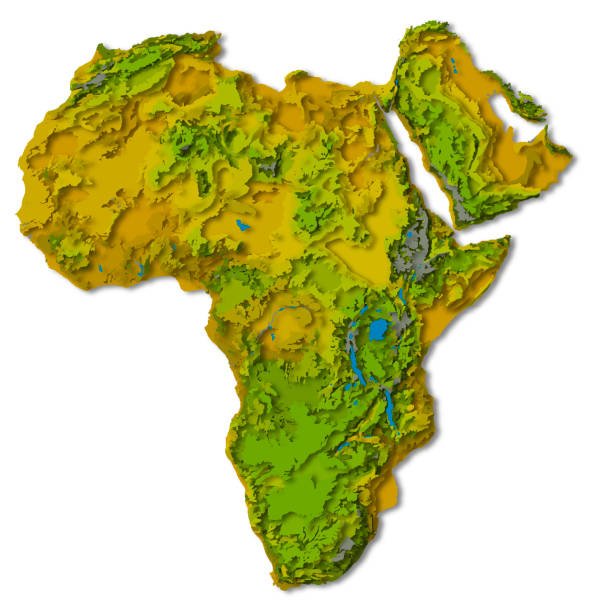
Did Jamaicans Come From Africa? Unraveling the Rich Tapestry of Jamaican Heritage
Yes, a significant majority of Jamaicans trace their ancestral roots directly to Africa, primarily due to the transatlantic slave trade that forcibly brought millions of West and Central Africans to the Caribbean between the 17th and 19th centuries. While African heritage forms the dominant genetic and cultural foundation for most Jamaicans, the island's identity is also enriched by indigenous Taino, European, Asian, and Middle Eastern influences, creating a unique and vibrant cultural mosaic.
Understanding the question "Did Jamaicans come from Africa" requires a deep dive into centuries of history, migration patterns, and cultural fusion. It's a story of forced journeys, resilience, and the birth of a distinct Afro-Caribbean identity shaped by diverse global contributions.
The Transatlantic Slave Trade: The Indelible African Link
The most profound and enduring link between Jamaica and Africa is the transatlantic slave trade. From the 17th century, when the British seized control of Jamaica from the Spanish, the island rapidly transformed into a major sugar colony. This agricultural enterprise was fueled by the brutal system of chattel slavery, which necessitated the mass forced migration from Africa to Jamaica.
Regions of African Origin
Enslaved Africans were forcibly taken from various regions across West and Central Africa. While documentation was often deliberately obscured or lost, historical records and demographic studies indicate a strong presence from:
- Gold Coast (modern-day Ghana): Akan people, known for their strong warrior traditions.
- Slave Coast (modern-day Benin, Nigeria): Yoruba, Igbo, Ewe, and Fon peoples.
- Windward Coast (modern-day Liberia, Sierra Leone): Mende, Temne, and Vai peoples.
- Central Africa (modern-day Congo, Angola): Kongo and Mbundu peoples.
These diverse African ethnic groups brought with them a rich array of languages, spiritual beliefs, musical traditions, and agricultural knowledge, which, despite systematic attempts to eradicate them, profoundly influenced the developing Afro-Jamaican culture.
Life Under Enslavement and the Birth of Resistance
The conditions on the sugar plantations were horrific, marked by extreme violence, dehumanization, and high mortality rates. Despite these atrocities, enslaved Africans in Jamaica developed robust mechanisms of resistance and cultural preservation. They fused fragments of their diverse African traditions with elements encountered in the New World, forging new forms of expression and community.
A prime example of this resilience is the formation of the Maroon communities in Jamaica. Escaped enslaved Africans established independent settlements in the mountainous interiors of the island, fiercely defending their freedom against British forces for decades. The Maroons, with their distinct language, military tactics, and cultural practices largely rooted in their African past, represent a powerful testament to the enduring Jamaican heritage from Africa.
Beyond African Shores: The Diverse Roots of Jamaicans
While the African legacy is foundational, the history of Jamaicans is also a narrative of multiculturalism, shaped by waves of migration and colonization from other parts of the world.
The Indigenous Taino People
Before European arrival, Jamaica was inhabited by the Taino people, an Arawak-speaking indigenous group. They were the island's original inhabitants, skilled farmers and seafarers. Spanish colonization, beginning in 1494, led to their rapid decline due to disease, forced labor, and violence. While their distinct population largely disappeared, their legacy persists in place names (e.g., Jamaica itself, from "Xaymaca" meaning "land of wood and water"), certain food items (e.g., cassava, sweet potato), and a very minor genetic contribution to the modern Jamaican population.
European Influence on Jamaica
European powers, first Spain and then Great Britain, played a crucial role in shaping Jamaican society. The European influence on Jamaica is evident in many aspects of modern life:
- Language: English is the official language, although Jamaican Patois (a Creole language) is widely spoken.
- Legal System: Based on British common law.
- Religion: Predominantly Christian denominations introduced by Europeans.
- Architecture: Vestiges of colonial architecture, especially in historical towns.
- Governance: A parliamentary democracy, inherited from the British.
European planters, administrators, and soldiers also contributed to the island's genetic makeup, albeit to a lesser extent than African ancestors for the majority of the population.
Asian and Middle Eastern Contributions
After the abolition of slavery in 1838, the British sought new sources of labor for the plantations. This led to significant Asian immigration to Jamaica:
- Indian Indentured Laborers: From the mid-19th century, thousands of workers from India arrived, bringing their religions (Hinduism, Islam), cuisine, and cultural practices.
- Chinese Indentured Laborers: Also arriving in the mid-19th century, Chinese immigrants established businesses and significantly influenced Jamaican commerce and cuisine.
Smaller groups of immigrants from the Middle East, particularly Syrians and Lebanese, also arrived, primarily establishing mercantile enterprises. These communities have integrated over generations, adding further layers to the island's demographic and cultural fusion in Jamaica.
Jamaican Genetic Heritage: Scientific Confirmation
Modern genetic studies unequivocally confirm the diverse Jamaican genetic heritage, with a predominant African lineage. DNA analyses consistently show that the majority of Jamaicans possess a high percentage of African ancestry, often ranging from 70% to over 90% in individuals identifying as Black. These studies also reveal varying degrees of European, Indigenous, and Asian ancestry, reflecting the complex historical interactions on the island.
For many, undertaking DNA ancestry tests has become a powerful way to connect with their specific African ethnic origins, often linking them to specific regions like Ghana, Nigeria, or Cameroon, and reinforcing the narrative of the African diaspora in Jamaica.
Cultural Fusion: A Vibrant Expression of Identity
The answer to "Did Jamaicans come from Africa" is not just genetic; it's profoundly cultural. Jamaican culture is a dynamic synthesis, where African retentions are clearly visible, creatively interwoven with European, Indigenous, and Asian influences.
Music and Dance
Jamaican music is world-renowned, and its African roots are undeniable. Genres like Mento, Ska, Rocksteady, Reggae, and Dancehall all draw heavily on West African rhythmic structures, call-and-response patterns, and storytelling traditions. Instruments like drums, particularly the Nyabinghi drums of Rastafarianism, directly link to African percussive heritage. Dance forms, too, exhibit strong African retentions in their movements, expressiveness, and communal aspects.
Language: Jamaican Patois
Jamaican Patois (or Creole) is a vibrant testament to cultural fusion. While its lexicon is primarily derived from English, its grammatical structures, intonation, and many words have strong West African influence on Jamaica. For example, the use of "unu" for "you all" is common in several West African languages, and certain proverbs and idioms reflect African worldviews.
Cuisine
Jamaican food is a delicious blend of global flavors. Iconic dishes like Ackee and Saltfish (the national dish) combine African ackee fruit with European salt fish. Jerk Chicken utilizes indigenous smoking techniques, West African spices, and often European meat preparations. Other staples like callaloo, yams, and plantains have clear African origins, while curried dishes reflect Indian influence and stir-fries, Chinese.
Religion and Spirituality
While mainstream Christianity (introduced by Europeans) is widely practiced, indigenous Jamaican spiritual movements often show clear African spiritual traditions and syncretism:
- Revivalism: Blends Christian liturgy with African drumming, trance, and healing practices.
- Pocomania: An Afro-Christian religion with strong African elements.
- Rastafarianism: A distinct Jamaican spiritual-political movement that emerged in the 20th century, profoundly influenced by African heritage, pan-Africanism, and a strong connection to Ethiopia.
Family Structure and Social Norms
Sociological studies often point to the retention of certain African family structures and social norms within Jamaican society, particularly in rural areas. These include matrifocal tendencies, extended family networks, and communal child-rearing practices, which were adaptive responses to the disruptions of slavery and colonial oppression.
Celebrating Afro-Jamaican Identity Today
The journey from Africa to Jamaica, though born of immense suffering, ultimately forged a people with an incredibly rich and resilient identity. Today, Jamaicans globally celebrate their Afro-Caribbean identity through various forms, including music, art, literature, and active engagement with the African continent. Icons like Marcus Garvey, a pioneer of Pan-Africanism, profoundly influenced the understanding of African heritage and pride among Jamaicans and the wider Black diaspora.
The ongoing connection to Africa is fostered through cultural exchange programs, reggae music festivals that tour Africa, and increasing interest in genealogical research to uncover specific African ancestral links. This continuous dialogue reinforces the deep historical and cultural ties that bind Jamaica to its African origins.
Conclusion
In conclusion, the question "Did Jamaicans come from Africa" is answered with a resounding yes for the vast majority of the population. The African ancestral roots, primarily from West and Central Africa via the transatlantic slave trade, form the bedrock of Jamaican identity. This heritage is profoundly evident in the island's genetics, language, music, cuisine, spiritual practices, and social fabric. However, to fully appreciate the unique character of Jamaica, one must also acknowledge the significant, though secondary, contributions from its indigenous Taino inhabitants, European colonizers, and Asian and Middle Eastern immigrants. It is this extraordinary blending of global cultures, with African heritage at its core, that makes Jamaica a truly vibrant and distinctive nation on the world stage.
Enjoyed this read?
Share it with your friends and colleagues.