Which Country Did Jesus Visit In Africa

BSC Insights Admin
October 01, 2026
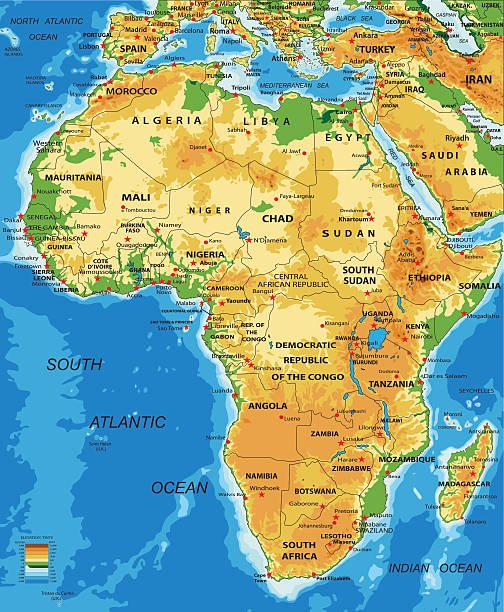
When investigating which country did Jesus visit in Africa, the historical and biblical records point exclusively to the nation of Egypt. According to the Gospel of Matthew, the Holy Family fled to this North African territory to escape the genocidal decree of King Herod the Great. This journey represents a foundational moment in both Christian theology and African history, establishing a deep spiritual connection between the continent and the early life of Christ.
The journey into the land of the Nile was not a mere short trip but a significant period of refuge that lasted for several years. This passage of time allowed the Holy Family to traverse various regions of the country, leaving behind a legacy that is still celebrated by millions of people today.
These are the Countries and Regions associated with Which Country Did Jesus Visit In Africa
The primary focus for anyone exploring this topic is Egypt, as it is the only African nation mentioned in the New Testament as a place of residence for the young Jesus. Within the borders of modern-day Egypt, there is a complex and well-documented route known as the Holy Family Trail, which identifies over twenty-five specific locations where they stayed. These sites have been preserved for two millennia, often marked by ancient churches, monasteries, and natural landmarks that serve as physical evidence of their presence. The duration of their stay is traditionally estimated by biblical scholars and historians to have been approximately three and a half years, covering a distance of nearly two thousand kilometers through deserts and river valleys.
1. The Sinai Peninsula
The entry point for the Holy Family into the African continent was the rugged and arid Sinai Peninsula, a region that has served as a land bridge between Asia and Africa for thousands of years. They likely traveled through the northern coastal route, passing through areas like Pelusium, which was a major port and fortress during the Roman era. The trek across this harsh desert landscape was a test of endurance, especially for a young child and his parents traveling without a large caravan. Historical traditions suggest they moved quickly through this area to avoid Roman patrols that were active along the main trade roads. Today, this region is dotted with small settlements that maintain oral traditions about the passing of the family during their initial escape from Judea. The Sinai remains a symbolic gateway that connects the biblical stories of the Old Testament with the life of Christ in the New Testament.
2. Tell Basta (Ancient Bubastis)
Upon reaching the Nile Delta, one of the first major urban centers the family visited was Tell Basta, known in ancient times as Bubastis. Traditional accounts within the Coptic Church describe a miracle occurring here where the idols in the local pagan temples fell to the ground as the Holy Family entered the city. This event caused significant stir among the local population, forcing the family to seek refuge in a more secluded area on the outskirts of the town. Legend states that Jesus caused a spring of water to gush from the earth to quench their thirst, a site that became a place of healing for future generations. This location highlights the cultural tension between the emerging Christian narrative and the established ancient Egyptian religions of the first century. It remains one of the earliest stops on the trail where the presence of the child began to manifest in supernatural ways according to local lore.
3. Musturud and the Nile Delta
As they moved deeper into the fertile Delta region, the family stopped at Musturud, a town that later became famous for a church dedicated to the Virgin Mary. This site is specifically noted for a well where the infant Jesus was bathed and where his clothes were washed by Mary during their stay. In the Coptic tradition, this location is referred to as Al-Mahamma, which translates to the bathing place, reflecting its domestic and human significance. The Nile Delta provided a much-needed reprieve from the desert heat, offering shade and fresh water that sustained them during their clandestine travels. The lush landscape of this region allowed them to blend in with the local agricultural workers and travelers moving toward the larger cities. Musturud stands as a peaceful reminder of the humble and quiet life the family led while in hiding from the Roman authorities.
4. Wadi El Natrun
The Holy Family eventually crossed the western branch of the Nile into the area known as Wadi El Natrun, which would later become the heart of Christian monasticism in Africa. While the region was a barren salt flat in the first century, it is said that the family rested there, and Jesus blessed the land, prophesying its future spiritual importance. This area is unique because it represents a move away from the populated river banks into the deeper desert for added security. Centuries later, monks established four major monasteries in this valley, including the famous Monastery of Saint Macarius, to honor the ground where Christ once walked. The silence and isolation of Wadi El Natrun provided a safe haven where the family could rest without the immediate fear of discovery. It remains one of the most sacred sites in Egypt, drawing thousands of pilgrims who wish to walk the same desert paths as the Holy Family.
5. Matariyah and the Virgin Mary Tree
One of the most famous stops in the Cairo area is Matariyah, where a very old sycamore tree known as the Virgin Mary Tree still stands today. Tradition holds that the family sought shade under this tree, and a spring of water appeared nearby so that they could drink and wash. It is also believed that an aromatic plant called balsam grew in the spot where Mary threw out the water used to wash Jesus's clothes. This balsam was later used in the preparation of the Holy Myron oil used in church sacraments, linking the visit directly to the liturgical life of the church. The site at Matariyah is one of the few places where a living biological landmark is associated with the 1st-century visit. Thousands of visitors visit this garden every year, seeing it as a symbol of life and protection during the family's long journey through the African heat.
6. Old Cairo and the Babylon Fortress
In the area now known as Coptic Cairo, the family found refuge in a cave that currently lies beneath the Church of Abu Serga, one of the oldest churches in Egypt. This location was strategically significant as it sat near the Roman Babylon Fortress, allowing the family to disappear into the crowded and diverse urban population. The cave served as their home for several weeks, providing a cool and hidden space away from the prying eyes of soldiers and tax collectors. This site is arguably the most visited stop on the Holy Family Trail, as it offers a physical space where people can stand in the very room where the young Jesus slept. The surrounding neighborhood is filled with ancient churches and synagogues, reflecting the multicultural environment of Roman Egypt during the time of Christ. Standing in the crypt of Abu Serga provides a powerful connection to the historical reality of which country did Jesus visit in Africa and the specific city that sheltered him.
7. Maadi and the Nile Voyage
After their stay in the Cairo area, the family moved south to Maadi, which was then a small village on the banks of the Nile. It was at this location that they boarded a small sailboat to begin their journey into Upper Egypt, a move that allowed for faster travel and better avoidance of land-based checkpoints. A very old church now stands on this spot, and in 1976, a large Bible was found floating in the river nearby, open to the passage in Isaiah that says "Blessed be Egypt my people." The church at Maadi features a stone staircase that leads directly down to the river bank, which is traditionally where the family embarked on their boat. This part of the journey highlights the importance of the Nile as a logistical lifeline for the family, just as it was for all Egyptian civilization. The voyage south into the heart of the country signaled their intent to stay for an extended period, moving far beyond the reach of Herod's influence.
8. Gebel El Teir (The Mountain of the Birds)
As the family sailed south, they stopped at Gebel El Teir near the modern city of Samalut, a location where a massive cliff overlooks the Nile. Local tradition states that as they passed by, a large rock began to fall from the cliff, but the infant Jesus stretched out his hand and stopped the rock from crushing their boat. The imprint of his hand is said to have remained on the stone for centuries, giving the mountain its spiritual significance in local folklore. Empress Helena, the mother of Constantine the Great, later built a church on this mountain in the 4th century to commemorate the event. The site offers a breathtaking view of the Nile valley and serves as a reminder of the many natural dangers the family faced during their travels. It remains an active place of worship and a major stop for pilgrims traveling through the Minya Governorate.
9. Al-Muharraq Monastery (Mount Qusqam)
The most important destination of the entire trip was Al-Muharraq Monastery, located on Mount Qusqam, where the Holy Family stayed for over six months. This site is often referred to as the Second Bethlehem because it is the place where they lived for the longest continuous period during their time in Africa. It was here that an angel appeared to Joseph in a dream and told him that King Herod was dead and that it was safe to return to the land of Israel. The altar stone in the ancient church at Al-Muharraq is traditionally said to be the very stone that the young Jesus used as a bed during their stay. This monastery is one of the few in Egypt that is not located in a remote desert, but rather in a fertile area that allowed the family to live amongst the people. The spiritual weight of this location is immense, as it marks the end of their period of exile and the beginning of their return journey.
10. Dronka Cave in Asyut
The final significant stop in the south was the Dronka Cave, situated on a mountain overlooking the city of Asyut. The family sought shelter in this massive limestone cave to avoid the heat and the seasonal flooding of the Nile during their final months in the country. Today, a massive monastery complex has been built around the cave, and it hosts one of the largest annual Christian festivals in Egypt, attracting over a million people every August. The cave itself is enormous, and its cool interior provides a glimpse into the type of natural shelters that would have been essential for travelers in the First Century. From this elevated position, the family could see for miles across the Nile valley, perhaps contemplating their long journey and their eventual return home. The site at Dronka serves as the southern terminus of the Holy Family's journey through Africa before they began their trek back to Nazareth.
Reasons Why These Countries Helped Jesus Survive the Trip in Africa
1. Historical Proximity to Judea: Egypt was the most logical choice for refuge because it was the closest territory outside of King Herod's immediate jurisdiction. The well-established trade routes between the two regions allowed for a relatively quick escape, taking only a few weeks to cross the border. This geographic closeness ensured that the family could reach safety before Herod's soldiers could coordinate a search beyond the borders of Judea.
2. Presence of a Large Jewish Diaspora: During the 1st Century, Egypt was home to a massive Jewish population, particularly in Alexandria and the Nile Delta cities. This meant that the Holy Family could find communities that shared their language, dietary laws, and religious beliefs, making it easier to disappear into the crowd. Finding housing and work within these diaspora communities allowed Joseph to support the family while they remained in hiding for several years.
3. Roman Administrative Stability: Although Egypt was part of the Roman Empire, it was governed as a separate province with its own set of administrative rules under Augustus Caesar. This bureaucratic separation meant that Herod's local decrees had no legal standing in the land of Egypt. The Holy Family could live under the relative peace of the Roman Pax Romana, which provided a level of security that was not possible in the volatile political climate of Judea at the time.
4. Abundance of Natural Resources: The Nile River provided a constant and reliable source of water and food in an otherwise arid part of the world. Unlike the desert regions they had to cross, the Egyptian interior offered fertile land and river-based transport that made long-term survival possible. The ability to travel by boat on the Nile significantly reduced the physical toll of the journey on the young Jesus and his mother, Mary.
5. Fulfilment of Ancient Prophecy: For theologians, one of the primary reasons for the trip was to fulfill the prophecy found in Hosea 11:1, which states, "Out of Egypt I called my son." This theological requirement necessitated a stay in which country did Jesus visit in Africa to establish his messianic credentials. By residing in Egypt, Jesus followed in the footsteps of ancient biblical figures like Abraham, Joseph, and Moses, all of whom found refuge or growth in North Africa.
6. Cultural and Religious Tolerance: First-century Egypt was a melting pot of different cultures and religions, including Greeks, Romans, Egyptians, and Jews. This multicultural environment generally fostered a degree of tolerance that allowed a small foreign family to live unmolested. The family was able to move between different towns and villages without drawing undue attention to their origins or their reasons for travel. This cultural openness was a vital factor in their ability to remain in the country for over three years without being apprehended.
Conclusion
In summary, the question of which country did Jesus visit in Africa is answered by the profound and lengthy journey of the Holy Family through the land of Egypt. This three-year exile took them from the northern Sinai desert all the way to the southern cliffs of Asyut, creating a map of sacred sites that persists to this day. The visit not only preserved the life of the young Christ but also cemented Egypt's role as a sanctuary in biblical history. Today, the Holy Family Trail serves as a major cultural and spiritual asset for the African continent, drawing millions of people to the sites that sheltered Jesus and his parents. Ultimately, the presence of Christ in Egypt remains a source of immense pride and a central pillar of the Christian heritage in North Africa.
Enjoyed this read?
Share it with your friends and colleagues.