How Long Did Karen Blixen Live In Africa

BSC Insights Admin
September 30, 2026
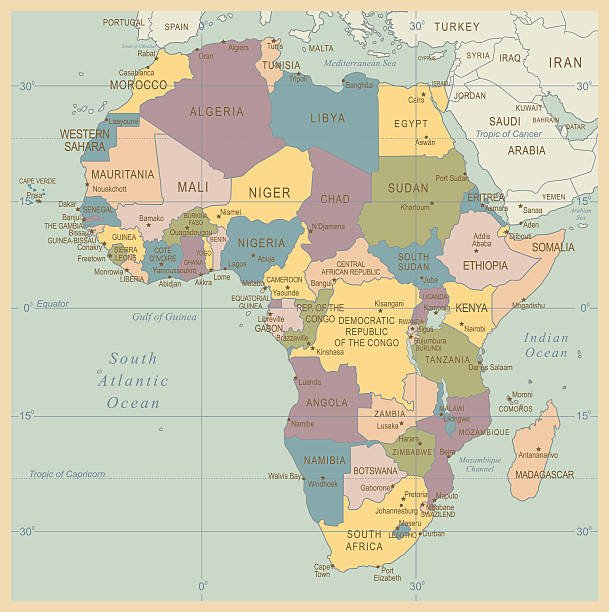
How Long Did Karen Blixen Live In Africa? Unveiling Her Iconic Years on the Continent
Karen Blixen lived in Africa for approximately 17 years, arriving in British East Africa (now Kenya) in 1914 and departing in 1931. Her time on the continent, primarily spent managing a coffee plantation at the foot of the Ngong Hills, was a transformative period that profoundly shaped her life and became the subject of her internationally acclaimed memoir, Out of Africa.
This extensive period in Africa, marked by both profound beauty and significant hardship, was central to her identity as a writer, later publishing under the pseudonym Isak Dinesen. Understanding the duration and events of her African sojourn is key to appreciating her literary legacy and the complex historical context of colonial East Africa.
The Arrival: A New Beginning in British East Africa (1914)
Karen Blixen, born Karen Dinesen in Denmark, arrived in British East Africa on January 14, 1914. Her journey to Africa was initially driven by her marriage to her Swedish cousin, Baron Bror von Blixen-Finecke. Together, they planned to establish a coffee farm near Nairobi, a venture that represented adventure, opportunity, and escape from the constraints of European society. The couple purchased a 6,000-acre farm in the Ngong Hills, approximately ten miles southwest of Nairobi.
At this time, British East Africa was a vibrant yet challenging frontier, attracting European settlers seeking new lives, agricultural prosperity, and big-game hunting. Blixen’s arrival coincided with the eve of World War I, adding another layer of complexity to the already demanding colonial environment.
Life on the Coffee Plantation: Challenges and Immersion
The Ngong Hills coffee plantation became the center of Karen Blixen's life for the next decade and a half. Her time was characterized by intense engagement with the land, its people, and the formidable challenges of farming in a volatile climate. Her initial dream of a prosperous coffee venture was continually hampered by a series of misfortunes:
- Financial Struggles: The farm consistently struggled to turn a profit, plagued by unsuitable soil, insufficient rainfall for coffee cultivation, and fluctuating global coffee prices. This put immense strain on Blixen and her family in Denmark, who were largely funding the enterprise.
- Personal Hardships: Her marriage to Bror Blixen was tumultuous and eventually ended in separation and divorce. Shortly after her arrival, she contracted syphilis, a devastating illness that would affect her health for the rest of her life and necessitate multiple trips back to Denmark for treatment.
- Environmental Adversities: Droughts, crop diseases, and the inherent difficulties of managing a large agricultural operation in a remote location were constant battles for Blixen.
Despite these difficulties, Blixen developed a profound connection with the land and the Kikuyu people who worked on her farm. She learned Swahili, interacted deeply with local communities, and formed strong bonds, a facet of her life beautifully captured in Out of Africa. Her deep respect for African culture and her relationships with her staff and neighbors are central to her narrative.
Key Relationships and Events During Her African Sojourn
Karen Blixen's years in Africa were defined by several significant relationships and events:
Baron Bror von Blixen-Finecke: A Tumultuous Marriage
Her marriage to Bror was marked by his infidelity and her contracting syphilis from him. They separated in 1921 and eventually divorced in 1925, though they maintained a degree of friendship. Bror’s adventurous spirit, often at odds with the demands of farming, contributed to the farm's instability.
Denys Finch Hatton: The Love of Her Life
Perhaps the most significant relationship of her African years was with the English big-game hunter and aviator, Denys Finch Hatton. Their deep intellectual and romantic connection, characterized by shared love for adventure, literature, and the African wilderness, became a cornerstone of her memoir. Finch Hatton provided Blixen with companionship, intellectual stimulation, and a connection to the wild, untamed aspects of Africa she adored. His tragic death in a plane crash in May 1931 was a profound personal blow, occurring just months before her own departure.
The Danish & Colonial Society
Blixen was also an active, if somewhat unconventional, member of the European settler society in Kenya. She hosted parties, engaged in local social circles, and observed the dynamics of colonial rule. Her perspective, while ultimately rooted in her settler experience, offered unique insights into the relationships between Europeans and Africans during this period.
The Farewell: Why Karen Blixen Left Africa (1931)
The decision for Karen Blixen to leave Africa was not a sudden one but the culmination of years of struggle and heartbreak. By 1931, the coffee farm was facing insurmountable financial difficulties. The global economic downturn, coupled with persistent agricultural challenges, made the venture unsustainable. Her family, who had continually supported the farm, could no longer continue to do so.
The personal losses she endured also played a significant role. The death of Denys Finch Hatton shattered her spirit, removing a central pillar of her emotional life in Africa. Her own declining health, exacerbated by syphilis and repeated bouts of illness, further contributed to the necessity of her departure.
On August 19, 1931, Karen Blixen sold her farm and left Kenya permanently, returning to Denmark. This departure marked the end of her 17 years in Africa, a period she would forever cherish and immortalize through her writing. Her African home was sold to a residential developer, and the land was eventually subdivided. Today, a portion of her former farmhouse stands as the Karen Blixen Museum in Nairobi, a testament to her enduring legacy.
The Enduring Legacy of Her African Years: Isak Dinesen and Out of Africa
Upon her return to Denmark, Karen Blixen transitioned from coffee farmer to world-renowned author. The wealth of experiences, observations, and emotional depth accumulated during her 17 years in Africa formed the bedrock of her literary career. Writing under the pseudonym Isak Dinesen, she published Seven Gothic Tales in 1934, but it was Out of Africa, published in 1937, that cemented her place in literary history.
Out of Africa is more than just a memoir; it is a lyrical homage to the African landscape, its wildlife, and the people Blixen knew. It explores themes of love, loss, nature, colonialism, and identity. The book's evocative prose and unique perspective captured the imaginations of readers worldwide and later inspired the Academy Award-winning film adaptation in 1985, further popularizing her story and the mystique of colonial Kenya.
Impact of Her African Residency on Her Writing:
- Authenticity and Detail: Her firsthand experience provided unparalleled detail and authenticity to her descriptions of the land, flora, and fauna.
- Character Development: The complex personalities of her African staff, European neighbors, and especially Denys Finch Hatton, were drawn from real life, lending depth to her narrative.
- Philosophical Depth: Her struggles and triumphs in Africa led to profound reflections on life, fate, and the human condition, which permeate her work.
- Voice of Isak Dinesen: The persona of Isak Dinesen, the storyteller with a deep understanding of the natural world and human drama, was forged in the crucible of her African experience.
Key Milestones of Karen Blixen's African Residency
To summarize Karen Blixen's time in Kenya, here are some critical dates:
| Year | Event |
|---|---|
| 1914 | Arrives in British East Africa (Kenya), marries Bror Blixen, establishes coffee farm. |
| 1915 | Contracts syphilis, beginning a long struggle with the illness. |
| 1921 | Separates from Bror Blixen. |
| 1925 | Divorces Bror Blixen. |
| c. 1926 | Begins her deep relationship with Denys Finch Hatton. |
| 1931 (May) | Denys Finch Hatton dies in a plane crash. |
| 1931 (August) | Sells the farm and departs Kenya permanently for Denmark. |
| 1937 | Publishes Out of Africa under the pseudonym Isak Dinesen. |
Beyond the Memoir: Karen Blixen's Influence on African Storytelling
Karen Blixen's portrayal of Africa, while immensely popular and influential, has also been subject to critical discussion, particularly regarding its colonial lens. However, her work undeniably sparked global interest in colonial Kenya and its landscapes. She provided one of the most vivid and personal accounts of a European settler's life in early 20th-century East Africa, grappling with identity, nature, and cultural encounters.
Her narrative contributes to a broader understanding of the complexities of that era, inspiring subsequent generations to explore the nuanced history and rich tapestry of African experiences. The Karen Blixen Museum in Nairobi serves as a tangible link to her time, allowing visitors to step into the world she so eloquently described.
Conclusion: A Legacy Forged in Africa
In conclusion, Karen Blixen lived in Africa for 17 formative years, from January 1914 to August 1931. This period was not merely a chapter in her life but the very crucible in which her identity as a writer and her most enduring work, Out of Africa, were forged. Despite facing immense personal and financial hardships, her deep connection to the African land, its people, and the profound relationships she cultivated there utterly transformed her. Her African legacy continues to captivate readers and scholars, offering a unique window into a bygone era and the enduring power of a life profoundly lived.
Enjoyed this read?
Share it with your friends and colleagues.