Is Kenya The Most Developed Country In Africa

BSC Insights Admin
October 01, 2026
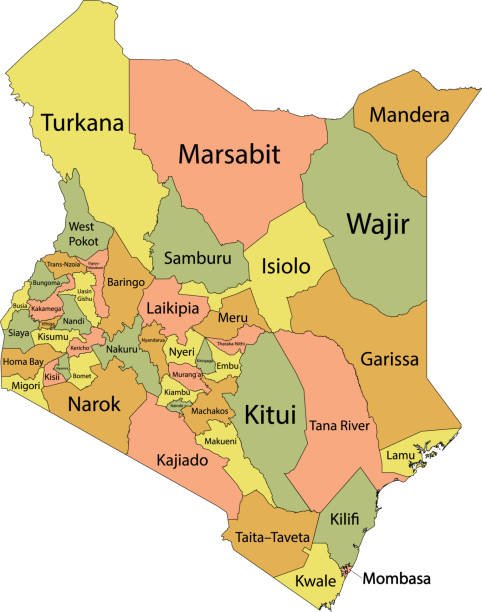
When considering the question, Is Kenya the most developed country in Africa?, the answer is complex and multifaceted. While Kenya stands out as a significant economic powerhouse and a leader in East Africa, particularly in technology and infrastructure, it is not universally recognized as the single most developed nation across the entire continent. Africa's development landscape is incredibly diverse, with several countries exhibiting different strengths and stages of progress.
Kenya has undeniably made remarkable strides in various sectors, showcasing robust economic growth, innovative digital solutions like M-Pesa, and substantial investments in infrastructure. However, assessing development requires looking at a range of indicators, including economic stability, human development indices, quality of life, governance, and social equity. Comparing Kenya to other prominent African nations reveals a competitive and varied picture of progress.
Defining Development: What Does It Truly Mean?
To accurately determine a country's development status, it's crucial to understand what 'development' entails. It's not merely about economic size but a holistic measure of a nation's progress and its citizens' well-being. Key indicators commonly used include:
- Gross Domestic Product (GDP) and GDP Per Capita: These measure the total economic output and the average economic output per person, respectively. While high GDP indicates a large economy, high GDP per capita often correlates with a higher standard of living.
- Human Development Index (HDI): Developed by the United Nations, HDI combines life expectancy, education (mean and expected years of schooling), and gross national income (GNI) per capita. It offers a broader view of human well-being beyond just economics.
- Infrastructure: This includes the quality and extent of roads, railways, airports, energy grids, telecommunications, and digital connectivity, which are vital for economic activity and daily life.
- Social Indicators: Access to healthcare, education quality, literacy rates, poverty levels, income equality, and access to clean water and sanitation are critical for assessing social development.
- Governance and Stability: Factors like political stability, rule of law, control of corruption, and ease of doing business significantly impact a country's ability to develop sustainably.
- Diversification of Economy: Reliance on a single commodity (e.g., oil) can create volatility; diversified economies tend to be more resilient and developed.
Understanding these metrics helps provide a comprehensive perspective beyond a simple economic tally, painting a clearer picture of Kenya's standing among its African peers.
Kenya's Development Journey: A Closer Look
Kenya has often been touted as an economic engine in East Africa, with a dynamic private sector and a growing middle class. Its development narrative is characterized by significant achievements alongside persistent challenges.
Economic Landscape of Kenya
Kenya boasts one of the largest economies in Sub-Saharan Africa. Its economy is diversified, with key sectors including:
- Agriculture: Remains a backbone, contributing significantly to GDP and employment, particularly tea, coffee, and horticulture.
- Services Sector: This is the dominant sector, driven by financial services, tourism, and a burgeoning digital economy. Kenya is a regional hub for financial technology (FinTech).
- Manufacturing: Though smaller, the sector is growing, focusing on food processing, textiles, and construction materials.
The country has pursued ambitious development plans, most notably Vision 2030, aiming to transform Kenya into a newly industrializing, middle-income country providing a high quality of life to all its citizens by 2030. Kenya's GDP has seen consistent growth over the past decades, positioning it as an attractive destination for foreign direct investment, especially in technology and infrastructure.
Infrastructure Development in Kenya
Investment in infrastructure has been a cornerstone of Kenya's development strategy. Major projects have significantly improved connectivity and logistics:
- Standard Gauge Railway (SGR): Connecting the port of Mombasa to Nairobi and beyond, the SGR has streamlined cargo movement and boosted trade efficiency.
- Road Networks: Extensive construction and upgrading of highways have improved internal connectivity and facilitated regional trade.
- Port of Mombasa: A crucial gateway for East and Central Africa, undergoing continuous modernization to handle increased trade volumes.
- Digital Infrastructure: Kenya is a leader in mobile money services, with M-Pesa being a global benchmark. Internet penetration is high, fostering innovation and digital commerce.
These Kenya infrastructure projects are vital for reducing business costs and enhancing competitiveness.
Human Development and Social Progress
In terms of human development, Kenya has made progress but still faces significant hurdles. The Human Development Index (HDI) for Kenya has steadily improved, reflecting gains in life expectancy, education enrollment, and per capita income.
- Education: Increased access to primary and secondary education, though quality and tertiary education access remain areas for improvement.
- Healthcare: Efforts to expand healthcare access and reduce child mortality have been made, but disparities persist between urban and rural areas.
- Poverty Reduction: While poverty rates have declined, a significant portion of the population still lives below the poverty line, and income inequality remains a challenge.
These factors indicate that while Kenya is on an upward trajectory, there's considerable work to be done to ensure inclusive development for all its citizens.
Comparing Kenya to Other African Development Leaders
To truly answer if Kenya is the most developed, it's essential to compare its progress against other strong contenders across the continent. Africa is home to several highly developed nations, each with unique strengths.
South Africa: An Industrialized Giant
South Africa's development stands out due to its industrialized economy, strong financial sector, and advanced infrastructure. It boasts Africa's most diversified economy, with significant mining, manufacturing, and service industries. Its GDP is among the largest on the continent, and its HDI is higher than Kenya's. However, South Africa grapples with severe challenges like high unemployment, extreme income inequality, and social unrest, which temper its overall development standing.
Egypt: North African Powerhouse
Egypt's economic strength is driven by its large population, strategic location, and sectors like tourism, manufacturing, and energy. It has invested heavily in infrastructure and has a vast industrial base. While its GDP is substantial, its GDP per capita is lower than some peers, and it faces challenges related to population growth and resource management. Nevertheless, Egypt's long history of development and robust state capacity make it a strong contender.
Nigeria: Africa's Largest Economy by GDP
Nigeria holds the title for Africa's largest economy by nominal GDP, primarily due to its vast oil reserves and large population. This gives it immense Nigeria's economic potential and a massive consumer market. However, Nigeria's development is hampered by over-reliance on oil, significant infrastructure deficits, high poverty rates, and security challenges. Its HDI is considerably lower than Kenya's, indicating that economic size doesn't always translate to broad human development.
Morocco: Stable and Diversified
Morocco's progress is marked by political stability, strategic investments in renewable energy, tourism, and a growing automotive industry. It has excellent infrastructure, particularly in port facilities and highways, and has actively pursued free trade agreements. Morocco's HDI is generally higher than Kenya's, reflecting strong social development indicators and a stable macroeconomic environment.
Mauritius: A High-Income Island Nation
Often cited as an African success story, Mauritius is a high-income country with a very high HDI, making it one of the most developed nations on the continent. Its Mauritius development model is based on a diversified economy (tourism, textiles, financial services, ICT), good governance, and strong social welfare programs. While its small size makes direct comparison to larger economies challenging, Mauritius exemplifies how strategic policy and good governance can lead to exceptional development outcomes.
Here's a simplified comparison of these nations based on general economic and human development metrics:
| Country | Economic Size (GDP) | GDP Per Capita | Human Development Index (HDI) Rank (Global) | Key Strengths |
|---|---|---|---|---|
| South Africa | Very Large | Higher | Medium-High | Industrialization, Financial Sector, Infrastructure |
| Egypt | Very Large | Medium | Medium | Large market, Strategic location, Industry |
| Nigeria | Largest in Africa | Low | Low-Medium | Oil, Huge population/market |
| Kenya | Large | Medium | Medium | Services, Tech innovation, Infrastructure |
| Morocco | Large | Higher | Medium-High | Stability, Diversified Economy, Infrastructure |
| Mauritius | Medium (small country) | Very High | Very High | Diversified, Good Governance, High HDI |
From this comparison, it's clear that while Kenya is a significant regional leader, several countries surpass it in specific development indicators or overall HDI. Thus, answering Is Kenya the most developed country in Africa? with a simple 'yes' would be inaccurate.
Key Strengths Driving Kenya's Development
Kenya's consistent progress is fueled by several distinct advantages and strategic choices:
- Strategic Location: Kenya serves as a vital economic and logistics hub for East and Central Africa, leveraging the Port of Mombasa and its improved transport links.
- Entrepreneurial and Innovative Culture: Kenyans are known for their innovation, particularly in mobile technology. M-Pesa's success is a testament to this, fostering a dynamic start-up ecosystem. This entrepreneurial spirit is a major Kenya development driver.
- Diversified Economy: Unlike many resource-dependent African nations, Kenya's economy is diversified across agriculture, services, manufacturing, and tourism, providing greater resilience to external shocks.
- Young and Growing Population: A large, relatively well-educated youth population offers a demographic dividend, providing a workforce and a consumer base for future growth.
- Investment in Infrastructure: Ongoing and ambitious infrastructure projects continue to lay the groundwork for increased trade, investment, and productivity.
- Regional Integration: Kenya is an active member of the East African Community (EAC), promoting regional trade and economic integration, which benefits its economy.
Challenges and Roadblocks for Kenya's Development
Despite its achievements, Kenya faces significant hurdles that impact its overall development trajectory and prevent it from claiming the top spot across all metrics:
- High Levels of Inequality and Poverty: While the economy grows, the benefits are not evenly distributed, leading to large wealth disparities and persistent poverty, especially in rural areas and informal settlements.
- Unemployment: High youth unemployment remains a critical challenge, despite economic growth and educational advancements.
- Corruption: Corruption remains a major impediment to development, diverting resources, increasing business costs, and eroding public trust.
- Public Debt: Kenya's ambitious infrastructure projects have led to a rising public debt, raising concerns about fiscal sustainability.
- Vulnerability to Climate Change: A significant portion of Kenya's economy relies on rain-fed agriculture, making it highly susceptible to droughts and other climate-related shocks.
- Political Instability: While generally stable, periodic political tensions and electoral cycles can disrupt economic activity and deter investment.
Addressing these challenges to Kenya's economic growth is crucial for its sustained and inclusive development.
The Future of Development in Kenya
Kenya's commitment to its long-term development goals, such as Vision 2030, suggests a continued focus on economic transformation and social progress. The country is poised to leverage its strengths while actively working to mitigate its challenges.
- Technological Advancement: Kenya is likely to continue its leadership in digital innovation, expanding FinTech, e-commerce, and digital services, driving economic modernization.
- Green Economy: Increasing investment in renewable energy (geothermal, wind, solar) positions Kenya as a leader in sustainable development within Africa.
- Manufacturing and Value Addition: Efforts to industrialize and add value to agricultural products and raw materials are expected to boost exports and create jobs.
- Human Capital Development: Continued investment in education, skills training, and healthcare will be vital to harness the demographic dividend and improve quality of life.
- Regional Integration: Strengthening ties within the East African Community will enhance trade and investment flows, benefiting Kenya's economy.
The Kenya's economic outlook remains largely positive, contingent on sustained reforms and effective governance.
Conclusion
In conclusion, while Kenya is undoubtedly a dynamic and rapidly developing nation, playing a crucial role as an economic and innovation hub in East Africa, it cannot be definitively labeled as the most developed country in Africa across all metrics. Its impressive strides in infrastructure, digital innovation, and economic diversification are noteworthy, placing it among the continent's top performers. However, when viewed through the comprehensive lens of human development, economic equality, and overall quality of life, nations like South Africa, Egypt, Morocco, and particularly Mauritius, present strong cases for different aspects of development leadership.
Kenya's ongoing development journey is characterized by significant potential and robust ambition, coupled with persistent challenges such as inequality and unemployment. Its future progress hinges on continued strategic investments, effective governance, and inclusive policies that ensure the benefits of growth reach all segments of society. The continent's diverse development paths highlight that 'most developed' is a nuanced title, reflecting varying strengths and challenges rather than a single undisputed leader. Kenya is certainly a strong contender and a model for progress in many areas, but the narrative of African development remains rich and complex.
Enjoyed this read?
Share it with your friends and colleagues.