Is Kenya A Rich Country In Africa

BSC Insights Admin
September 30, 2026
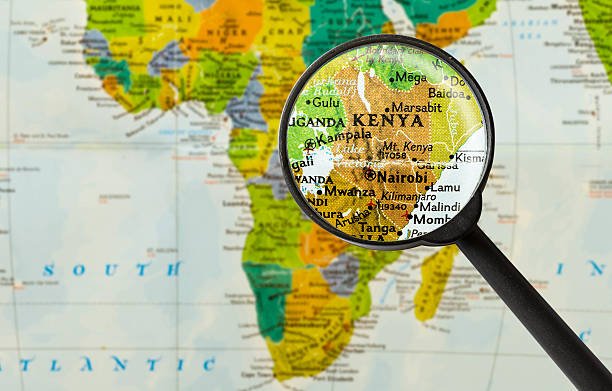
Is Kenya A Rich Country In Africa?
Kenya is not typically classified as a rich country in the global sense, but it stands as one of East Africa's largest and most dynamic economies, demonstrating significant growth and potential. While it boasts a vibrant middle class and key economic sectors, the nation still grapples with considerable income inequality and a substantial portion of its population living in poverty. Its economic status is best understood as an emerging market with impressive strides in development, yet facing ongoing challenges typical of developing nations.
Understanding whether Kenya is a "rich" country requires a nuanced perspective, moving beyond simple classifications to examine its economic indicators, human development, and the distribution of wealth within its borders. While it may not compete with high-income Western nations, its regional influence and economic diversification make it a crucial player in the African continent.
Defining "Rich": What Does It Mean for a Country?
Before delving into Kenya's specifics, it is essential to define what "rich" means in the context of a nation. Generally, a rich country is characterized by a high Gross Domestic Product (GDP) per capita, a high standard of living, robust infrastructure, low poverty rates, excellent healthcare, and strong educational systems. It often implies a well-distributed wealth among its citizens, leading to a high Human Development Index (HDI) score. However, these metrics can vary significantly when comparing developed nations to emerging economies.
- GDP Per Capita: This is often the primary metric, indicating the average economic output per person.
- Human Development Index (HDI): A composite statistic of life expectancy, education, and per capita income indicators, used to rank countries into four tiers of human development.
- Income Distribution: How wealth is spread across the population, often measured by the Gini coefficient.
- Standard of Living: Access to essential services, consumer goods, and quality of life.
For an African nation, being "rich" might also mean having a diversified economy, a stable political environment, and a strong regional presence, even if global GDP per capita figures remain moderate.
Kenya's Economic Snapshot: Key Indicators
Kenya's economy has shown consistent growth over the past two decades, positioning it as an economic powerhouse in East Africa. However, examining its key indicators reveals a complex picture of progress and persistent hurdles.
GDP and Economic Growth
Kenya has one of the largest economies in Sub-Saharan Africa, often ranking among the top ten by nominal GDP. Its economy is relatively diversified, reducing over-reliance on a single sector. The country has historically maintained a healthy economic growth rate, often exceeding 5% annually before global disruptions, driven by a resilient private sector and strategic infrastructure investments. For instance, in recent years, despite global economic headwinds, Kenya's economy has shown remarkable resilience, with consistent growth projections.
GDP Per Capita
While Kenya's overall GDP is significant, its GDP per capita remains modest when compared to developed nations or even some other African giants like South Africa. This figure is a critical indicator of individual wealth and living standards. As of recent data, Kenya's GDP per capita places it in the lower-middle-income category. This suggests that while the national economy is substantial, the wealth is not evenly distributed, and many citizens still live below the poverty line.
Key Economic Sectors
Kenya's economic strength is derived from several vital sectors:
- Agriculture: This remains the backbone, employing a large portion of the population and contributing significantly to GDP. Key exports include tea, coffee, and horticulture.
- Tourism: Kenya is a world-renowned tourist destination, famous for its wildlife safaris and coastal attractions. This sector is a major foreign exchange earner.
- Manufacturing: Though still developing, the manufacturing sector contributes to local employment and export diversification.
- Services: This sector, particularly financial services, retail, and telecommunications, is rapidly growing and a significant contributor to the economy. Kenya is a regional leader in mobile money innovation, epitomized by M-Pesa.
- Technology and Innovation: Nairobi is increasingly recognized as "Silicon Savannah," a hub for technological innovation and startups in Africa.
Foreign Direct Investment (FDI)
Kenya has been a major recipient of Foreign Direct Investment (FDI) in East Africa, attracting capital into infrastructure, energy, manufacturing, and technology. This influx of foreign capital is a testament to investor confidence in Kenya's long-term economic prospects and its strategic importance as a gateway to the East African market.
Is Kenya Rich? A Closer Look at Wealth and Poverty
The question of whether Kenya is rich cannot be answered solely by looking at GDP; it requires an examination of how wealth is experienced by its citizens.
Middle Class Growth
Over the past two decades, Kenya has witnessed the emergence and expansion of a significant middle class, particularly in urban areas. This demographic has increased purchasing power, access to education, and consumerism, driving demand for goods and services. The growth of this segment is a strong indicator of economic progress and opportunities within the country, creating a vibrant domestic market.
Income Inequality
Despite the rise of the middle class, income inequality remains a persistent and significant challenge in Kenya. A considerable portion of the nation's wealth is concentrated among a small elite, while a large segment of the population struggles with limited resources. This disparity is evident in access to quality education, healthcare, and infrastructure between urban centers and rural areas, as well as between different social strata.
Poverty Levels
Even with economic growth, poverty levels in Kenya remain substantial. Millions of Kenyans live below the national poverty line, particularly in rural areas and informal urban settlements. Factors contributing to this include unemployment, underemployment, lack of access to productive assets, and vulnerability to economic shocks like drought or global recessions. Addressing poverty alleviation is a key priority for the government and development partners.
Human Development Index (HDI)
Kenya's HDI score reflects improvements in education, health, and living standards over the years. Life expectancy has increased, school enrollment rates are higher, and access to basic services has expanded. However, compared to globally "rich" countries, Kenya's HDI still places it in the medium human development category, indicating room for further progress in enhancing the overall quality of life for all its citizens.
Strengths and Drivers of Kenya's Economy
Kenya's economic trajectory is bolstered by several inherent strengths and strategic advantages:
- Strategic Location and Regional Hub: Situated on the East African coast, Kenya serves as a vital trade and logistics hub for the entire region. The Port of Mombasa is a critical entry point for goods destined for landlocked neighboring countries.
- Diversified Economy: Unlike many African nations reliant on a single commodity, Kenya boasts a relatively diversified economy encompassing agriculture, tourism, manufacturing, and a rapidly expanding service sector, including technology and finance.
- Entrepreneurial Spirit and Innovation: Kenyans are renowned for their entrepreneurial drive. The country is a pioneer in mobile money solutions (M-Pesa being a global benchmark) and home to a thriving tech startup ecosystem, often referred to as "Silicon Savannah."
- Infrastructure Development: Significant investments in infrastructure, such as the Standard Gauge Railway (SGR), new roads, and energy projects, have improved connectivity, reduced business costs, and enhanced productivity.
- Young, Educated Workforce: Kenya has a relatively young and increasingly educated population, providing a valuable human resource base for economic growth, innovation, and attracting foreign investment.
Challenges Hindering Kenya's Economic Potential
Despite its strengths, Kenya faces several significant challenges that impede its journey towards becoming a "rich" nation and achieving its full economic potential.
- Corruption: Systemic corruption remains a major impediment, diverting resources, increasing the cost of doing business, and undermining public trust. It impacts service delivery and deters both local and foreign investment.
- High Public Debt: Kenya's national debt has been on an upward trend, raising concerns about fiscal sustainability and the government's ability to fund essential services and development projects. Debt servicing consumes a substantial portion of the national budget.
- Vulnerability to Climate Change: As an agriculturally dependent nation, Kenya is highly vulnerable to the impacts of climate change, including recurrent droughts and floods, which devastate crops, livestock, and livelihoods, leading to food insecurity and economic instability.
- Unemployment and Underemployment: Despite economic growth, high rates of unemployment, especially among the youth, and underemployment persist. This leads to social unrest and underutilized human capital.
- Political Instability and Governance Issues: While the country has generally maintained stability, historical instances of political tensions and concerns about governance can create uncertainty, impacting investor confidence and economic planning.
- Dependency on External Factors: Fluctuations in global commodity prices (especially for its agricultural exports) and global economic downturns can significantly impact Kenya's economy due to its integration into the global market.
Kenya's Vision for the Future: "Vision 2030"
Kenya has an ambitious long-term development blueprint known as "Vision 2030." Launched in 2008, this vision aims to transform Kenya into a newly industrializing, middle-income country providing a high quality of life to all its citizens by the year 2030. It is anchored on three key pillars:
- Economic Pillar: Aims for an average economic growth rate of 10% per annum to generate more resources to meet the Millennium Development Goals (MDGs) and Vision 2030 objectives. Key sectors include tourism, agriculture, manufacturing, trade, financial services, and IT-enabled services.
- Social Pillar: Focuses on investing in the people of Kenya to improve their quality of life. This includes providing universal access to quality education, healthcare, water, sanitation, and housing, as well as promoting gender equality and social equity.
- Political Pillar: Seeks to achieve a democratic political system that is issue-based, people-centered, result-oriented, and accountable. It emphasizes constitutional reforms, rule of law, and participatory governance.
The successful implementation of Vision 2030 is crucial for Kenya to address its developmental challenges and move closer to achieving a higher economic status and improved living standards for its population.
Comparing Kenya: How It Stacks Up Against Other African Nations
To further contextualize Kenya's economic standing, it is helpful to compare it to other prominent African economies:
- Vs. South Africa: South Africa has a significantly larger and more industrialized economy with higher GDP per capita, but it also faces severe income inequality and high unemployment. Kenya's growth trajectory has often been more consistent in recent years.
- Vs. Nigeria: Nigeria has the largest economy in Africa by GDP, largely driven by oil. However, its GDP per capita is similar to or slightly lower than Kenya's, and it battles with infrastructure deficits, high poverty, and over-reliance on a single commodity.
- Vs. Ethiopia: Ethiopia has seen remarkable economic growth, driven by agriculture and infrastructure. Its population is much larger than Kenya's, and while it's a rapidly developing nation, its GDP per capita is still lower.
- Vs. Rwanda: Rwanda, though much smaller, is often cited for its impressive post-genocide reconstruction, good governance, and ease of doing business. Kenya's economy is much larger and more diversified, but Rwanda offers lessons in efficiency and anti-corruption.
Kenya stands out due to its diversified economic base, strong service sector, and its role as a regional financial and logistical hub, setting it apart from resource-dependent economies or those with less developed service industries.
Conclusion: Is Kenya A Rich Country In Africa?
In conclusion, Kenya is not a rich country in the conventional global sense, but it is undeniably one of Africa's most economically dynamic and influential nations, particularly within East Africa. It is characterized by a rapidly growing economy, a burgeoning middle class, and significant potential driven by innovation, strategic location, and a diversified economic base across agriculture, tourism, and services. However, it continues to grapple with pervasive challenges such as income inequality, high public debt, corruption, and the enduring impact of poverty on a substantial portion of its population. While it has made considerable progress in human development and economic growth, Kenya's journey towards achieving widespread prosperity and a higher global economic classification is ongoing. Its future depends on continued reforms, sustainable development strategies, and inclusive growth that benefits all its citizens.
Enjoyed this read?
Share it with your friends and colleagues.