Which Country Is Mount Kilimanjaro Located In Africa

BSC Insights Admin
September 30, 2026
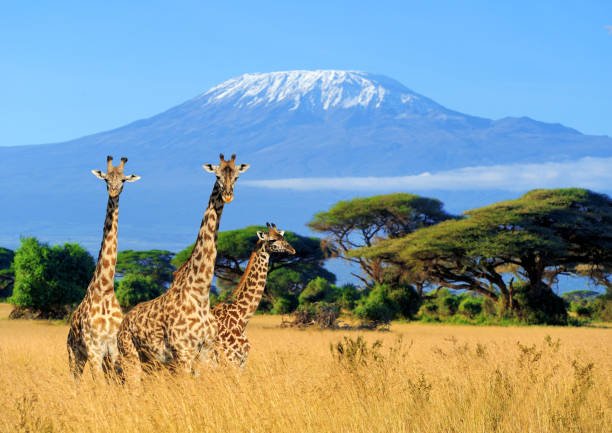
Mount Kilimanjaro, Africa's iconic and highest peak, is definitively located in Tanzania, East Africa. This majestic stratovolcano stands as a magnificent natural wonder, drawing adventurers and nature enthusiasts from across the globe to the heart of Tanzania. Often referred to as the "Roof of Africa," Kilimanjaro is not just a mountain; it's a testament to the continent's diverse geography and a pivotal element of Tanzanian tourism.
Understanding the precise location of Mount Kilimanjaro is crucial for anyone planning a visit or simply curious about this geographical marvel. It's an active, but dormant, volcano comprised of three distinct cones: Kibo, Mawenzi, and Shira, with Uhuru Peak on the Kibo cone being its highest point. Its presence significantly shapes the landscape and culture of the surrounding region, making its connection to Tanzania inseparable.
Mount Kilimanjaro's Definitive Location: Tanzania
There is no ambiguity regarding Mount Kilimanjaro's location. It lies entirely within the borders of the United Republic of Tanzania, an East African nation renowned for its vast wilderness areas. Positioned near the town of Moshi, the mountain's formidable presence dominates the horizon, visible for many miles around.
The geographical coordinates place Mount Kilimanjaro just south of the equator, highlighting its unique position to host glaciers at such a latitude. This feature is a constant source of fascination and a stark reminder of changing global climates. Its location in East Africa also places it within a region rich in biodiversity and stunning natural landscapes, complementing its stature as a premier natural attraction.
The Historical Context of Kilimanjaro's Borders
The clear demarcation of Mount Kilimanjaro within Tanzania is a result of historical circumstances, specifically colonial partitioning in the late 19th century. During the Scramble for Africa, the region was divided between European powers. Kilimanjaro itself became part of German East Africa, which later transitioned into Tanganyika and eventually merged with Zanzibar to form modern-day Tanzania. This historical trajectory solidified Kilimanjaro's place as a national treasure and symbol for Tanzania.
The Majestic Geography of Kilimanjaro: Africa's Iconic Volcano
Mount Kilimanjaro is a marvel of geological forces, a massive dormant stratovolcano that rose from the plains of East Africa millions of years ago. Its sheer size and impressive elevation make it the highest freestanding mountain in the world, meaning it is not part of a mountain range. This unique characteristic contributes significantly to its majestic appearance and the diverse ecosystems found on its slopes.
The mountain's formation involved multiple volcanic eruptions over geological timescales, creating the three distinct volcanic cones that characterize its summit. Each cone tells a part of Kilimanjaro's fiery past, contributing to the overall grandeur of Africa's highest peak.
The Three Peaks: Kibo, Mawenzi, and Shira
Mount Kilimanjaro is not a single peak but rather a composite of three distinct volcanic cones, each with its own geological history and characteristics:
- Kibo: This is the youngest and tallest of the three cones, reaching an elevation of 5,895 meters (19,341 feet). It is home to Uhuru Peak, the absolute highest point on Kilimanjaro and in all of Africa. Kibo is still considered dormant, rather than extinct, with some fumarolic activity occurring in its crater. Its summit is adorned with receding glaciers, a striking feature near the equator.
- Mawenzi: The second-highest peak, Mawenzi, stands at 5,149 meters (16,893 feet). It is an older, eroded peak with a jagged, craggy profile, suggesting more significant volcanic activity in the distant past. Mawenzi is considered extinct and presents a more challenging climbing endeavor due to its technical terrain.
- Shira: The oldest and smallest of the three cones, Shira, rises to 3,962 meters (13,000 feet). It is largely eroded and collapsed, forming a spectacular plateau rather than a distinct peak. Shira played a crucial role in Kilimanjaro's early volcanic history and now contributes to the varied landscape of the mountain's western side.
These three cones collectively form the colossal structure that is Mount Kilimanjaro, offering a varied and challenging landscape for those who dare to ascend its slopes.
Height and Prominence
Standing at an impressive 5,895 meters (19,341 feet) above sea level, Mount Kilimanjaro holds several significant titles:
- It is the highest mountain in Africa.
- It is the tallest freestanding mountain in the world.
- It is the fourth most topographically prominent peak on Earth.
This immense height and prominence contribute to its unique climate zones and biodiversity, making it a subject of extensive scientific study and a top destination for adventurers seeking to conquer Africa's highest point.
Kilimanjaro National Park: A UNESCO World Heritage Site
The entirety of Mount Kilimanjaro, above the tree line, is protected within Kilimanjaro National Park. Established in 1973, the park encompasses the mountain's unique ecosystems and was designated a UNESCO World Heritage Site in 1987. This designation underscores its outstanding universal value and the global importance of preserving its natural and geological features.
The park plays a vital role in safeguarding the mountain's fragile environment, managing tourism, and supporting conservation efforts. It ensures that future generations can also experience the wonder of climbing Kilimanjaro and appreciate its natural beauty.
Conservation and Biodiversity
Kilimanjaro National Park is a sanctuary for a wide array of flora and fauna, many of which are endemic to the region. The diverse climate zones provide habitats for various species, from large mammals like elephants, buffalo, and leopards in the lower forests to unique alpine vegetation found near the summit. The park's management focuses on:
- Protecting endangered species.
- Maintaining the ecological balance of the various zones.
- Regulating human activity, including trekking, to minimize environmental impact.
- Educating visitors on the importance of conservation.
These efforts are critical for preserving the integrity of Kilimanjaro's ecosystems, which face threats from climate change and human encroachment.
Navigating Kilimanjaro's Unique Climate Zones and Ecosystems
One of the most captivating aspects of climbing Mount Kilimanjaro is the journey through its distinct climate zones. As you ascend from the base to the summit, you experience a dramatic shift in ecosystems, comparable to traveling from the equator to the Arctic in a matter of days. This phenomenon is a direct consequence of the mountain's immense height and its isolated position.
From Tropics to Arctic: The Five Climate Zones
The journey up Kilimanjaro takes trekkers through five major ecological or climate zones, each with its unique flora, fauna, and weather patterns:
- Cultivation Zone (800m-1,800m / 2,600ft-5,900ft): The lowest slopes of Kilimanjaro are characterized by fertile volcanic soil, supporting local farming communities and coffee plantations. This zone is outside the national park boundaries.
- Forest Zone (1,800m-2,800m / 5,900ft-9,200ft): This dense rainforest belt is rich in biodiversity, receiving high rainfall. It's home to various wildlife, including monkeys and numerous bird species. The air is humid and often misty.
- Heath/Moorland Zone (2,800m-4,000m / 9,200ft-13,100ft): As altitude increases, the forest gives way to open moorland, characterized by heathland, grasses, and unique giant heather and lobelia plants. Temperatures drop, and the landscape becomes more rugged.
- Alpine Desert Zone (4,000m-5,000m / 13,100ft-16,400ft): This zone is harsh and arid, with sparse vegetation, extreme temperatures (hot days, freezing nights), and strong winds. The landscape is rocky, resembling a lunar surface. It is a critical zone for acclimatization for those undertaking Kilimanjaro treks.
- Arctic Summit Zone (5,000m+ / 16,400ft+): The highest zone is characterized by glacial ice, rock, and scree, with virtually no vegetation. Temperatures are well below freezing, and oxygen levels are significantly reduced. This is where Uhuru Peak resides, the ultimate goal for climbers of Mount Kilimanjaro.
Experiencing these transitions is a significant part of the Kilimanjaro climbing experience, offering breathtaking views and a profound connection with nature.
The Allure of Climbing Kilimanjaro: An Unforgettable Tanzanian Adventure
For many, climbing Mount Kilimanjaro is a lifelong dream, a challenge that promises unparalleled rewards. Unlike many other high peaks, Kilimanjaro does not require technical climbing skills or specialized equipment like ropes for most routes, making it accessible to anyone with good physical fitness and determination. This makes it a popular choice for adventurers looking to stand atop Africa's highest peak.
The journey to Uhuru Peak is as much a mental challenge as it is a physical one, demanding resilience and careful acclimatization to the decreasing oxygen levels. The sense of achievement upon reaching the summit, coupled with the breathtaking sunrise views over the African plains, is an experience that stays with climbers forever.
Popular Routes and Preparation for the Summit
Several established routes lead to the summit of Mount Kilimanjaro, each offering a different experience in terms of scenery, difficulty, and duration. Some of the most popular Kilimanjaro climbing routes include:
- Machame Route: Known as the "Whiskey Route," it's one of the most popular and scenic routes, offering good acclimatization profiles over 6-7 days.
- Lemosho Route: A longer, more remote, and highly scenic route, typically taking 7-8 days, offering excellent acclimatization opportunities.
- Marangu Route: The "Coca-Cola Route," it's the oldest and arguably easiest route, utilizing hut accommodation. It's often shorter (5-6 days) but has a lower success rate due to less time for acclimatization.
- Rongai Route: The only route that approaches Kilimanjaro from the north, near the Kenyan border. It is a drier route and often preferred during the wet season.
- Umbwe Route: A very direct and steep route, considered the most challenging. It offers spectacular views but requires good physical condition and a strong will.
- Northern Circuit: The newest and longest route, circling the northern slopes of Kibo, offering excellent acclimatization and remote beauty over 9-10 days.
Regardless of the chosen route, proper preparation is paramount. This includes extensive physical training, selecting a reputable tour operator, having the right gear, and crucially, allowing sufficient time for acclimatization to prevent altitude sickness. The guidance of experienced local guides and porters, who are an integral part of the Kilimanjaro experience, is indispensable for a safe and successful ascent.
Economic and Cultural Significance for Tanzania
Mount Kilimanjaro is more than just a geographical landmark; it is a cornerstone of Tanzania's economy and a source of immense national pride. The tourism generated by the mountain provides substantial revenue for the country and plays a critical role in the livelihoods of thousands of Tanzanians.
Tourism and Local Communities
The influx of climbers and tourists supports a vibrant tourism industry around Kilimanjaro. This includes:
- Employment: Thousands of locals are employed as guides, porters, cooks, and support staff for trekking expeditions. This directly impacts local economies in towns like Moshi and Arusha.
- Hospitality Sector: Hotels, lodges, restaurants, and transport services thrive due to the demand from visitors.
- Crafts and Souvenirs: Local artisans and vendors benefit from tourists purchasing mementos of their Tanzanian adventure.
- Conservation Funding: A significant portion of the park fees collected goes towards the conservation efforts of Kilimanjaro National Park and other protected areas in Tanzania.
Sustainable tourism practices are increasingly emphasized to ensure that the economic benefits are balanced with environmental protection and positive community impact. This approach ensures that Kilimanjaro's allure continues to benefit Tanzania for generations to come.
Fascinating Facts About Mount Kilimanjaro
Beyond its location and climbing appeal, Mount Kilimanjaro boasts a wealth of intriguing facts that highlight its unique nature:
| Fact Category | Detail |
|---|---|
| Freestanding Mountain | It is the world's tallest freestanding mountain, not part of any mountain range. |
| Glaciers at the Equator | Despite being close to the equator, Kibo's summit hosts permanent ice fields and glaciers, which are unfortunately receding due to climate change. |
| "Roof of Africa" | A popular nickname reflecting its status as the highest point on the continent. |
| Discovery | First documented by European missionaries Johannes Rebmann and Krapf in 1848. |
| First Ascent | The first recorded ascent to Uhuru Peak was in 1889 by Hans Meyer, Ludwig Purtscheller, and Yohani Kinyala Lauwo. |
| Name Origin | The origin of the name "Kilimanjaro" is not entirely clear but is thought to be a combination of Swahili and Kichagga words, possibly meaning "Mountain of Light," "Mountain of Greatness," or "Mountain of Caravans." |
| Dormant Volcano | While inactive for centuries, Kibo is still classified as dormant and capable of erupting again, though a major eruption is not considered imminent. |
Beyond Kilimanjaro: Exploring Tanzania's Wonders
While Mount Kilimanjaro is a primary draw, Tanzania offers a plethora of other incredible attractions that make a visit to this East African nation truly unforgettable. Many visitors combine their Kilimanjaro trek with other adventures, creating a comprehensive Tanzania tourism experience:
- Safari in the Serengeti: Witness the Great Migration, one of the world's most spectacular wildlife events, in the vast plains of the Serengeti National Park.
- Ngorongoro Crater: Descend into this UNESCO World Heritage Site, a caldera teeming with an incredible concentration of wildlife, including the "Big Five."
- Zanzibar Archipelago: Relax on the pristine white-sand beaches, explore the historic Stone Town, and delve into the rich cultural heritage of this spice island paradise.
- Lake Manyara National Park: Famous for its tree-climbing lions and a diverse bird population.
These destinations, coupled with the warmth of the Tanzanian people and the vibrant local culture, offer a holistic view of what makes Tanzania such a compelling travel destination.
Conclusion
In summary, Mount Kilimanjaro is unequivocally located in Tanzania, East Africa. This majestic peak, standing at 5,895 meters, is not only the highest mountain on the African continent but also the tallest freestanding mountain globally. Its presence defines a significant portion of Tanzania's geographical and economic landscape, drawing thousands of adventurers annually to conquer its challenging yet rewarding slopes. From its unique climate zones and diverse ecosystems within Kilimanjaro National Park to its profound impact on local communities and the broader Tanzanian tourism industry, Kilimanjaro is a truly unparalleled natural wonder. A visit to Tanzania to experience this magnificent mountain offers an adventure of a lifetime, leaving an indelible mark on all who gaze upon its snow-capped summit or embark on the journey to its peak.
Enjoyed this read?
Share it with your friends and colleagues.