Kinshasa Is Where In Africa

BSC Insights Admin
September 30, 2026
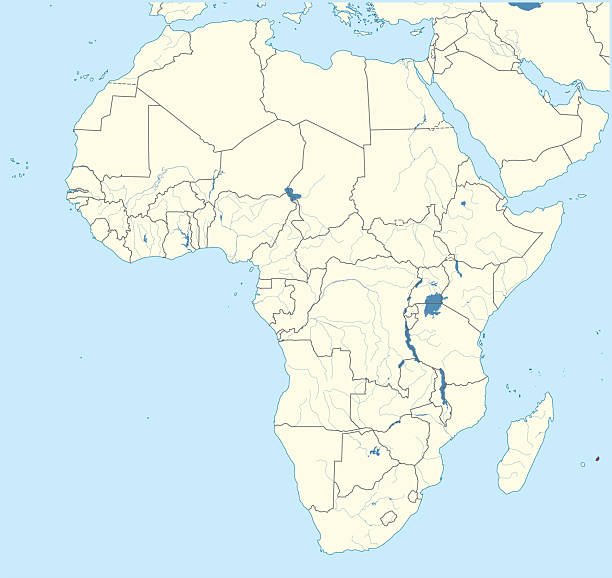
Kinshasa is definitively located in Central Africa, serving as the sprawling capital city of the Democratic Republic of Congo (DRC). Situated prominently on the south bank of the mighty Congo River, it faces its smaller counterpart, Brazzaville, the capital of the Republic of the Congo, creating the only place in the world where two national capitals are directly opposite each other across a river.
The Precise Geographic Location of Kinshasa
To pinpoint exactly where Kinshasa is on the African map, one must look to the heart of the continent. It lies approximately at coordinates 4.3° South latitude and 15.3° East longitude, positioning it firmly within the equatorial region. This strategic location places Kinshasa at the western edge of the expansive Congo Basin, a region renowned for its dense rainforests and incredible biodiversity. The city's proximity to the equator results in a tropical climate characterized by high temperatures and significant rainfall throughout much of the year, with distinct wet and dry seasons.
Kinshasa's position on the Congo River is not merely geographical; it is fundamental to its identity and historical development. The river is a vital artery for transportation, trade, and even electricity generation, with hydroelectric dams further upstream impacting the entire region. This unique setting makes Kinshasa a crucial urban center in Central Africa, distinguishing it from other major African cities located on coastlines or plateaus. Understanding Kinshasa's geography reveals its profound connection to its natural environment and its role as a gateway to the vast interior of the Democratic Republic of Congo.
Historical Roots: From Léopoldville to Kinshasa
Colonial Origins and Naming
The history of Kinshasa is deeply intertwined with the colonial era. The city was founded in 1881 by Henry Morton Stanley, the famous explorer, who named it Léopoldville in honor of King Leopold II of Belgium. During this period, it served as a crucial trading post and later as an administrative center for the Belgian Congo. Its strategic location at the navigable lowest point of the Congo River, before a series of rapids made further upstream navigation impossible without significant engineering, made Léopoldville a crucial hub for goods and people moving into and out of the vast interior of what is now the DRC.
Léopoldville grew steadily, attracting workers and settlers, and developing into a significant urban area by the mid-20th century. Its role as the capital of the Belgian Congo solidified its importance, laying the groundwork for its future as a major African metropolis. This foundational period established many of the urban patterns and infrastructure that would evolve into modern Kinshasa.
Post-Independence Transformation
When the Democratic Republic of Congo gained independence in 1960, the city retained its status as the national capital. However, in 1966, amidst a wave of Africanization and efforts to shed colonial legacies following independence, President Mobutu Sese Seko renamed the city from Léopoldville to Kinshasa. This name change honored an existing fishing village located within the city's boundaries, symbolizing a break from the colonial past and a reclamation of indigenous identity. This transition marked a new chapter for the city, positioning it at the forefront of national development and pan-African aspirations, solidifying its place as the DRC capital city and a symbol of national pride.
Kinshasa: A Dynamic African Megacity
Population and Urban Sprawl
Kinshasa is not just the capital of the DRC; it is one of the largest cities in Africa by population. Its rapid growth over the past few decades has seen it transform into a massive urban agglomeration, rivaling and even surpassing many European capitals in terms of sheer numbers. Estimates vary, but the population is well into the tens of millions, making it a true African megacity. This explosive growth brings both immense challenges and vibrant opportunities, shaping the daily lives of its diverse inhabitants.
The city's urban landscape is a mosaic of bustling commercial districts, sprawling residential areas, and informal settlements. This growth is a testament to the city's magnetic pull as a center for economic activity, education, and culture within the region. Navigating Kinshasa's vast urban expanse can be an adventure in itself, showcasing the diverse tapestry of life in a rapidly developing Central Africa city. The sheer scale of Kinshasa's population makes it a significant player in regional demographics and urban studies.
The Heart of DRC's Economy
As the capital, Kinshasa serves as the economic engine of the Democratic Republic of Congo. It is the primary port and a major administrative and industrial center. The city's economy is incredibly diverse, encompassing various sectors that drive national development. Key areas include:
- Trade and Commerce: Kinshasa is a hub for both formal and informal markets, facilitating the movement of goods across the country and beyond. Its vibrant marketplaces are central to the local economy.
- Manufacturing: Industries ranging from food processing and textiles to chemicals and consumer goods contribute significantly to the city's output and employment.
- Services Sector: A rapidly growing sector including finance, telecommunications, and hospitality, reflecting modernization and increasing connectivity.
- Logistics: Its strategic position on the Congo River makes it vital for riverine and overland transport, connecting the vast interior with international trade routes.
Despite significant economic activity, Kinshasa faces substantial economic challenges, including high unemployment, poverty, and a reliance on the informal sector. However, its potential for growth, driven by a young and entrepreneurial population and the DRC's vast natural resources, remains immense, making it a pivotal economic hub in Central Africa.
Cultural Vibrancy: The Soul of Kinshasa
Music and Art
Kinshasa is world-renowned for its incredible cultural output, particularly its music. The city is often referred to as the "heart of African music," being the birthplace and incubator of iconic genres like Rumba Congolese and later, Ndombolo. Artists from Kinshasa have achieved international fame, influencing music across the continent and beyond. The city's vibrant nightlife, filled with live music venues and dance clubs, is a testament to this enduring musical legacy, making Kinshasa a true cultural powerhouse in Africa.
Beyond music, Kinshasa boasts a burgeoning art scene. The Académie des Beaux-Arts is a significant institution, nurturing generations of Congolese artists whose work often reflects the unique social, political, and cultural dynamics of the nation. Street art and vibrant murals also contribute to the city's artistic expression, providing a visual narrative of urban life and contemporary issues. This rich artistic landscape solidifies Kinshasa's cultural importance.
Languages and Identity
While French is the official language of the Democratic Republic of Congo, Lingala is the predominant lingua franca spoken in Kinshasa. This melodious Bantu language is central to the city's identity and is widely used in music, media, and everyday communication. The linguistic diversity, including Swahili, Kikongo, and Tshiluba spoken by various ethnic groups from across the country, adds to the rich cultural tapestry of the city. Understanding Kinshasa's linguistic landscape is key to appreciating its social fabric and the unique blend of traditions that converge in this Congo River megacity.
Landmarks and Life in Kinshasa
Iconic Structures and Natural Beauty
The cityscape of Kinshasa offers a mix of modern and traditional elements. Key landmarks provide glimpses into its history, governance, and daily life:
- The Palais du Peuple (People's Palace), housing the national parliament, stands as a symbol of Congolese democracy.
- The Congo River itself, providing scenic views, vital transport links, and a natural border, is perhaps the city's most significant natural landmark.
- The Kinshasa Central Market (Marché Central), though often congested, provides an authentic glimpse into local commerce and daily life, bustling with activity.
- The Cathédrale Notre-Dame du Congo, a significant religious landmark with striking architecture.
- The Tour de l'Échangeur, a prominent tower offering panoramic views of the sprawling city.
For those interested in wildlife conservation, the nearby Lola ya Bonobo Sanctuary offers a unique opportunity to observe bonobos, an endangered great ape species native exclusively to the Congo Basin. This sanctuary highlights the region's incredible biodiversity and ongoing conservation efforts, emphasizing the natural heritage surrounding Kinshasa's location.
Daily Life and Challenges
Life in Kinshasa is characterized by a dynamic energy, resilience, and a palpable sense of community. However, like many rapidly expanding cities in developing nations, it faces significant challenges. These include:
- Infrastructure Deficits: Issues with roads, public transportation, electricity, and water supply often test the resilience of its inhabitants.
- Environmental Concerns: Waste management, air pollution, and sanitation are persistent problems that the city continually grapples with.
- Socio-Economic Disparities: A stark contrast exists between wealthy districts and impoverished neighborhoods, reflecting broader national economic challenges.
- Healthcare and Education: Access to quality services remains a critical area for development, with ongoing efforts to improve public health and educational outcomes.
Despite these hurdles, the spirit of Kinshasa endures, driven by the ingenuity and determination of its people. Efforts are continuously underway to improve living standards and build a more sustainable future for this vital African urban center, recognizing its strategic importance for the entire Democratic Republic of Congo.
Why Kinshasa's Location Matters on the Global Stage
The question of "Where is Kinshasa in Africa?" goes beyond simple geography; it underscores the city's profound significance. As the capital of the Democratic Republic of Congo, a country rich in natural resources (such as cobalt, copper, and diamonds) and geopolitical importance, Kinshasa plays a critical role in regional and global affairs. Its immense and rapidly growing population makes it a significant consumer market and a reservoir of human capital, attracting international attention and investment. Its strategic location at the confluence of major African trade routes and as the gateway to the vast Congo Basin gives it unparalleled influence over the economic and cultural flows within Central Africa.
Understanding Kinshasa's location and context is essential for anyone studying African politics, economics, or culture. It is a city that embodies the complexities and potential of modern Africa – a place where ancient traditions meet rapid urbanization, and where challenges are met with unwavering spirit. Its role as a major hub for various international organizations and diplomatic missions further cements its global relevance, making Kinshasa an indispensable city in the narrative of Africa's future.
Conclusion
In conclusion, Kinshasa is a vibrant, sprawling metropolis located in Central Africa, proudly serving as the capital of the Democratic Republic of Congo. Its precise location on the south bank of the Congo River, directly opposite Brazzaville, is a defining geographical feature that has shaped its history and continues to influence its development. More than just a dot on the map, Kinshasa represents a powerhouse of culture, an economic engine for the DRC, and a city grappling with the exhilarating challenges of rapid growth and development. From its colonial past as Léopoldville to its current status as one of Africa's largest and most dynamic cities, Kinshasa's place in Africa is undeniably central, pivotal, and deeply influential, making it a critical focus for understanding the continent's present and future.
Enjoyed this read?
Share it with your friends and colleagues.