Is Kwanzaa Celebrated In Africa

BSC Insights Admin
October 01, 2026
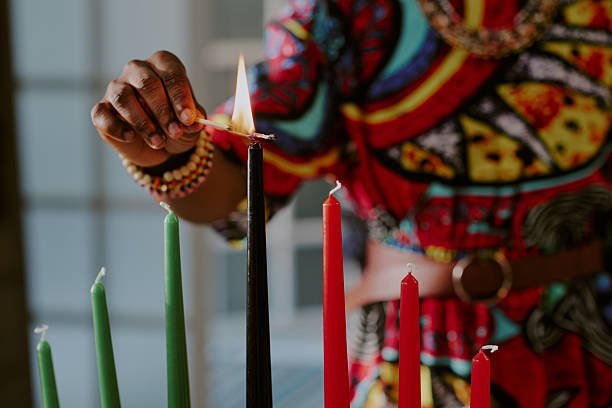
When pondering the origins and observance of cultural holidays, a common question arises regarding Kwanzaa: Is Kwanzaa celebrated in Africa? The simple answer is generally no, Kwanzaa is not widely celebrated in Africa. Kwanzaa is an African-American holiday, a cultural celebration developed in the United States specifically for people of African descent to connect with their African heritage and cultural identity, rather than a traditional African festival practiced on the continent itself.
While Kwanzaa draws heavily from various African harvest festivals and philosophical traditions, incorporating Swahili terms and pan-African symbols, its creation and primary observance are rooted in the experience of the African diaspora, particularly in North America. This article will delve into the origins of Kwanzaa, its principles, how it differs from traditional African celebrations, and why its observance remains largely outside the African continent.
Understanding Kwanzaa: Origins and Purpose
Kwanzaa was established in 1966 by Dr. Maulana Karenga, a professor of Black Studies at California State University, Long Beach. Dr. Karenga created Kwanzaa during the height of the Civil Rights and Black Power movements in the United States. His intention was to give African Americans a holiday that would help them reconnect with their cultural and historical heritage, promoting unity, self-determination, and a strong sense of community. The name Kwanzaa itself is derived from the Swahili phrase matunda ya kwanza, meaning “first fruits,” reflecting the holiday's inspiration from various African harvest celebrations.
The holiday is celebrated annually from December 26 to January 1, culminating in a feast and gift-giving. It is a time for reflection, reaffirmation of community bonds, and celebration of African-American culture. Kwanzaa is not a religious holiday, though many who observe it also celebrate religious festivals like Christmas or Hanukkah. Instead, it is a cultural observance that emphasizes values and principles aimed at strengthening the African-American community.
The Nguzo Saba: The Seven Principles of Kwanzaa
Central to the observance of Kwanzaa are the Nguzo Saba, or the Seven Principles. These principles, expressed in Swahili, are intended to be practiced daily throughout the year, not just during the holiday period. They form the foundation of Kwanzaa's philosophical framework and are designed to build and reinforce community among African Americans. Each day of Kwanzaa is dedicated to one of these principles:
- Umoja (Unity): To strive for and maintain unity in the family, community, nation, and race.
- Kujichagulia (Self-Determination): To define ourselves, name ourselves, create for ourselves, and speak for ourselves, instead of being defined, named, created for, and spoken for by others.
- Ujima (Collective Work and Responsibility): To build and maintain our community together and make our brothers' and sisters' problems our problems and to solve them together.
- Ujamaa (Cooperative Economics): To build and maintain our own stores, shops, and other businesses and to profit from them together.
- Nia (Purpose): To make our collective vocation the building and developing of our community in order to restore our people to their traditional greatness.
- Kuumba (Creativity): To do always as much as we can, in the way we can, in order to leave our community more beautiful and beneficial than we inherited it.
- Imani (Faith): To believe with all our heart in our people, our parents, our teachers, our leaders, and the righteousness and victory of our struggle.
These principles underscore the holiday's focus on community building, self-reliance, and cultural empowerment for the African diaspora. They are a direct response to the historical and ongoing challenges faced by African Americans.
Why Kwanzaa is Not Widely Celebrated in Africa
The primary reason Kwanzaa is not widely celebrated in Africa lies in its specific origin and purpose. It was created as a cultural bridge for a segment of the African diaspora. Here are several key factors explaining this distinction:
Kwanzaa's Specific Diasporic Context
Kwanzaa emerged from the unique historical experiences of African Americans, including slavery, racial discrimination, and the quest for identity and liberation within a predominantly white society. It provides a framework for cultural affirmation that resonates deeply with this specific historical context. People living on the African continent generally have their own diverse and ancient cultural traditions, languages, and national identities that have not been severed in the same way as those of the diaspora.
Rich Tapestry of Traditional African Festivals
Africa is a vast continent comprising 54 recognized countries and thousands of distinct ethnic groups, each with its own rich array of traditional festivals, ceremonies, and celebrations. These indigenous celebrations are deeply rooted in local customs, spiritual beliefs, agricultural cycles, and historical events. Examples include:
- Homowo Festival (Ghana): Celebrated by the Ga people to hoot at hunger, commemorating their triumph over famine.
- Osun-Osogbo Festival (Nigeria): An annual festival held in honor of the Yoruba goddess of fertility, Osun.
- Incwala (Eswatini): The “first fruits” ceremony, a national ceremony of kingship, celebrated by the Swazi people.
- Fête des Masques (Burkina Faso): A festival where villagers don elaborate masks to honor ancestral spirits.
These are just a few examples of the myriad of indigenous celebrations that thrive across Africa. Kwanzaa, while inspired by the spirit of such festivals, is not one of them and thus holds no traditional or historical significance for most African communities.
National and Ethnic Identity vs. Pan-African Identity
While many Africans recognize and value a broader Pan-African identity, their daily lives and primary cultural observances are typically tied to their specific national, ethnic, and linguistic groups. For someone in Senegal, their Wolof traditions might be paramount; for a Kenyan, their Maasai or Kikuyu heritage. Kwanzaa's aim of connecting to a generalized “African heritage” is a concept more pertinent to those who have been historically disconnected from specific ancestral lines and traditions due to the transatlantic slave trade.
Lack of Historical Roots in Africa
Kwanzaa has no historical or traditional precedent on the African continent. It was consciously constructed in the 20th century in the United States. Therefore, it is not a part of the ancestral memory or cultural fabric of African nations in the way that their own ancient festivals are.
African Influence vs. African Celebration
It is important to distinguish between Kwanzaa being influenced by African culture and Kwanzaa being a celebration native to Africa. Dr. Karenga meticulously researched various African traditions to create Kwanzaa. For instance:
- Swahili Language: The use of Swahili, a lingua franca in East Africa, lends an authentic pan-African feel to the holiday.
- Symbols: The symbols of Kwanzaa, such as the mkeka (mat), kinara (candleholder), mazao (crops), and kikombe cha umoja (unity cup), are inspired by traditional African artifacts and harvest customs.
- Harvest Festival Model: The concept of celebrating a “first fruits” harvest is common across various African cultures, and Kwanzaa emulates this spirit.
Despite these profound influences, the adoption of these elements into a new, distinct cultural holiday for African Americans does not translate into its observance on the continent. The influence is undeniable, but the practice remains largely diasporic.
Global Observance of Kwanzaa
While Kwanzaa's primary observance is within the United States, it has gained some traction among people of African descent in other parts of the world who share a similar history of diaspora and a desire to connect with African heritage. Communities in the Caribbean, parts of South America (like Brazil), Canada, and the United Kingdom may observe Kwanzaa, albeit on a smaller scale than in the U.S. These communities often share similar motivations to African Americans: to affirm cultural identity, promote unity, and celebrate their lineage.
However, even within these global diasporic communities, the scale of Kwanzaa celebration varies significantly. It remains predominantly an African-American cultural institution.
The Significance of Kwanzaa for the African Diaspora
For the African diaspora, particularly in the United States, Kwanzaa serves several crucial functions:
- Cultural Affirmation: It provides a dedicated time and framework for reaffirming African identity and values in societies where these may have been historically suppressed or marginalized.
- Community Building: The Nguzo Saba principles actively promote unity, collective work, and cooperative economics, fostering stronger community bonds.
- Educational Tool: Kwanzaa offers an opportunity to educate younger generations about African history, philosophy, and cultural values.
- Alternative to Commercialism: Coming after Christmas, Kwanzaa offers a period of reflection focused on values rather than consumerism, providing a meaningful alternative or complement to existing holidays.
By providing these essential functions, Kwanzaa plays a vital role in the ongoing cultural resilience and self-determination of the African-American community.
Conclusion
In summary, Kwanzaa is not widely celebrated in Africa. It is a distinct African-American cultural holiday, created in the United States in 1966 by Dr. Maulana Karenga, designed to help people of African descent in the diaspora reconnect with their heritage and strengthen community bonds through the observance of the Nguzo Saba (Seven Principles). While deeply inspired by African traditions, languages, and harvest festivals, Kwanzaa serves a specific purpose for those whose direct ancestral links to the continent were disrupted. African nations and ethnic groups have their own rich, ancient, and diverse indigenous festivals and cultural practices that form the core of their celebrations. Kwanzaa remains a powerful symbol of cultural pride and unity primarily for the African diaspora, embodying the spirit of Pan-Africanism while distinct from the traditional practices found across the continent itself.
Enjoyed this read?
Share it with your friends and colleagues.