Is There Leopards In Africa

BSC Insights Admin
October 01, 2026
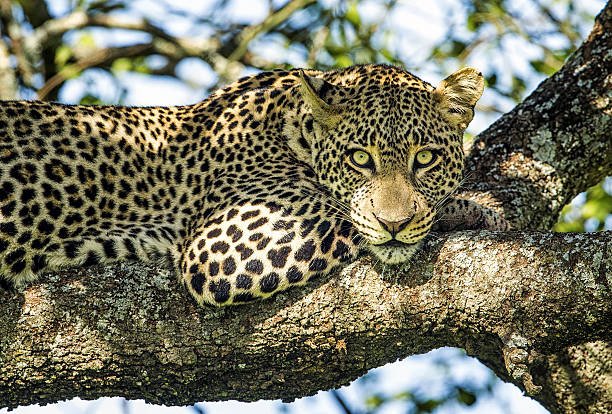
Yes, there are absolutely leopards in Africa! The African leopard (Panthera pardus pardus) is one of the continent's most widespread and adaptable big cats, found across diverse habitats from dense forests to arid savannas. Renowned for their incredible camouflage and solitary nature, these elusive predators are a vital part of Africa's ecosystem and a sought-after sight for safari enthusiasts.
As one of Africa's iconic 'Big Five' animals, the presence of leopards adds a profound sense of wilderness and excitement to any African safari experience. Their remarkable ability to adapt to various environments, coupled with their nocturnal and secretive habits, makes them fascinating subjects for wildlife enthusiasts and a testament to the continent's rich biodiversity. Understanding where these magnificent creatures live, their behaviors, and their conservation status is key to appreciating their role in the African wild.
The African Leopard: A Master of Adaptation and Survival
The African leopard is a truly remarkable animal, distinguished by its strength, agility, and incredible stealth. Unlike some other large predators, leopards are highly opportunistic and can thrive in a variety of challenging environments, making their presence felt across much of sub-Saharan Africa.
Where Do African Leopards Live? Their Vast Habitat
One of the most frequently asked questions is where do leopards live in Africa? The answer highlights their extraordinary adaptability. African leopards boast the largest distribution of any wild cat, occupying almost all of sub-Saharan Africa. Their preferred leopard habitat Africa ranges from rainforests to savannas, grasslands, mountains, and even semi-deserts, provided there is sufficient cover and prey.
- Sub-Saharan Africa: A Leopard Stronghold: Their range extends from the Cape in the south, through the dense forests of Central Africa, and up to the arid fringes of the Sahel. While they are present across this vast area, their population density varies significantly depending on habitat quality and human impact.
- Specific Regions: Deserts to Rainforests: You can find leopards in the dense riverine forests of the Okavango Delta, the vast plains of the Serengeti, the rugged mountains of the Drakensberg, and the acacia woodlands of Kruger National Park. This wide distribution underscores their ability to adjust to different ecological niches, a key factor in the long-term survival of leopard population Africa.
Physical Characteristics of the African Leopard: Built for Survival
The physical attributes of the African leopard are perfectly designed for its role as an apex predator. These African leopard facts showcase their evolutionary prowess:
- Size and Weight Variation: Male leopards are generally larger than females, weighing between 60 to 90 kilograms (132-198 lbs) and standing about 60-70 cm (24-28 inches) at the shoulder. Females typically weigh 30 to 60 kg (66-132 lbs). Their length, including the tail, can reach up to 2.5 meters (8.2 feet). Their size can also vary geographically, with leopards in more open, prey-rich areas often being larger.
- Iconic Rosettes: Camouflage Perfected: The most distinguishing feature of the leopard is its coat of dark spots grouped into rosettes against a tawny or yellowish background. This intricate pattern provides superb camouflage, allowing them to blend seamlessly with their surroundings, whether in dappled sunlight or dense foliage. The unique pattern of rosettes acts like a fingerprint, distinct for each individual leopard.
- Powerful Physiology: Speed, Strength, Agility: Leopards possess immense strength, enabling them to drag carcasses several times their own weight up trees to protect them from scavengers like lions and hyenas. They are incredibly agile climbers, excellent swimmers, and can run at speeds of up to 58 km/h (36 mph) over short distances. Their short, powerful legs and muscular build make them formidable hunters.
Life of an African Leopard: Solitary Hunters and Elusive Survivors
Understanding the behavior of African leopards is crucial for appreciating their cunning and survival strategies. They are largely solitary animals, preferring to hunt alone and avoid confrontation with other large predators.
Diet and Hunting Strategies: Apex Predators of the Night
The leopard diet Africa is incredibly diverse, showcasing their opportunistic nature. They are carnivores with a broad palate, allowing them to adapt to whatever prey is available in their territory.
- Diverse Prey: From Insects to Antelopes: Leopards hunt a wide range of animals, from small insects, rodents, and birds to medium-sized antelopes like impala, kudu, and springbok. They also prey on warthogs, baboons, and sometimes even larger animals if the opportunity arises. This varied diet is a significant factor in their wide distribution.
- Ambush Tactics and Tree Cache Behavior: Leopards are primarily nocturnal hunters, relying on their stealth and excellent night vision. They stalk their prey silently, often using dense cover, before launching a quick, powerful ambush. A unique and defining behavior is their habit of dragging large kills up trees. This ensures their food is safe from scavengers like lions and hyenas, allowing them to feed over several days. This behavior is a key African leopard fact that distinguishes them from other big cats.
Reproduction and Lifecycle: Raising the Next Generation
Leopardesses typically give birth to litters of 1-3 cubs after a gestation period of about 90-105 days. The cubs are born blind and helpless and remain hidden in dense vegetation or rocky crevices for their first few weeks. The mother meticulously moves them between den sites to avoid detection by predators. Cubs stay with their mother for up to two years, learning vital hunting and survival skills before venturing out to establish their own territories. This period is critical for their development and for ensuring the health of the leopard population Africa.
Social Structure: The Solitary Nature of Leopards
Unlike lions, which live in prides, leopards are largely solitary. Adult males and females typically only come together for mating. Each leopard maintains a personal territory, which they mark with urine, feces, and claw marks on trees. Male territories often overlap with those of several females, but they will defend their boundaries fiercely against other males. This solitary lifestyle minimizes competition for food and space, contributing to their success in diverse habitats.
Encountering Leopards in Africa: Safari Tips and Best Locations
Spotting a leopard on safari to see leopards is often considered the highlight of an African wildlife experience due to their elusive nature. Knowing where and how to look can significantly increase your chances.
Top Safari Destinations for Leopard Sightings
While leopards are widespread, some areas offer consistently better opportunities for sightings due to high leopard density and excellent guiding:
| Destination | Country | Why It's Great for Leopards |
|---|---|---|
| Sabi Sand Game Reserve | South Africa | World-renowned for habituated leopards, high density, exceptional photographic opportunities. |
| Kruger National Park | South Africa | Excellent infrastructure, diverse habitats, good sightings particularly in riparian areas. |
| Serengeti National Park | Tanzania | Vast plains, riverine forests, strong leopard populations, particularly in the Seronera Valley. |
| Okavango Delta | Botswana | Water-rich environment, dense vegetation, provides ideal hunting grounds and cover. |
| South Luangwa National Park | Zambia | Known for high leopard density and incredible night drives, offering unique viewing experiences. |
Tips for Spotting This Elusive Cat
- Look Up: Leopards frequently rest and store kills in trees. Always scan the branches, especially large horizontal ones.
- Early Morning and Late Afternoon/Night Drives: These are their most active hunting times. Many private reserves offer night drives, significantly increasing your chances.
- Listen to the Birds: Alarms calls from monkeys and birds can often indicate the presence of a predator, including a leopard.
- Be Patient and Quiet: Leopards are easily disturbed. A quiet approach and patient observation are key.
- Professional Guides: Experienced safari guides and trackers are invaluable. They know the territories, signs, and habits of individual leopards.
Leopards and the "Big Five": An Iconic Member
The term Big Five Africa refers to the lion, leopard, elephant, rhino, and Cape buffalo. Originally coined by big-game hunters for the five most difficult and dangerous animals to hunt on foot, it has evolved into a popular safari term. Leopards are considered the most difficult of the Big Five to spot due to their elusive nature, making a sighting all the more rewarding for visitors to Africa.
Conservation Status and Threats to African Leopards
Despite their adaptability and wide range, leopards in Africa face significant challenges. The International Union for Conservation of Nature (IUCN) lists the African leopard as Vulnerable on its Red List.
Current Status: Vulnerable but Resilient
While the overall population is declining, leopards are resilient. However, localized populations are under severe threat, and significant conservation efforts are needed to ensure their long-term survival across their historical range.
Major Threats: Habitat Loss, Poaching, Human-Wildlife Conflict
The primary threats to leopard conservation Africa include:
- Habitat Loss and Fragmentation: As human populations expand, natural habitats are converted for agriculture, infrastructure, and settlements, reducing the space available for leopards and fragmenting their territories.
- Prey Depletion: Poaching and overhunting of their natural prey by humans reduce the food available for leopards, forcing them to seek livestock, which often leads to conflict.
- Retaliatory Killing: When leopards prey on domestic livestock, farmers often retaliate by killing them, either through shooting, trapping, or poisoning. This is a significant factor in areas bordering human settlements.
- Poaching for Illegal Wildlife Trade: Leopards are hunted for their beautiful skins, teeth, and claws, which are used in traditional medicine and fashion, particularly in parts of Asia and Africa.
Conservation Efforts: Protecting the Future of African Leopards
Numerous organizations and governments are working to protect African leopards. These efforts include:
- Protected Areas: Establishing and maintaining national parks and game reserves where leopards are safe from human disturbance.
- Community Engagement: Working with local communities to implement conflict mitigation strategies, such as predator-proof enclosures for livestock and compensation schemes for losses.
- Anti-Poaching Initiatives: Increased patrols, intelligence gathering, and enforcement to combat illegal hunting and trade.
- Research and Monitoring: Studying leopard populations, movements, and genetics to inform effective conservation strategies.
- Corridor Development: Creating safe passages for leopards between fragmented habitats to ensure genetic diversity and reduce isolation.
Dispelling Myths and Common Misconceptions
There are a few common misunderstandings about leopards in Africa that are worth addressing.
Black Leopards in Africa: A Melanistic Marvel (Not a Separate Species)
The phenomenon of a black leopard Africa is often misunderstood. So-called 'black panthers' are not a distinct species but rather leopards (or jaguars in the Americas) with a melanistic gene mutation. This means they have an excess of dark pigment, making their fur appear black. Upon closer inspection in certain light, their rosette patterns are still visible. While more common in dense, dark forests (where their darker coloration provides better camouflage), black leopards are rare but do occur in Africa, though less frequently than in parts of Asia (e.g., Javan leopards) or South America (jaguars).
Leopards vs. Jaguars: Distinct Continents, Similar Roles
The question of leopard vs jaguar Africa often arises. It's important to clarify that jaguars are found exclusively in the Americas, primarily Central and South America. Leopards are native to Africa and Asia. While they share a similar spotted appearance and occupy similar ecological niches as apex predators, they are distinct species found on different continents. Jaguars are generally more robust and have larger, less numerous rosettes with a central spot, distinguishing them visually from leopards.
Conclusion
In conclusion, the answer to "Is there leopards in Africa?" is a resounding yes. These magnificent and highly adaptable predators are an integral part of Africa's diverse ecosystems, showcasing incredible strength, stealth, and resilience. From the sprawling savannas to the dense forests, African leopards continue to captivate with their elusive beauty and critical role as apex predators. While they face increasing threats from habitat loss and human-wildlife conflict, dedicated conservation efforts are striving to secure their future, ensuring that these iconic big cats will continue to roam the African wilderness for generations to come. Spotting an African leopard on safari remains one of the most thrilling and memorable experiences a wildlife enthusiast can have, a true testament to the continent's wild heart.
Enjoyed this read?
Share it with your friends and colleagues.