Which Country In Africa Is The Lion Of Africa

BSC Insights Admin
October 01, 2026
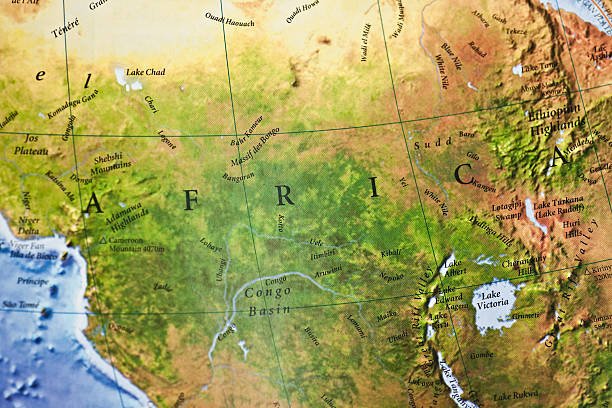
Identifying which country in Africa is the Lion of Africa typically leads to Ethiopia because of its deep-rooted historical and imperial association with the Lion of Judah symbol. While the term is often synonymous with Ethiopia's ancient monarchy, it is also frequently used to describe Libya in honor of the anti-colonial hero Omar Mukhtar, known as the Lion of the Desert. In a modern sense, several other nations claim this title through their sporting achievements or economic dominance, reflecting the diverse ways the symbol of the lion defines African strength.
The metaphor of the lion is deeply woven into the fabric of the continent, representing sovereignty, bravery, and leadership. To understand the full scope of this title, we must examine the historical, cultural, and economic factors that elevate certain nations to this prestigious status.
These are the Countries In Africa That are the Lion of Africa
The title of the Lion of Africa is not officially held by a single nation, but is rather a symbolic honor bestowed upon countries that have shown exceptional resilience or power. When we look at which country that is the Lion of Africa in Africa, we see a transition from ancient imperial legacies to modern-day sporting and economic triumphs. These nations embody the spirit of the king of the jungle through their political history, their fierce resistance against colonization, or their dominance in continental affairs. The following list details the nations that are most frequently associated with this powerful title and the unique reasons behind their lion-like reputation.
1. Ethiopia
Ethiopia is arguably the most authentic African country which is the Lion of Africa due to the long-standing tradition of the Lion of Judah. For centuries, the Solomonic dynasty claimed descent from King Solomon and the Queen of Sheba, using the lion as a central emblem of their imperial authority and divine right to rule. The Conquering Lion of the Tribe of Judah appeared on the national flag for decades and remains a potent symbol of Ethiopian identity and Pan-African pride. This association was further popularized globally by the Rastafarian movement, which reclaims the lion as a symbol of Emperor Haile Selassie I. In the heart of Addis Ababa, the Lion of Judah monument stands as a testament to the nation’s survival as the only African country never to be colonized. This historical resilience and the majestic nature of its ancient monarchy make Ethiopia the primary claimant to the title.
2. Libya
Libya is frequently referred to as the country in Africa the Lion of Africa because of the legendary resistance leader Omar Mukhtar. Known as the "Lion of the Desert," Mukhtar led the native resistance against Italian colonization for nearly twenty years in the early 20th century. His tactical genius, bravery, and refusal to surrender even in the face of capture earned him a place as a continental hero of liberation. Today, his image is found on Libyan currency and his legacy is taught across Africa as a symbol of defiance against external oppression. The term Lion of Africa in the Libyan context is a tribute to the fierce and unyielding spirit of its people in defending their territory. Even in modern political discourse, this lion-hearted history is used to inspire national unity and resilience during times of transition.
3. Morocco
Morocco is celebrated as a sporting country in Africa the Lion of Africa through its national football team, known as the Atlas Lions. The name pays homage to the now-extinct Atlas Lion, which once roamed the North African mountains and was a symbol of strength in the region. The team has consistently lived up to this name, becoming the first African nation to reach the semi-finals of a FIFA World Cup in 2022. This historic achievement sent waves of pride throughout the continent, with many viewing the Atlas Lions as the modern protectors of African footballing honor. The lion symbol is also integrated into the Moroccan royal crest, symbolizing the Alawite dynasty's connection to strength and tradition. Morocco’s ability to compete on the global stage with ferocity and grace has solidified its reputation as a modern lion of the continent.
4. Nigeria
Nigeria is often described as the economic African country which is the Lion of Africa because of its massive population and dominant market influence. As the most populous nation and one of the largest economies, Nigeria acts as the "Lion of the West," dictating trade patterns and cultural trends across the region. The country’s entrepreneurial spirit and the global reach of its entertainment industry, Nollywood, are seen as the "roar" that announces Africa’s presence to the world. In the business world, Nigerian firms are often likened to lions for their aggressive expansion and leadership in sectors like telecommunications and banking. The nation’s role in peacekeeping and its diplomatic weight within the African Union further reinforce its status as a continental leader. Nigeria’s power is not just in its size, but in the influential energy it projects across all of sub-Saharan Africa.
5. Senegal
Senegal is one of the African countries that are the Lion of Africa through its deeply cherished "Lions of Teranga" identity. The word Teranga translates to hospitality, but the lion represents the strength and courage that underpin the Senegalese national spirit. In 2022, the national team further cemented this title by winning the Africa Cup of Nations, proving their dominance on the continental pitch. The lion is more than just a mascot; it is a symbol of the nation's stability and its role as a beacon of democracy in West Africa. Senegal’s consistent peaceful transitions of power and its diplomatic finesse give it a lion-like authority in regional politics. For the people of Senegal, the lion signifies a balance between fierce protection of their values and the warmth of their legendary hospitality.
6. Cameroon
Cameroon is a legendary country in Africa the Lion of Africa, famously known as the home of the "Indomitable Lions." This title was earned through the national football team's incredible performances in the late 20th century, particularly during the 1990 World Cup where they captivated the world. The term "Indomitable" was added to the lion symbol to reflect a spirit that cannot be tamed or defeated, a sentiment that resonates with the Cameroonian people. Beyond sports, the lion is a symbol used by the state to represent national unity among its diverse ethnic groups. The country’s diverse geography, ranging from rain forests to savannas, is also the actual home of some of the continent's remaining lion populations. Cameroon’s presence in Central African affairs is often viewed through the lens of this indomitable strength, marking it as a regional powerhouse.
7. Tanzania
Tanzania holds a literal claim to being an African country which is the Lion of Africa because it hosts the largest population of lions in the world. The Serengeti National Park and the Ngorongoro Crater are world-renowned as the premier places to see these majestic cats in their natural habitat. This biological abundance has made the lion a central part of Tanzania’s national brand and its multi-billion dollar tourism industry. Symbolically, the lion represents the nation’s commitment to conservation and the preservation of Africa’s natural heritage for future generations. Many traditional Tanzanian cultures, such as the Maasai, have ancient rituals and stories centered around the lion, viewing it as a worthy adversary and a symbol of manhood. Tanzania’s stability and its role as a sanctuary for wildlife and peace make it the literal heart of the lion’s kingdom on the continent.
8. South Africa
South Africa is an African country which is the Lion of Africa in terms of its industrial might and its role as a gateway for global investment. Much like the lion is the top predator in the wild, South Africa has historically been the top economic player in the southern region, possessing advanced infrastructure and financial systems. The "Big Five," with the lion at the forefront, is a major component of South African identity and a primary driver of its international tourism. The nation’s struggle against apartheid and its eventual triumph is often described as a lion-hearted effort for justice and equality. Figures like Nelson Mandela are frequently associated with the qualities of a lion—patience, strength, and an unbreakable will. Today, the country continues to use its lion-like influence to advocate for the Global South and the African continent in international forums like the G20.
9. Ghana
Ghana is frequently mentioned among the countries in Africa that are the Lion of Africa because of its historical role as the first sub-Saharan nation to gain independence. This pioneering spirit made Ghana the "Lion of African Independence," leading the way for other nations to break the chains of colonial rule. Under the leadership of Kwame Nkrumah, Ghana became the center of Pan-Africanism, a movement that sought to unify the continent’s "lions" into a single, powerful force. The lion symbol is found in various traditional Ghanaian heraldries and is often used by traditional rulers, or Chiefs, to signify their power and protection over their people. Ghana’s reputation for peace and its thriving democratic institutions are seen as the quiet strength of a lion that does not need to roar to be respected. The nation remains a moral compass for the continent, embodying the dignity and leadership associated with the king of beasts.
10. Kenya
Kenya is a country in Africa the Lion of Africa that blends cultural symbolism with a modern, fast-growing economy. The lion is the national animal of Kenya, featured prominently on its coat of arms and on its currency, symbolizing the protection of the state. For the world, Kenya is synonymous with the classic African safari, where the sight of a lion on the plains of the Maasai Mara is the ultimate travel experience. Culturally, the lion plays a massive role in the folklore of Kenya’s many tribes, representing the highest level of bravery a warrior can achieve. In the modern era, Kenya’s leadership in technology and innovation, often called the "Silicon Savannah," is seen as a new kind of lion-like dominance. The country’s ability to maintain its wild heritage while sprinting toward a digital future makes it a unique and powerful representative of the African lion spirit.
Reasons Why These Countries Are the Lion of Africa in Africa
1. Unyielding Historical Resistance: One of the main reasons a country in Africa the Lion of Africa receives this title is its history of standing firm against external threats. Ethiopia and Libya are the primary examples of this, as their leaders and people showed a lion-like ferocity in defending their land. This historical bravery creates a legacy that subsequent generations use to define their national identity and their place on the continent. When a nation successfully resists or defeats a colonial power, it earns the eternal respect of its neighbors as a protector of African sovereignty.
2. Global Sporting Excellence: In the 21st century, sports have become the primary way for a country in Africa that is the Lion of Africa to assert its dominance. Nations like Morocco, Cameroon, and Senegal use the lion as a branding tool that strikes fear into opponents and builds national pride. Their success on the football pitch is often seen as a metaphor for the continent's potential to compete and win against the world's most developed nations. The "roar" of a stadium full of fans cheering for their "Lions" is a powerful manifestation of modern African unity.
3. Economic and Demographic Weight: A nation that acts as an economic African country which is the Lion of Africa does so by being the leader in trade and innovation. Nigeria and South Africa are the lions of the business world, with their corporations and markets driving the continent's overall growth. Their ability to influence the economic health of their respective regions gives them a position of power that mirrors the lion's role in the animal kingdom. This economic "muscle" allows them to negotiate better terms with global powers and provides a platform for African self-sufficiency.
4. Deep Cultural and Royal Traditions: The use of the lion in African countries that are the Lion of Africa is often rooted in ancient royal lineages and traditional governance. In Ethiopia and Ghana, the lion is a symbol of the king's or emperor's authority, representing a direct link to the ancestors and the divine. These cultural ties ensure that the lion remains a relevant and respected symbol even in modern, republican societies. The lion is viewed as a guardian of traditional values and a symbol of the enduring nature of African social structures.
5. Biodiversity and Natural Heritage: For countries like Tanzania and Kenya, the title is literally tied to the most impressive wildlife found on their soil. Being a country in Africa the Lion of Africa means being the custodian of the species that attracts millions of people to the continent every year. This ecological responsibility gives these nations a unique voice in global environmental discussions. Their commitment to protecting the lion in the wild is seen as a commitment to protecting the soul of the African wilderness itself.
6. Diplomatic and Pan-African Leadership: Finally, a country becomes the Lion of Africa by leading the continent toward unity and progress. African countries that are ruled by kings or visionary presidents who prioritize continental integration, such as Morocco or Ethiopia, exercise a lion-like influence in diplomacy. They host the major institutions and summits that determine the collective path of 54 diverse nations. This leadership requires the patience, strategic thinking, and strength that are the hallmarks of the lion, ensuring that Africa speaks with a single, powerful voice on the world stage.
Conclusion
In conclusion, determining which country in Africa is the Lion of Africa reveals a continent that is rich in symbolism and diverse in its expressions of power. Whether it is the ancient imperial legacy of Ethiopia, the fierce anti-colonial resistance of Libya, or the modern footballing triumphs of Morocco and Senegal, the lion remains the ultimate symbol of African identity. Each of these nations contributes a different aspect of the lion’s character—bravery, leadership, resilience, and majesty—to the collective story of the continent. As Africa continues to grow and assert itself globally, the symbol of the lion will undoubtedly evolve, reflecting new forms of strength and success. Ultimately, the "Lion of Africa" is not just one nation, but a shared spirit that resides in the heart of every country striving for greatness and sovereignty on this vibrant landmass.
Enjoyed this read?
Share it with your friends and colleagues.