How Is It To Live In Africa

BSC Insights Admin
October 07, 2026
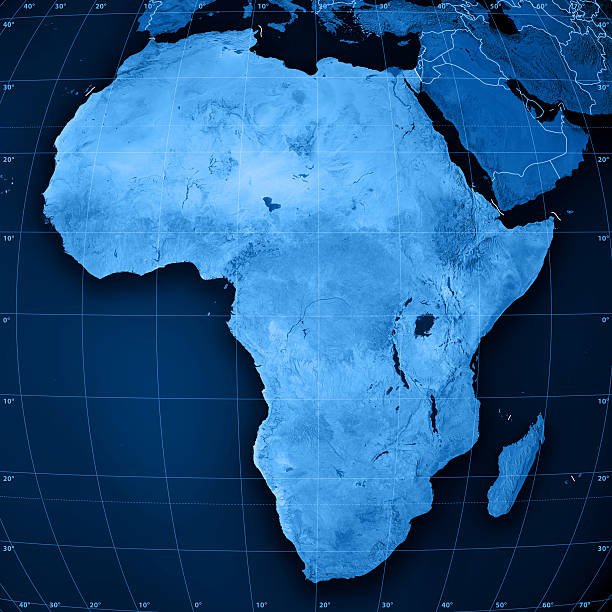
Living in Africa is not a singular experience but a tapestry woven from diverse cultures, landscapes, and socio-economic realities spanning 54 distinct countries. It means something profoundly different whether you are in the bustling metropolis of Lagos, Nigeria, the serene savannas of Kenya, or the vibrant coastal cities of South Africa. Generally, daily life is often characterized by strong community ties, a rich cultural heritage, and varying levels of access to modern infrastructure and amenities, all under a spectrum of climatic conditions. Understanding how it is to live in Africa requires appreciating this immense variety.
The Immense Diversity of African Life
To truly understand the nuances of living in Africa, one must first grasp its unparalleled diversity. Africa is not a country but a continent of 1.4 billion people, encompassing over 3,000 distinct ethnic groups and more than 2,000 languages. This vastness means that individual experiences vary wildly from one region to another, even within the same country or city.
Geographical and Environmental Variations
The continent's geography alone dictates dramatically different ways of life:
- Deserts and Semi-Arid Regions: Life in areas like the Sahara or Namib Desert demands exceptional adaptability, often revolving around nomadic or semi-nomadic traditions, focused on scarce resources and resilience.
- Lush Rainforests: Central and West African rainforest regions boast unique biodiversity and host communities deeply connected to the forest ecosystem, often relying on forest products and traditional farming methods.
- Savannas and Grasslands: East and Southern Africa are famous for their expansive savannas, home to iconic wildlife and agricultural communities engaged in both subsistence and commercial farming.
- Coastal and Island Life: From the Mediterranean shores of North Africa to the vibrant Indian Ocean islands, life is often influenced by maritime trade, fishing, and tourism, creating unique cultural blends.
Cultural and Social Fabric
Across the continent, African cultures are profoundly rich and diverse, yet often share common threads. Many societies emphasize collectivism, strong family bonds, respect for elders, and vibrant celebrations. Family and community ties are incredibly strong, providing a crucial social safety net and a deep sense of belonging. Hospitality is a cornerstone of many African societies, and visitors are often welcomed with remarkable warmth and generosity, making social integration a fulfilling aspect of daily life in Africa.
Key Aspects of Daily Life in Africa
Cost of Living in Africa
The cost of living in Africa presents a vast spectrum, making generalizations challenging. Major economic hubs like Johannesburg, Cape Town, Nairobi, Accra, or Cairo can have living expenses comparable to mid-sized cities in Europe or North America, especially for those seeking Western-style amenities and imported goods. Conversely, in rural areas, particularly those focused on subsistence farming, monetary expenses can be significantly lower, with many needs met through local production or community sharing.
| Expense Category | Urban Center (e.g., Accra, Ghana) | Rural Area (e.g., Village in Ghana) |
|---|---|---|
| Rent (1-bedroom apartment) | $300 - $1000+ per month (depending on location & amenities) | $50 - $200 per month (or communal living arrangements) |
| Local Food (monthly groceries) | $100 - $300 (fresh produce, local markets, some imported items) | $30 - $100 (often supplemented by farming, local harvest) |
| Transportation | $30 - $100 (public transport, shared taxis, ride-hailing apps) | Minimal (walking, bicycles, occasional shared transport) |
| Utilities (electricity, water, internet) | $50 - $150 (electricity can be expensive and intermittent) | Minimal (firewood, kerosene, solar lamps, communal water sources) |
Factors such as private schooling for children, reliance on imported foodstuffs, and secure, high-standard housing can significantly inflate costs, particularly for those with higher income expectations or an expat life Africa experience.
Safety and Security in Africa
Perceptions of safety in Africa often differ significantly from reality. While some regions do face challenges with political instability, conflict, or higher crime rates, many areas across the continent are peaceful, stable, and safe for residents and visitors alike. It is crucial for anyone considering living in Africa to research specific countries, cities, and even neighborhoods thoroughly. Like anywhere else in the world, vigilance, common sense, adherence to local advice, and awareness of one's surroundings are essential for personal safety. Millions of Africans live peaceful, everyday lives free from major conflict.
Healthcare and Education Systems
Access to quality healthcare in Africa varies dramatically. Urban centers often boast private hospitals and clinics that offer good to excellent care, especially for those who can afford private insurance or out-of-pocket payments. Public health systems in many countries are often underfunded and overstretched, particularly in rural areas where basic medical facilities and personnel might be scarce. Similarly, education in Africa ranges from world-class private and international schools in major cities to under-resourced public schools in remote villages. Despite challenges, investing in education remains a significant priority for many African families and governments.
Work and Economic Opportunities
The African economy is dynamic and rapidly evolving, with sectors like technology, telecommunications, finance, agriculture, mining, and renewable energy experiencing significant growth. Opportunities for employment vary widely by country and sector. The informal sector is a huge employer across the continent, providing livelihoods for millions. For those seeking formal employment, roles can be found in burgeoning industries, non-governmental organizations (NGOs), international organizations, or through entrepreneurship. Many find work in Africa to involve a strong sense of community, collaboration, and innovation, especially within the tech and startup ecosystems.
Culture and Social Interaction
The African lifestyle is deeply communal and relationship-oriented. Social gatherings, extended family events, and religious ceremonies play a central role in daily life. There is a strong emphasis on oral tradition, storytelling, music, and dance, which are integral to cultural expression and social cohesion. Respect for elders, hierarchical social structures, and collective decision-making are common. Adapting to local customs, such as specific greetings, communication styles, and etiquette, can greatly enhance social integration and the overall experience of living in Africa.
Challenges and Realities of Living in Africa
Despite its vibrancy and immense potential, living on the African continent comes with its own set of challenges that residents often navigate daily:
- Infrastructure: While continually improving, basic infrastructure, including reliable roads, consistent electricity supply, and stable water access, can still be a challenge in many areas, particularly outside major urban centers. Power outages (known as 'dumsor' or 'load shedding') are common in several countries.
- Bureaucracy: Navigating administrative processes, whether for permits, business registration, or public services, can often be slow, complex, and require considerable patience and persistence.
- Economic Disparities: Significant wealth gaps are evident across many African nations, and issues like poverty, unemployment, and income inequality affect large segments of the population.
- Environmental Concerns: Climate change impacts, such as prolonged droughts, unpredictable floods, and desertification, affect agriculture, water security, and daily life in various regions, leading to migration and resource scarcity.
- Political Stability: While many countries enjoy long periods of peace and democratic governance, some regions experience ongoing political instability or conflicts, which can impact daily life and economic development.
The Expat Experience: Living as a Foreigner in Africa
For foreigners, or expats living in Africa, the experience is often profoundly transformative. It typically involves a steep learning curve in terms of cultural adjustment, navigating new systems, and managing expectations regarding services and amenities. Expats often find a supportive community among other international residents, sharing experiences and advice. While comfort levels can vary depending on one's willingness to embrace local ways, many find that the challenges are far outweighed by the richness of the experience, the warmth and generosity of the people, and the incredible opportunities for personal growth and adventure. Understanding and respecting local customs, attempting to learn a local language or key phrases, and having an open mind are crucial for a successful and rewarding expat journey.
Tips for Thriving When Living in Africa
For anyone considering making Africa their home, here are some actionable insights and tips to help you thrive:
- Do Your Research Thoroughly: Investigate specific countries, cities, and even neighborhoods based on your personal and professional needs. What works in one place may not in another.
- Embrace Local Culture and Language: Learn about customs, traditions, and basic greetings in local languages. This shows respect, facilitates integration, and opens doors to deeper, more authentic connections.
- Be Adaptable and Patient: Things may not always work as expected, and processes can be slower than what you're accustomed to. A flexible and patient mindset is key to navigating everyday life gracefully.
- Build Local Networks: Connect with locals and other long-term residents. They can offer invaluable advice, support, and insights into navigating daily challenges and opportunities.
- Prioritize Health and Safety: Understand local health risks, ensure all necessary vaccinations are up-to-date, and be aware of your surroundings and local security advice. Invest in good health insurance.
- Consider Local Living: While Western amenities are often available in urban centers, embracing local markets, public transport (where safe), and authentic cuisine can be a more authentic, enriching, and often cost-effective experience.
- Engage with the Community: Participate in local events, volunteer, or join community groups. This is a great way to give back and foster a deeper connection to your new home.
Living on the African continent offers unique adventures and experiences that can be both challenging and incredibly rewarding. Many who come to Africa find themselves captivated by its beauty, its resilient people, and its vibrant energy, often extending their stays far beyond initial plans.
Conclusion
In summary, living in Africa is an incredibly diverse, complex, and multifaceted experience, shaped profoundly by geography, culture, economy, and individual perspective. It is a continent of immense potential, vibrant beauty, and profound human connection, where strong community ties, rich cultural heritage, and resilience are defining characteristics. While it presents its unique set of challenges, from infrastructure inconsistencies and bureaucratic hurdles to varying levels of public services, it also offers unparalleled opportunities for personal growth, deep cultural immersion, and participation in dynamic and evolving economies. Whether you are an expat seeking new horizons or a local navigating daily life, the African continent promises a vibrant, complex, and ultimately rewarding journey, offering a tapestry of lives that defies any single description.
Enjoyed this read?
Share it with your friends and colleagues.