How To Make Africa Great Again

BSC Insights Admin
September 30, 2026
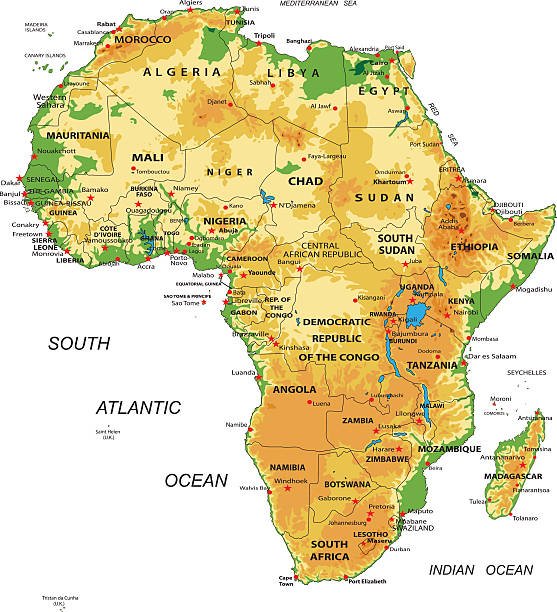
Making Africa great again is not merely a slogan but a profound vision for the continent's future, centered on harnessing its vast human and natural resources for **sustainable development**, **economic prosperity**, and **socio-cultural advancement**. This monumental endeavor entails empowering its burgeoning youth population, fostering robust **good governance**, driving **innovation and technological adoption**, and ensuring **equitable and inclusive growth** that benefits every African citizen. It’s a call to action for collective effort, strategic planning, and a renewed commitment to self-reliance and global partnership.
Africa, a continent rich in diversity and potential, stands at a pivotal moment. With the world’s youngest population and immense natural wealth, the trajectory towards a prosperous future is achievable through deliberate, well-executed strategies that build resilient societies and economies. The path to making **Africa great again** hinges on several interconnected pillars, each crucial for fostering an environment where prosperity is not just a dream but a tangible reality for all.
The Pillars of Africa's Resurgence: Foundations for Greatness
Achieving true greatness for Africa requires a multi-faceted approach, focusing on foundational elements that empower its people and optimize its resources. These pillars are interdependent, and progress in one area often catalyzes advancement in others.
1. Good Governance and Strong Institutions
At the heart of any thriving society lies **good governance**. For Africa, this means establishing and upholding **transparent institutions** that are accountable to their citizens, ensuring the **rule of law** is applied fairly and consistently, and rigorously implementing **anti-corruption measures**. Corruption siphons resources away from essential public services, hindering development and eroding public trust. Strengthening democratic processes, promoting **citizen participation** in decision-making, and protecting human rights are fundamental to building stable, just, and prosperous nations. Investing in the capacity of public servants and ensuring the independence of the judiciary are vital steps towards creating an environment conducive to sustainable growth and foreign direct investment. Effective governance provides the predictability and stability necessary for both local and international investors to commit to Africa's long-term potential.
2. Investing in Human Capital: Education and Healthcare
The greatest asset of any continent is its people. For Africa, with its youthful demographic dividend, investing heavily in **human capital development** is paramount. This involves providing **quality education** that is accessible to all, from early childhood to tertiary levels, and equipping learners with skills relevant to the 21st-century economy. Emphasizing **STEM education** (Science, Technology, Engineering, and Mathematics), vocational training, and **digital literacy** can transform raw potential into a skilled workforce capable of driving innovation and economic diversification. Equally critical is ensuring **accessible and affordable healthcare** for all. Robust health systems, focusing on disease prevention, maternal and child health, and rapid response to epidemics, are essential for a productive populace. A healthy and educated workforce is the bedrock of a thriving economy, contributing to higher productivity, innovation, and overall societal well-being, thus making **African development** a reality.
3. Economic Diversification and Industrialization
Africa's economic future cannot solely rely on raw material exports. The continent must pursue aggressive **economic diversification** and **industrialization** strategies, moving up the value chain. This means transforming raw agricultural products into processed goods through **agro-processing**, developing robust **manufacturing sectors**, and fostering vibrant **digital economies**. Supporting **Small and Medium Enterprises (SMEs)** and encouraging **entrepreneurship** are crucial for job creation and wealth distribution. The **African Continental Free Trade Area (AfCFTA)** presents an unprecedented opportunity to boost **intra-African trade**, create a single market, and stimulate industrial growth by allowing goods, services, and capital to flow more freely across borders. Leveraging technology and innovation in sectors like finance, e-commerce, and logistics will unlock new avenues for growth and expand Africa's global economic footprint.
4. Robust Infrastructure Development
Modern and reliable **infrastructure** is the backbone of economic activity. Significant investment is needed in key areas such as **energy infrastructure** to overcome power deficits and ensure consistent supply, preferably through sustainable and **renewable energy sources** like solar, wind, and geothermal. Developing efficient **transport networks**, including roads, railways, ports, and airports, is essential for facilitating trade and connecting rural communities to markets. Furthermore, expanding **digital connectivity** through affordable broadband internet access is vital for participation in the global digital economy, fostering e-learning, telemedicine, and digital innovation. Investing in **smart cities** and improving **rural infrastructure** will not only enhance quality of life but also create an enabling environment for businesses to flourish across the continent.
5. Sustainable Resource Management and Climate Resilience
Africa is profoundly affected by climate change, yet it possesses immense natural resources. Achieving greatness requires intelligent **sustainable resource management**. This includes modernizing **sustainable agriculture practices** to ensure **food security** while protecting soil health and water resources. Adopting climate-smart agriculture and investing in irrigation systems are critical. Furthermore, protecting Africa's rich **biodiversity conservation** and unique ecosystems is not just an environmental imperative but an economic one, linked to tourism and ecosystem services. Developing **climate resilience strategies**, including early warning systems and adaptive infrastructure, is crucial for mitigating the impacts of climate change and protecting vulnerable communities. Harnessing Africa's vast potential for renewable energy can also position the continent as a leader in the global green economy.
6. Regional Integration and Pan-Africanism
The vision of a united and prosperous Africa has long been articulated through **Pan-Africanism**. The successful implementation of the **AfCFTA** is a powerful testament to this vision, aiming to create the world's largest free trade area by number of participating countries. This integration fosters stronger **cross-border collaboration**, harmonized policies, and collective bargaining power on the global stage. By working together, African nations can address common challenges such as peace and security, infrastructure development, and public health more effectively. Regional economic communities serve as building blocks, facilitating the flow of goods, services, and people, ultimately contributing to a more cohesive and economically powerful continent. This collaborative spirit is key to unleashing Africa's full potential and ensuring its **African development** journey is shared.
7. Fostering Innovation, Science, and Technology
To truly make **Africa great again**, the continent must become a hub of **innovation, science, and technology**. This requires significant investment in **Research and Development (R&D)**, establishing dedicated **tech hubs** and innovation zones, and creating an enabling environment for startups. Fostering a culture of innovation among youth, encouraging problem-solving through science, and leveraging local knowledge for **African solutions** are crucial. From fintech to health tech, and agri-tech, African innovators are already demonstrating their capacity to develop groundbreaking solutions relevant to local contexts. Governments and private sectors must collaborate to provide funding, mentorship, and supportive policies to scale these innovations, driving **digital transformation** across various sectors and enhancing global competitiveness.
8. Strategic Global Partnerships
While self-reliance is key, Africa's path to greatness also involves forging **strategic global partnerships** based on mutual respect and shared interests. These partnerships should prioritize **mutually beneficial relationships** that support Africa's development agenda, rather than perpetuating dependency. Attracting ethical **Foreign Direct Investment (FDI)** that creates local jobs, transfers technology, and contributes to sustainable growth is essential. African leaders must engage with the global community with a strong sense of **African agency**, advocating for equitable trade terms, fair access to global markets, and addressing global challenges such as climate change and pandemics with a unified voice. The continent's growing geopolitical importance means it can, and should, dictate the terms of engagement that best serve its interests.
Overcoming Challenges and Seizing Opportunities
While the vision for a great Africa is compelling, challenges such as persistent poverty, income inequality, conflict in some regions, and climate vulnerabilities remain. However, these challenges are often accompanied by immense opportunities. Africa's youthful population represents a significant **demographic dividend** that, if properly educated and employed, can fuel unprecedented growth. The continent's vast renewable energy potential can power its industrialization sustainably. The increasing adoption of mobile technology and digital services offers shortcuts to development that bypass traditional infrastructure limitations. Addressing these challenges effectively requires resilient leadership, sustained political will, and a steadfast commitment to the long-term vision of a prosperous and self-reliant Africa.
The Role of Every African
The journey to making **Africa great again** is not solely the responsibility of governments and international partners; it requires the active participation of every African. From engaging in **active citizenship** and holding leaders accountable, to fostering local innovation, investing in communities, and leveraging the power of the **African diaspora**, individual and collective efforts are indispensable. The diaspora, in particular, represents a significant resource through remittances, skill transfer, and investment. By channeling this collective energy and expertise, Africans can build the continent they envision, one community, one innovation, and one policy at a time. The spirit of self-determination and collective progress will be the ultimate driving force.
Conclusion: A Future Forged in Unity and Vision
The aspiration to make Africa great again is a powerful call to action, rooted in the belief in the continent's immense potential and the resilience of its people. It encompasses a holistic approach that prioritizes **good governance**, invests deeply in **human capital**, drives **economic diversification** through industrialization and technology, builds robust **infrastructure**, ensures **sustainable resource management**, and strengthens **regional integration**. By focusing on these critical pillars and fostering a culture of innovation and collective responsibility, Africa can overcome its challenges and truly emerge as a global powerhouse. The future of Africa is not merely about recovering lost ground, but about forging a new, unprecedented era of prosperity, influence, and self-determination, built on the foundations of unity, vision, and sustained effort for **Africa's development**.
Enjoyed this read?
Share it with your friends and colleagues.