Did Malcolm X Go To Africa

BSC Insights Admin
October 01, 2026
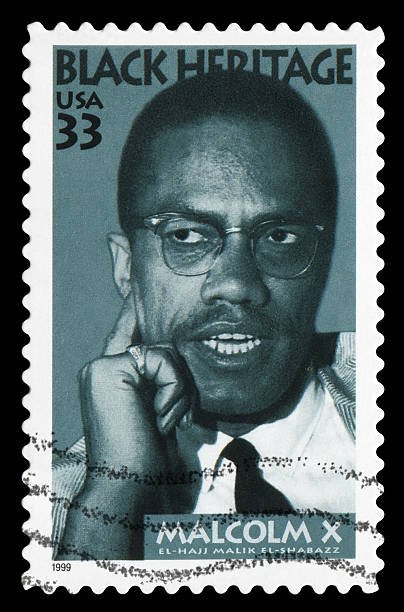
Yes, Malcolm X made extensive and transformative journeys to Africa, notably in 1964 and 1965, which profoundly influenced his evolving ideology and activism. These travels were far more than mere visits; they represented a crucial period of intellectual and spiritual development for one of the most impactful figures in American history. His time on the continent reshaped his understanding of global liberation struggles, broadened his perspective on race and human rights, and cemented his commitment to Pan-Africanism and international solidarity, moving beyond the confines of the Nation of Islam's specific doctrines.
Malcolm X's trips to Africa occurred at a pivotal moment in his life, immediately following his break from the Nation of Islam in March 1964. During these journeys, he interacted with heads of state, religious leaders, and everyday citizens, gaining firsthand insights into the post-colonial African landscape and strengthening his resolve to connect the struggle for civil rights in America with the broader human rights movements worldwide. Understanding these voyages is essential to grasping the full scope of Malcolm X's intellectual evolution and his ultimate vision for global justice.
The Pivotal First Journey to Africa and the Middle East (1964)
Malcolm X's initial, most significant journey to Africa and the Middle East began in April 1964, just weeks after his dramatic departure from the Nation of Islam. This trip was multifaceted, combining a spiritual pilgrimage (the Hajj) with a diplomatic and fact-finding mission that laid the groundwork for his new organization, the Organization of Afro-American Unity (OAAU).
The Hajj and Spiritual Transformation
While technically in Saudi Arabia, his pilgrimage to Mecca was integral to his broader travels. The Hajj was a profoundly transformative experience, leading to his conversion to orthodox Sunni Islam. This spiritual shift dramatically altered his views on race, specifically his previous Black separatist stance. Witnessing Muslims of all races worshipping together in unity opened his eyes to the possibility of interracial harmony, a stark contrast to the racial doctrines he had adhered to previously.
From Mecca, Malcolm X embarked on an extensive tour of African nations, eager to connect with African leaders and assess the potential for international support for the human rights struggle of Black Americans. His mission was clear: to globalize the fight against racial oppression and present it not just as a civil rights issue, but as a universal human rights concern.
Key African Nations Visited and Influential Meetings
His 1964 tour was extensive, covering several crucial nations:
- Egypt (United Arab Republic): Malcolm X spent significant time in Cairo, serving as a base for his travels and engaging with intellectuals and political figures. He met with officials from the Arab League and solidified connections crucial for his Pan-African vision.
- Ghana: Perhaps one of his most impactful stops, Ghana was a hub of Pan-African thought under President Kwame Nkrumah. Malcolm X received a warm welcome, met with Nkrumah, and spoke extensively with American expatriates and civil rights activists living there. He delivered powerful speeches, reinforcing the idea of a shared destiny between Africans on the continent and those in the diaspora.
- Nigeria: In Nigeria, Malcolm X met with leaders and addressed various groups, advocating for stronger ties between African nations and African Americans. He was deeply impressed by the energy and self-determination he witnessed.
- Algeria: Having recently achieved independence from French colonial rule after a brutal war, Algeria represented a powerful symbol of successful liberation. Malcolm X met with figures involved in the Algerian independence movement, drawing parallels to the struggle of Black Americans.
- Ethiopia: As an ancient African empire that had resisted colonial conquest, Ethiopia held symbolic significance. Malcolm X visited the nation and continued his diplomatic outreach.
- Guinea: Here, he met with President Ahmed Sékou Touré, another key figure in African independence.
- Liberia: Malcolm X continued to build bridges, emphasizing the need for unity and self-determination across the Black world.
During these visits, Malcolm X was no longer just a prominent American activist; he was seen as a dignitary representing the aspirations of millions of African Americans. He was granted audiences with numerous heads of state, including Kwame Nkrumah of Ghana, Gamal Abdel Nasser of Egypt, and Julius Nyerere of Tanzania. These interactions were invaluable, providing him with a global perspective on racial inequality and the mechanisms of post-colonial power.
Impact of the First Journey on Malcolm X's Ideology
The 1964 trip profoundly reshaped Malcolm X's political and ideological framework:
- Shift to Pan-Africanism: He embraced Pan-Africanism, realizing that the struggles of Black people in America were inextricably linked to the struggles of Africans globally. He began to advocate for a unified global Black identity.
- From Civil Rights to Human Rights: Malcolm X recognized that framing the struggle as a human rights issue, rather than solely a civil rights issue, would allow him to appeal to international bodies like the United Nations. This internationalization was a strategic move to bypass the limitations of American domestic law and expose racial injustice on a global stage.
- Intellectual Broadening: His discussions with diverse leaders and thinkers expanded his intellectual horizons, pushing him to refine his arguments against racism and colonialism.
- Formation of the OAAU: Inspired by the Organization of African Unity (OAU), which he observed firsthand, Malcolm X founded the Organization of Afro-American Unity (OAAU) upon his return. Its aim was to connect the African American struggle with global liberation movements and promote self-reliance within the Black community.
The Second Journey: Strengthening Global Ties (1965)
Malcolm X embarked on a second, shorter trip to Africa in February 1965, just weeks before his assassination. This journey was primarily aimed at further garnering support for the OAAU and solidifying international alliances for the human rights movement.
Addressing the Organization of African Unity (OAU)
A significant event during this second visit was his attendance at the Organization of African Unity (OAU) summit in Cairo. He sought to address the OAU, presenting a petition that urged African heads of state to support the cause of African Americans and to condemn racial discrimination in the United States as a violation of human rights. Although he wasn't officially allowed to speak to the full body, his presence and informal meetings were crucial for his mission of internationalizing the Black American struggle.
This second trip reinforced his conviction that the liberation of Black people in America was part of a larger, global struggle against oppression. He continued to advocate for mutual respect and understanding among all races, a testament to the profound shift in his ideology since his departure from the Nation of Islam.
Key Themes and Enduring Impact of Malcolm X's African Journeys
Malcolm X's travels to Africa were not merely geographical expeditions; they were journeys of profound personal and political evolution. Several key themes emerged and solidified during these periods:
Pan-Africanism and Black Solidarity
His firsthand experiences in Africa solidified his belief in Pan-Africanism – the idea that people of African descent, wherever they reside, share a common history, culture, and destiny. He saw the potential for a united front that could challenge global systems of oppression. His speeches from this period often emphasized the need for African Americans to reconnect with their African heritage and for a strong, unified bond between the diaspora and the continent.
The Internationalization of Human Rights
Malcolm X strategically shifted the narrative of racial discrimination in the United States from a domestic civil rights issue to an international human rights issue. By doing so, he aimed to elevate the discussion to the global stage, allowing for potential intervention and pressure from international bodies like the United Nations. He passionately argued that America's treatment of its Black citizens was a violation of fundamental human rights, a message that resonated deeply with newly independent African nations that had themselves struggled against colonial oppression.
This strategic re-framing was a revolutionary act. It challenged the U.S. government to address its internal racial problems under the scrutiny of world opinion, something it actively sought to avoid during the Cold War era when it projected an image of democracy and freedom.
Challenging Western Hegemony
His encounters with various African leaders and intellectuals strengthened his critique of Western imperialism and neo-colonialism. He understood that the struggle for true liberation in Africa was ongoing, even after formal independence, and that these struggles were connected to the racial and economic oppression faced by Black people in the West. He became a more vocal advocate for self-determination and against external interference in the affairs of developing nations.
Personal and Religious Transformation
Beyond the political, Malcolm X's African journeys were deeply personal. His spiritual awakening during the Hajj and subsequent immersion in diverse Islamic cultures across Africa fundamentally changed his personal outlook. He shed the more dogmatic and racially exclusive tenets of the Nation of Islam, embracing a more inclusive and universal vision of humanity and Islam. This transformation allowed him to forge broader alliances and appeal to a wider audience, both domestically and internationally.
Legacy for Future Generations
The impact of Malcolm X's African travels continues to resonate. His vision of international solidarity and his insistence on viewing racial injustice through a human rights lens laid groundwork for subsequent movements and thinkers. He inspired generations of activists to think globally, connect struggles across continents, and challenge the status quo with unwavering intellectual rigor and moral courage. His efforts helped bridge the gap between African Americans and their ancestral homeland, fostering a renewed sense of pride and connection.
The lessons he learned and the connections he forged in Africa informed his final, most expansive, and inclusive phase of activism. He returned to the United States with a heightened sense of urgency and a clearer vision for how African Americans could contribute to a global movement for human dignity and justice.
Conclusion
In conclusion, Malcolm X's journeys to Africa in 1964 and 1965 were monumental, marking a profound turning point in his life and activism. These travels were instrumental in his intellectual evolution, catalyzing his shift from a Black nationalist perspective to a broader, more inclusive Pan-African and human rights framework. By engaging directly with African leaders and experiencing the continent's diverse cultures, Malcolm X successfully internationalized the struggle of African Americans, positioning it within a global context of decolonization and human liberation. His experiences abroad not only reshaped his personal ideology and spiritual beliefs but also provided a powerful blueprint for future movements advocating for justice and equality worldwide. Understanding these pivotal journeys is key to appreciating the depth of Malcolm X's legacy and his enduring call for universal human dignity.
Enjoyed this read?
Share it with your friends and colleagues.