Did Malcolm X Die In Africa

BSC Insights Admin
October 02, 2026
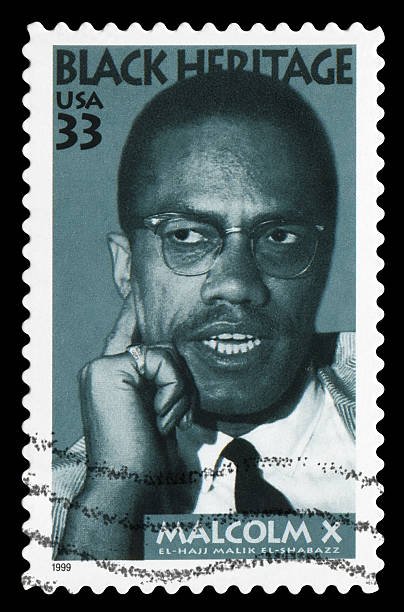
Did Malcolm X die in Africa? No, Malcolm X did not die in Africa. The prominent African American Muslim minister and human rights activist was tragically assassinated in New York City on February 21, 1965. While he made significant and transformative journeys to the African continent in the years leading up to his death, his life was cut short on American soil, at the Audubon Ballroom in Harlem.
This question often arises because Malcolm X, also known as El-Hajj Malik El-Shabazz, was a fiercely internationalist figure who spent considerable time traveling abroad, particularly throughout Africa and the Middle East. These travels profoundly influenced his evolving worldview, shifting his focus from a black nationalist stance to a broader human rights perspective. However, the culmination of escalating threats and internal conflicts within the black nationalist movement led to his untimely demise in the United States, not overseas.
The Assassination of Malcolm X: A Tragic Day in New York
On Sunday, February 21, 1965, Malcolm X was preparing to address a meeting of the Organization of Afro-American Unity (OAAU) at the Audubon Ballroom in the Washington Heights neighborhood of Harlem, New York City. He was just beginning his speech when, amidst a commotion, a man rushed forward and shot him in the chest with a sawed-off shotgun. Two other men then fired pistols at him. Malcolm X was pronounced dead shortly after arriving at Columbia Presbyterian Hospital. His wife, Betty Shabazz, and their four daughters were present in the ballroom at the time of the shooting, witnessing the horrific event unfold.
The assassination sent shockwaves across the nation and the world. It marked a devastating loss for the civil rights and black liberation movements, silencing one of their most eloquent and dynamic voices at a critical juncture in his ideological evolution. The location of his death, New York City, is a crucial detail, unequivocally answering the question of whether he died in Africa.
The Circumstances Leading to the Assassination
The period preceding Malcolm X's death was fraught with tension and danger. After his dramatic split from the Nation of Islam (NOI) in March 1964, he became an outspoken critic of its leader, Elijah Muhammad. This separation led to escalating threats against his life from within the NOI, which he believed was seeking to silence him. The firebombing of his Queens home just a week before his assassination, on February 14, 1965, served as a stark warning of the extreme danger he faced.
Despite these threats, Malcolm X continued his activism, founding the Muslim Mosque, Inc. and the Organization of Afro-American Unity (OAAU). The OAAU, inspired by the Organization of African Unity (OAU), aimed to connect the struggle of African Americans with global human rights movements, particularly those on the African continent. This period of intense activity and public criticism of the NOI ultimately contributed to the circumstances that led to his murder in New York.
Malcolm X's Extensive Travels to Africa and Their Impact
The reason for the common query, "Did Malcolm X die in Africa?", stems from the profound and well-documented relationship Malcolm X developed with Africa. He embarked on two extensive trips to Africa and the Middle East in 1964, which were pivotal in shaping his post-Nation of Islam ideology.
His first major trip, from April to May 1964, included the Hajj (pilgrimage) to Mecca, Saudi Arabia, which is an Islamic requirement. This spiritual journey led to a significant transformation in his understanding of race and brotherhood. He observed Muslims of all races interacting harmoniously, which challenged his previous separatist views and led him to conclude that orthodox Islam could be a vehicle for racial harmony. Following the Hajj, he traveled to several African nations, including Egypt, Sudan, Ethiopia, Nigeria, Ghana, Liberia, and Algeria.
Purpose of His African Journeys
During these trips, Malcolm X met with numerous African heads of state, diplomats, and intellectuals, seeking to forge alliances and bring the plight of African Americans to the international stage. His objectives included:
- Seeking solidarity: He aimed to connect the struggle for civil rights in America with the decolonization movements across Africa.
- Internationalizing the Black freedom struggle: He believed that by framing the racial discrimination in the United States as a human rights issue, rather than merely a civil rights issue, he could appeal to the United Nations and other international bodies.
- Studying African cultures and religions: He immersed himself in the diverse societies he visited, deepening his understanding of the global black experience.
- Establishing the OAAU's international presence: He sought support and recognition for his newly formed Organization of Afro-American Unity.
A second, longer trip to Africa from July to November 1964 further solidified these connections and deepened his commitment to human rights and internationalism. He spent extended periods in Ghana and Egypt, among other countries, delivering speeches and engaging in political discussions. These experiences fundamentally altered his rhetoric and vision, moving him towards a more inclusive human rights framework that transcended racial and national boundaries.
The Evolution of Malcolm X's Ideology Post-NOI
Malcolm X's travels, particularly those to Africa and the Middle East, were instrumental in his ideological evolution. Before leaving the Nation of Islam, he advocated for black separatism and self-reliance, often using fiery rhetoric against white Americans. However, his experiences abroad, especially his Hajj, led him to reject the NOI's racially exclusive theology and embrace Sunni Islam, which preaches universal brotherhood.
This shift was profound. He began to speak of a broader human struggle against oppression, linking the experiences of African Americans to those of colonized people worldwide. He envisioned the Organization of Afro-American Unity as a pan-Africanist movement that would unite black people globally in a fight for human dignity and justice. This transformation, however, also alienated some of his former supporters and intensified the animosity from his former organization, the Nation of Islam.
Table: Key Events in Malcolm X's Final Years
| Date | Event | Significance |
|---|---|---|
| March 1964 | Breaks with the Nation of Islam | Starts his independent political and religious journey. |
| April-May 1964 | First Trip to Africa and the Middle East (including Hajj) | Profound ideological shift towards universal brotherhood. |
| June 1964 | Founds the Organization of Afro-American Unity (OAAU) | New organization for black liberation and human rights. |
| July-Nov 1964 | Second, Extended Trip to Africa and the Middle East | Further internationalization of his views and connections. |
| February 14, 1965 | His home is firebombed in Queens, NY | Escalation of threats against his life. |
| February 21, 1965 | Assassinated at Audubon Ballroom, New York City | Tragic end to his life; the event that answers "where did Malcolm X die." |
The Aftermath and Lingering Questions
Following his assassination, three men—Talmadge Hayer (later known as Mujahid Abdul Halim), Norman 3X Butler (Muhammad Abdul Aziz), and Thomas 15X Johnson (Khalil Islam)—were convicted of Malcolm X's murder in 1966. However, questions about the full extent of the conspiracy, particularly regarding the involvement of high-ranking Nation of Islam officials or even federal agencies, have persisted for decades.
Recent developments, including new investigations and exonerations, have rekindled public and historical interest in the case. In 2021, Muhammad Abdul Aziz and Khalil Islam were officially exonerated after a decades-long review found that key evidence had been withheld from the defense during their original trial. This development underscores the complex and often controversial nature surrounding the circumstances of Malcolm X's death, but it does not change the fact of its location: New York City.
Malcolm X's Enduring Legacy Beyond His Death
Despite his relatively short public career, Malcolm X's legacy is immense and continues to influence discussions on race, human rights, and social justice globally. His unwavering commitment to black dignity, self-determination, and the pursuit of justice, combined with his intellectual honesty and capacity for ideological growth, solidified his place as one of the most significant figures of the 20th century. His speeches and writings are still studied for their profound insights into systemic oppression and the struggle for liberation.
His journeys to Africa, while not the place of his death, were absolutely crucial in shaping his mature political thought and global vision. He helped bridge the gap between the African American struggle and pan-African movements, advocating for a united front against racial oppression wherever it existed. This international perspective, developed through his interactions with African leaders and people, remains a cornerstone of his lasting impact.
Understanding the Confusion: Africa's Role in His Life, Not His Death
The persistent question, "Did Malcolm X die in Africa?", highlights the integral role the continent played in his intellectual and spiritual journey. He was a champion of African liberation and sought to connect the struggles of African Americans with those of newly independent African nations. His famous statement, "We didn't land on Plymouth Rock; Plymouth Rock landed on us," underscored his African heritage and his identification with the global black diaspora. Therefore, while his spirit and ideology were deeply intertwined with Africa, his physical end came in a theater in New York.
It is important to differentiate between Malcolm X's profound engagement with Africa, which was a source of inspiration and ideological transformation, and the tragic reality of his assassination. The threats he faced were rooted in the specific sociopolitical landscape of the United States and the internal dynamics of the black nationalist movement there.
Conclusion: Malcolm X's Death in New York, His Spirit Across Continents
To definitively answer the question, Malcolm X did not die in Africa; he was assassinated in New York City on February 21, 1965. His death occurred at the Audubon Ballroom in Harlem, a pivotal moment in American history. While his extensive travels to Africa and the Middle East were critical in shaping his transformative worldview and his message of human rights and international solidarity, the dangers that ultimately led to his assassination were primarily rooted in the complex and turbulent landscape of the civil rights era in the United States and the specific conflicts he had with the Nation of Islam.
Malcolm X's life, though tragically cut short, left an indelible mark on the world. His evolving philosophy, influenced significantly by his experiences in Africa, continues to inspire movements for justice and equality, demonstrating that his ideas transcended geographical boundaries, even if his life ended in his homeland.
Enjoyed this read?
Share it with your friends and colleagues.