Is There Monkeys In Africa

BSC Insights Admin
September 30, 2026
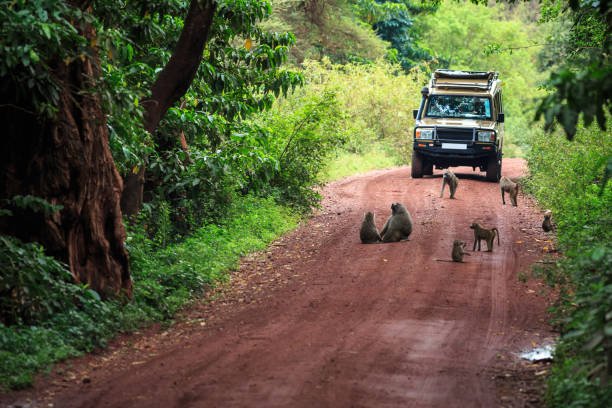
Is There Monkeys In Africa? An Expert Guide to Africa's Diverse Primate World
Yes, absolutely! Africa is teeming with a rich diversity of monkey species, making it one of the most significant continents for primate biodiversity. From dense rainforests to expansive savannas and even urban fringes, monkeys are an integral part of African ecosystems, playing crucial roles in seed dispersal and maintaining ecological balance. Understanding the variety and distribution of these fascinating creatures provides a deeper appreciation for Africa's natural heritage.
The question, "Is there monkeys in Africa?" often arises due to the continent's iconic megafauna, but the presence of numerous monkey species is undeniable. These primates belong predominantly to the Old World monkey family (Cercopithecidae), which is distinct from New World monkeys found in the Americas and the great apes (like chimpanzees and gorillas) that also inhabit Africa.
The Abundance and Diversity of African Monkeys
Africa is a hotspot for primate evolution, boasting a remarkable array of monkey species. The continent's varied landscapes have fostered an incredible evolutionary tapestry, leading to specialized adaptations in diet, social structure, and habitat use among its monkey populations. When considering the scope of monkeys in Africa, one must acknowledge their widespread distribution across almost every biome.
These highly intelligent and social animals come in a vast range of sizes, colors, and behaviors. From the smallest talapoin monkeys to the large, terrestrial baboons, the continent offers a spectacular display of primate life. Their presence is a testament to the rich biodiversity and complex ecosystems that define the African continent.
Key Monkey Families and Iconic Species in Africa
Most African monkeys fall under the family Cercopithecidae, commonly known as Old World monkeys. This family is further divided into two subfamilies: Cercopithecinae and Colobinae.
- Cercopithecinae (Cheek-pouched Monkeys): This subfamily includes a wide variety of species characterized by cheek pouches for storing food, simple stomachs, and often robust builds. They are predominantly omnivorous.
- Colobinae (Leaf Monkeys): These monkeys are specialized herbivores with sacculated (multi-chambered) stomachs to help digest fibrous plant matter, particularly leaves. They typically lack cheek pouches.
Let's delve into some of the most well-known and widespread monkey species in Africa:
Baboons (Genus: Papio)
Among the largest and most recognizable monkeys in Africa, baboons are highly adaptable terrestrial primates. They are found across a wide range of habitats, from savannas and open woodlands to rocky cliffs and even urban environments. Baboons are known for their complex social structures, living in troops that can number from a few dozen to over a hundred individuals. Their omnivorous diet allows them to exploit various food sources, including fruits, leaves, insects, small vertebrates, and even carrion.
- Olive Baboon (Papio anubis): Widespread across equatorial Africa, known for their olive-brown fur.
- Yellow Baboon (Papio cynocephalus): Predominantly found in East Africa, characterized by yellowish-brown fur.
- Chacma Baboon (Papio ursinus): Native to Southern Africa, often larger and darker.
- Hamadryas Baboon (Papio hamadryas): Distinctive for the males' silver mane, primarily found in the Horn of Africa.
Vervet Monkeys (Genus: Chlorocebus)
Vervet monkeys are among the most common and widely distributed African primate species, known for their striking black faces, grey fur, and, in males, bright blue scrotums. These highly social monkeys thrive in savannas, woodlands, and along riverine forests, often found in close proximity to human settlements. They are famous for their sophisticated alarm calls, with different calls for specific predators like leopards, eagles, and snakes.
Guenons (Genus: Cercopithecus and Miopithecus)
Guenons represent a highly diverse group of medium-sized, agile, and often colorful monkeys. Most guenon species are arboreal, inhabiting the dense forests of West, Central, and East Africa. Each species typically has unique facial markings, which are thought to play a role in species recognition. Their diets primarily consist of fruits and insects.
- Blue Monkey (Cercopithecus mitis): Found in Central and East African forests, named for its bluish-grey fur.
- De Brazza's Monkey (Cercopithecus neglectus): Recognizable by its white beard and orange crescent on its forehead, found in swampy forests.
- Green Monkey (Chlorocebus sabaeus): A type of guenon common in West Africa, closely related to vervets.
- Talapoin Monkeys (Genus: Miopithecus): The smallest Old World monkeys, found in Central African forests, highly agile and semi-aquatic.
Colobus Monkeys (Genera: Colobus, Piliocolobus, and Procolobus)
Colobus monkeys are quintessential arboreal monkeys in Africa, primarily leaf-eaters found in various types of forests across the continent. They are characterized by their striking black and white fur (Black-and-white Colobus) or reddish-brown coloration (Red Colobus). Unlike many Old World monkeys, colobus monkeys lack thumbs (or have greatly reduced ones), an adaptation for brachiating through trees. Their specialized multi-chambered stomachs allow them to digest tough, fibrous leaves.
- Black-and-white Colobus (Genus: Colobus): Famous for their long, flowing white mantle and tail tufts.
- Red Colobus (Genus: Piliocolobus): Known for their reddish-brown fur and found in various forest types, often forming mixed-species associations with other primates.
Patas Monkeys (Genus: Erythrocebus)
The patas monkey is often referred to as the "hussar monkey" due to its reddish-brown fur. These highly terrestrial African monkeys are built for speed, making them the fastest runners among primates. They inhabit the semi-arid grasslands and savannas of West and East Africa, where their agility helps them evade predators. Patas monkeys live in small groups, with one dominant male and multiple females.
Habitats and Distribution of African Monkeys
The vastness of Africa provides a mosaic of habitats, each supporting different populations of African monkeys. Their adaptability allows them to thrive in diverse environments:
- Tropical Rainforests: Central and West African rainforests are biodiversity hotspots for arboreal species like various guenons, colobus monkeys, and mandrills (which, while distinct, are also large, colorful Old World monkeys). The Congo Basin, for example, is home to an incredible array of primate life.
- Savannas and Grasslands: Open landscapes are dominated by terrestrial species like baboons and patas monkeys, which forage on the ground and seek refuge in trees or rocky outcrops. These areas are characteristic of East and Southern Africa.
- Montane Forests: Higher altitude forests, such as those found on the slopes of African mountains, host specialized species like the Mountain Monkey or certain types of guenons adapted to cooler climates.
- Riverine Forests and Swamps: Areas along rivers and wetlands provide crucial resources and shelter for species like De Brazza's monkeys and talapoins, which often have semi-aquatic tendencies.
- Coastal Regions: Some monkey species, like certain types of vervets, can be found in coastal woodlands and mangrove forests.
- Urban and Peri-urban Areas: Remarkably, some highly adaptable species, particularly vervet monkeys and baboons, have learned to coexist with humans, often foraging in agricultural lands, villages, and even cities. This proximity, however, can lead to human-wildlife conflict.
The wide geographic range of these primates of Africa underscores their ecological resilience and ability to colonize various niches across the continent.
Behavioral Insights: What Makes African Monkeys Unique?
The behaviors of monkeys in Africa are as diverse as their physical appearances. Understanding these behaviors offers critical insights into their survival strategies and ecological roles.
- Complex Social Structures: Most African monkeys live in highly organized social groups called troops. These groups vary in size and composition, from multi-male, multi-female troops (e.g., baboons, vervets) to single-male harems (e.g., Hamadryas baboons, patas monkeys). Social bonds, hierarchy, and cooperation are crucial for survival, providing defense against predators and facilitating food foraging.
- Varied Diets: While many are omnivores, their specific diets vary significantly. Frugivores (fruit-eaters) like many guenons, folivores (leaf-eaters) like colobus monkeys, and generalist omnivores like baboons all play distinct roles in their ecosystems. For example, frugivores are important seed dispersers, helping to regenerate forests.
- Sophisticated Communication: African monkeys utilize a rich repertoire of vocalizations, facial expressions, and body postures to communicate within their troops. Alarm calls, contact calls, and aggression displays are all part of their complex communication systems. Vervet monkeys, in particular, are famous for their specific alarm calls for different predators.
- Tool Use: While less common than in great apes, some African monkeys exhibit rudimentary tool use. Certain baboon populations have been observed using stones to crack open nuts or dig for roots.
- Arboreal vs. Terrestrial Lifestyles: The majority of Old World monkeys in Africa are arboreal, spending most of their lives in trees. However, baboons and patas monkeys have adapted to a predominantly terrestrial existence, using their speed and strength to navigate open landscapes.
Conservation Challenges for African Monkeys
Despite their abundance, many African monkey species face significant threats, leading to declining populations and, in some cases, endangerment. The conservation of these primates is crucial for maintaining the health of African ecosystems.
- Habitat Loss and Fragmentation: This is arguably the biggest threat. Deforestation for agriculture, logging, mining, and human settlements directly destroys and fragments the forest habitats essential for arboreal monkeys. Savanna expansion also encroaches on grassland monkey habitats.
- Poaching and Bushmeat Trade: Monkeys are hunted for their meat in many parts of Africa. The illegal bushmeat trade poses a severe threat to numerous species, including colobus and various guenons.
- Human-Wildlife Conflict: As human populations expand, encounters with monkeys become more frequent. Monkeys may raid crops or gardens, leading to retaliatory killings by farmers. This conflict is particularly prevalent with adaptable species like vervet monkeys and baboons.
- Illegal Pet Trade: Young monkeys are sometimes captured for the exotic pet trade, a practice that not only depletes wild populations but also often results in the premature death of the animals due to improper care.
- Climate Change: Shifting rainfall patterns, increased droughts, and extreme weather events can alter monkey habitats, affecting food availability and water sources, thereby increasing stress on populations.
- Disease Transmission: The increasing proximity between humans and monkeys can facilitate the transmission of diseases, posing risks to both primate and human health.
Conservation efforts involve establishing protected areas, implementing anti-poaching measures, promoting sustainable land use, and educating local communities about the importance of African monkey diversity.
Dispelling Misconceptions: Monkeys vs. Apes in Africa
It's common for people to confuse monkeys with apes, especially in a continent like Africa where both are present. However, there are fundamental biological differences that distinguish these two primate groups.
Monkeys generally have tails, are typically smaller in size, and usually move on all fours (quadrupedalism) in trees or on the ground. They possess a more generalized anatomy compared to apes. As discussed, Old World monkeys are widespread across Africa.
Apes, on the other hand, do not have tails. They are generally larger, have more complex brains, and exhibit more advanced cognitive abilities. African apes include the great apes: chimpanzees, bonobos, and gorillas. While incredibly fascinating, these are not monkeys. They represent a different branch of primate evolution.
Understanding this distinction is key to accurately appreciating the full spectrum of primates of Africa and ensures clarity when discussing these incredible animals.
The Ecological Role of African Monkeys
The presence of monkeys in Africa is not just a matter of biodiversity; it is fundamental to the health and functioning of ecosystems. These animals play several vital ecological roles:
- Seed Dispersal: Many frugivorous monkeys consume fruits and then disperse the seeds over wide areas through their droppings. This process is crucial for forest regeneration and maintaining plant diversity.
- Pollination: While less common than birds or insects, some monkeys, particularly those that feed on nectar, can act as pollinators for certain plant species.
- Prey for Predators: Monkeys are a significant food source for many African predators, including leopards, pythons, and large raptors. Their role as prey helps to sustain the populations of these apex predators, contributing to a balanced food web.
- Indicators of Ecosystem Health: Healthy and diverse monkey populations often indicate a thriving ecosystem. Conversely, declining monkey numbers can signal environmental degradation or habitat loss, serving as an important warning sign for conservationists.
Conclusion
In conclusion, the answer to "Is there monkeys in Africa?" is an emphatic yes. Africa is a continent incredibly rich in monkey diversity, hosting a wide array of Old World monkey species, including charismatic baboons, agile vervets, colorful guenons, and unique colobus monkeys. These African monkeys inhabit virtually every ecological niche, from dense rainforests to open savannas, playing indispensable roles in their respective ecosystems.
Their complex social structures, varied diets, and sophisticated communication methods highlight their intelligence and adaptability. However, many species face severe conservation challenges due to habitat loss, poaching, and human-wildlife conflict. Protecting these remarkable primates of Africa is not just about preserving individual species; it's about safeguarding the ecological integrity and natural heritage of the entire continent for future generations.
Enjoyed this read?
Share it with your friends and colleagues.