Which Is The Most Famous Country In Africa

BSC Insights Admin
October 07, 2026
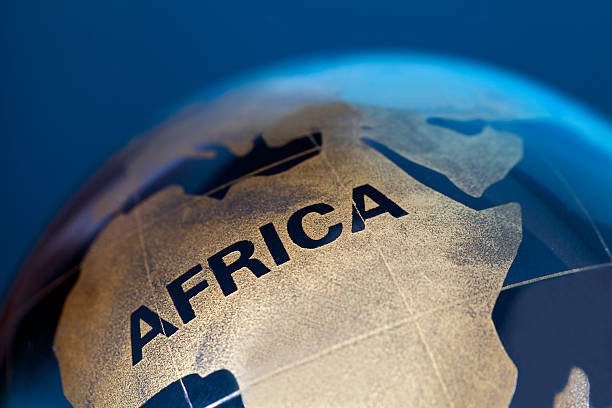
Egypt is frequently cited as the primary answer to which is the most famous country in Africa because of its ancient pyramids and the historic significance of the Nile River valley. This northern nation attracts millions of international visitors every year who are eager to witness the architectural marvels of Giza and the artifacts of the pharaohs. Its global reputation is reinforced through decades of cinematic representation, academic study, and its role as a bridge between the African and Middle Eastern worlds.
While Egypt holds a unique place in the global imagination, several other nations across the continent have achieved immense notoriety for their wildlife, political history, and cultural exports. Exploring these diverse states reveals how the continent's fame is built upon a foundation of natural wonders, influential leaders, and rapidly growing creative industries that resonate worldwide.
These are the Countries that explain Which Is The Most Famous Country In Africa
The concept of fame for a nation often stems from its visibility in international media, its contributions to global history, or its status as a premier travel destination. In Africa, fame is distributed across different regions, with some countries known for their revolutionary political changes and others for their breathtaking landscapes. The following list identifies the nations that have secured the highest levels of global recognition, analyzing the specific factors that have made them household names across the globe. By understanding the profile of an African country which is the most famous in its specific niche, we can appreciate the diverse ways these nations project their identity on the international stage.
1. Egypt
Egypt is undoubtedly the country in Africa that is the most famous when considering historical longevity and iconic landmarks that are recognized by people of all ages. The Great Pyramids of Giza, which are the last remaining wonder of the ancient world, serve as a universal symbol for the nation's rich heritage. Beyond the pyramids, the city of Cairo is one of the largest and most vibrant metropolitan areas in the world, acting as a center for Islamic architecture and modern Arab culture. The Suez Canal provides another layer of fame, as it is one of the most critical maritime passages for global trade, connecting the Mediterranean to the Red Sea. Millions of school children study Egyptian mythology and the reign of Tutankhamun, ensuring that the nation's name remains etched in the global consciousness from a young age. As a result, Egypt consistently ranks as a top bucket list destination for travelers seeking to experience the roots of human civilization.
2. South Africa
South Africa achieved global prominence through its turbulent history and its eventual transition into a multiracial democracy under the leadership of Nelson Mandela. The story of the anti-apartheid struggle is taught worldwide, making Mandela one of the most recognizable and beloved figures of the 20th century. In addition to its political history, South Africa is famous for its incredible natural beauty, ranging from the dramatic cliffs of Cape Town’s Table Mountain to the vast wilderness of Kruger National Park. The country successfully hosted the 2010 FIFA World Cup, which was the first time the tournament was held on the continent, significantly boosting its international profile. Its "Rainbow Nation" identity reflects a unique cultural blend that is expressed through world-class wines, diverse music genres, and a sophisticated urban lifestyle. South Africa remains a primary country in Africa that is the most famous for balancing modern infrastructure with rugged, untamed landscapes.
3. Nigeria
Nigeria has become famous on the global stage as a cultural powerhouse, particularly through the massive success of its film and music industries. Nollywood is currently the second largest film industry in the world by volume, producing thousands of movies annually that are consumed across the continent and within the global diaspora. In recent years, the "Afrobeats" music genre, led by Nigerian superstars like Burna Boy and Wizkid, has dominated international charts and won numerous Grammy awards. As the most populated nation in Africa, Nigeria’s sheer human energy and entrepreneurial spirit are evident in the sprawling mega-city of Lagos, which is a hub for tech and fashion. The nation’s influence is also felt in literature, with world-renowned authors like Chinua Achebe and Chimamanda Ngozi Adichie telling stories that resonate with a global audience. Nigeria represents the modern, urban, and creative face of the continent, making it an essential part of the conversation about African influence today.
4. Kenya
Kenya is world-renowned as the quintessential safari destination, famous for the annual Great Migration where millions of wildebeest and zebras cross the Mara River. The image of the Maasai warriors in their traditional red shukas against the backdrop of the African savannah is one of the most enduring symbols of the continent. Kenya is also legendary for its long-distance runners, who consistently dominate major international marathons and Olympic games, bringing pride to the nation on a regular basis. Nairobi, the capital, is a unique city where a national park exists within sight of skyscrapers, serving as a regional hub for the United Nations and numerous international NGOs. The country’s diverse geography, which includes the snow-capped Mount Kenya and the white sandy beaches of the Swahili coast, provides a variety of experiences for visitors. Kenya’s fame is a mix of its pioneering role in wildlife conservation and its reputation as a leader in East African innovation and trade.
5. Morocco
Morocco has earned its fame through its enchanting blend of African, Arab, and European influences, creating a sensory experience that is unique to the Maghreb region. The "Red City" of Marrakech is famous for its bustling medinas, intricate palaces, and the vibrant Jemaa el-Fnaa square, which is a UNESCO masterpiece of oral heritage. Morocco’s architecture, characterized by stunning tilework known as zellij and peaceful riads, has influenced design trends globally. The Sahara Desert occupies a significant part of the national identity, offering iconic images of camel treks across towering orange dunes under starlit skies. Moroccan cuisine, particularly tagines and couscous, is celebrated worldwide for its complex spices and unique flavor profiles. The country has also gained fame as a popular filming location for Hollywood epics and television series like Game of Thrones, showcasing its diverse and dramatic landscapes. This African country which is the most famous for its aesthetic appeal continues to be a magnet for artists, photographers, and luxury travelers.
6. Ethiopia
Ethiopia is famous for being the only African nation that was never formally colonized, a fact that makes it a symbol of pan-African pride and independence. It is the site of the ancient city of Lalibela, where eleven medieval monolithic churches were carved directly out of solid rock, serving as a major pilgrimage site for Orthodox Christians. Ethiopia is also widely recognized as the birthplace of coffee, with the original Arabica beans discovered in its lush highlands centuries ago. The nation’s capital, Addis Ababa, serves as the headquarters for the African Union, cementing Ethiopia's role as a diplomatic center for the entire continent. Archaeological fame is also attached to the country, as it is the home of "Lucy," the famous 3.2 million-year-old hominid skeleton that provided crucial insights into human evolution. Ethiopia’s unique calendar and script, along with its ancient Solomonic dynasty, contribute to its reputation as one of the oldest and most culturally distinct nations on Earth.
7. Tanzania
Tanzania holds a special place in the global consciousness as the home of Mount Kilimanjaro, the highest peak in Africa and the tallest free-standing mountain in the world. Thousands of adventurers travel there every year to climb its snow-capped summit, making it a pinnacle of outdoor achievement. The country is also famous for the Serengeti National Park, which provides the stage for some of the most spectacular wildlife viewing on the planet. Just off the coast lies the island of Zanzibar, famous for its "Stone Town" history, spice plantations, and some of the most beautiful turquoise waters in the Indian Ocean. Tanzania's commitment to preserving its natural heritage is evident in the fact that nearly 40 percent of its land is protected for conservation. The nation is also known for its peaceful social climate and the widespread use of Swahili, a language that has become a symbol of East African unity. These factors make Tanzania a premier country in Africa that is the most famous for those seeking the ultimate wilderness and island experience.
8. Rwanda
Rwanda has become famous in recent decades for its remarkable transformation from a country devastated by conflict to a model of cleanliness, order, and economic progress. It is widely known as the "Land of a Thousand Hills" due to its stunning mountainous terrain, which provides a sanctuary for the endangered mountain gorillas. Gorilla trekking in Volcanoes National Park is one of the most exclusive and famous wildlife experiences in the world, attracting high-profile visitors and conservationists. Rwanda’s capital, Kigali, is frequently cited as the cleanest and safest city in Africa, reflecting the nation's disciplined approach to development and plastic ban. The country is also a global leader in gender equality, consistently ranking among the top nations for female representation in parliament. This story of rejuvenation and high-tech ambition has made Rwanda a favorite topic for international policy experts and travelers alike. Its success in reconciliation and nation-building serves as a powerful example of resilience and forward-thinking leadership.
9. Ghana
Ghana is famous for being the first sub-Saharan African nation to gain independence from colonial rule in 1957, a milestone that inspired liberation movements across the continent. Under its first president, Kwame Nkrumah, Ghana became a pioneer of Pan-Africanism, encouraging people of African descent to reconnect with their roots. The country gained a new wave of international fame with the "Year of Return" in 2019, which saw hundreds of thousands of members of the African diaspora visiting the historic Cape Coast and Elmina castles. Ghana is also renowned for its high-quality cocoa production and its beautiful kente cloth, which is a globally recognized symbol of African prestige and craftsmanship. The capital, Accra, is a vibrant city known for its safety, hospitality, and growing culinary scene that blends traditional flavors with modern innovation. As a stable democracy with a rich golden history, Ghana continues to be one of the African countries that are the most famous for cultural heritage tourism.
10. Senegal
Senegal is famous for its deep cultural roots and its role as a bridge between the French-speaking world and the broader African continent. The capital, Dakar, was the endpoint of the legendary Dakar Rally and remains a major center for African art, hosting the prestigious Dak'Art Biennale. Gorée Island, located just off the coast, is a world-renowned site of memory, where the "Door of No Return" stands as a poignant reminder of the transatlantic slave trade. Senegal is also celebrated for its "Teranga" hospitality, a national philosophy of welcoming strangers with open arms and shared meals. The nation’s music, particularly the Mbalax genre popularized by Youssou N'Dour, has a significant international following and has helped project Senegalese culture to global audiences. With its stable political history and its status as a hub for fashion and film in West Africa, Senegal maintains a sophisticated and influential global profile. Its unique blend of coastal beauty and intellectual vibrancy ensures that it remains a key destination for those exploring African history.
11. Madagascar
Madagascar is famous for its status as a "living laboratory" of evolution, with approximately 90 percent of its wildlife found nowhere else on the planet. The island is synonymous with lemurs, the playful primates that have become the face of Malagasy conservation and were further popularized by the animated film franchise that bears the country's name. The Avenue of the Baobabs, featuring massive ancient trees that seem to grow upside down, is one of the most photographed and iconic natural sites in the world. Madagascar’s unique blend of African and Southeast Asian cultures is reflected in its language, architecture, and the complex "famadihana" tradition of honoring ancestors. The nation is also a major global producer of vanilla, providing the world with the majority of this popular spice. Despite its geographic isolation, the island's incredible biodiversity and distinct cultural identity have made it a place of fascination for scientists and adventure travelers. Its fame rests on its prehistoric landscapes and its role as a guardian of some of the Earth's rarest species.
12. Zimbabwe
Zimbabwe is famous for being the home of the Victoria Falls, one of the seven natural wonders of the world and the largest curtain of falling water on the planet. Known locally as Mosi-oa-Tunya or "The Smoke that Thunders," the falls are a major attraction for adrenaline seekers and nature lovers from around the globe. The country is also the site of the Great Zimbabwe ruins, the massive stone structures that were the center of a powerful ancient empire and gave the modern nation its name. These ruins are a testament to the sophisticated architecture and political organization of the Shona people long before the colonial era. Zimbabwe has a long-standing reputation for having one of the highest literacy rates on the continent, producing a highly educated and resilient workforce. While the nation has faced economic and political challenges, its natural assets and rich history continue to command international attention. Zimbabwe’s blend of dramatic geological features and ancient archaeological heritage ensures its enduring fame on the world stage.
Reasons Why These Countries Are the most famous in Africa
1. Extraordinary Historical Legacies: One of the main reasons which country that is the most famous in Africa holds its position is its connection to ancient history or revolutionary political movements. Egypt’s pharaonic past and Ethiopia’s ancient Christian kingdoms provide a depth of history that fascinates the entire world and fills the pages of textbooks. Similarly, South Africa’s history of overcoming apartheid and Ghana’s pioneering role in independence have made these nations symbols of human rights and self-determination. These historical narratives provide a foundation of fame that remains relevant across different generations and cultures.
2. World-Class Wildlife and Safaris: The African countries that are the most famous often possess unique ecosystems that host iconic animals like lions, elephants, and gorillas. Kenya, Tanzania, and Rwanda have successfully marketed their national parks as premium destinations for wildlife enthusiasts, making "the safari" a globally recognized concept. The Great Migration in the Serengeti and gorilla trekking in the Virunga Mountains are experiences that are covered extensively in nature documentaries and travel magazines. This natural wealth is a primary driver of fame, as it offers something that cannot be replicated anywhere else on Earth.
3. Global Cultural and Creative Exports: In the 21st century, the rise of digital media has allowed nations like Nigeria and Senegal to achieve fame through their music, films, and fashion. The global "Afrobeats" explosion and the prolific output of Nollywood have placed West African culture at the center of the global pop-culture conversation. These creative industries provide a modern form of soft power, allowing these nations to define their own stories and reach audiences in every corner of the world. Cultural fame is often the most dynamic form of recognition, as it evolves with new trends and celebrity influences.
4. Iconic Natural Landmarks and Wonders: Many countries are famous because they house specific geographic features that are among the most impressive on the planet. Victoria Falls in Zimbabwe, Mount Kilimanjaro in Tanzania, and the Sahara Desert in Morocco are "bucket list" items for millions of people. These landmarks serve as visual shorthand for the nations themselves, appearing on postcards, travel advertisements, and social media feeds worldwide. A country with a world-renowned natural wonder has a permanent advantage in the global tourism market and national branding.
5. Influential Political and Historical Figures: National fame is often inextricably linked to the individuals who have led or represented the country on the world stage. South Africa’s fame is tied to the legacy of Nelson Mandela and Desmond Tutu, while Egypt is associated with figures like Cleopatra and Gamal Abdel Nasser. These leaders become international icons, and their personal stories help to humanize and popularize their home nations. When a country produces a figure of global moral or political importance, its national profile is elevated significantly in the eyes of the international community.
6. Unique Biodiversity and Scientific Importance: Countries like Madagascar and Ethiopia are famous because they offer unique insights into the natural world and human origins. Madagascar’s lemurs and Ethiopia’s hominid fossils are of immense interest to scientists and the general public alike, making these nations centers for research and education. This form of fame is grounded in the "uniqueness" of the territory, where the land itself contains secrets and species that are essential for our understanding of life on Earth. Scientific fame often leads to long-term academic partnerships and a steady stream of curious travelers and researchers.
Conclusion
Egypt remains the definitive answer when people ask which country that is the most famous in Africa because of its thousands of years of recorded history and its universally recognized monuments. However, nations like South Africa, Nigeria, and Kenya demonstrate that fame is also built through modern political struggle, creative innovation, and the preservation of the world's most impressive wildlife. These African countries that are the most famous serve as the primary ambassadors for the continent, challenging old stereotypes and showcasing a modern, diverse, and vibrant Africa to the world. As global travel and digital communication continue to expand, the fame of these nations will likely grow, bringing more opportunities for cultural exchange and economic development. Ultimately, the fame of an African nation is a testament to its unique contribution to the shared story of humanity and the natural world.
Enjoyed this read?
Share it with your friends and colleagues.