Which Is The Most Powerful Country In Africa

BSC Insights Admin
September 30, 2026
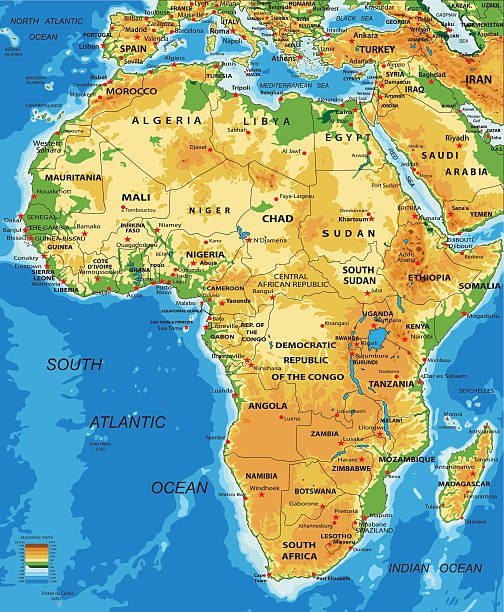
Egypt is frequently cited as the country in Africa which is the most powerful due to its massive military capabilities and its strategic control over the Suez Canal. This nation possesses the largest standing army on the continent and a sophisticated defense system backed by significant international partnerships. Its influence extends across the Middle East and Africa, making it a pivotal player in regional security and global trade.
Exploring the dynamics of continental power involves looking beyond just military force to include economic output, diplomatic reach, and technological advancement. Various nations compete for hegemony in different spheres, shaping the future of the African Union and determining the direction of regional trade blocks.
These are the Countries that explain Which Is The Most Powerful Country In Africa
To determine the hierarchy of power on the continent, experts analyze a combination of the Global Firepower Index, Gross Domestic Product, and soft power influence. Power in the modern era is no longer just about the number of tanks or soldiers but also about the ability to influence international policy and lead economic integration. The following nations represent the strongest entities on the continent, each possessing unique strengths that contribute to their overall status as regional heavyweights. By examining their military hardware, economic resilience, and diplomatic strategies, we can identify the specific African country which is the most powerful in its respective region and the continent as a whole.
1. Egypt
Egypt is consistently ranked at the top of military power indices because of its vast arsenal of modern weaponry and its massive active duty personnel. The Egyptian Armed Forces maintain over 450,000 active soldiers and an additional 800,000 in reserve, making it a formidable force in any conventional conflict. Their inventory includes advanced F-16 Fighting Falcons, French Rafale jets, and a navy that features two Mistral-class helicopter carriers, which are the only ones of their kind on the continent. Beyond military might, Egypt’s control of the Suez Canal provides it with unparalleled geopolitical leverage as a gatekeeper for global maritime trade between Europe and Asia. The nation has also invested heavily in its defense industry, producing much of its own hardware and ammunition to ensure self-reliance. This combination of strategic location, historical military prestige, and modern equipment solidifies its role as the primary power in North Africa.
2. South Africa
South Africa is widely regarded as the most advanced country in Africa that is the most powerful in terms of technological sophistication and industrial capacity. While its standing army is smaller than Egypt’s, it possesses a highly professional military and a domestic defense industry, led by companies like Denel, that produces world-class artillery and armored vehicles. South Africa is the only African member of the G20 and was the first to join the BRICS bloc, giving it a significant voice in global economic governance. Its financial system is the most developed on the continent, with the Johannesburg Stock Exchange serving as a hub for international investment. The nation also exerts immense soft power through its vibrant media, constitutional democracy, and historical role as a leader in the anti-apartheid struggle. Even as it faces internal economic challenges, its ability to project diplomatic influence across the Southern African Development Community remains unchallenged.
3. Nigeria
Nigeria is often called the "Giant of Africa" because of its massive population of over 220 million people and its status as a leading economic power. This demographic weight provides Nigeria with a huge pool of human capital and a massive domestic market that attracts global corporations and investors. Its military has extensive experience in regional peacekeeping missions, particularly through ECOMOG, and has played a vital role in stabilizing West Africa during various civil conflicts. Nigeria’s cultural influence, driven by the global success of Afrobeats and the Nollywood film industry, gives it a unique form of soft power that resonates far beyond its borders. As a leading oil producer, the nation has significant influence in OPEC, which it uses to shape continental energy policies and attract development funding. While it currently battles internal security threats, its overall economic scale and regional leadership in ECOWAS ensure it remains one of the African countries that are the most powerful on the global stage.
4. Algeria
Algeria possesses the largest defense budget in Africa, which it has used to acquire some of the most advanced military hardware available in the international market. The nation operates sophisticated Russian-made equipment, including the S-400 missile defense system and Su-30 fighter jets, providing it with superior air defense capabilities. Its military doctrine is focused on protecting its vast land borders, which are the largest on the continent, and maintaining stability in the volatile Sahel region. Algeria’s power is also rooted in its massive natural gas reserves, making it a critical energy partner for European nations seeking alternatives to Eastern European supplies. The government has traditionally played a quiet but influential role in the African Union, often mediating regional disputes and promoting continental security. Its combination of financial wealth from hydrocarbons and a modern, well-equipped military makes it a formidable regional hegemon in the western Mediterranean and the Sahara.
5. Morocco
Morocco has seen a rapid increase in its power profile through a successful strategy of diplomatic expansion and economic investment across West and Central Africa. After returning to the African Union in 2017, the kingdom has used its "soft power" and the OCP Group, the world’s largest phosphate producer, to build strong alliances through fertilizer diplomacy. Its military is highly modernized and benefits from a close strategic partnership with the United States, receiving advanced equipment and participating in large-scale joint exercises like "African Lion." Morocco’s intelligence services are also regarded as some of the most effective on the continent, playing a crucial role in international counter-terrorism efforts. The nation has also focused on becoming a gateway to Africa for European investors, developing world-class infrastructure like the Tanger-Med port. This blend of proactive diplomacy, strategic intelligence, and economic expansion makes Morocco a rising force that challenges traditional power structures on the continent.
6. Ethiopia
Ethiopia is a historical powerhouse that has seen a massive resurgence in its regional influence due to its rapid economic growth and its role as the diplomatic capital of Africa. As the headquarters of the African Union, Addis Ababa is the primary site for continental decision-making, giving Ethiopia a unique platform to influence pan-African policy. The nation has the second-largest population in Africa, providing it with a massive labor force and a growing consumer market that fuels its industrial ambitions. The Ethiopian National Defense Force is battle-hardened and is one of the largest contributors to United Nations peacekeeping missions worldwide. Ethiopia’s power is also projected through its massive infrastructure projects, such as the Grand Ethiopian Renaissance Dam, which is set to make the country a leading exporter of electricity. Its national carrier, Ethiopian Airlines, is the most successful on the continent, physically connecting Africa to the rest of the world and serving as a symbol of national pride and efficiency.
7. Kenya
Kenya exerts significant power in East Africa as a leading technology and financial hub, often referred to as the "Silicon Savannah" for its innovation in mobile banking and digital services. Its military is regarded as one of the most disciplined and capable in the region, playing a pivotal role in the fight against Al-Shabaab in neighboring Somalia. Kenya’s diplomatic influence is enhanced by its status as host to the only United Nations headquarters in the Global South, located in Nairobi. The nation has consistently served as a mediator in regional conflicts, including those in South Sudan and the Democratic Republic of Congo. Economically, Kenya has diversified its base to include strong agricultural exports, tourism, and a burgeoning manufacturing sector that serves the entire East African Community. Its ability to balance relations with both Western powers and emerging Eastern markets gives it a strategic flexibility that many other countries in Africa that are the most powerful do not possess.
8. Angola
Angola is a significant military and economic power in Central and Southern Africa, having used its vast oil and diamond wealth to build a formidable defense force following its long civil war. The Angolan Armed Forces are well-equipped and have demonstrated their ability to project power into neighboring countries to maintain regional stability and protect national interests. Luanda has become a major destination for international capital, with the government investing heavily in urban redevelopment and national infrastructure. Angola’s influence in the Gulf of Guinea is bolstered by its navy and its role as a leading petroleum exporter within the African region. The nation’s leadership has also been active in regional diplomacy, often taking a lead role in the Great Lakes region peace processes. While the economy remains sensitive to oil prices, the military’s strength and the country's resource wealth ensure Angola remains a dominant force in the southern half of the continent.
9. Tanzania
Tanzania has seen its influence grow steadily under a strategy of political stability and consistent economic growth that has made it a reliable partner in the East African region. The nation possesses a capable military that has historically participated in significant regional peacekeeping and liberation struggles, earning it a reputation for reliability and discipline. Tanzania’s geography, with its long coastline and the major port of Dar es Salaam, allows it to serve as a vital trade gateway for several landlocked neighbors. The discovery of large offshore natural gas reserves and the development of mining sectors for minerals like gold and tanzanite have boosted the national treasury. Tanzania also exerts considerable soft power through the Swahili language, which is becoming a lingua franca for the East African Community and the African Union. Its commitment to non-alignment and its role as a peaceful democratic state provide it with a moral authority that is highly respected by other African countries that are the most powerful.
10. Ghana
Ghana is recognized as a leading power in West Africa due to its long history of democratic stability and its pioneering role in the Pan-African movement. Although its military is not the largest, it is highly respected for its professionalism and its frequent, high-level contributions to international peacekeeping operations. Ghana’s wealth is built on a solid foundation of gold, cocoa, and recently, oil and gas, which have helped it maintain one of the most stable economies in the region. The nation has become a primary destination for foreign investment and "returnees" from the African diaspora, particularly during the "Year of Return" initiative. Accra serves as the headquarters for the African Continental Free Trade Area (AfCFTA) Secretariat, placing Ghana at the very center of the continent's economic future. This diplomatic prestige, combined with its reputation as a safe and business-friendly environment, gives Ghana a level of influence that far exceeds its geographic or population size.
11. Rwanda
Rwanda is often described as punching far above its weight, exerting a level of power and influence that belies its small size and population. Under consistent and visionary leadership, the nation has transformed itself into a leader in digital innovation, environmental policy, and ease of doing business in Africa. Rwanda’s military is exceptionally well-trained and has become one of the most active and effective peacekeeping forces on the continent, currently deployed in places like Mozambique and the CAR. The nation’s capital, Kigali, has become a major hub for international conferences and sporting events, showcasing Rwanda's organizational capacity to the world. Its influence in the East African Community and the African Union is significant, often leading on issues of institutional reform and continental security. Rwanda’s focus on efficiency, technology, and military professionalism makes it a unique and highly respected player in the country in Africa that is the most powerful category within its specific regional context.
12. Uganda
Uganda is a major military power in East and Central Africa, with a defense force that has been deeply involved in regional security operations for decades. The Uganda People's Defence Force (UPDF) was the first to deploy into Somalia under the AMISOM mission and has played a critical role in the fight against extremist groups. Uganda’s strategic influence is enhanced by its role as a host to one of the world's largest refugee populations, which has made it a key partner for international humanitarian organizations. The nation is currently developing its significant oil reserves in the Lake Albert region, which is expected to transform its economic standing in the coming years. Uganda has also been a key player in the mediation of conflicts in neighboring South Sudan and the Democratic Republic of Congo. Its combination of military experience, regional diplomatic involvement, and emerging energy wealth ensures it remains a central and influential state in the African Great Lakes region.
Reasons Why These Countries are the most powerful in Africa
1. Military hardware and professionalization: The most immediate indicator of which country that is the most powerful in Africa is the scale and modernization of its armed forces. Nations like Egypt and Algeria invest billions of dollars annually to ensure they have the latest fighter jets, missile defense systems, and naval vessels. This hardware is not just for show; it serves as a deterrent to rivals and a tool for projecting influence beyond their borders. A professional military also allows these nations to contribute significantly to peacekeeping missions, which in turn enhances their diplomatic standing within the African Union and the United Nations.
2. Economic scale and industrial capacity: National power is inextricably linked to the size and resilience of a country's economy. Countries in Africa that are the most powerful, such as Nigeria and South Africa, possess the GDP needed to fund large-scale social projects, infrastructure, and defense spending. A diversified economy that includes manufacturing and services allows a nation to weather global shocks better than those dependent on a single commodity. Furthermore, the ability to produce industrial goods domestically provides a level of self-sufficiency that is vital during times of regional or global instability.
3. Diplomatic leadership and multilateral influence: Power is also exercised through the ability to lead international organizations and mediate regional disputes. Ethiopia and Ghana have solidified their influence by hosting major continental institutions and being proactive in Pan-African diplomacy. By serving as the "voice of the continent" in global forums, these nations can shape policies on trade, security, and climate change. Diplomatic power allows a nation to achieve its strategic goals through negotiation and alliance-building rather than just through the threat of force, which is often more sustainable in the long run.
4. Natural resource wealth and energy security: The possession of vital resources like oil, gas, and rare earth minerals provides a nation with immense geopolitical leverage. Algeria and Angola are influential because they provide essential energy supplies to the global market, particularly to Europe. This wealth generates the foreign exchange necessary to build modern infrastructure and maintain a strong military presence. Additionally, control over critical resources like phosphates in Morocco or cobalt in the DRC (when managed effectively) can make a country indispensable to global supply chains, increasing its overall national power.
5. Technological advancement and innovation: In the 21st century, the ability to innovate and adopt new technologies is a key component of national power. Kenya and Rwanda have become influential by positioning themselves as leaders in the digital economy and telecommunications. A nation that controls its own digital infrastructure and fosters a tech-savvy population can grow more rapidly and attract high-value foreign investment. This technological edge also extends to the military, where cybersecurity and drone technology are becoming increasingly important for modern defense strategies.
6. Demographic weight and human capital: A large and youthful population can be a significant source of power if it is properly educated and integrated into the economy. Nigeria and Ethiopia benefit from their massive populations, which provide a large labor force and a huge domestic market for local industries. This demographic "dividend" means these countries will continue to be relevant on the global stage for decades to come as their consumer classes grow. Human capital is the ultimate driver of innovation and economic output, making it a foundational element for any African country which is the most powerful in its region.
Conclusion
Egypt currently holds the title of the country in Africa which is the most powerful when considering the sheer size and modernization of its military forces combined with its strategic geopolitical location. However, power on the continent is multifaceted, with South Africa leading in industrial sophistication and Nigeria dominating through its economic scale and cultural influence. The emergence of proactive states like Morocco and Rwanda shows that diplomatic strategy and technological innovation can also elevate a nation's status significantly. As the continent continues to integrate through the African Continental Free Trade Area, the definitions of power may shift more toward economic and technological leadership. Ultimately, the most powerful African nations are those that can effectively balance their military strength with sustainable development and regional cooperation. The ongoing evolution of these power dynamics will be the defining factor in Africa’s role in the global order during the 21st century.
Enjoyed this read?
Share it with your friends and colleagues.