Which Is The Most Unsafe Country In Africa

BSC Insights Admin
September 30, 2026
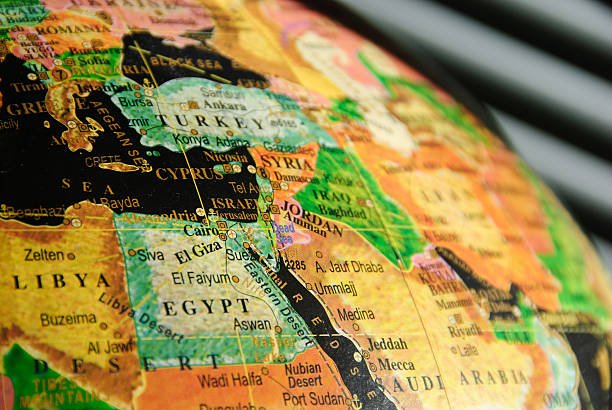
Somalia is widely recognized as the country in Africa that is the most unsafe because of the persistent conflict involving militant groups and the absence of a fully functioning central government in many regions for several decades. This situation has led to extreme levels of violence, kidnappings, and terrorist attacks that primarily target civilians, international aid workers, and government officials. International travel advisories consistently place this nation in the highest risk category due to these ongoing security threats and the lack of basic law enforcement in rural territories.
The broader security landscape of the continent is affected by a variety of factors ranging from religious insurgencies to political coups and ethnic tensions. Understanding the specific challenges in different nations helps to highlight why certain areas remain in a state of perpetual crisis while others struggle with localized instability.
These are the Countries that answer Which Is The Most Unsafe Country In Africa
When evaluating which country that is the most unsafe in Africa, experts look at several critical indicators including the rate of violent crime, the presence of active insurgencies, and the frequency of terrorist activities. Safety is not merely the absence of war but also the presence of stable institutions that can protect the population from harm and ensure the rule of law. The following nations are currently facing significant security hurdles that make them particularly dangerous for residents and travelers alike. These summaries provide a deep look into the unique conflicts and social conditions that define the safety levels within their borders today.
1. Somalia
Somalia has topped various global risk indices for years due to the ongoing insurgency led by Al-Shabaab, an extremist group that continues to control significant portions of the countryside. The capital, Mogadishu, frequently experiences devastating suicide bombings and complex attacks on hotels and government buildings, such as the horrific 2017 truck bombing that killed over 500 people. While the government has made strides in reclaiming territory with the help of African Union peacekeepers, the security situation remains incredibly fragile and unpredictable. Beyond terrorism, the country struggles with high rates of piracy along its coast and clan based violence that can erupt without warning over resources or political disputes. For any African country which is the most unsafe, Somalia represents a case where the collapse of state institutions has allowed non state actors to thrive at the expense of human life. Foreigners are particularly at risk of kidnapping for ransom, making it nearly impossible for traditional tourism or business travel to occur without heavy private security details.
2. South Sudan
South Sudan is often cited as a country in Africa that is the most unsafe because of the devastating civil war that began just two years after its hard won independence in 2011. Although peace agreements have been signed, the implementation has been slow, and localized ethnic violence continues to displace millions and claim thousands of lives annually. The proliferation of small arms across the country means that even minor disputes between communities can quickly escalate into deadly skirmishes involving heavy weaponry. Humanitarian workers in South Sudan face some of the highest risks in the world, frequently dealing with ambushes, robberies, and targeted attacks while trying to deliver aid to starving populations. Sexual and gender based violence has also been used as a weapon of war, contributing to a general atmosphere of fear and trauma for the civilian population. The lack of infrastructure and a reliable police force means that many regions are essentially lawless, where might often makes right in the absence of a judicial system.
3. Sudan
Sudan has rapidly become one of the most volatile and dangerous nations on the continent following the outbreak of war between the Sudanese Armed Forces and the Rapid Support Forces in April 2023. The conflict has turned the capital city of Khartoum into a battlefield, with heavy shelling and aerial bombardments destroying hospitals, schools, and residential neighborhoods. Millions of people have been forced to flee their homes, creating one of the world's largest displacement crises in a very short amount of time. Reports of ethnic cleansing in the Darfur region have resurfaced, echoing the dark history of the early 2000s and making it an African country which is the most unsafe for specific ethnic groups. Basic services such as electricity, water, and healthcare have collapsed in many areas, leading to preventable deaths alongside the casualties of direct combat. The sheer scale of the violence and the lack of a clear path to a ceasefire make Sudan a primary concern for international security experts and human rights organizations.
4. Central African Republic
The Central African Republic has faced decades of instability, but the situation remains particularly dire due to the presence of various armed groups that control up to 80 percent of the national territory. Conflict between the Séléka and Anti-balaka militias has torn the social fabric of the country, leading to widespread displacement and human rights abuses based on religious and ethnic identity. Even with the presence of a large United Nations peacekeeping mission, civilians are frequently caught in the crossfire or targeted for their perceived affiliations with different factions. The competition for control over the country's vast diamond and gold mines often fuels the violence, as armed groups use mineral wealth to fund their operations and recruit new fighters. Public infrastructure is almost non existent outside of the capital, Bangui, and even there, the threat of crime and civil unrest remains high. The inability of the central government to project authority beyond major urban centers leaves most of the population vulnerable to the whims of local warlords.
5. Democratic Republic of Congo
The Democratic Republic of Congo, specifically its eastern provinces like North Kivu and Ituri, is home to over 120 armed groups that have turned the region into one of the most dangerous places on earth. Groups like the M23 and the Allied Democratic Forces (ADF) frequently carry out massacres, loot villages, and engage in mass abductions of children to serve as soldiers. The conflict is deeply intertwined with the illegal exploitation of natural resources like cobalt and coltan, which are essential for global electronics but bring nothing but misery to the local inhabitants. Because of the vast and rugged terrain, the national army and UN peacekeepers often struggle to provide protection to isolated communities, leading to a sense of abandonment among the citizenry. High rates of violent crime, including armed robbery and carjacking, are also common in urban centers like Goma and Kinshasa. This nation highlights how a country in Africa that is the most unsafe can remain in a state of crisis for decades due to the intersection of resource wealth and weak governance.
6. Mali
Mali has seen a significant deterioration in its security situation since 2012, when a Tuareg rebellion was hijacked by Islamic extremist groups linked to Al-Qaeda and ISIS. The conflict has since spread from the northern desert regions into the central part of the country, where inter communal violence has become a major driver of insecurity. Two recent military coups have further complicated the situation, leading to the withdrawal of French counter terrorism forces and the departure of the UN peacekeeping mission known as MINUSMA. This vacuum has allowed extremist groups to besiege major towns and carry out sophisticated attacks against military outposts and civilian targets. The use of improvised explosive devices (IEDs) on public roads has made travel between cities extremely hazardous for both locals and international aid organizations. Despite the government's efforts to regain control using foreign private military contractors, the cycle of violence shows no signs of abating in the near future.
7. Burkina Faso
Burkina Faso has recently overtaken many of its neighbors to become one of the African countries that are considered the most unsafe due to a massive surge in terrorist activity. According to the Global Terrorism Index, the country has frequently recorded the highest number of deaths from terrorism in the world in recent years. More than two million people have been displaced as extremist groups have seized control of large swathes of territory, effectively cutting off many towns from government supply lines. The military has responded with several coups, promising to restore security, but the violence has actually intensified and spread toward the southern borders. Civilians are often targeted in mass killings, and schools have been closed by the thousands due to direct threats from militants. The rapid decline of what was once a relatively stable nation serves as a stark warning about how quickly security can evaporate when extremist ideologies take root in neglected rural areas.
8. Libya
Since the fall of Muammar Gaddafi in 2011, Libya has remained in a state of fragmented chaos, with rival governments and countless local militias vying for power and resources. The lack of a unified national security force means that various groups act as the de facto law in different regions, often engaging in kidnappings, illegal detentions, and extrajudicial killings. Libya is also a major transit point for migrants and refugees heading to Europe, many of whom face horrific abuses including torture and modern day slavery in unofficial detention centers. The security situation is further complicated by the presence of foreign fighters and mercenaries who support the different factions in the ongoing power struggle. Violent crime is rampant, and the proliferation of heavy weaponry left over from the revolution means that even minor civil disputes can turn into urban warfare. While there have been periods of relative calm, the underlying political divisions ensure that Libya remains a highly dangerous environment for anyone within its borders.
9. Nigeria
Nigeria faces a complex set of security challenges that vary significantly by region, making it an African country which is the most unsafe in specific hotspots. In the Northeast, the decade long insurgency by Boko Haram and ISWAP has resulted in tens of thousands of deaths and a massive humanitarian crisis characterized by mass abductions. The Northwest and North Central regions are currently plagued by "banditry," where armed gangs carry out large scale kidnappings for ransom, often targeting students in schools and travelers on major highways. In the Southeast, separatist agitations have led to violent clashes between security forces and local militants, often resulting in "sit at home" orders that paralyze the economy. High rates of kidnapping and armed robbery are also prevalent in major cities like Lagos and Abuja, where the disparity between rich and poor fuels opportunistic crime. The inability of the police and military to effectively address these multiple fronts simultaneously has led to a general decline in the public's sense of safety.
10. Chad
Chad occupies a precarious position in the heart of the Sahel, surrounded by neighbors in crisis like Sudan, Libya, and the Central African Republic. The country has a long history of rebellions and coups, including the 2021 death of President Idriss Déby on the front lines while fighting rebels in the north. The presence of Boko Haram in the Lake Chad region continues to pose a significant threat, with frequent raids on villages and attacks on military installations. Because of its strategic military role in the region, Chad is often a target for extremist groups looking to destabilize the central government. The influx of hundreds of thousands of refugees from the conflict in Sudan has also put an enormous strain on the country's limited resources and exacerbated local tensions. While the capital, N'Djamena, is relatively more secure than rural areas, the threat of civil unrest and sudden political shifts makes the entire nation a high risk zone. The combination of border instability and internal political fragility keeps Chad on the list of nations where safety is a daily concern.
11. Niger
Niger has recently seen its security environment worsen significantly following a military coup in mid 2023 that ousted the democratically elected president. The country is fighting a multi front war against extremist groups in the Tillabéri region near the borders with Mali and Burkina Faso, as well as Boko Haram in the Southeast. These conflicts have led to numerous attacks on civilian populations and the displacement of hundreds of thousands of people. The political isolation following the coup has led to the suspension of much needed international security assistance, leaving the national army to face these threats with reduced resources. Sanctions imposed by regional bodies have also caused economic hardship, which in turn can lead to increased crime and social unrest. As a country in Africa that is the most unsafe in terms of its recent political trajectory, Niger faces an uphill battle in maintaining regional stability. The closure of borders and the restriction of movement have further complicated the delivery of humanitarian aid to those most affected by the violence.
12. Cameroon
Cameroon is currently dealing with two major and distinct security crises that have made many parts of the country highly dangerous. In the Far North, the military continues to battle Boko Haram insurgents who cross over from Nigeria to raid villages and carry out suicide bombings. Meanwhile, in the Northwest and Southwest regions, a separatist conflict known as the "Anglophone Crisis" has led to a brutal cycle of violence between the government and armed groups seeking independence. This conflict has resulted in the burning of entire villages, the kidnapping of teachers and students, and the displacement of nearly a million people. In major cities, the threat of petty and violent crime is elevated, particularly during periods of political tension or economic strikes. The government's heavy handed response to dissent has also led to accusations of human rights abuses, further alienating the population in the conflict zones. This dual threat environment ensures that Cameroon remains a place of high risk for many of its inhabitants and visitors.
Reasons Why These Countries are the most unsafe in Africa
1. Chronic political instability and weak governance: The primary reason which country that is the most unsafe in Africa often stays that way is the lack of a strong, central authority that can enforce laws. When a government cannot provide basic services or protect its borders, a power vacuum is created that is quickly filled by warlords, militias, or terrorist organizations. This instability is frequently perpetuated by frequent coups or contested elections that undermine the legitimacy of state institutions. Without a stable political foundation, it is impossible to build the professional police and judicial systems necessary to maintain public safety.
2. The proliferation of illegal small arms and light weapons: In many of these nations, weapons are easily accessible and often outnumber the people in certain communities. Decades of regional wars have left behind a legacy of stockpiled munitions that are sold on the black market to whoever has the money to buy them. This makes every local conflict potentially lethal and allows small groups of insurgents to challenge the power of the national military. The African countries that are the most unsafe are almost always those where the government has lost its monopoly on the use of force, leading to a situation where armed violence becomes a common method for resolving disputes.
3. Deep seated ethnic and communal tensions: Many conflicts on the continent are fueled by long standing grievances between different ethnic or religious groups over land, water, and political representation. These tensions are often manipulated by unscrupulous leaders who use identity politics to maintain their grip on power. In countries like South Sudan and the DRC, these communal clashes can lead to mass killings and the displacement of entire populations in a matter of days. When people do not feel that the state will protect their specific group, they often turn to local militias for security, which only increases the overall level of violence and instability.
4. Economic desperation and high youth unemployment: Poverty is a massive driver of crime and a powerful recruitment tool for extremist groups and criminal gangs. When young people have no hope for a better future or a way to earn a living, they are much more susceptible to the promises of radical ideologies or the quick money offered by banditry. In nations like Nigeria and Somalia, the lack of economic opportunity has created a steady stream of recruits for insurgent movements that offer a sense of belonging and a paycheck. Addressing the underlying economic issues is often just as important as military action when trying to improve the safety of a region.
5. The "Resource Curse" and illegal mining: In several of the most dangerous countries, the presence of valuable natural resources like gold, diamonds, and oil acts as a magnet for conflict rather than a blessing. Armed groups frequently seize control of mining areas to fund their activities, leading to brutal violence against the local laborers and residents. The competition for these resources often involves international actors and private military companies, adding another layer of complexity to the security situation. This ensures that the African country which is the most unsafe remains trapped in a cycle where its own wealth is used to finance the very violence that destroys the lives of its people.
6. Porous borders and regional spillover: Conflict in one country rarely stays within its borders, as refugees, fighters, and weapons flow easily across the poorly monitored frontiers of the continent. The instability in Libya, for example, has had a devastating impact on the security of the entire Sahel region, as weapons from its looted armories were used to fuel insurgencies in Mali and Niger. Similarly, the current war in Sudan is threatening the stability of Chad and South Sudan through the influx of displaced persons and armed groups. This regional interconnectedness means that no country is truly safe until its neighbors are also stable, making security a collective continental challenge.
Conclusion
While the specific details of the conflicts vary, Somalia is consistently ranked as the country in Africa that is the most unsafe because of the longevity of its state failure and the persistent threat of terrorism. However, the rapidly escalating war in Sudan and the rising insurgency in Burkina Faso show that the map of insecurity is constantly changing. For these nations to become safer, there must be a concerted effort to address the root causes of violence, including poverty, weak governance, and ethnic marginalization. The resilience of the people living in these high risk areas is remarkable, but they deserve the protection of stable and just governments. Ultimately, the safety of any African nation is tied to the collective peace and cooperation of the entire continent. The journey toward a safer Africa requires not just military strength, but a commitment to justice and economic opportunity for all its citizens.
Enjoyed this read?
Share it with your friends and colleagues.