How To Move To Africa Permanently

BSC Insights Admin
September 30, 2026
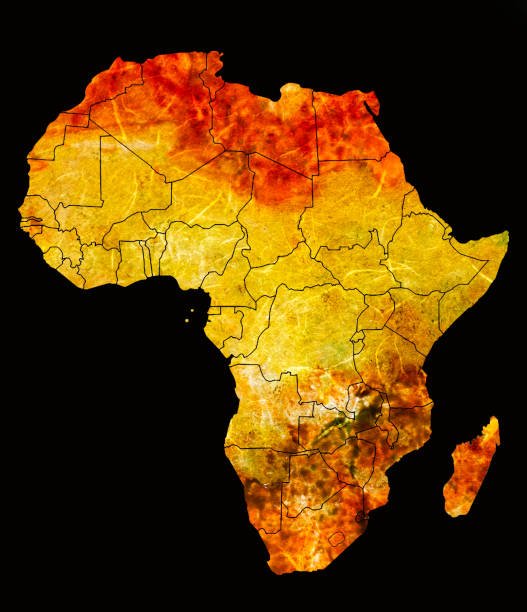
How To Move To Africa Permanently: Your Definitive Guide
Moving to Africa permanently involves meticulous planning, understanding diverse immigration policies, and adapting to new cultural landscapes. This comprehensive guide will walk you through the essential steps, from choosing your destination to integrating into your new home, ensuring a smooth transition for those looking to relocate to Africa for good.
Africa, a continent of immense diversity, offers a vibrant tapestry of cultures, economies, and natural wonders. For many, the idea of a permanent move is driven by promising economic opportunities, a desire for a different pace of life, or a connection to heritage. Whatever your motivation, thorough preparation is paramount to successfully making Africa your long-term home.
Why Consider Relocating to Africa Permanently?
The allure of permanent residency in Africa is growing. The continent boasts some of the world's fastest-growing economies, particularly in sectors like technology, renewable energy, and tourism. Beyond economic prospects, individuals are drawn to Africa's rich cultural heritage, diverse landscapes, from pristine beaches to vast savannas, and the warmth of its communities. Many expatriates report a strong sense of community and an improved quality of life, often at a lower cost than in Western countries.
Key Motivations for Moving to Africa
- Economic Opportunities: Emerging markets offer business and employment prospects.
- Quality of Life: Often a more relaxed pace, vibrant communities, and abundant nature.
- Cultural Immersion: A chance to experience diverse traditions, languages, and histories.
- Adventure and Exploration: Proximity to unparalleled natural beauty and wildlife.
- Cost of Living: Can be significantly lower than in many developed nations, though this varies greatly by country and city.
Choosing Your African Destination
One of the most critical steps in planning a move to Africa is selecting the right country. Africa is not a monolithic entity; each nation possesses unique characteristics regarding economy, political stability, language, culture, and immigration policies. Your choice will significantly impact your experience and the feasibility of your permanent relocation.
Factors to Consider When Selecting a Country
- Economic Stability and Job Market: Research sectors with demand for your skills or business opportunities. Countries like South Africa, Kenya, Nigeria, and Egypt have larger, more diversified economies.
- Political Stability and Security: Prioritize countries with stable governments and low crime rates. Nations like Ghana, Rwanda, Mauritius, and Botswana are often cited for their stability.
- Immigration Policies: Some countries have more accessible paths to permanent residency or long-term visas for skilled workers, investors, or retirees.
- Cost of Living: This varies dramatically. For example, living in Accra, Ghana, or Nairobi, Kenya, might be more expensive than in smaller towns, but generally less than major European or North American cities.
- Language: English, French, Portuguese, and Arabic are widely spoken in different regions, alongside countless indigenous languages. Consider where your language skills will be most beneficial.
- Healthcare and Education Systems: Evaluate the quality and accessibility of medical facilities and international schools, especially if moving with family.
- Climate and Lifestyle: Africa offers diverse climates, from Mediterranean to tropical. Consider what suits your preferences.
Popular Destinations for Expats
- South Africa: Known for its diverse economy, beautiful landscapes, and developed infrastructure. Offers various visa options for skilled workers, investors, and retirees.
- Kenya: A regional economic hub in East Africa, with opportunities in tech, tourism, and agriculture. Nairobi is a bustling cosmopolitan city.
- Ghana: Praised for its democracy, friendly culture, and growing economy. Becoming a popular choice for diaspora returning home.
- Rwanda: A rapidly developing nation known for its cleanliness, safety, and investment in technology and conservation.
- Mauritius: An island nation offering political stability, a high quality of life, and attractive incentives for investors and retirees.
- Morocco: A gateway to Africa, blending Arab, Berber, and European cultures, with a strong tourism sector and growing economy.
Understanding African Visa and Immigration Requirements
The most complex aspect of moving to Africa permanently is navigating immigration laws. Each country has its own specific requirements, and securing the appropriate long-term visa or permit is non-negotiable. General categories often include:
Common Visa Categories for Permanent Relocation
- Work Visas/Permits: For individuals who have secured employment in the target country. Often requires a job offer, proof of qualifications, and sometimes a labor market test to show no local person could fill the role.
- Business/Investor Visas: For those planning to start a business or invest a significant amount of capital. Requirements vary widely but often include a business plan, minimum investment, and job creation proof.
- Retirement Visas: Available in some countries (e.g., South Africa, Mauritius) for individuals who can prove sufficient passive income to support themselves without working.
- Family Reunification/Spousal Visas: For those joining a spouse or close family member who is a citizen or permanent resident of the country.
- Study Visas: While not directly permanent, some study visas can be a pathway to long-term residency if followed by a work permit.
General Documents Required for African Immigration
While specific needs vary by country, prepare to gather the following:
- Valid Passport: With sufficient validity (usually 6 months beyond intended stay) and blank pages.
- Application Forms: Duly completed for the specific visa type.
- Passport-Sized Photos: Adhering to specific dimensions and background color.
- Proof of Financial Means: Bank statements, employment contracts, or investment portfolios demonstrating you can support yourself.
- Police Clearance Certificate: From your home country and any country you've lived in for a significant period.
- Medical Examination: Often required, including specific tests like HIV or tuberculosis.
- Educational Certificates and Professional Qualifications: Authenticated or apostilled, especially for work visas.
- Detailed CV/Resume: Highlighting your work history and skills.
- Letter of Invitation/Employment Contract: From an employer or sponsor in Africa.
Strongly recommended: Consult the official embassy or consulate website of your chosen African country in your home nation or seek advice from a reputable immigration lawyer specializing in African immigration. Visa processes can be lengthy, so start planning your African relocation well in advance.
Financial Planning for Your African Move
Understanding the financial implications is critical for a successful move to Africa permanently. This includes managing initial relocation costs, understanding the cost of living, and navigating banking and tax systems.
Cost of Living in Africa
The cost of living in Africa is highly variable. Major cities like Johannesburg, Lagos, or Nairobi can be comparable to some Western cities for certain goods and services, especially imported ones or upscale housing. However, local goods, public transport, and certain services are generally more affordable. Rural areas offer a significantly lower cost of living.
| Expense Category | Considerations |
|---|---|
| Housing | Rent for a 1-bedroom apartment in a city center can range from $300 (e.g., Kampala) to $1,000+ (e.g., Johannesburg, Accra). Property purchase involves significant investment and legal fees. |
| Groceries | Local markets offer affordable produce. Western-style supermarkets are more expensive. |
| Transportation | Public transport (buses, shared taxis) is cheap. Private car ownership can be costly due to import duties and fuel prices. |
| Healthcare | Private healthcare is recommended for expats; international health insurance is essential. |
| Education | International schools are expensive, often ranging from $5,000 to $25,000+ per year per child. Local schools are significantly cheaper but may not meet international standards. |
Banking and Finances
Opening a local bank account will be necessary once you have appropriate residency documentation. Research banks with good online services and international transfer capabilities. Be aware of currency exchange rates, transfer fees, and potential restrictions on foreign currency accounts.
Tax Implications
You will become a tax resident in your new country once you meet their residency criteria (often based on days spent in the country). Research the local tax laws, including income tax, VAT, and any potential capital gains tax. Many countries have double taxation treaties with Western nations, which can prevent you from being taxed twice on the same income.
Employment and Business Opportunities in Africa
For many, working in Africa or starting a business is the primary reason for moving. The job market varies significantly by country and sector.
Job Market Insights
- Research: Use local job boards, professional networking sites (like LinkedIn), and expat forums to understand the job market in your chosen country.
- In-demand Sectors: Look for opportunities in telecommunications, IT, renewable energy, healthcare, education, mining, finance, and tourism.
- Networking: Personal connections are often crucial in securing employment. Attend industry events and connect with local professionals.
- Qualifications: Ensure your qualifications are recognized and, if necessary, accredited by local authorities.
Entrepreneurship and Investment
Africa is ripe with entrepreneurial potential. If you plan to start a business, research the ease of doing business in your chosen country, local regulations, market demand, and access to capital. Many African governments are actively seeking foreign investment and may offer incentives.
Healthcare and Education in Your New African Home
These are vital considerations, especially if you're relocating to Africa with family.
Healthcare System
Public healthcare systems in many African countries can be under-resourced. Most expatriates opt for private healthcare facilities, which offer higher standards of care, more modern equipment, and often English-speaking staff. Comprehensive international health insurance is highly recommended, covering medical emergencies, hospital stays, and potentially medical evacuation.
Education System
For families, international schools are a popular choice, offering curricula like the British, American, or International Baccalaureate (IB) systems. These schools often have diverse student bodies and provide a smoother transition for children. Be prepared for high tuition fees. Local public schools are generally not suitable for expatriate children due to language barriers and different educational standards, though private local schools might be an option.
Cultural Integration and Lifestyle in Africa
Successfully moving to Africa permanently isn't just about visas and jobs; it's about embracing a new way of life.
Language and Communication
While English or French may be official languages, learning some basic phrases in local languages (e.g., Swahili in East Africa, Zulu in South Africa) will significantly enhance your experience and demonstrate respect. Communication styles can be more indirect or hierarchical than in Western cultures.
Social Customs and Etiquette
Research the specific social norms of your chosen country. Respect for elders, community ties, and hospitality are generally highly valued. Dress codes may be more conservative in some regions. Patience and an open mind are your best assets for cultural integration.
Safety and Security
Like any region, Africa has areas with higher crime rates. Research specific safety concerns for your chosen location and take sensible precautions. This may include securing your home, avoiding certain areas at night, and being aware of your surroundings. Many expats live in gated communities or areas with enhanced security.
Transportation and Infrastructure
Infrastructure varies greatly. Major cities often have developing public transport networks, but private vehicles are common. Road conditions can be challenging outside urban centers. Internet connectivity is generally good in cities but can be slower or less reliable in rural areas.
Packing and Logistics for Your African Move
Once the legal and financial groundwork is laid, focus on the practicalities of your move.
Shipping Belongings
Decide what to bring. Shipping household goods can be costly and time-consuming. Consider what you truly need versus what can be purchased locally or replaced. Research reputable international moving companies specializing in African destinations. Be aware of customs duties and import restrictions.
Pet Relocation
If you have pets, research the specific import requirements for animals in your chosen country. This often involves vaccinations, microchipping, health certificates, and sometimes quarantine periods. Start this process early, as it can be complex and lengthy.
Challenges and How to Overcome Them
Relocating to Africa can present challenges, from bureaucratic hurdles to culture shock. Being prepared can make a significant difference:
- Bureaucracy: Processes can be slow and require patience. Have all documents organized and be persistent.
- Culture Shock: Expect a period of adjustment. Engage with locals, join expat groups, and maintain an open mind.
- Infrastructure Gaps: Power outages, water shortages, or less reliable internet can occur. Be adaptable and have backup plans.
- Safety Concerns: Stay informed, take precautions, and trust your instincts.
- Homesickness: Maintain connections with friends and family back home and build a strong support network in your new environment.
Conclusion
Moving to Africa permanently is a transformative journey that promises rich experiences and new opportunities. While it requires extensive preparation, research, and an adaptable spirit, the rewards of integrating into diverse cultures, contributing to dynamic economies, and exploring unparalleled natural beauty are immense. By carefully planning your destination, understanding immigration requirements, managing finances, and embracing cultural immersion, you can successfully embark on your new life on the African continent.
Enjoyed this read?
Share it with your friends and colleagues.