How To Move To Ghana As An African American

BSC Insights Admin
September 30, 2026
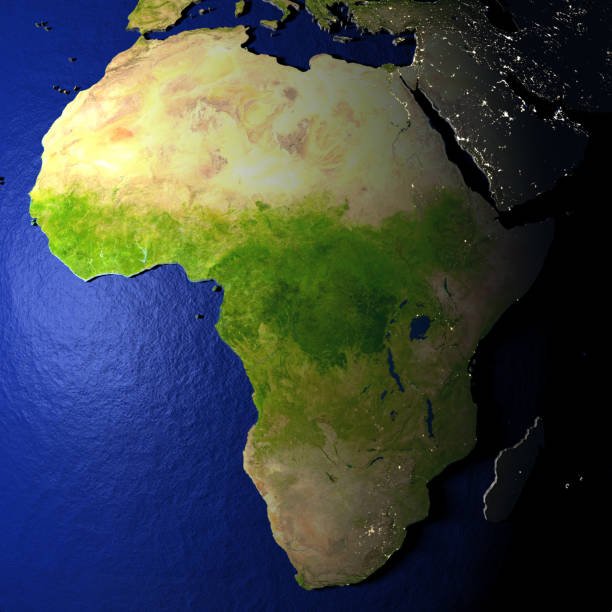
How To Move To Ghana As An African American
Moving to Ghana as an African American is a journey of cultural reconnection, personal growth, and new opportunities. This comprehensive guide details the essential steps, from understanding visa requirements and financial planning to finding housing, securing employment, and successfully integrating into Ghanaian society.
Ghana has emerged as a prime destination for African Americans seeking to reconnect with their ancestral roots, spurred by initiatives like the "Year of Return" and "Beyond the Return." The nation offers a vibrant culture, a welcoming community, and a burgeoning economy, making it an attractive choice for relocation. Whether you are seeking a new professional challenge, a spiritual awakening, or simply a change of scenery, understanding the practicalities of moving to Ghana is crucial.
Why Ghana? The Call of the Motherland
Ghana holds a unique significance for many African Americans, often referred to as the "Gateway to Africa." Its rich history, including its pivotal role in the transatlantic slave trade, provides a powerful link to the past, while its vibrant contemporary culture offers a dynamic future.
- Historical and Cultural Connection: Ghana offers a tangible link to African heritage. Sites like Cape Coast Castle and Elmina Castle stand as poignant reminders, while festivals, music, and art celebrate a deep cultural legacy. Many African Americans feel a strong sense of belonging and healing upon arriving.
- "Year of Return" and "Beyond the Return" Initiatives: These government-backed campaigns have actively encouraged the African Diaspora to visit, invest, and even resettle in Ghana. They have fostered a welcoming environment, making the process of relocating to Ghana more accessible and appealing.
- Economic Opportunities and Quality of Life: Ghana boasts a relatively stable economy with opportunities in various sectors, including technology, agriculture, tourism, and real estate. The cost of living, while rising in urban centers, can be significantly lower than in many Western countries, offering a potentially higher quality of life for those with passive income or strong business ventures.
- Warm Hospitality: Ghanaians are renowned for their friendliness and hospitality, often expressed through the concept of "Akwaaba" (welcome). Many expatriates report feeling genuinely embraced by local communities.
Essential Pre-Move Planning for African American Relocation
Thorough planning is the bedrock of a successful move. Before you even pack a single box, several crucial steps need to be addressed to ensure a smooth transition when you move to Ghana.
Research and Preparation
Start by immersing yourself in information about Ghana. Read books, watch documentaries, join online expat forums, and connect with African Americans already living in Ghana. Their experiences can provide invaluable insights into daily life, cultural nuances, and potential challenges.
Financial Planning and Cost of Living in Ghana
A robust financial plan is non-negotiable. Evaluate your current financial standing and project your expenses in Ghana. The cost of living in Ghana varies significantly depending on your lifestyle and location.
- Savings: Aim to have at least 6-12 months of living expenses saved. This buffer will cover initial setup costs, unexpected expenses, and provide security while you adjust or seek employment.
- Income Streams: Determine how you will generate income. Will you work remotely, start a business, or seek local employment? Understand the tax implications for each.
- Budgeting: Create a detailed budget for your first few months. Include rent, utilities, food, transportation, healthcare, and leisure activities.
Healthcare Considerations
Healthcare is a critical aspect. Research the healthcare system in Ghana, including public and private hospitals, and consider international health insurance that covers you abroad. While private facilities in major cities like Accra and Kumasi offer good standards, they can be costly.
Visa and Immigration Requirements for African Americans Moving to Ghana
Navigating the immigration process is arguably the most critical step. Understanding the correct visa type and application procedure is paramount for African Americans relocating to Ghana.
Understanding Visa Types
Most individuals looking to reside in Ghana will need a residence permit. Before applying for a residence permit, you typically enter Ghana on a visa. The type of visa you initially apply for depends on your purpose of stay.
- Tourist Visa: Suitable for short visits, not for long-term residency or work. You cannot convert a tourist visa to a residence permit while in Ghana.
- Business Visa: If you are exploring business opportunities or attending meetings, this is appropriate for short stays.
- Entry Visa: This is generally the starting point for those intending to seek long-term residency or employment. Once in Ghana, you will apply for a residence permit.
The Right of Abode for Diasporans
Ghana's "Right of Abode" law is particularly relevant for individuals of African descent in the Diaspora. It grants qualified individuals the right to enter, live, and work in Ghana indefinitely without a visa. This is a significant advantage for African Americans moving to Ghana permanently.
- Eligibility: Generally for persons of African descent who can prove their lineage or strong connection to Africa.
- Application Process: Involves submitting an application to the Ghana Immigration Service, often requiring supporting documentation such as birth certificates, historical records, or letters from community leaders. It can be a lengthy process, so start early.
Required Documents for a Residence Permit
Once in Ghana on an appropriate entry visa, you will apply for a residence permit at the Ghana Immigration Service. Common documents required include:
- Passport: Valid for at least six months.
- Visa Application Form: Duly completed.
- Passport-sized Photos: Recent.
- Invitation Letter (if applicable): From a host or organization in Ghana.
- Proof of Funds: Bank statements showing sufficient financial resources.
- Medical Certificate: From a certified doctor.
- Police Clearance Certificate: From your home country.
- Employment Contract/Business Registration: If working or starting a business.
- Accommodation Details: Proof of residence in Ghana.
- Right of Abode Certificate: If you have obtained it.
Always check the latest requirements on the official Ghana Immigration Service website or consult with an immigration lawyer specializing in Ghanaian law.
Logistics of Relocation to Ghana
Once your visa situation is clear, focus on the practicalities of getting yourself and your belongings to Ghana.
Shipping Belongings vs. Buying New
This is a major decision with cost implications.
- Shipping: For furniture and extensive personal items, sea freight is an option but can be expensive and time-consuming. Research reputable international shipping companies. Be aware of customs duties and clearance procedures upon arrival.
- Buying New: Many expats opt to sell most of their possessions and buy new or used items in Ghana. Major cities have shops selling everything from furniture to electronics, though selection and price may vary compared to Western markets.
Flights and Initial Accommodation
Book your flight well in advance, especially during peak seasons. For initial accommodation, consider short-term rentals, Airbnbs, or hotels in areas where you plan to settle. This allows you to explore neighborhoods before committing to a long-term lease.
Settling In: Housing, Transportation, and Utilities in Ghana
Establishing your home base is crucial for comfort and stability.
Finding Housing in Ghana
Housing options range from apartments in gated communities to standalone houses. Rental prices vary significantly by location, property type, and amenities. Popular expat areas in Accra include Cantonments, Labone, Osu, East Legon, and Airport Residential Area.
- Rental Agents: Many expats use real estate agents, though commission fees apply.
- Online Portals: Websites like meQasa, Ghana Property Finder, and Facebook groups dedicated to expat housing can be useful.
- Lease Agreements: Be prepared for landlords who often demand 1-2 years' rent upfront. Negotiate terms carefully and have a local friend or lawyer review contracts.
Transportation Options
Navigating Ghana's cities requires understanding local transport.
- Tro-tros: Shared mini-buses, the most affordable option, but can be crowded and confusing for newcomers.
- Taxis: Readily available, but fares must be negotiated before boarding.
- Ride-sharing Apps: Uber and Bolt are popular in major cities, offering fixed prices and convenience.
- Private Cars: Buying a car offers independence but comes with costs for purchase, fuel, maintenance, and insurance. Traffic can be heavy, especially in Accra.
Utilities and Connectivity
- Electricity (ECG): Generally reliable in major cities, but power outages (dumsor) can occur. Invest in surge protectors. Prepaid meters are common.
- Water: Tap water is generally not safe for drinking; bottled water is widely used for consumption.
- Internet and Mobile: Ghana has good mobile network coverage (MTN, Vodafone, AirtelTigo). Data bundles are affordable. Fiber optic internet is available in many urban areas.
Financial Management in Ghana
Understanding local financial systems is vital for managing your money effectively.
Banking and Currency Exchange
The local currency is the Ghana Cedi (GHS). Major banks include GCB Bank, Ecobank, Zenith Bank, and Standard Chartered. Opening a bank account typically requires your passport, residence permit, and proof of address. Mobile money services (e.g., MTN Mobile Money) are widely used for daily transactions.
Taxes
If you become a tax resident, you will be subject to Ghanaian income tax on your worldwide income. It's advisable to consult with a local tax advisor to understand your obligations, especially if you are working remotely or running a business.
Table: Estimated Monthly Cost of Living (Accra, moderate lifestyle)
| Expense Category | Estimated Monthly Cost (GHS) | Estimated Monthly Cost (USD) |
|---|---|---|
| Rent (1-2 bed apt) | 2,000 - 6,000+ | 150 - 450+ |
| Utilities (Electricity, Water, Internet) | 400 - 800 | 30 - 60 |
| Groceries/Food | 800 - 1,500 | 60 - 110 |
| Transportation | 300 - 700 | 20 - 50 |
| Healthcare (basic) | 150 - 300 | 10 - 25 |
| Miscellaneous/Leisure | 500 - 1,000 | 35 - 75 |
| Total Estimated Range | 4,150 - 10,300+ | 305 - 770+ |
Note: Exchange rates fluctuate. These are approximations and can vary greatly. USD equivalents based on approx. 1 USD = 13.5 GHS (as of early 2024).
Work and Business Opportunities for African Americans in Ghana
Many African Americans move to Ghana seeking new career paths or entrepreneurial ventures.
The Job Market for Expats
While opportunities exist, the local job market can be competitive. Sectors with potential for foreign expertise include:
- Tech and IT: Ghana is a growing tech hub.
- Education: International schools often seek qualified expatriate teachers.
- Hospitality and Tourism: A vibrant industry always looking for talent.
- NGOs and Development: Many international non-profits operate in Ghana.
Networking is key. Attend industry events, join professional associations, and leverage online platforms like LinkedIn.
Starting a Business in Ghana
Ghana is increasingly attractive for entrepreneurs. The government encourages foreign investment, and local support networks are growing. Popular business ventures include:
- Real Estate and Construction: High demand for housing.
- Agriculture and Food Processing: Untapped potential in food production.
- Tourism and Hospitality: Expanding industry.
- Retail and Services: Catering to both local and expat communities.
The process involves registering your business with the Registrar General's Department, obtaining necessary permits, and understanding local regulations. Seek advice from local business consultants or legal professionals.
Healthcare and Education Options
These are significant considerations, especially for families.
Healthcare System
Ghana has a mix of public and private healthcare facilities. Public hospitals are generally affordable but can suffer from overcrowding and limited resources. Private hospitals, particularly in major cities, offer higher standards of care, modern equipment, and shorter wait times, but at a higher cost. Many expats opt for private insurance that covers emergency evacuation and treatment in Ghana or abroad.
Education for Children
- International Schools: Offer curricula like the British, American, or International Baccalaureate (IB) systems. Examples include the Ghana International School, Lincoln Community School, and American International School. These are excellent but often have high tuition fees.
- Local Private Schools: A more affordable option, offering the Ghanaian curriculum. Standards vary, so thorough research is required.
- Homeschooling: An option for some families, though legal frameworks should be explored.
Cultural Integration and Community in Ghana
Embracing Ghanaian culture is fundamental to a fulfilling expatriate experience.
Understanding Ghanaian Culture and Customs
Ghanaian culture is rich in tradition, family values, and community spirit. Politeness, respect for elders, and a communal approach to life are highly valued. Understanding these norms will greatly aid your integration.
- Greetings: Always greet people, especially elders. A handshake is common.
- Dress Code: Modest dress is generally appreciated, particularly in rural areas or when visiting religious sites.
- Time: "Ghanaian time" can be more flexible than Western punctuality. Patience is a virtue.
Learning Local Languages
While English is the official language, learning a local language like Twi, Ga, or Ewe will significantly enhance your experience and connections. Even basic phrases can open doors and demonstrate respect for local culture.
Connecting with Expat and Local Communities
Ghana has a growing expat community, particularly in Accra and Kumasi. Join online groups, attend social events, and seek out local clubs or organizations that align with your interests. Building relationships with local Ghanaians is equally important for a richer experience.
Dealing with Culture Shock
Be prepared for culture shock. This is a natural part of any international move. Frustration with bureaucracy, differing communication styles, or unexpected inconveniences are common. Patience, an open mind, and a good support network will help you navigate these challenges.
Safety and Security in Ghana
Ghana is generally considered a safe country, especially compared to some other West African nations. However, like anywhere, it's wise to be aware of your surroundings and take common-sense precautions.
- Petty Crime: Pickpocketing and bag snatching can occur in crowded markets or tourist areas. Be vigilant.
- Scams: Be wary of online or in-person scams, especially those promising quick riches.
- Road Safety: Driving can be challenging due to road conditions and traffic practices.
Stay informed about local news, follow advice from trusted sources, and register with your embassy or consulate if you feel it's necessary.
Conclusion: Your Journey to Ghana
Moving to Ghana as an African American is a transformative experience, offering a unique blend of cultural immersion, economic opportunity, and a profound sense of belonging. While the journey involves careful planning, adherence to immigration procedures, and an open mind, the rewards of reconnecting with your heritage and building a new life in Ghana are immeasurable. By thoroughly researching, preparing financially, understanding local customs, and engaging with both expat and local communities, you can navigate the complexities of relocation and embrace all that Ghana has to offer. Your new chapter awaits in the heart of West Africa.
Enjoyed this read?
Share it with your friends and colleagues.