Did North Africa Have White Slaves

BSC Insights Admin
October 01, 2026
Did North Africa Have White Slaves?
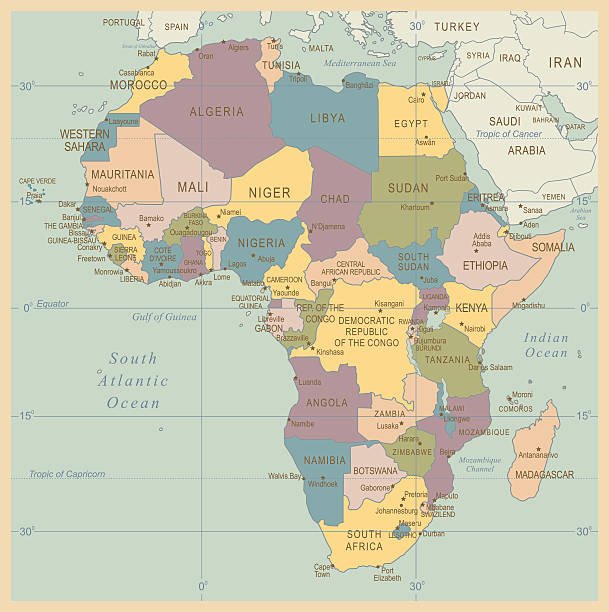
Yes, North Africa did have a significant history of white slavery, primarily involving Europeans captured by the Barbary corsairs from the 16th to the early 19th centuries. This often-overlooked chapter of history saw hundreds of thousands, potentially more than a million, Europeans enslaved on the North African coast, particularly in the regencies of Algiers, Tunis, and Tripoli, as well as the Sultanate of Morocco.
This period, known as the Barbary slave trade, was a pervasive and brutal system where European captives endured harsh conditions, forced labor, and often faced immense difficulty in regaining their freedom. Understanding this historical reality is crucial for a complete picture of global slavery and its diverse forms.
The Historical Context of the Barbary Slave Trade
The practice of taking European captives on the North African coast was not entirely new, but it intensified dramatically from the early 16th century onwards. This surge coincided with the rise of the Ottoman Empire's influence in the Maghreb and the establishment of semi-autonomous states known as the Barbary Regencies. These included Algiers, Tunis, and Tripoli, all nominally under Ottoman suzerainty but largely operating independently.
These regencies, along with the independent Sultanate of Morocco (particularly the city of Salé), became the primary bases for privateers, or corsairs, who preyed on European shipping and coastal towns. Their actions were driven by a combination of economic gain, political power, and religious motivations, though profit was often the primary objective. The Mediterranean Sea, a vital artery for European trade, became a dangerous zone, and the Atlantic coastlines of Europe were also vulnerable to raids.
Geographical Scope and Key Barbary Ports
The main centers of the Barbary slave trade were:
- Algiers: Often considered the most formidable of the Barbary States, its corsairs were notorious for their widespread raids.
- Tunis: Another significant port, also active in corsair activities and the slave market.
- Tripoli: Situated further east, it contributed to the overall scale of European enslavement.
- Salé (Morocco): Known for its own group of corsairs, the Salé Rovers, who operated primarily in the Atlantic.
These ports served as hubs for slave markets, naval bases, and administrative centers for the complex system of corsairing and enslavement.
Who Were the “White Slaves”?
The term “white slaves” in North Africa refers predominantly to people of European descent who were captured and enslaved. These individuals came from a wide array of European nations and social strata.
Origins of European Captives
Captives originated from nearly every coastal region of Europe and beyond, including:
- Southern Europe: Italy, Spain, Portugal, and the islands of the Mediterranean (Sicily, Sardinia, Corsica).
- Western Europe: France, England, Ireland, Scotland, the Netherlands.
- Northern Europe: Germany, Denmark, Sweden, Norway, and even Iceland were not immune to raids.
They were typically:
- Sailors and Fishermen: The most common victims, captured at sea while engaged in trade or fishing.
- Coastal Villagers: Entire villages, sometimes far inland after daring raids, were depopulated and their inhabitants taken captive.
- Passengers and Merchants: Individuals traveling on ships, regardless of their social standing, were vulnerable.
While some sources refer to these captives as Christian slaves due to the predominant religion of the captives, the identifier “white” in this context broadly refers to their European ethnicity, distinguishing them from the trans-Saharan slave trade which primarily involved sub-Saharan Africans, and internal slavery within North Africa which involved various ethnicities.
The Journey and Life of a Slave
The experience of a European captive in North Africa began with a traumatic capture and descent into a life of servitude.
Capture and Transport
Capture could be swift and brutal. Ships were boarded, and resistance was often met with violence. Coastal raids were equally terrifying, with homes plundered and inhabitants rounded up. The journey to North Africa was itself perilous, often cramped and unsanitary, with many dying en route from disease, starvation, or mistreatment.
Slave Markets and Distribution
Upon arrival in ports like Algiers, captives were paraded through slave markets, where they were inspected and sold to the highest bidder. These markets were bustling, cosmopolitan places where buyers included government officials, wealthy merchants, and private citizens. Families were often separated, adding to the trauma. Prices varied greatly depending on the captive's age, gender, health, skills, and perceived social status.
Types of Labor and Conditions
The life of a European slave in North Africa was typically arduous and short. Their labor was utilized in various sectors:
- Galley Slaves: Many men were forced to row the galleys of the corsair fleets, a brutal existence characterized by chains, meager rations, and constant physical exertion under the whip. Mortality rates were extremely high in the galleys.
- Construction: Slaves were used for major public works, including fortifications, harbor maintenance, and building projects.
- Domestic Service: Women, and sometimes younger men or children, were employed in households as servants, cooks, or concubines.
- Agriculture: In some regions, slaves worked in fields and plantations.
- Skilled Trades: Captives with valuable skills (e.g., carpenters, masons, doctors) might find themselves in slightly better conditions, valued for their expertise.
Conditions across the board were generally harsh, marked by inadequate food, poor hygiene, and relentless work. Religious conversion to Islam could sometimes offer a path to improved status or even freedom, though this was not always guaranteed and often came with social pressures. European captives in the Maghreb faced a life of hardship, with freedom being a distant and often elusive dream.
Numbers and Scale of European Enslavement
Estimating the exact number of white slaves in North Africa over several centuries is challenging due to incomplete records, but historians widely agree that the scale was immense. While figures vary, a conservative estimate by some scholars suggests that between 1500 and 1800, approximately 800,000 to 1.25 million Europeans were enslaved by the Barbary corsairs.
Key Statistics and Periods
- Peak Activity: The 17th century saw the height of Barbary corsair activity, with raids extending far into the Atlantic. For instance, in the 1630s alone, it's estimated that thousands of English and Irish captives were taken.
- Frequent Raids: Records show countless raids on Spanish, Italian, and French coasts, sometimes capturing entire villages.
- Icelandic Raids: A striking example of the far reach of the corsairs is the 1627 raid on Iceland, where hundreds were captured and taken to Algiers.
- American Captives: Even the nascent United States faced this threat, with American sailors being enslaved in the late 18th and early 19th centuries, leading to the Barbary Wars.
These numbers highlight that the Barbary slave trade was a significant historical phenomenon, comparable in its duration and total number of victims to aspects of the transatlantic slave trade, though differing in its demographic profile and economic drivers.
Methods of Ransom and Redemption
For many European captives, the only hope of freedom lay in ransom. The process of redemption was complex, involving various actors and methods.
Individual and Family Efforts
Families of captives often pooled resources, sometimes selling their possessions or appealing to their communities for aid to raise the ransom money. This was a desperate and often financially ruinous endeavor.
European States and Governments
Some European nations, particularly those with a large number of their citizens enslaved, would engage in diplomatic negotiations to secure the release of their people. Treaties sometimes included provisions for the exchange of prisoners or the payment of tribute to prevent further raids.
Religious Orders and Charitable Organizations
Perhaps the most organized and dedicated efforts came from Catholic redemptionist orders. Orders such as the Trinitarians (Order of the Most Holy Trinity and of the Captives) and the Mercedarians (Order of the Blessed Virgin Mary of Mercy) were founded specifically for the purpose of ransoming Christian captives. They collected alms across Europe, traveled to North Africa, and negotiated directly for the release of slaves. Their efforts saved thousands of lives, often at great personal risk.
Consular Intervention
European consuls stationed in the Barbary States also played a role in negotiating for the freedom of their countrymen, though their power was often limited without strong backing from their home governments.
The redemption process underscores the immense value placed on freedom and the enduring networks of charity and diplomacy that formed in response to the brutality of the Barbary slave trade.
Impact and Legacy of White Slavery in North Africa
The enslavement of Europeans in North Africa had profound and lasting impacts on both the Barbary States and European societies.
Impact on European Societies
- Fear and Insecurity: The constant threat of raids instilled deep fear along European coastlines, leading to depopulation in some areas and the construction of watchtowers and fortifications.
- Economic Disruption: Shipping was severely impacted, increasing insurance costs and disrupting trade routes across the Mediterranean and into the Atlantic.
- Political Pressure: European governments faced immense pressure from their populations to address the corsair threat, often leading to naval expeditions, diplomatic efforts, or the payment of tribute.
- Cultural Influence: The narratives of former captives, known as “captivity narratives,” became popular, shaping European perceptions of the “other” and influencing literature and public opinion.
Impact on the Barbary States
- Economic Engine: The slave trade, ransoms, and tribute payments constituted a significant part of the economy of the Barbary Regencies, funding their navies and supporting local economies.
- Political Power: The ability to conduct raids and hold captives gave the Barbary States considerable leverage in their dealings with European powers.
- Social Structure: European slaves formed a distinct social class, contributing labor and skills to the Barbary societies.
The Barbary slave trade also played a role in the formation of the United States' early foreign policy, leading to the **First and Second Barbary Wars** (1801-1805 and 1815), which were among America's first military engagements abroad, aimed at ending the capture and enslavement of American sailors.
Distinguishing from Trans-Atlantic Slavery
While both the Barbary slave trade and the trans-Atlantic slave trade involved forced labor, there are important distinctions to make:
| Feature | Barbary Slave Trade (European Captives) | Trans-Atlantic Slave Trade (African Captives) |
|---|---|---|
| Duration | Mainly 16th to early 19th century (approx. 300 years) | Mainly 16th to mid-19th century (approx. 350 years) |
| Scale (Estimated) | 800,000 to 1.25 million Europeans | 10-12 million Africans |
| Racial Component | Primarily religious/ethnic (Christian Europeans). While captives were “white,” race was not the primary dehumanizing factor in the same way. | Racialized. Africans were systematically dehumanized based on race and color. |
| Legal Status | Conversion to Islam could lead to freedom or improved status; ransom was a viable path to freedom. | Hereditary chattel slavery; very few paths to freedom, even with conversion. |
| Economic Basis | Driven by piracy, ransom, and local labor needs. | Massive plantation economies in the Americas requiring permanent, hereditary labor. |
These distinctions highlight the varied nature of slavery throughout history and emphasize that while specific characteristics differed, the fundamental injustice of involuntary servitude remained a constant across both systems.
Decline of the Barbary Slave Trade
The practice of enslaving Europeans in North Africa began its significant decline in the early 19th century, brought about by a confluence of factors.
- Increased Naval Power: European powers, particularly Great Britain and France, developed superior naval capabilities, making it increasingly difficult for corsairs to operate effectively. The U.S. Navy also played a role in challenging the Barbary States.
- International Cooperation: Growing international pressure and coordinated naval actions, such as the Anglo-Dutch bombardment of Algiers in 1816, significantly weakened the Barbary Regencies and forced them to release thousands of slaves.
- Technological Advancement: The advent of steam-powered warships gave European navies an insurmountable advantage over the traditional sailing vessels of the corsairs.
- French Colonialism: The final blow came with the French conquest of Algiers in 1830, which effectively ended the corsair activity and formal slavery in that region. Other Barbary States followed suit under European pressure or direct intervention.
By the mid-19th century, the era of widespread European enslavement by North African corsairs had largely come to an end, closing a long and brutal chapter in Mediterranean history.
Conclusion
In conclusion, the answer to “Did North Africa have white slaves?” is unequivocally yes. For over three centuries, from the 16th to the 19th century, the Barbary States of North Africa engaged in an extensive and brutal trade that saw hundreds of thousands, if not over a million, Europeans captured and enslaved. These European captives in North Africa faced harrowing conditions, from forced labor in galleys and construction to domestic servitude, with their freedom often dependent on arduous ransom negotiations or the intervention of religious orders. This historical reality of white slavery in North Africa is a critical, though often less discussed, aspect of global history. It underscores the diverse forms and victims of slavery throughout time and the enduring struggle for freedom against oppressive systems.
Enjoyed this read?
Share it with your friends and colleagues.