Is There Ocean In Africa

BSC Insights Admin
October 01, 2026
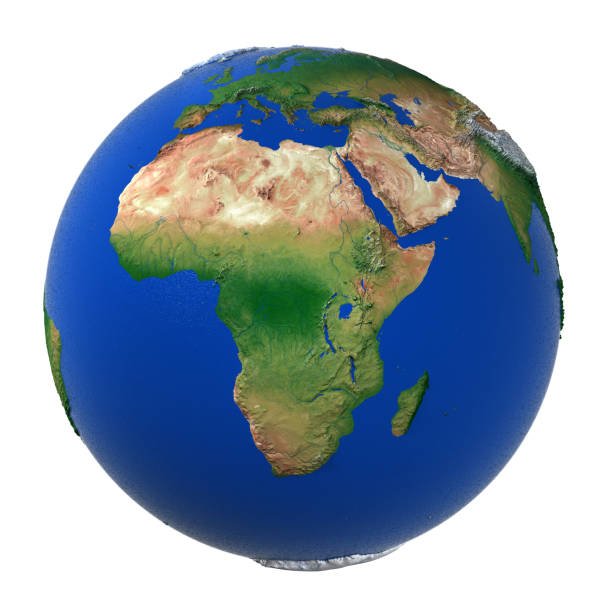
Yes, Africa is unequivocally bordered by oceans, specifically the Atlantic Ocean to its west and the Indian Ocean to its east. These two major oceans, along with several important seas, define Africa's extensive coastline, influencing its climate, biodiversity, economy, and cultural heritage. From bustling port cities to pristine beaches and vibrant marine ecosystems, the presence of these vast bodies of water is a fundamental aspect of the African continent's geography and identity.
Africa's Maritime Borders: A Continental Overview
The continent of Africa, the second-largest in the world, boasts an immense and diverse coastline that stretches for approximately 30,500 kilometers (18,952 miles). This vast length connects its 54 recognized countries to the global maritime network. The primary bodies of water that embrace Africa are the Atlantic Ocean to the west and the Indian Ocean to the east, but its northern and northeastern flanks are also shaped by the Mediterranean Sea and the Red Sea, respectively. Understanding Africa's coastline and its bordering oceans is crucial for comprehending the continent's history, trade, and natural wonders. These oceanic boundaries have facilitated trade, migration, and cultural exchange for millennia, making them integral to the continent's development and global connectivity.
The Mighty Atlantic Ocean: Africa's Western Frontier
The Atlantic Ocean forms the entire western boundary of Africa, extending from the northern tip of Morocco down to the southern coast of South Africa. This vast ocean is characterized by its powerful currents and diverse marine environments, playing a significant role in the climate and economy of the African countries along the Atlantic coast. Its waters are generally cooler than the Indian Ocean, especially in the southern parts due to the Benguela Current, leading to rich upwelling zones that support abundant marine life and extensive fishing industries.
Countries Bordering the Atlantic Ocean
Numerous African nations have direct access to the Atlantic Ocean, making it a critical asset for their economies and geopolitics. These countries benefit from maritime trade, fishing, and tourism. Key countries include:
- Morocco: Known for its coastal cities like Casablanca and Rabat.
- Mauritania: With its significant fishing grounds.
- Senegal: Home to the capital Dakar, a major port.
- Gambia: A small nation nestled along the Gambia River, flowing into the Atlantic.
- Guinea-Bissau, Guinea, Sierra Leone, Liberia, Côte d'Ivoire, Ghana, Togo, Benin, Nigeria: These West African nations heavily rely on Atlantic ports for international trade.
- Cameroon, Equatorial Guinea, Gabon, Republic of the Congo, Angola, Namibia: Central and Southern African countries with significant oil and gas reserves offshore.
- South Africa: Its western and southern coasts are bathed by the Atlantic, with Cape Town being a renowned port city.
The Atlantic coastline varies dramatically, from the desert shores of the Sahara to the lush rainforests of Central Africa and the rocky capes of Southern Africa, offering a rich tapestry of landscapes and ecosystems.
Economic and Ecological Significance of the Atlantic
The Atlantic Ocean's influence on Africa is profound. Economically, it serves as a vital artery for international trade, connecting Africa to the Americas and Europe. Major ports along this coast handle exports of raw materials like oil, minerals, and agricultural products, as well as imports of manufactured goods. The fishing industry is another cornerstone, particularly in countries like Mauritania and Senegal, contributing significantly to food security and livelihoods. Furthermore, the offshore oil and gas industry in nations like Nigeria, Angola, and Gabon is a primary driver of their national economies.
Ecologically, the Atlantic coast supports a rich array of marine biodiversity. From the cold-water upwelling systems that sustain vast shoals of fish to the warmer tropical waters that host diverse coral species and mangrove forests, the ocean is a critical habitat. Key species include various types of whales and dolphins, sharks, tuna, and groundfish. Conservation efforts are crucial to protect these valuable resources from challenges like overfishing and pollution.
The Expansive Indian Ocean: Africa's Eastern Gateway
To the east, the Indian Ocean washes over Africa's shores, stretching from South Africa's eastern coast northward to Somalia. This ocean is generally warmer than the Atlantic, characterized by its stunning coral reefs, white sandy beaches, and numerous island nations and territories. The Indian Ocean has historically been a nexus of trade and cultural exchange, linking Africa with the Middle East and Asia, establishing ancient maritime routes like the famous Spice Route.
Nations Along the Indian Ocean Coast
The countries bordering the Indian Ocean in Africa are known for their vibrant cultures, rich history, and breathtaking natural beauty. They include:
- South Africa: Its eastern coast, including Durban, is a major gateway to the Indian Ocean.
- Mozambique: Famous for its extensive coastline, stunning archipelagos like Bazaruto, and abundant marine life.
- Tanzania: Home to Dar es Salaam and the iconic Zanzibar archipelago, renowned for spices and tourism.
- Kenya: With popular coastal towns like Mombasa and Malindi, known for their beaches and marine parks.
- Somalia: Possessing the longest coastline in mainland Africa, strategically located at the Horn of Africa.
- Djibouti, Eritrea, Sudan, Egypt: These countries border the Red Sea, an inlet of the Indian Ocean, which is discussed further below.
- Madagascar, Comoros, Seychelles, Mauritius: These island nations are wholly situated within the Indian Ocean and are integral to Africa's maritime domain.
The East African coastline is a mosaic of different landscapes, from savannahs meeting the sea to dense coastal forests and ancient Swahili towns, reflecting centuries of interaction between diverse cultures.
Cultural and Commercial Importance of the Indian Ocean
The Indian Ocean's historical role in Africa cannot be overstated. It has been a critical trade route for centuries, facilitating the exchange of goods such as gold, ivory, spices, and textiles. The Swahili coast, in particular, blossomed into a unique cultural blend due to this interaction. Today, the Indian Ocean remains vital for trade, connecting East African economies to booming Asian markets. Tourism is another major industry, with destinations like Zanzibar, the Seychelles, and Mauritius attracting millions of visitors seeking pristine beaches, diving, and cultural experiences. The unique ecosystems, including extensive coral reefs, provide essential breeding grounds for numerous fish species and contribute significantly to local livelihoods through fishing and eco-tourism.
Beyond the Oceans: Significant Seas Bordering Africa
While the Atlantic and Indian Oceans are the primary oceanic borders, Africa also engages with two strategically vital seas: the Mediterranean Sea in the north and the Red Sea in the northeast. These seas are crucial for regional trade, geopolitical influence, and specific marine environments.
The Mediterranean Sea: Africa's Northern Link to Europe
The Mediterranean Sea forms Africa's northern border, separating it from Europe. Countries like Egypt, Libya, Tunisia, Algeria, and Morocco share this coastline. This sea has been a cradle of civilization, a battleground for empires, and a bustling trade route for millennia. Today, it remains vital for shipping, fishing, and, crucially, tourism, especially for countries like Egypt and Tunisia, which attract visitors to historical sites and coastal resorts. The Suez Canal, connecting the Mediterranean to the Red Sea, is one of the world's most important shipping arteries.
The Red Sea: A Crucial Waterway
Positioned between Africa and the Arabian Peninsula, the Red Sea is an inlet of the Indian Ocean and a crucial waterway for global commerce, connecting Europe and Asia via the Suez Canal. Egypt, Sudan, Eritrea, and Djibouti are the African nations bordering the Red Sea. Known for its incredibly clear waters and spectacular coral reefs, the Red Sea is a hotspot for marine biodiversity and diving tourism. Its strategic location makes it immensely important for maritime trade and geopolitical security, as a significant portion of the world's oil supply passes through its waters.
Africa's Coastline: A Hub of Biodiversity and Tourism
The extensive African coastline, washed by multiple oceanic bodies, is not just a geographical feature; it's a vibrant living system that supports incredible biodiversity and a burgeoning tourism industry. The interaction of different ocean currents, water temperatures, and geological formations has created a diverse range of marine and coastal ecosystems, making Africa a marine paradise.
Diverse Marine Ecosystems
Africa's oceans host an astonishing array of marine ecosystems:
- Coral Reefs: Found predominantly in the warmer waters of the Indian Ocean and the Red Sea, these reefs are vibrant underwater cities, supporting countless fish species, sea turtles, and other invertebrates. The reefs off Tanzania, Kenya, and Egypt are particularly renowned.
- Mangrove Forests: These vital coastal ecosystems thrive in the intertidal zones along both the Atlantic and Indian Ocean coasts. They act as natural buffers against erosion, nurseries for young fish, and carbon sinks.
- Kelp Forests: In the cooler, nutrient-rich waters of the South Atlantic (especially off South Africa and Namibia), vast kelp forests provide habitat and food for a unique set of marine species, including various fish, seals, and the endangered African penguin.
- Estuaries and Lagoons: Numerous rivers flow into Africa's oceans, creating brackish estuaries and lagoons that are critical breeding grounds for fish and birds, offering unique habitats that bridge fresh and saltwater environments.
This biological richness makes Africa's oceans a treasure trove for scientific research and a major draw for eco-tourism, allowing visitors to experience the wonders of its underwater world through diving and snorkeling.
Coastal Tourism and Recreation
The beauty and diversity of Africa's oceanfront have made coastal tourism in Africa a significant industry. Millions flock to its shores annually for relaxation, adventure, and cultural immersion. Popular destinations include:
- Cape Town, South Africa: Known for its stunning beaches, Table Mountain views, and opportunities for shark cage diving and whale watching in the Atlantic.
- Zanzibar, Tanzania: A magical island famed for its spice farms, Stone Town's history, and idyllic Indian Ocean beaches perfect for diving and snorkeling.
- Sharm el-Sheikh, Egypt: A world-class diving destination on the Red Sea, offering access to spectacular coral reefs and shipwrecks.
- Diani Beach, Kenya: A pristine stretch of white sand on the Indian Ocean, popular for kite surfing, water sports, and relaxed holidays.
- Essaouira, Morocco: A historic port city on the Atlantic known for its strong winds, making it ideal for windsurfing and kitesurfing.
Beyond sunbathing, the coastal regions offer opportunities for deep-sea fishing, sailing, wildlife viewing (including marine birds and coastal wildlife), and exploring historical sites that bear witness to centuries of maritime trade and interaction.
Challenges and Opportunities for Africa's Coastal Regions
While Africa's oceanic connections offer immense benefits, they also present significant challenges that require careful management and sustainable solutions. The future prosperity of Africa's coastal communities and marine ecosystems depends on addressing these issues proactively.
Environmental Concerns
The continent's coastlines and oceans face a range of environmental threats:
- Pollution: Plastic waste, industrial effluent, and agricultural runoff threaten marine life and coastal habitats.
- Overfishing: Depletion of fish stocks due to unsustainable fishing practices, including illegal, unreported, and unregulated (IUU) fishing, jeopardizes food security and livelihoods.
- Climate Change: Rising sea levels threaten coastal communities and infrastructure, while ocean acidification impacts coral reefs and shellfish.
- Habitat Destruction: Coastal development, dredging, and destructive fishing methods lead to the loss of critical habitats like mangroves and coral reefs.
Addressing these issues requires robust policy frameworks, international cooperation, and community involvement to promote conservation and sustainable resource management.
Economic Development and Blue Economy
Despite the challenges, Africa's oceans present tremendous opportunities for sustainable economic growth, often referred to as the Blue Economy. This concept focuses on harnessing marine resources for development while ensuring environmental sustainability. Key areas include:
- Sustainable Fisheries and Aquaculture: Developing responsible fishing practices and expanding aquaculture can enhance food security and create jobs without depleting natural stocks.
- Renewable Ocean Energy: The potential for offshore wind, wave, and tidal energy is vast and largely untapped, offering clean energy solutions.
- Maritime Transport and Port Development: Enhancing port infrastructure and efficiency can boost trade and logistics, positioning Africa as a key player in global shipping.
- Marine Tourism and Eco-tourism: Promoting responsible tourism practices that protect marine environments while generating income for local communities.
- Marine Biotechnology and Research: Exploring the vast genetic resources of Africa's oceans for new medicines, materials, and scientific discoveries.
Investing in these areas can unlock significant economic potential, create jobs, and foster innovation, contributing to the continent's overall development and resilience.
Conclusion: Africa's Rich Oceanic Heritage
In conclusion, the answer to "Is there ocean in Africa?" is a resounding yes. Africa is profoundly connected to the world's oceans, with the Atlantic Ocean on its west and the Indian Ocean on its east, complemented by the strategically important Mediterranean and Red Seas. These vast bodies of water are not merely geographical boundaries; they are lifelines that have shaped Africa's history, dictated its trade routes, nurtured unparalleled biodiversity, and provided countless opportunities for tourism and economic development. From the vibrant coral reefs of the Red Sea to the rugged beauty of the South Atlantic coast, Africa's oceans are integral to its identity, offering both immense resources and significant responsibilities in terms of environmental stewardship and sustainable development for future generations. The continent's future is inextricably linked to the health and sustainable management of its marine environments.
Enjoyed this read?
Share it with your friends and colleagues.