Is There Ostriches In Africa

BSC Insights Admin
October 01, 2026
Are There Ostriches in Africa? The Definitive Guide to Africa's Iconic Flightless Birds
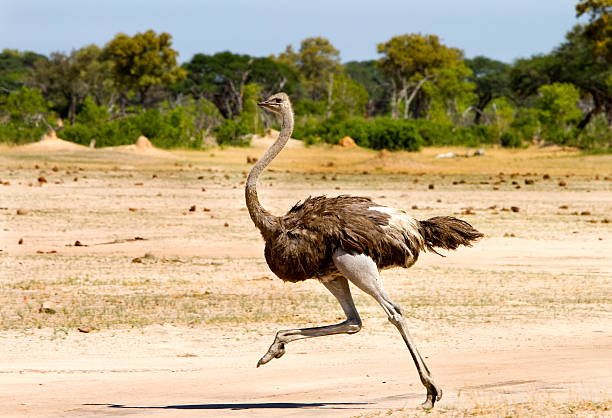
Yes, absolutely! Ostriches are not only found in Africa, but they are also native to the continent and are one of its most iconic wildlife species. The common ostrich (Struthio camelus), the largest living bird on Earth, is synonymous with the vast savannas and semi-arid landscapes of Africa, playing a vital ecological role and captivating observers with its unique appearance and impressive speed.
These magnificent flightless birds are a quintessential part of the African safari experience, easily spotted in national parks and wildlife reserves across many sub-Saharan countries. Understanding the presence and characteristics of ostriches in Africa sheds light on the continent's rich biodiversity and the incredible adaptations that allow life to thrive in diverse environments.
The Common Ostrich: Africa's Iconic Giant
The common ostrich is the sole surviving species of its genus (Struthio) and is native exclusively to Africa. These birds are renowned for several remarkable features that set them apart in the avian kingdom:
- Size: Standing up to 9 feet (2.7 meters) tall and weighing as much as 320 pounds (145 kg), ostriches are the world's largest and heaviest birds. Their immense size, long neck, and powerful legs make them instantly recognizable.
- Flightless: Despite having wings, ostriches cannot fly. Their wings are used primarily for balance during running, as rudders, for courtship displays, and to shade their chicks.
- Speed: Ostriches are incredibly fast runners, capable of reaching speeds of up to 45 miles per hour (70 km/h) over short distances. Their powerful legs and two-toed feet (unlike most birds that have three or four) are perfectly adapted for high-speed locomotion across open terrain.
- Eyesight: With eyes almost 2 inches (5 cm) in diameter, ostriches have the largest eyes of any land animal, providing them with excellent long-distance vision to spot predators and food sources.
These unique adaptations are crucial for their survival in the challenging and often predator-rich environments of African ostriches' habitats.
Where Do Ostriches Live in Africa?
The distribution of ostriches in Africa is quite extensive, although not uniform across the entire continent.
Ideal Habitats and Distribution
Ostriches primarily inhabit the open, dry, and often harsh environments of Africa. Their preferred habitats include:
- Savannas: Vast grasslands with scattered trees, offering plenty of space for running and grazing.
- Semi-deserts: Arid regions with sparse vegetation, where they can tolerate extreme temperatures and limited water.
- Open woodlands: Areas with a mix of trees and open clearings.
Historically, the range of the common ostrich spanned much of Africa, but today, their populations are concentrated in:
- East Africa: Countries like Kenya, Tanzania, and Ethiopia are home to significant populations.
- Southern Africa: South Africa, Namibia, Botswana, and Zimbabwe have thriving ostrich populations, both wild and farmed.
- Parts of West and Central Africa: Though less abundant and more localized, populations exist in countries such as Chad, Niger, and Sudan.
They are generally absent from dense equatorial forests, true deserts (like the deep Sahara), and mountainous regions. The African ostrich habitat is characterized by its openness, allowing them to utilize their exceptional speed to escape danger.
Subspecies and Regional Variations
Historically, several subspecies of the common ostrich were recognized, each with slightly different geographical ranges and characteristics. While some classifications have changed, the main groups include:
- Red-necked Ostrich (Struthio camelus camelus): Found across North Africa and the Sahel region, characterized by its reddish neck and legs.
- Masai Ostrich (Struthio camelus massaicus): Prevalent in East Africa, known for its bright red neck and thighs, especially in males during breeding season.
- Southern Ostrich (Struthio camelus australis): Found in Southern Africa, with a grayish-blue neck and thighs.
- Somali Ostrich (Struthio molybdophanes): Once considered a subspecies of the common ostrich, it's now recognized as a distinct species, primarily found in the Horn of Africa (Somalia, Ethiopia, Kenya). It has a distinctive blue-gray neck and thighs.
These variations highlight the incredible adaptability of African ostriches to different regional conditions, although all share the fundamental traits of the genus.
Life of an Ostrich: Diet, Behavior, and Reproduction
Understanding the daily life of an ostrich provides deeper insight into its remarkable ability to thrive in Africa.
Diet and Foraging Habits
Ostriches are primarily herbivores, but they are also opportunistic omnivores. Their diet largely consists of:
- Plants: Grasses, shrubs, succulent plants, flowers, and seeds form the bulk of their intake.
- Insects: Locusts, beetles, and other invertebrates provide essential protein.
- Small vertebrates: Occasionally, they might consume small reptiles or rodents.
Because they lack teeth, ostriches swallow small pebbles and sand (gastroliths) to help grind food in their gizzard, aiding digestion. They can go for long periods without water, obtaining moisture from the plants they eat, an essential adaptation for their arid environments.
Social Structure and Behavior
Ostriches typically live in nomadic groups that vary in size, often consisting of a dominant male, several females (major hen and minor hens), and their offspring. Their social dynamics include:
- Herding: They often graze alongside other herbivores like zebras and antelopes, benefiting from shared vigilance against predators.
- Territoriality: Dominant males establish and defend breeding territories, especially during the mating season.
- Defense: When threatened, ostriches prefer to run. Their incredible speed is their primary defense mechanism. If cornered, however, they can deliver powerful forward kicks with their strong legs and claws, capable of inflicting serious injury or even killing predators like lions.
Despite their imposing size, wild ostriches in Africa are generally shy and will avoid confrontation with humans.
Breeding and Rearing Young
Ostrich breeding is a fascinating process:
- Nesting: The dominant female (major hen) lays her eggs in a communal nest, which is typically a shallow scrape in the ground, dug by the dominant male. Other minor hens also lay their eggs in this nest, which can contain 15 to 60 eggs.
- Eggs: Ostrich eggs are the largest of any bird, weighing about 3 pounds (1.4 kg) and measuring up to 6 inches (15 cm) in length. Their shells are incredibly thick and durable.
- Incubation: The dominant female typically incubates the eggs during the day, her dull plumage camouflaging her against the sand. The male takes over at night, his dark feathers blending into the darkness. This shared duty ensures continuous incubation and protection from predators.
- Chicks: After about 40-45 days, the chicks hatch. Both parents care for the young, fiercely protecting them from predators such as jackals, hyenas, and birds of prey.
The high number of eggs laid in communal nests is a strategy to ensure some offspring survive given the many threats faced by young ostriches.
The Ostrich in African Culture and Economy
Beyond their ecological role, African ostriches have significant cultural and economic importance.
Cultural Significance
For centuries, ostriches have featured prominently in African cultures:
- Symbolism: Their strength, speed, and resilience often symbolize power and endurance in various tribal traditions.
- Folklore: Ostrich feathers, eggs, and meat have been used in rituals, adornments, and as food sources by indigenous communities for millennia. Eggshells have been used as water containers and for making beads and jewelry.
Ancient rock art across Southern Africa depicts ostriches, showcasing their long-standing presence and significance to early human inhabitants.
Economic Value and Ostrich Farming
The economic impact of ostriches, particularly through farming, is substantial, especially in South Africa:
- Meat: Ostrich meat is a lean, healthy red meat, low in fat and cholesterol, making it popular in niche markets worldwide.
- Feathers: Ostrich feathers are highly prized for fashion, decorative purposes, duster manufacturing, and even industrial uses (e.g., polishing delicate machinery).
- Leather: Ostrich leather is durable, soft, and recognizable by its unique quill pattern, making it a luxurious material for handbags, shoes, and other accessories.
- Eggs: While most eggs are for hatching, infertile eggs are sold as decorative items or for specialized culinary uses.
South Africa is the world leader in commercial ostrich farming, with the town of Oudtshoorn often referred to as the 'Ostrich Capital of the World.' This industry contributes significantly to the local economy and provides a sustainable way to utilize ostrich products without heavily impacting wild populations.
Conservation Status and Threats
While ostriches are widely distributed, it's important to consider their conservation status.
Current Status
The common ostrich is listed as 'Least Concern' by the IUCN Red List, indicating a stable global population. However, this status masks regional declines and threats to specific subspecies or localized populations.
For example, the North African subspecies (red-necked ostrich) has experienced significant declines and is considered endangered in some areas, primarily due to hunting and habitat loss. The Somali Ostrich, now a distinct species, is also facing conservation challenges.
Threats to Wild Ostrich Populations
Despite their resilience, wild ostriches in Africa face several threats:
- Habitat Loss and Fragmentation: Expansion of agriculture, human settlements, and infrastructure development reduce and fragment their natural habitats, limiting their foraging grounds and migratory routes.
- Poaching and Hunting: Although protected in many areas, poaching for meat, feathers, and eggs, as well as illegal hunting, continues to be a problem in some regions.
- Human-Wildlife Conflict: As human populations expand, encounters with ostriches become more frequent, sometimes leading to conflict, especially when ostriches enter farmlands.
- Climate Change: Changes in rainfall patterns and increased desertification can impact vegetation and water availability in their arid habitats.
Conservation efforts focus on protecting their habitats, anti-poaching measures, and community education to mitigate these threats and ensure the long-term survival of ostriches in Africa.
Witnessing Ostriches in the Wild: Safari Tips
For many visitors to Africa, spotting an ostrich in its natural environment is a highlight of their safari experience. Here are some tips for those hoping to see these magnificent birds:
- Best Safari Destinations: Major national parks and reserves in East Africa (e.g., Maasai Mara, Serengeti, Amboseli) and Southern Africa (e.g., Kruger National Park, Etosha National Park, Chobe National Park) offer excellent opportunities to see ostriches.
- Look in Open Areas: Ostriches prefer open grasslands and savannas, so focus your search in these expansive areas.
- Early Morning or Late Afternoon: Like many animals, ostriches are often most active during the cooler parts of the day.
- Observe from a Distance: Always maintain a respectful distance to avoid disturbing the birds and ensure your safety.
- Look for Associated Animals: Ostriches often graze alongside other herbivores like zebras and wildebeest; if you see these animals, ostriches might be nearby.
A safari provides an unparalleled opportunity to appreciate the sheer scale and beauty of African ostriches thriving in their ancestral lands.
Conclusion
In definitive terms, yes, ostriches are a vibrant and integral part of Africa's wildlife heritage. From their towering stature and incredible speed to their unique adaptations for arid environments, these iconic flightless birds embody the wild spirit of the continent. They are a common sight in the savannas and semi-deserts, crucial to their ecosystems, and hold significant cultural and economic value. While the common ostrich is generally stable, localized populations and subspecies face threats, underscoring the ongoing need for conservation efforts to ensure that future generations can continue to witness the majestic sight of ostriches in Africa.
Enjoyed this read?
Share it with your friends and colleagues.