Is There Palm Trees In Africa

BSC Insights Admin
September 30, 2026
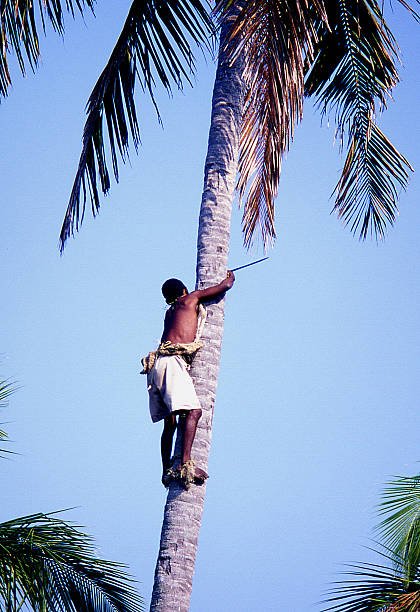
Yes, absolutely! Africa is not only home to a vast array of palm trees but is also the origin point for some of the world's most economically significant species, such as the Oil Palm. These iconic trees are found across nearly every biome on the continent, from the arid stretches of the Sahara to the humid coastal regions and dense rainforests, playing crucial roles in the continent’s ecology, economy, and culture.
The Ubiquitous Presence of Palm Trees in Africa
Africa's diverse climates and geographies provide ideal conditions for numerous palm species to flourish. From the date palms gracing the oases of North Africa to the coconut palms lining the idyllic East African coastlines, and the economically vital oil palms dominating agricultural landscapes in West and Central Africa, palms are an integral part of the African landscape. Their presence is a testament to the continent's rich biodiversity and its capacity to support a wide range of plant life.
The continent's immense size, spanning various climatic zones – including tropical, subtropical, and arid regions – allows for a remarkable specialization of palm species. Each species has adapted uniquely to its specific environment, making the study of African palm species a fascinating journey into evolutionary biology and botanical diversity.
A Kaleidoscope of African Palm Species
The variety of palm trees in Africa is astounding, with species serving different purposes and thriving in distinct habitats. Understanding these various types helps to grasp the full scope of their importance.
The Date Palm (Phoenix dactylifera)
- Habitat: Predominantly found in the arid and semi-arid regions of North Africa, particularly in countries like Egypt, Algeria, Tunisia, Morocco, and Libya. They are synonymous with desert oases.
- Significance: The Date Palm is a cornerstone of survival and commerce in these regions. Its fruit, dates, provide vital nutrition and are a significant export product. The fronds are used for weaving, construction, and fodder.
- Cultural Importance: Dates hold immense cultural and religious significance, often being a staple during religious festivals and a symbol of hospitality.
The Oil Palm (Elaeis guineensis)
- Habitat: Native to the tropical rainforest belt of West and Central Africa. Countries like Nigeria, Ghana, Côte d'Ivoire, Cameroon, and the Democratic Republic of Congo are major cultivators.
- Significance: The Oil Palm is arguably the most economically important palm tree globally. It produces palm oil, a versatile vegetable oil used in a vast array of food products, cosmetics, and biofuels. Its cultivation is a major economic driver for many African nations.
- Global Impact: While native to Africa, its cultivation has spread to Southeast Asia, leading to significant global trade and sustainability discussions surrounding palm oil production in Africa.
The Coconut Palm (Cocos nucifera)
- Habitat: Thrives in coastal areas and islands, especially along the East African coastline (e.g., Kenya, Tanzania, Mozambique) and associated islands like Zanzibar and Madagascar.
- Significance: Coconuts provide food, drink, oil, and materials for handicrafts and construction. They are crucial for the livelihoods of many coastal communities and contribute significantly to tourism.
- Coastal Resilience: Coconut palms also play an ecological role in stabilizing coastal soils and providing shade, crucial for coastal ecosystems.
Raffia Palms (Raphia spp.)
- Habitat: These palms prefer freshwater swamps, riverbanks, and wetlands across West and Central Africa.
- Significance: Raffia palms are renowned for their extraordinarily long leaves, which yield strong fibers used extensively in weaving mats, baskets, ropes, and textiles. The sap can also be tapped to make palm wine.
- Traditional Uses: The Raffia Palm is deeply integrated into local crafts and traditions, symbolizing the ingenuity of African communities in utilizing natural resources.
Doum Palm (Hyphaene thebaica)
- Habitat: Commonly found in the Sahelian zone and other dry, semi-arid regions of North and East Africa, often along wadis and floodplains.
- Significance: Unique for its dichotomous (forked) branching pattern, the Doum Palm offers edible fruit, fiber, and timber. It’s highly resilient to drought conditions, making it vital in arid environments.
- Architectural Beauty: Its distinct branching gives it a striking appearance, making it a recognizable feature in its natural habitat.
Borassus Palm (Borassus aethiopum)
- Habitat: Widespread across the savannas and grasslands of West, Central, and East Africa.
- Significance: Often referred to as the 'African fan palm,' the Borassus Palm is a multi-purpose tree. Its sap is used for palm wine and sugar, the fruits are edible, and the wood is highly durable, used for construction and carving. Its leaves are also used for roofing and weaving.
- Resourcefulness: Virtually every part of the Borassus palm can be utilized, making it an invaluable resource for rural communities.
Geographical Distribution of Palm Trees Across Africa
The distribution of palm trees is dictated by climate, soil, and historical factors, resulting in distinct regional concentrations.
North Africa: The Realm of Oases
The arid and semi-arid regions are dominated by the Date Palm (Phoenix dactylifera). These trees thrive in oases where underground water sources are accessible, providing shade and sustenance in harsh desert environments. Countries like Algeria, Tunisia, and Egypt are famous for their extensive date palm groves, which are critical for local economies and cultures.
West Africa: The Palm Oil Heartland
West Africa is the native home of the Oil Palm (Elaeis guineensis). Countries such as Nigeria, Ghana, and Côte d'Ivoire have vast plantations and wild groves of this species. The tropical climate, with consistent rainfall and high temperatures, creates ideal conditions. Raffia Palms (Raphia spp.) also flourish in the freshwater swamps and riverine areas of this region, alongside Borassus Palms (Borassus aethiopum) in the savannahs.
Central Africa: Rainforest Diversity
The dense rainforests of Central Africa, particularly in the Democratic Republic of Congo, Gabon, and Cameroon, boast a rich diversity of palm species. While the oil palm is significant, many other lesser-known, endemic palms contribute to the forest's biodiversity and are utilized by indigenous communities for various purposes, from food to construction materials.
East Africa: Coastal Beauty and Inland Adaptations
The East African coast is famed for its picturesque beaches lined with Coconut Palms (Cocos nucifera). These palms are vital for tourism and provide essential resources for coastal populations. Further inland, in dryer regions, species like the Doum Palm (Hyphaene thebaica) and Borassus Palm are prevalent, showcasing the adaptability of palms to different ecological niches across the region, from the drylands of Ethiopia to the lush coasts of Tanzania.
Southern Africa: Unique Endemics
While palms are less dominant in the temperate zones of Southern Africa compared to tropical regions, the region still hosts unique species. For example, the Kosi Palm (Raphia australis) is an endemic species found only in the Kosi Bay area of South Africa, highlighting the continent's localized botanical treasures. Other species like the Ilala Palm (Hyphaene coriacea) are found in various parts of the savannahs, showcasing the continent's vast range of palm tree habitats in Africa.
The Economic and Cultural Significance of Palm Trees
The presence of palm trees in Africa extends far beyond their visual appeal; they are deeply woven into the socio-economic and cultural fabric of the continent.
Economic Pillars
- Food Security: Palms provide essential food sources. Dates are a dietary staple in North Africa, coconuts are vital in coastal communities, and palm oil is a ubiquitous ingredient in local and international cuisine.
- Livelihoods and Commerce: The cultivation, harvesting, and processing of palm products support millions of livelihoods. This includes farmers, artisans, and traders involved in everything from palm oil production to basket weaving and palm wine tapping.
- Export Commodity: Palm oil, dates, and copra (dried coconut meat) are significant export commodities for several African nations, contributing substantially to their GDP.
- Tourism: The iconic imagery of palm-fringed beaches attracts tourists, especially to East African and island nations, boosting local economies.
Cultural and Environmental Importance
- Symbolism: Palm trees often symbolize life, fertility, peace, and prosperity in various African cultures and traditional beliefs.
- Traditional Medicine: Parts of palm trees are used in traditional medicine for various ailments, showcasing their deep integration into local healing practices.
- Crafts and Construction: Palm leaves are woven into an array of traditional crafts, including mats, baskets, hats, and roofing materials. The strong wood from some species is used for construction.
- Environmental Benefits: Palms contribute to biodiversity by providing habitats for various species. They also play a role in erosion control, especially in coastal and riverine areas, and contribute to carbon sequestration.
Challenges and Sustainable Palm Cultivation in Africa
While palm trees offer immense benefits, their cultivation and presence also face significant challenges, necessitating sustainable practices.
- Deforestation: The expansion of oil palm plantations, particularly in tropical forest regions, has raised environmental concerns about habitat loss and deforestation. This is a critical issue for sustainable palm cultivation Africa.
- Climate Change: Changes in rainfall patterns and rising temperatures can impact palm tree health and yield, especially for species adapted to specific climatic conditions.
- Pests and Diseases: Palm trees are susceptible to various pests and diseases, which can decimate crops and impact livelihoods if not managed effectively.
- Land Rights and Social Impacts: Large-scale palm plantations can sometimes lead to conflicts over land rights with local communities, raising questions about equitable development and benefit sharing.
Addressing these challenges requires a concerted effort towards promoting sustainable farming practices, supporting smallholder farmers, and investing in research for disease-resistant varieties. Initiatives focusing on certification schemes for sustainably produced palm oil and promoting agroforestry models are crucial for balancing economic development with environmental protection.
Conclusion
In conclusion, the answer to 'Is there palm trees in Africa?' is an emphatic yes. Africa is a vibrant tapestry of palm tree diversity, hosting species ranging from the life-sustaining Date Palm of the North African deserts to the economically paramount Oil Palm of the tropical rainforests and the picturesque Coconut Palms of the East African coast. These magnificent trees are not merely botanical features; they are pivotal to the continent's ecological balance, provide sustenance and livelihoods for millions, and are deeply embedded in the rich cultural heritage of its people. As Africa continues to develop, ensuring the sustainable management and conservation of these vital natural resources will be key to preserving both its biodiversity and the well-being of its communities.
Enjoyed this read?
Share it with your friends and colleagues.