Is There A Place In Africa Called Zamunda

BSC Insights Admin
September 30, 2026
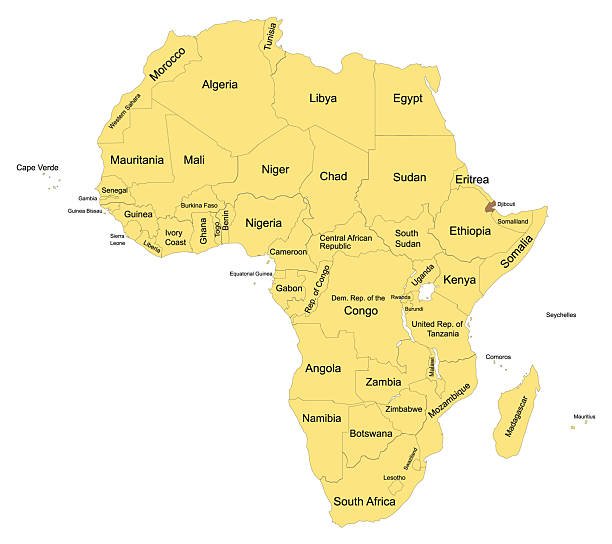
Many fans of the iconic film Coming to America often wonder: Is there a place in Africa called Zamunda? The straightforward answer is no, Zamunda is not a real country or geographical location in Africa. It is an entirely fictional African kingdom created for the highly popular 1988 comedy film, starring Eddie Murphy as Prince Akeem Joffer, and its 2021 sequel, Coming 2 America.
While Zamunda itself is a work of fiction, its creation draws upon idealized notions of African royalty, wealth, and culture, leaving a significant impact on popular culture and sparking conversations about African representation in media. This article delves into the origins of Zamunda, its cultural significance, and the rich reality of the diverse African continent that inspired such a memorable fictional setting.
The Origins of Zamunda: A Cinematic Masterpiece
The concept of Zamunda, the fictional African kingdom, was brought to life by screenwriters Barry W. Blaustein and David Sheffield, based on a story by Eddie Murphy. Directed by John Landis, Coming to America presented Zamunda as an opulent, prosperous, and highly traditional monarchy, brimming with gold, exotic animals, and elaborate rituals. This portrayal stood in stark contrast to many prevailing, often stereotypical, depictions of Africa in Western media at the time.
"Coming to America": The Film that Introduced Zamunda
Released in 1988, Coming to America became an instant classic, lauded for its humor, memorable characters, and its unique take on an African prince seeking true love in America. The film's opening scenes set in Zamunda meticulously crafted an image of a wealthy, self-sufficient, and technologically advanced nation, albeit one with deeply entrenched royal traditions. This vision resonated deeply with audiences, creating a lasting impression of a utopian African society.
The elaborate costumes, grand palaces, and the disciplined yet loving royal family all contributed to Zamunda's allure. It wasn't just a backdrop; it was a character in itself, representing a dream of what an independent, powerful African nation could be, free from colonial influence and rich in its own heritage. The humor often derived from the clash between Zamundan customs and American culture, making the fictional kingdom even more distinct and unforgettable.
What Makes Zamunda So Memorable?
Several elements contribute to why the fictional African kingdom Zamunda remains so vivid in people's minds, prompting questions like, "Is Zamunda real country?":
- Opulence and Wealth: Zamunda is depicted as incredibly wealthy, with vast gold reserves, intricate palaces, and a lavish lifestyle for its royalty. This visual spectacle challenged narratives of poverty often associated with Africa.
- Strong Cultural Identity: Despite its wealth, Zamunda maintains strong traditions, from arranged marriages to ceremonial baths. These customs, while exaggerated for comedic effect, underscore a deep connection to heritage.
- Utopian Society: The kingdom is presented as a peaceful, well-ordered, and prosperous society, a kind of ideal African nation, often contrasted with the chaotic urban environment Prince Akeem experiences in New York.
- Positive African Representation: For many, Zamunda offered a refreshing, positive portrayal of Africa as a place of dignity, power, and self-determination, departing from common negative stereotypes.
Why People Ask: The Illusion of Reality
The persistent question, "Where is Zamunda located?" or "Is Zamunda a real place in Africa?", stems from the film's immersive world-building and the human desire for such a place to exist. Fictional places, when well-realized, can feel incredibly tangible.
The Power of Storytelling: Fictional Worlds and Real Impact
Effective storytelling has the power to blur the lines between fiction and reality. The creators of Coming to America invested heavily in crafting a believable setting for Zamunda, even if it was imaginary. Details like its specific customs, political structure, and even its national animal (the lion, prominently featured) helped solidify its presence in the minds of viewers. When a fictional world is so thoroughly envisioned, it can leave audiences yearning for its real-world counterpart.
Furthermore, the movie became a cultural touchstone. Its enduring popularity means new generations discover it, and the concept of Zamunda continues to circulate, sometimes leading to genuine curiosity about its real-world existence. The film's lighthearted yet impactful narrative made the idea of an idealized, thriving African nation incredibly appealing.
Cultural Resonance: Connecting with African Heritage
For many in the African diaspora, Zamunda represented a powerful symbol of an uncolonized, prosperous, and proud African nation. This imagery resonated deeply, offering a sense of pride and a connection to a rich, often unacknowledged, heritage. The idea of a strong, independent African kingdom like Zamunda became a point of aspiration and cultural identification, contributing to the repeated inquiries about its authenticity.
Real African Nations vs. Fictional Zamunda
While Zamunda is a fantasy, the African continent is home to 54 diverse countries, each with its unique history, culture, and geography. Understanding the reality helps appreciate the fantasy even more.
Diverse Landscapes and Rich Cultures of Africa
Africa is not a monolithic entity, as often mistakenly portrayed in media. It is a continent of immense diversity, boasting a spectacular array of landscapes, from vast deserts like the Sahara to dense rainforests, towering mountains, and expansive savannahs. Its people speak thousands of different languages, practice countless traditions, and have built empires and civilizations that have shaped global history.
Consider the historical empires of Mali, Ghana, and Songhai, known for their immense wealth, learning, and sophisticated societal structures. Think of the advanced ancient civilization of Egypt, or the rich artistic traditions of West African kingdoms. These real historical powers provide a glimpse into the kind of grandeur that Zamunda attempts to emulate, albeit in a fictionalized, romanticized form.
Here are just a few examples of Africa's diverse regions and countries, highlighting their distinct characteristics:
- North Africa: Countries like Egypt, Morocco, and Tunisia, with their rich Arab and Berber cultures, ancient history, and Mediterranean influences.
- West Africa: Nations such as Nigeria, Ghana, and Senegal, known for vibrant music, diverse ethnic groups, historical kingdoms, and bustling markets.
- East Africa: Countries like Kenya, Tanzania, and Ethiopia, famous for wildlife, ancient human history, and unique linguistic and cultural heritage.
- Southern Africa: Nations like South Africa, Botswana, and Zimbabwe, offering stunning natural beauty, mineral wealth, and complex socio-political histories.
- Central Africa: Countries like the Democratic Republic of Congo and Cameroon, characterized by vast rainforests, diverse ecosystems, and indigenous cultures.
Dispelling Misconceptions: Africa is Not a Monolith
The existence of a detailed fictional country like Zamunda, while entertaining, can sometimes inadvertently reinforce the misconception that Africa is a single, homogeneous country rather than a vast and varied continent. It is crucial to remember that Zamunda is a fictitious African country and does not represent any single real nation or the continent as a whole. Learning about the true complexity and diversity of Africa is essential to dispelling such myths.
The Legacy of Fictional African Kingdoms
Zamunda paved the way for other aspirational fictional African nations, most notably Marvel's Wakanda, the setting for the blockbuster film Black Panther. Both kingdoms share characteristics of advanced technology, vast wealth, and a strong sense of cultural identity, untouched by Western colonization.
Zamunda and Wakanda: A New Narrative
The success of Coming to America and its depiction of Zamunda undoubtedly influenced subsequent creators envisioning powerful African nations. Wakanda, with its vibranium-fueled technological prowess and vibrant culture, took the concept of a hidden, prosperous African kingdom to new heights. Both Zamunda and Wakanda serve as potent symbols of pride and possibility, challenging long-standing stereotypes and offering positive portrayals of African ingenuity and strength.
While Zamunda focused more on traditional royalty and a comedic approach, Wakanda delved deeper into Afrofuturism and complex geopolitical themes. Together, they represent a significant shift in how Africa is represented in global entertainment, moving towards narratives that celebrate its potential and richness.
Impact on African Representation in Media
The popularity of fictional African kingdoms like Zamunda has had a profound impact on media representation. These stories help to:
- Challenge Stereotypes: By portraying Africa as a place of wealth, advanced culture, and self-determination, they directly confront prevalent negative stereotypes.
- Foster Pride: They provide positive images for people of African descent, fostering pride in their heritage and identity.
- Inspire Creativity: They open doors for more diverse storytelling about Africa, encouraging narratives that go beyond poverty, conflict, or exoticism.
- Spark Curiosity: While fictional, they often inspire audiences to learn more about the real history, geography, and cultures of Africa.
Exploring the "Spirit" of Zamunda
Even though Zamunda is a fictional African country, the ideals it represents—prosperity, strong cultural identity, and self-governance—resonate with the Pan-African movement and aspirations for African unity and development.
Pan-Africanism and Idealized Representations
Pan-Africanism is a worldwide movement that aims to foster and strengthen a sense of brotherhood and cooperation among all people of African descent. It advocates for the political and economic union of African countries. In many ways, Zamunda embodies certain Pan-African ideals: an independent African nation that is prosperous, culturally rich, and sovereign.
The desire for a powerful, unified, and thriving Africa is a real and historical aspiration. Fictional depictions like Zamunda tap into this longing, offering a visual and narrative representation of what such a future might look like. It's a place where African identity is celebrated without compromise.
The Desire for a Utopian African Society
The vision of Zamunda as a largely utopian society, free from the external pressures and historical burdens often depicted in relation to Africa, is powerful. It allows audiences to imagine an Africa that dictates its own terms, celebrates its unique traditions, and thrives economically and culturally. This yearning for a utopian vision is not exclusive to Africa but finds a poignant expression in stories like Coming to America.
How to Distinguish Fact from Fiction
Given the allure of fictional worlds, it's important for audiences to cultivate media literacy, especially when consuming content about unfamiliar cultures or regions. Recognizing that Zamunda is not a real place in Africa is the first step.
Tips for Media Literacy
- Question Sources: Always ask where information comes from, especially when it pertains to real-world geography, history, or culture.
- Verify Information: Use credible sources (academic journals, reputable news organizations, established encyclopedias, government websites) to cross-reference facts.
- Understand Intent: Recognize that entertainment often prioritizes narrative and spectacle over strict factual accuracy.
- Seek Diverse Perspectives: Don't rely on a single story or film to form your understanding of an entire continent or culture.
Resources for Learning About Real Africa
If the charm of Zamunda has sparked your interest in the real Africa, there are numerous ways to explore its immense richness:
- Books and Academia: Read works by African authors, historians, and scholars. Universities offer extensive resources on African studies.
- Documentaries: Seek out documentaries from reputable filmmakers and broadcasters that explore Africa's diverse ecosystems, cultures, and histories.
- Travel and Cultural Exchange: If possible, consider visiting African countries or engaging with African cultural centers in your local community.
- Online Resources: Explore websites of African museums, cultural institutions, and educational platforms dedicated to African history and current affairs.
Conclusion
In conclusion, while the idea of a majestic kingdom like Zamunda from Coming to America is captivating, it is essential to remember that Zamunda is an entirely fictional African kingdom. It was conceived to serve a comedic and aspirational narrative within the film. Despite its fictional status, Zamunda has left an indelible mark on popular culture, offering a refreshing and positive depiction of African wealth, culture, and pride that was largely absent from mainstream media for many years. It stands as a testament to the power of storytelling to create worlds that resonate deeply with audiences, inspiring both laughter and a renewed interest in the vast and vibrant continent of Africa itself. Understanding the distinction between this beloved fictional world and the rich, diverse reality of Africa is key to appreciating both its cinematic legacy and the true wonder of African nations.
Enjoyed this read?
Share it with your friends and colleagues.