Top 20 poorest countries in Africa 2026

BSC Insights Admin
October 01, 2026
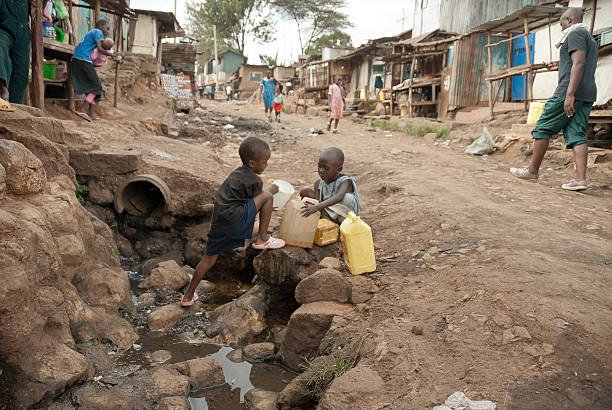
Identifying the Top 20 poorest countries in Africa 2026 requires a comprehensive analysis of projected Gross Domestic Product per capita and Purchasing Power Parity across the continent. These fiscal metrics provide a window into the standard of living and economic resilience of nations struggling with structural hurdles. Understanding these rankings is essential for international aid organizations and investors seeking to address developmental gaps in the region.
The economic landscape of these nations is often shaped by a combination of historical debt, reliance on subsistence farming, and recent global inflationary pressures. This article examines the specific factors that contribute to the persistent fiscal challenges faced by the most vulnerable economies on the continent.
These are the Top 20 poorest countries in Africa 2026
The following list represents the nations projected to face the most significant economic challenges through the middle of the decade. These rankings are primarily based on the amount of wealth generated per person, adjusted for the local cost of living to provide a realistic view of poverty levels. While many of these countries possess significant natural resources, they often lack the infrastructure and industrial base necessary to convert this potential into broad based prosperity. Here is a detailed breakdown of the nations currently leading the structural economic constraints within the African developmental trajectory.
1. Burundi
Burundi is projected to remain the most economically challenged nation in Africa through 2026, with a Gross Domestic Product per capita that remains significantly below the continental average. The country is heavily reliant on subsistence agriculture, which employs more than 80 percent of the population and leaves the economy vulnerable to fluctuating weather patterns. Coffee and tea are the primary exports, but the lack of value added processing means that much of the potential profit is lost to external markets. Political stability has improved in recent years, but the nation still grapples with the legacy of previous internal conflicts that decimated its infrastructure. For example, the energy sector remains severely underdeveloped, with only a small fraction of the population having access to reliable electricity. International aid continues to play a vital role in the national budget, and the government is working to diversify the economy through mining and small scale manufacturing.
2. South Sudan
South Sudan continues to struggle with the aftermath of prolonged internal strife which has hindered the development of its vast oil and agricultural potential. Despite being the youngest nation on the planet, it faces some of the highest poverty rates globally, with a projected wealth per capita that places it at the bottom of most fiscal indices. The economy is nearly 90 percent dependent on oil revenue, making it extremely sensitive to global price shifts and pipeline maintenance issues. Frequent flooding and droughts in the Upper Nile region have further complicated efforts to establish a stable agricultural sector for food security. Many citizens remain displaced, and the lack of basic road networks makes it difficult for farmers to get their products to urban markets. The government is currently focused on implementing peace agreements and restoring the oil production levels required to fund essential public services. Success in 2026 will depend heavily on the ability to maintain internal security and attract foreign direct investment into the non oil sectors.
3. Central African Republic
The Central African Republic is a nation characterized by an immense paradox where vast mineral wealth exists alongside extreme levels of poverty. Sitting on significant deposits of gold and diamonds, the country has struggled to formalize its mining sector due to ongoing security challenges in rural provinces. Most of the population survives through small scale farming and hunting, with very little access to formal financial services or modern technology. The landlocked nature of the country adds significant costs to all imported goods, further eroding the purchasing power of the average citizen. Projections for 2026 suggest that while the capital city of Bangui is seeing some growth, the hinterlands remain disconnected from the national economy. Efforts to rebuild the transportation corridor to the port of Douala in Cameroon are essential for reducing the costs of trade. The international community remains a key partner in providing humanitarian assistance and supporting governance reforms aimed at transparency in the extractive industries.
4. Somalia
Somalia is currently in a state of gradual economic rebuilding after decades of instability, yet it is projected to remain among the poorest African nations in 2026. The economy is largely built on livestock exports and remittances from the global diaspora, which provide a critical lifeline for millions of families. Climate shocks, particularly the recurring droughts in the Horn of Africa, have led to the loss of millions of head of cattle, which are the primary source of wealth for nomadic communities. The government has made significant strides in debt relief, recently reaching a milestone that will allow it to access new international financing for infrastructure. Mogadishu and other coastal cities are seeing a surge in small business activity, but the formalization of the national banking system is still in its early stages. Security remains a primary concern, as the cost of maintaining a large defense force diverts funds away from education and healthcare. By 2026, the focus will be on integrating the blue economy and expanding the agricultural output in the fertile regions between the Shabelle and Juba rivers.
5. Malawi
Malawi is a landlocked country in Southern Africa that relies almost entirely on rain fed agriculture, with tobacco being its primary foreign exchange earner. The nation faces a persistent cycle of poverty driven by a lack of economic diversification and a high vulnerability to tropical cyclones. In recent years, events like Cyclone Freddy have caused hundreds of millions of dollars in damage to crops and infrastructure, setting back developmental goals. The government has implemented various subsidy programs for smallholder farmers, but these have often strained the national treasury and led to high levels of public debt. Education and health services are improving, yet the high population growth rate continues to outpace economic expansion. For instance, the demand for primary schooling has led to a shortage of qualified teachers and classroom space in rural areas. In 2026, Malawi is expected to focus on the "Mega Farms" initiative to boost commercial agriculture and reduce the reliance on imported food items. The nation's stability and peaceful democratic record remain its greatest assets for attracting long term development partnerships.
6. Madagascar
Madagascar faces unique economic challenges as an island nation that is frequently hit by devastating tropical storms which disrupt its primary agricultural sectors. While it is the world's largest producer of vanilla and a major exporter of cloves, the global price volatility of these niche products often leaves rural farmers in precarious financial positions. The island possesses incredible biodiversity that should drive a massive tourism industry, but the lack of reliable electricity and transport infrastructure limits its competitive potential. Poverty is particularly deep in the southern regions of the country, where chronic water shortages make even subsistence farming a daily struggle. For example, recent years have seen a significant food crisis in the Androy region due to prolonged drought and sandstorms. The government is working to modernize the mining sector, specifically looking at nickel and cobalt which are essential for the global battery market. By 2026, the success of Madagascar's economy will depend on its ability to build climate resilient infrastructure and diversify its export base beyond a few agricultural commodities.
7. Sierra Leone
Sierra Leone is a country that has shown incredible resilience in the face of civil war and the Ebola epidemic, yet it remains among the lowest ranked nations for GDP per capita. The economy is heavily dependent on the mining of diamonds and iron ore, sectors that are prone to price fluctuations on the global market. Agricultural productivity is low, and the country still imports a significant amount of rice, which is the national staple food. The government’s "Big Five" agenda for 2026 emphasizes food security and human capital development to break the cycle of poverty. Infrastructure remains a major hurdle, as many rural communities are isolated during the rainy season when unpaved roads become impassable. For instance, the high cost of energy in Freetown makes it difficult for small and medium enterprises to grow and create jobs. Efforts to formalize the artisanal mining sector are ongoing to ensure that more of the wealth stays within the local communities. The youth population is large and energetic, but the lack of vocational training facilities remains a barrier to their participation in the formal economy.
8. Democratic Republic of the Congo
The Democratic Republic of the Congo is perhaps the wealthiest country on the planet in terms of natural resources, yet it consistently ranks as one of the poorest due to its massive logistical and governance challenges. It holds more than half of the world's cobalt reserves and significant amounts of copper and gold, but the wealth generated rarely trickles down to the average citizen. The sheer size of the country, which is roughly the size of Western Europe, makes it nearly impossible to maintain a centralized infrastructure without trillions of dollars in investment. Internal trade is hampered by the fact that there are more kilometers of navigable river than there are of paved road. In 2026, the nation will still be working to stabilize the eastern provinces where conflict often disrupts mining operations and agricultural life. Kinshasa is one of the fastest growing cities in the world, but the provision of water, sanitation, and electricity lags far behind the population growth. The paradox of the DRC remains the central theme of the African developmental trajectory, showing that resource wealth alone cannot solve systemic poverty.
9. Niger
Niger is a vast, landlocked nation in the Sahel region that faces the dual challenges of rapid population growth and the constant encroachment of the Sahara Desert. While it is a significant global producer of uranium and has recently begun exporting oil through a new pipeline, the majority of its citizens live in extreme poverty. Agriculture provides a livelihood for most of the population, but only a small fraction of the land is arable, and rainfall is increasingly unpredictable. The government has prioritized the "Great Green Wall" project to combat land degradation, but the scale of the environmental challenge is immense. Educational outcomes are among the lowest in the world, particularly for girls in rural areas, which contributes to the high fertility rate. For example, the lack of vocational schools means that most young people enter the workforce without the technical skills needed for modern industry. In 2026, Niger will be focused on using its new oil revenues to fund irrigation projects and improve the national power grid. The country's role as a regional security partner remains vital, but the cost of maintaining border security is a heavy burden on the national budget.
10. Mozambique
Mozambique was once one of the world's fastest growing economies, but a massive hidden debt scandal and an insurgency in the northern province of Cabo Delgado have significantly slowed its progress. The country has enormous offshore natural gas reserves that are expected to transform the national economy by the late 2020s, but the benefits have yet to reach the rural poor. Frequent and severe flooding in the central and southern regions often destroys infrastructure that takes years to rebuild, creating a cycle of "one step forward, two steps back." Most Mozambicans rely on small scale fishing or subsistence farming, with very little access to secondary education or professional training. The disparity between the high rise buildings of Maputo and the palm thatched huts of the rural coast is a visible reminder of the country's economic divide. By 2026, the government is expected to focus on local content laws to ensure that the gas boom creates jobs for Mozambican nationals. Rebuilding the trust of international financial institutions remains a key priority to secure the funding needed for national development. The resilience of the population in the face of natural and man made disasters is a testament to the nation's potential for recovery.
11. Liberia
Liberia is a nation that is still working to overcome the long term effects of two civil wars and the 2014 Ebola outbreak, both of which destroyed its social and physical infrastructure. The economy is primarily driven by the export of rubber, iron ore, and timber, making it highly susceptible to shifts in international commodity demand. Most of the population is young and lacks the formal education or vocational skills required for the high value sectors of the economy. The government has focused on the "ARREST" agenda—Agriculture, Roads, Rule of Law, Education, Sanitation, and Tourism—to drive development through 2026. However, the national budget is small, and the country remains heavily dependent on international development assistance to provide basic health and education services. For instance, the electricity grid in the capital of Monrovia is unreliable, forcing many businesses to rely on expensive diesel generators. Agriculture offers the best path for poverty reduction, but the lack of modern tools and fertilizers keeps yields low for the average farmer. Success in the coming years will depend on the government's ability to reduce corruption and improve the transparency of its natural resource contracts.
12. Eritrea
Eritrea maintains a highly centralized and restricted economy that is largely isolated from the international financial system, making its economic data difficult to verify through traditional means. The government relies heavily on a system of national service to provide labor for public works and mining projects, which has led to significant migration of its young people to other countries. Agriculture provides a living for about 80 percent of the population, but the country is situated in a semi arid zone that is prone to frequent droughts and food shortages. While there are significant deposits of copper, gold, and potash, the lack of foreign investment and international sanctions have limited the development of these resources. By 2026, the country is expected to remain among the poorest in the world unless there is a significant shift in its domestic policies and its relationship with the global community. The port of Massawa offers a potential hub for Red Sea trade, but its current infrastructure is in need of major modernization. Without a more open and transparent economic system, the potential for private sector growth in Eritrea remains extremely limited. The national focus on self reliance has provided a degree of stability, but at a high cost to individual prosperity.
13. Chad
Chad is a landlocked nation in North Central Africa that faces immense hurdles due to its harsh desert environment and the volatility of the global oil market. Since becoming an oil producing nation in the early 2000s, the country has seen periods of rapid growth, but the wealth has rarely reached the rural interior where poverty is most concentrated. Most Chadians are pastoralists or subsistence farmers who are increasingly threatened by the shrinkage of Lake Chad, which has lost 90 percent of its surface area over the last sixty years. The national budget is often dominated by security spending, as the country plays a central role in regional counter terrorism efforts in the Sahel. Projections for 2026 indicate that Chad will need to find new ways to diversify its economy away from oil and into livestock and gum arabic production. Transport costs are a major barrier to trade, as all imports must travel through neighboring Cameroon or Nigeria on poorly maintained roads. The education system is severely underfunded, resulting in one of the highest illiteracy rates in the world. Reforming the management of oil revenues is critical for ensuring that the nation's mineral wealth benefits the entire population rather than a small elite.
14. Mali
Mali is the third largest producer of gold in Africa, yet it remains one of the continent's poorest nations due to ongoing security challenges and a high reliance on traditional agriculture. The northern and central parts of the country have been affected by insurgencies for over a decade, which has disrupted trade routes and displaced hundreds of thousands of people. Cotton is the primary agricultural export, but farmers often struggle with high input costs and erratic rainfall patterns. The government is currently in a period of political transition, which has led to economic sanctions and a reduction in international development aid. By 2026, Mali is projected to focus on restoring its historical role as a center for trans-Saharan trade and improving the productivity of the Niger River valley. The mining sector remains a bright spot, but the lack of local processing facilities means that most of the value is exported in raw form. Youth unemployment is a significant concern in urban centers like Bamako, where the informal economy provides the only source of income for many. Efforts to improve irrigation and provide solar energy to rural villages are seen as key strategies for reducing poverty and increasing resilience.
15. The Gambia
The Gambia is one of the smallest nations in Africa and is almost entirely surrounded by Senegal, creating a unique set of economic dependencies and opportunities. Its economy is heavily reliant on tourism, particularly from Europe, and the export of groundnuts, both of which are seasonal and sensitive to external shocks. The 2017 political transition brought a surge of international goodwill and aid, but the structural issues of high public debt and poor infrastructure remain. In 2026, the country is expected to focus on its "National Development Plan" to diversify the economy into services and light manufacturing. The Gambia River is a major natural asset, yet it is currently underutilized for transport and large scale irrigation. Many Gambians rely on remittances from family members working abroad, which account for a significant portion of the national GDP. For example, during the global pandemic, the collapse of the tourism sector highlighted the fragility of the Gambian economy. Improving the efficiency of the Port of Banjul is essential for the nation to become a regional logistics hub. Despite its challenges, The Gambia remains one of the most peaceful and welcoming nations in West Africa, which is a significant draw for future investment.
16. Burkina Faso
Burkina Faso has experienced a rapid rise in its gold mining sector over the last decade, but this growth has been overshadowed by increasing insecurity in its northern and eastern regions. The country was historically known for its agricultural exports, particularly cotton and livestock, but mining now provides the majority of its foreign exchange earnings. The spread of instability has led to the closure of many schools and health clinics in rural areas, further entrenching poverty for the most vulnerable populations. By 2026, the national leadership will be focused on reclaiming territory and restoring the state's presence in remote districts to ensure economic activity can resume safely. The agricultural sector is being modernized through the use of small scale irrigation and drought resistant seeds to combat the effects of climate change in the Sahel. Burkina Faso has a strong tradition of filmmaking and crafts, which have the potential to drive a vibrant creative economy if the security situation improves. However, the high cost of energy and the landlocked nature of the country remain significant barriers to industrialization. The resilience of the Burkinabe people and their strong communal identity are the foundation upon which the nation's future recovery will be built.
17. Guinea-Bissau
Guinea-Bissau is a nation with immense natural potential in fisheries and agriculture, yet it remains trapped in a cycle of poverty and political instability. The economy is overwhelmingly dependent on the export of cashew nuts, which provide a livelihood for over 80 percent of the rural population. This extreme dependency makes the national economy vulnerable to fluctuations in the global cashew market and changes in weather patterns. The country's many islands and long coastline offer great potential for tourism and sustainable fishing, but the lack of infrastructure and maritime security has limited these sectors. Corruption and a history of military interference in politics have discouraged long term foreign investment and hindered the development of a professional civil service. In 2026, the government is projected to focus on stabilizing the political environment and improving the transparency of its fisheries and mining contracts. For instance, the illegal logging of rosewood has been a major concern, as it depletes the nation's natural capital without providing benefits to the public. Providing basic healthcare and primary education in the remote Oio and Bafata regions remains a primary challenge for the state. The successful exploitation of offshore oil and bauxite reserves could provide the revenue needed for development if managed responsibly.
18. Togo
Togo is a small West African nation that has positioned itself as a major regional trade hub, yet it still faces significant poverty in its rural and northern regions. The Port of Lome is one of the most efficient in Africa and serves as a vital gateway for landlocked neighbors like Burkina Faso, Mali, and Niger. While the logistics and banking sectors in the capital are thriving, the benefits have been slow to reach the majority of the population who are engaged in subsistence farming. The government’s "Vision 2025" and projections for 2026 emphasize the development of the "Agrobusiness" sector to add value to national crops like phosphate, cocoa, and coffee. Togo has made great strides in digitalizing its economy, with a high mobile phone penetration rate that is helping to expand financial inclusion. However, the quality of education and healthcare in the interior of the country lags behind the urban centers. For example, many rural hospitals lack the equipment and staff needed to handle basic medical emergencies. Efforts to decentralize the government and provide more resources to local municipalities are aimed at addressing these regional disparities. Togo’s political stability and strategic location continue to make it an attractive destination for regional headquarters and transport firms.
19. Rwanda
Rwanda is frequently cited as a developmental success story, having achieved rapid growth and social transformation since the 1990s, yet its starting point was so low that it remains among the poorest nations for GDP per capita. The country is landlocked and mountainous, which adds significant costs to trade and limits the amount of arable land available for its high population density. The government has aggressively pursued a strategy of becoming a high tech and knowledge based economy, investing heavily in ICT infrastructure and international conferences. By 2026, Rwanda is projected to be a leader in the digital economy, with many government services and financial transactions being conducted online. However, the agricultural sector still employs the majority of the workforce, and rural poverty remains a persistent challenge in the western and northern provinces. For instance, the high cost of electricity and transport makes it difficult for Rwandan manufactured goods to compete in the regional market. The nation's focus on "green growth" and sustainable tourism, particularly centered around mountain gorillas, provides a high value but niche source of revenue. The success of Rwanda's developmental model depends on its ability to maintain high levels of foreign investment and to continue its transition into a regional service hub.
20. Sudan
Sudan was once considered the potential "breadbasket" of the Arab world due to its vast tracts of fertile land and its strategic location along the Nile River, but decades of conflict and economic mismanagement have left it in a state of crisis. The country has been devastated by the war that broke out in 2023, which has destroyed much of the infrastructure in Khartoum and caused a massive humanitarian catastrophe. Millions of people have been displaced, and the agricultural heartlands of the Gezira scheme have been severely disrupted, leading to widespread hunger. Prior to the conflict, Sudan was already struggling with high inflation and a massive external debt that prevented it from accessing international markets. In 2026, the primary focus for the nation will be on national reconciliation and the reconstruction of its essential services and banking system. The mining of gold remains a major economic activity, but much of it is smuggled out of the country, bypassing the national treasury. Sudan’s future depends on its ability to transition to a stable civilian government that can restore its relationship with the global community and attract the billions in investment needed for rebuilding. The resilience and resourcefulness of the Sudanese people in the face of such profound challenges remain the only hope for a more prosperous future.
Analysis of Sub-Saharan Developmental Challenges
The **Top 20 poorest countries in Africa 2026** face a unique set of interconnected challenges that require long term and coordinated solutions. One of the primary barriers to growth is the "infrastructure gap," where the lack of reliable roads, electricity, and digital connectivity increases the cost of doing business and prevents the integration of rural markets. Without stable power, these nations cannot develop the manufacturing sectors needed to create jobs for their rapidly growing youth populations. Statistical data from the African Development Bank suggests that closing this infrastructure gap would require an investment of over 130 billion dollars per year, a sum that exceeds the combined budgets of these twenty nations. This highlights the need for innovative financing models, including public private partnerships and the utilization of pension funds for national development projects.
Another critical factor is the impact of climate change, as many of the poorest nations are located in regions that are most vulnerable to extreme weather events. In the Sahel and the Horn of Africa, desertification and unpredictable rainfall are making traditional farming and pastoralism increasingly unsustainable. This often leads to resource competition and localized conflicts, which further destabilize the national economies. Governments in these regions are increasingly focusing on "climate adaptation" strategies, such as building resilient water systems and promoting drought resistant crops. However, these initiatives require technical expertise and funding that are often in short supply. The transition to renewable energy, such as solar and wind power, offers a way for these countries to "leapfrog" traditional energy models and provide clean power to remote communities.
| Country | Primary Economic Barrier | Projected 2026 Focus |
|---|---|---|
| Burundi | High population density | Agricultural modernization |
| South Sudan | Oil revenue dependency | Institutional stabilization |
| DR Congo | Logistical infrastructure | Mining sector transparency |
| Malawi | Weather vulnerability | Mega-farm commercialization |
| Madagascar | Geographic insularity | Biodiversity conservation |
Finally, the role of governance and regional integration cannot be overstated in the quest for poverty reduction. The implementation of the African Continental Free Trade Area (AfCFTA) provides a historic opportunity for these twenty nations to access larger markets and reduce their reliance on expensive imports from outside the continent. By harmonizing trade regulations and reducing tariffs, the AfCFTA aims to foster industrialization and intra-African trade. However, the success of this agreement depends on the political will of national leaders to implement reforms and the construction of the physical trade corridors needed to move goods across borders. Strengthening the rule of law and reducing corruption are also essential for building the institutional trust needed to attract foreign direct investment. As we look toward 2026, the path to prosperity for the continent's poorest nations lies in their ability to collaborate with their neighbors and leverage their unique natural and human assets.
Conclusion
The Top 20 poorest countries in Africa 2026 represent a group of nations that, while currently facing immense economic hurdles, also possess the potential for significant growth through natural resources and human ingenuity. Overcoming the persistent issues of conflict, climate vulnerability, and debt requires a coordinated effort between national governments and the international community. By focusing on infrastructure development, agricultural modernization, and regional trade, these countries can work toward a more stable and prosperous future for their citizens. It is essential to recognize that poverty is not a permanent state but a set of conditions that can be changed through targeted investment and sustained reform. The resilience of the people in these twenty nations remains the most powerful asset in the quest for economic transformation.
Enjoyed this read?
Share it with your friends and colleagues.