Which Country In Africa Speaks Portuguese

BSC Insights Admin
October 01, 2026
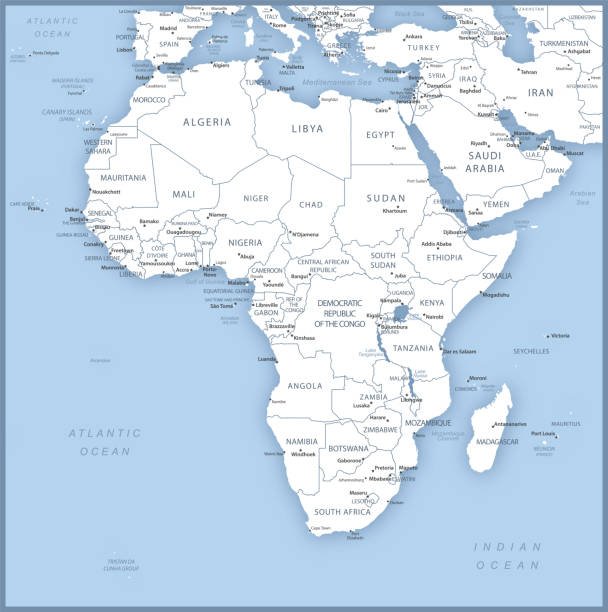
Identifying which country in Africa speaks Portuguese involves looking at the six sovereign nations where this Romance language is recognized as the official medium for law, education, and government. These nations, known collectively as Lusophone Africa, include Angola, Mozambique, Guinea-Bissau, Cape Verde, São Tomé and Príncipe, and Equatorial Guinea. Together, they represent a population of over 60 million people who use the language to participate in the global Lusophone community and facilitate international trade.
The presence of the Portuguese language on the continent is a direct result of centuries of maritime exploration and shared colonial history. This guide explores the diverse linguistic landscape of these nations and examines how the language continues to evolve within their unique cultural contexts.
These are the Countries In Africa That Speak Portuguese
There are currently six sovereign countries in Africa that speak Portuguese as an official language, acting as a vital bridge between hundreds of different indigenous ethnic groups. These nations utilize the language to coordinate national administration, conduct professional business, and interact with the wider international community. From the massive, resource-rich territories on the mainland to the pristine volcanic islands in the Atlantic, the following list explores the specific nations where the language of Camões remains a central pillar of public life and national identity. Each of these countries has developed its own unique dialect and cultural relationship with the language over the centuries.
1. Angola
Angola is the most prominent African country which speaks Portuguese as a primary language, with approximately 71 percent of its population being fluent in the tongue. In the capital city of Luanda, the language has largely replaced indigenous dialects as the first language for the majority of the residents, making it the most Lusophone city in Africa. The government utilizes Portuguese for all official documentation, the judicial system, and as the sole medium of instruction in schools from primary level to university. This widespread usage is supported by a vibrant local media scene and a prestigious literary tradition that includes world-renowned authors like Pepetela and José Eduardo Agualusa. While indigenous languages like Umbundu and Kimbundu are still spoken in rural areas, the national identity is deeply intertwined with the Portuguese language. The country’s massive oil and diamond industries also rely on the language to conduct international negotiations and manage complex logistics.
2. Mozambique
Mozambique is a major country in Africa speaking Portuguese as a vital lingua franca that unites over 40 different ethnic groups across its vast eastern territory. Although it is the official language, it is spoken as a first language by about 17 percent of the population, while nearly half of the citizens use it as a second language for trade and administration. In urban centers like Maputo and Beira, the language is the dominant form of communication in schools, government offices, and the professional business sector. Mozambique’s unique version of the language has been immortalized in the works of Mia Couto, whose writing blends Portuguese grammar with the rhythms and metaphors of local African traditions. The language is essential for the nation’s participation in the Southern African Development Community, allowing it to act as a logistical hub for its neighbors. Recent years have seen an increase in Portuguese proficiency as the educational system expands into remote rural provinces.
3. Guinea-Bissau
Guinea-Bissau is an African country which speaks Portuguese in an official capacity, though the language exists in a complex relationship with the local Guinea-Bissau Creole. While Portuguese is the language of the state, the parliament, and formal education, it is spoken fluently by only about 11 to 15 percent of the total population. Most citizens prefer to use Kiriol for daily social interactions, which is a Portuguese-based creole that serves as the true national language of the street and the market. Despite this, the ability to speak and write formal Portuguese remains a significant marker of social status and professional achievement in the capital city of Bissau. The language is used for all international diplomacy and is the primary medium for the nation's participation in the Economic Community of West African States. For travelers, while Portuguese will get you through official checkpoints, Kiriol is the key to connecting with the heart of the community.
4. Cape Verde
Cape Verde is a unique country in Africa speaking Portuguese through a system of diglossia where the official language and a local creole coexist in different social spheres. Standard Portuguese is the language used for government administration, the legal system, and all formal schooling, ensuring that the nation remains connected to the global Lusophone world. However, Cape Verdean Creole, or Kriolu, is the mother tongue of almost the entire population and is used for all informal conversations and cultural expressions like Morna music. The country boasts one of the highest literacy rates in Africa, and the educational system places a heavy emphasis on the mastery of Portuguese to facilitate international migration and trade. Because the islands were uninhabited before the arrival of the Portuguese in the 15th century, the national identity was built entirely around this cultural and linguistic fusion. This vibrant cultural tapestry has allowed Cape Verde to become a stable and prosperous democratic model in the Atlantic region.
5. São Tomé and Príncipe
São Tomé and Príncipe is a small island nation in the Gulf of Guinea where Portuguese is spoken by over 95 percent of the population, making it one of the most Lusophone African countries that speak Portuguese. Because of its history as a plantation economy, the language became the primary tool for communication among people brought from different parts of the continent. While three distinct Portuguese-based creoles are spoken on the islands, Standard Portuguese remains the sole official language and the primary medium for all levels of education and government. The isolation of the islands has allowed for the preservation of certain archaic forms of the language that have since evolved or disappeared in Portugal. Tourism and the developing oil sector are the primary drivers of the economy, and both rely heavily on the Portuguese language for international engagement. The nation’s small size allows for a high degree of linguistic uniformity, with the language being used in nearly every home and public space.
6. Equatorial Guinea
Equatorial Guinea is the only country in Africa speaking Portuguese as a third official language, having adopted it in 2010 alongside Spanish and French. This move was a strategic decision by the government to facilitate the nation's entry into the Community of Portuguese Language Countries (CPLP) and to strengthen ties with its Lusophone neighbors like Gabon and São Tomé. While Spanish remains the primary language of the people and the state, Portuguese is increasingly used in diplomatic circles and within the regional business community. The adoption of the language has opened up new avenues for educational exchange and technical cooperation with Brazil and Portugal. In the capital city of Malabo, certain sectors of the government and the oil industry have begun to integrate the language into their formal communications. Although it is not yet widely spoken by the general public, its status as an official language reflects the nation's pragmatic approach to regional integration. For travelers, while Spanish is the most useful for daily life, Portuguese is respected in professional and governmental settings.
7. The Role of the PALOP Organization
The PALOP is an administrative organization that brings together the countries in Africa that speak Portuguese to cooperate on issues of governance, law, and social development. This group serves as a platform for these nations to share technical expertise and to coordinate their positions on the international stage, particularly within the African Union. By maintaining a unified linguistic block, these countries can better negotiate trade agreements and security protocols with other major powers. The organization also sponsors cultural exchanges and academic programs that allow students from Guinea-Bissau or São Tomé to study in the larger universities of Luanda or Maputo. This institutional cooperation has been essential for the post-colonial development of these nations, helping them to modernize their legal codes based on a shared Lusophone tradition. The PALOP remains a symbol of the enduring solidarity among the Portuguese-speaking nations of the continent.
8. Linguistic Variations in African Portuguese
While the written form of the language remains standardized, the spoken versions in each African country which speaks Portuguese have developed unique characteristics and slangs. Angolan Portuguese is known for its heavy influence from Kimbundu, resulting in a distinct accent and a vocabulary filled with words related to urban life and social dynamics. In Mozambique, the language has a softer tone and incorporates many Bantu metaphors, giving it a poetic quality that is celebrated in regional music and film. These variations are a source of pride for the local populations, as they represent the indigenization of a colonial language into something authentically African. The development of these local dialects is a sign of a healthy and living language that adapts to the needs of its speakers. Linguists often study these African varieties to understand how Romance languages evolve when they come into contact with diverse phonetic and grammatical systems.
9. Influence of the CPLP in Africa
The Community of Portuguese Language Countries (CPLP) is an international body that provides a massive boost to the African countries that speak Portuguese through economic aid and diplomatic support. Members like Brazil and Portugal invest heavily in these African nations, providing scholarships, infrastructure development, and technical assistance in the energy and agricultural sectors. This global network allows a country in Africa speaking Portuguese to enjoy a level of international influence that its size or economy might not otherwise permit. The CPLP also works to promote the Portuguese language as a global tongue, advocating for its inclusion as an official language in more international organizations. For many African citizens, being part of this Lusophone world provides a sense of belonging to a global community that spans four continents. The summits held by the CPLP are major events on the African political calendar, often resulting in significant bilateral agreements between the member states.
10. Lusophone Literature and African Identity
Literature has played a critical role in redefining the Portuguese language for the countries in Africa that speak Portuguese, turning it from a tool of colonization into a tool of liberation. During the fight for independence, poets and novelists used the language to express their desire for freedom and to document the struggles of their people. Today, authors from Angola and Mozambique are among the most respected in the world, often winning major international prizes for their innovative use of the language. This literary success has helped to project a positive and sophisticated image of these nations to the global community. By writing in Portuguese, these authors can reach a massive audience of over 250 million people worldwide, ensuring that the African voice is heard in the halls of global culture. The themes of identity, war, and reconciliation are common in these works, providing a deep psychological map of the Lusophone African experience.
11. Media and Journalism in Lusophone Africa
The media landscape in any African country which speaks Portuguese is essential for maintaining the standard of the language and for fostering national discourse. National television and radio stations broadcast primarily in Portuguese, providing a consistent linguistic model for the population, especially in rural areas. Journalism in these countries is often vibrant and courageous, with reporters using the language to hold their governments accountable and to report on local and regional issues. The availability of Portuguese-language news from international outlets like RTP África also helps to keep these nations connected to the rest of the Lusophone world. This constant exposure to the language through the media has been a major factor in the increase of literacy and proficiency rates over the last few decades. For the youth, the internet and social media have created a new space where they can experiment with the language, creating a modern and digital version of African Portuguese.
12. The Educational System and Language Policy
Education is the primary vehicle through which the countries in Africa that speak Portuguese ensure the continued use and growth of the language. In nations like Angola and Cape Verde, the curriculum is entirely in Portuguese, with students learning the language from the very first day of school. This policy has been instrumental in raising the literacy rates and in preparing the workforce for a modern, globalized economy. While there is a growing movement to include indigenous languages in the early years of schooling, Portuguese remains the ultimate goal for academic and professional success. Teachers in these countries often face challenges with resources, yet their dedication to teaching the language has resulted in a generation that is more fluent than their parents. The standard of Portuguese taught in these schools is generally based on the European model, though local expressions are increasingly being accepted in the classroom.
13. Trade and Economic Integration
Portuguese is a vital language for trade and economic integration among the African countries that speak Portuguese and their global partners. Angola and Mozambique are major exporters of natural resources, and their ability to conduct business in Portuguese allows them to maintain strong ties with major investors from Brazil and Portugal. The language also facilitates cross-border trade between the Lusophone nations themselves, allowing for the easier movement of goods and services within the PALOP group. Many multinational companies have their regional headquarters in Luanda or Maputo because of the high level of professional Portuguese spoken there. This linguistic capability reduces the cost of doing business and provides a competitive advantage in a region where many other nations are Anglophone or Francophone. As these economies continue to grow, the importance of the language as a tool for commercial success will only increase.
14. Creoles as a Bridge to Standard Portuguese
In many countries in Africa that speak Portuguese, various creoles serve as a bridge that helps the population transition to the standard form of the language. In Guinea-Bissau and Cape Verde, children grow up speaking Kiriol or Kriolu at home, which shares a significant amount of vocabulary with Standard Portuguese. This linguistic proximity makes it easier for them to learn the official language in school compared to children who speak entirely unrelated indigenous languages. These creoles are also important cultural markers, reflecting the unique history of each nation and its specific mix of African and European influences. While the creoles are the languages of the heart, Portuguese is the language of opportunity, and the two exist in a symbiotic relationship that defines the social fabric of these countries. The study of these creoles is a major field of linguistics, as they provide insight into how new languages are born and developed.
15. The Future of Portuguese in Africa
The future of the language in the countries in Africa that speak Portuguese looks incredibly bright, with the number of speakers expected to double in the next few decades. Because Africa has a very young and rapidly growing population, the continent is set to become the center of the global Lusophone world, potentially surpassing Brazil in the total number of speakers. This demographic shift will give African nations more influence over the evolution of the language and its status in international organizations. Governments are continuing to invest in education and digital infrastructure to ensure that their citizens can compete in the global Lusophone economy. As the language becomes more deeply rooted in the daily lives of millions of Africans, it will continue to shed its colonial image and become a true African tongue. The strength of this linguistic identity is a key part of the continent's modern transformation.
Reasons Why These Countries Speak Portuguese in Africa
1. Centuries of Colonial Administration: The primary reason which country in Africa speaks Portuguese is the historical legacy of the Portuguese Empire, which maintained a presence on the continent for over 500 years. During this period, the colonial administration established Portuguese as the sole language of the state, the church, and the economy, creating a deep-rooted institutional dependence on the language. This long-term administrative presence ensured that when these nations gained independence in the 1970s, the infrastructure of the new states was already built around the Portuguese language. The language was effectively the only tool available to manage the transition from colonial rule to sovereign statehood.
2. Tool for National Unity and Social Cohesion: In many countries in Africa that speak Portuguese, the language was intentionally retained after independence to act as a neutral ground between hundreds of competing ethnic groups. By using Portuguese, a "foreign" language, as the official tongue, nations like Mozambique and Angola avoided favoring one local language over another, which could have led to ethnic tensions. This decision helped to build a new national identity that transcended tribal affiliations, allowing diverse populations to work together within a single administrative framework. Portuguese became the linguistic glue that held these newly formed nations together during their formative years.
3. Membership in the Global Lusophone Community: Identifying an African country which speaks Portuguese involves recognizing its strategic participation in the CPLP, which provides a massive incentive to maintain the language. Being part of a global community of over 250 million speakers allows these nations to access significant economic, diplomatic, and educational resources from members like Brazil and Portugal. This international network provides scholarships, technical assistance, and a platform for these countries to project their influence on the world stage. The language is seen as a ticket to global integration, allowing these nations to participate in the international community as equals with their Lusophone partners.
4. Success of the Professional and Educational Sector: Portuguese has remained the dominant language in the African countries that speak Portuguese because it is the primary medium for social mobility and career advancement. To work in the government, the legal system, or the international business sector, a citizen must have a high level of proficiency in the language. This has created a strong incentive for parents to ensure their children learn the language in school, leading to a steady increase in fluency over several generations. The prestige associated with the language as a tool for the intellectual and professional elite has ensured its survival and growth even in the post-colonial era.
5. Economic Ties and Resource Management: A country in Africa speaking Portuguese often has deep economic connections with Brazil and Portugal, which prioritize trade with their Lusophone partners. For nations like Angola and Mozambique, the ability to manage their massive oil and gas reserves using a language shared with their primary technical and financial partners is a major advantage. The language simplifies the process of negotiating contracts, managing joint ventures, and training the local workforce to international standards. This economic utility makes the language an indispensable part of the national strategy for development and resource-based wealth creation. It is a pragmatic choice for any nation looking to attract high-level international investment.
6. Preservation of Cultural and Historical Identity: Finally, the use of the language in African countries that speak Portuguese is a way of preserving a unique history that distinguishes them from their Anglophone and Francophone neighbors. The Portuguese language is the vessel for centuries of history, from the early maritime encounters to the shared struggles of the liberation movements. By maintaining the language, these nations honor the ancestors who used it to communicate across borders and to write the first pages of their national stories. The language has become an authentic expression of an African identity that is modern, globalized, and deeply rooted in its own historical experience.
Conclusion
In summary, determining which country in Africa speaks Portuguese reveals a vibrant and growing community of six nations that have turned a colonial legacy into a powerful tool for national unity and global integration. From the bustling streets of Luanda in Angola to the tranquil shores of Cape Verde and the emerging markets of Mozambique, Portuguese serves as a vital bridge for communication and progress. This common language facilitates high-level diplomacy, international trade, and a rich literary tradition that connects Africa to the rest of the Lusophone world. As these nations continue to grow in population and economic strength, their influence on the global Portuguese language will only increase, making Africa the future heart of the Lusophone community. Ultimately, the success of these nations is a testament to the resilience of their cultures and their ability to speak the language of modern opportunity.
Enjoyed this read?
Share it with your friends and colleagues.