Prehistoric Sites Found In Africa

BSC Insights Admin
October 01, 2026
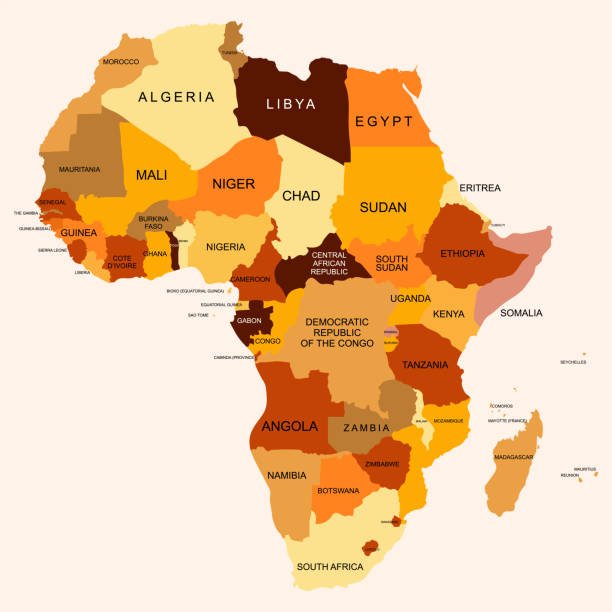
Prehistoric Sites Found In Africa: Unveiling Humanity's Ancient Past
Africa is unequivocally known as the "Cradle of Humankind", a continent rich with a treasure trove of prehistoric sites that offer unparalleled insights into the origins of humanity, early hominin evolution, and the development of ancient cultures. From the fossilized remains of our earliest ancestors to sophisticated Stone Age tools and breathtaking rock art, these archaeological marvels provide a continuous narrative of life on Earth over millions of years, making the study of prehistoric discoveries in Africa crucial for understanding our shared global heritage.
This comprehensive article delves into some of the most significant prehistoric sites found in Africa, exploring their groundbreaking discoveries, the pivotal role they play in paleoanthropology, and their immense contribution to our knowledge of human evolution. We will highlight key locations, famous findings, and the enduring legacy of this archaeologically rich continent.
Africa: The Cradle of Humanity
The scientific consensus overwhelmingly points to Africa as the birthplace of the human lineage. Evidence from numerous sites across the continent strongly supports the theory that hominins — the group including modern humans and all our extinct ancestors after the split from chimpanzees — first evolved here. This profound designation stems from decades of rigorous archaeological and paleoanthropological research, uncovering a wealth of fossils and artifacts dating back millions of years. The sheer concentration and diversity of ancient hominid fossils and primitive Stone Age tools Africa has yielded are unmatched anywhere else in the world, painting a vivid picture of early life and adaptation.
The journey of human evolution, marked by milestones such as bipedalism, increased brain size, and the creation of tools, is meticulously documented within the geological layers of African landscapes. These sites are not merely historical locations; they are laboratories where scientists piece together the complex puzzle of our ancestry, offering an authoritative perspective on how we came to be.
Key Prehistoric Sites and Their Groundbreaking Discoveries
Africa is dotted with numerous sites, each contributing a unique chapter to the story of human prehistory. Here are some of the most prominent:
Olduvai Gorge, Tanzania
Often referred to as the "Grand Canyon of human evolution," Olduvai Gorge is a steep-sided ravine in the Great Rift Valley, east Africa. This monumental site has been instrumental in shaping our understanding of early human life. Pioneering work by Louis and Mary Leakey in the mid-20th century uncovered a wealth of evidence, including the fossilized remains of early hominins and thousands of Stone Age tools Africa produced. Among the most famous findings are:
- Homo habilis: Known as "handy man," this species, dating back approximately 1.9 million years, was one of the earliest members of the genus Homo and is associated with the Oldowan tool industry.
- Paranthropus boisei: A robust australopithecine, sometimes nicknamed "Nutcracker Man" due to its powerful jaw, lived alongside early Homo species.
- Early Stone Tools: Olduvai Gorge has yielded some of the oldest stone tools, primarily choppers and flakes, demonstrating early hominins' capacity for manipulating their environment.
The continuous stratigraphic layers at Olduvai provide a chronological record of human activity and environmental change over nearly two million years, making it an invaluable resource for studying human evolution sites.
Sterkfontein Caves, South Africa
Part of the larger Cradle of Humankind World Heritage Site, the Sterkfontein Caves complex near Johannesburg is arguably the richest hominin fossil site in the world. Its limestone caverns have protected an extraordinary collection of fossils, providing crucial links in the human evolutionary chain. Key discoveries include:
- "Mrs. Ples" (Sts 5): A nearly complete skull of Australopithecus africanus, dating to around 2.1 million years ago, suggesting early hominins inhabited southern Africa.
- "Little Foot" (Stw 573): An almost complete skeleton of Australopithecus prometheus, estimated to be 3.67 million years old, representing one of the most significant hominin fossil finds ever, offering unprecedented insights into bipedalism and ape-like climbing.
- Numerous other remains of Australopithecus africanus and early Homo species, along with thousands of animal fossils and ancient Stone Age tools Africa.
The ongoing excavations at Sterkfontein continue to yield new insights into the diversity and characteristics of early hominins, solidifying its status as a premier archaeological marvel Africa offers.
Laetoli, Tanzania
Not far from Olduvai Gorge, Laetoli gained worldwide fame for its remarkable discovery: fossilized hominin footprints preserved in volcanic ash. Dated to approximately 3.6 million years ago, these tracks were made by at least three bipedal individuals, likely Australopithecus afarensis. These Laetoli footprints provide direct, undeniable evidence of upright walking at a very early stage of human evolution, a fundamental characteristic distinguishing hominins from other primates. The clarity and preservation of these prints offer unique insights into gait, stride, and even social interactions of our ancient ancestors, making it a cornerstone among African prehistoric discoveries.
Afar Triangle, Ethiopia (Hadar & Dikika)
The arid and remote Afar Triangle in Ethiopia is another epicenter for paleoanthropological research. It's renowned for findings that have dramatically reshaped our understanding of the earliest stages of hominin evolution.
- Hadar: This locality is famous for the discovery of "Lucy" (AL 288-1), a 3.2-million-year-old partial skeleton of Australopithecus afarensis, found in 1974. Lucy provided compelling evidence of full bipedalism combined with some arboreal adaptations, becoming an icon of human evolution.
- Dikika: Just a few miles from Hadar, Dikika yielded "Selam" (DIK-1/1), a remarkably complete skeleton of an Australopithecus afarensis child, roughly 3.3 million years old. This find, along with cut-marked animal bones dating back 3.4 million years (suggesting early stone tool use by A. afarensis), pushes back the timeline for tool technology.
These Ethiopian sites underscore the importance of eastern Africa in revealing the very first chapters of our story, offering a deep dive into the archaeological significance of Africa.
Klasies River Caves, South Africa
Situated on the southern coast of South Africa, the Klasies River Caves complex provides crucial evidence for the emergence of anatomically modern humans, Homo sapiens. Dating back approximately 120,000 to 60,000 years ago, this site has yielded some of the earliest unequivocal fossil evidence of modern human behavior, including:
- Human Remains: Fragmentary remains of early Homo sapiens, showing features consistent with modern humans.
- Complex Behavior: Evidence of systematic harvesting of marine resources (shellfish), hunting of large mammals, and potentially symbolic practices, such as the use of ochre.
- Advanced Tools: Middle Stone Age tools, including blades and points, demonstrating sophisticated manufacturing techniques.
Klasies River Caves is vital for understanding the cognitive and behavioral development of our direct ancestors, highlighting the sophistication of African prehistoric discoveries.
Blombos Cave, South Africa
Also located on South Africa's southern coast, Blombos Cave has revolutionized our understanding of early modern human cognitive abilities and symbolic thought. Discoveries here, dating back as far as 100,000 years, demonstrate that complex behaviors often associated with the Upper Paleolithic in Europe were present in Africa much earlier. Key findings include:
- Engraved Ochre: Pieces of ochre with abstract geometric designs, considered some of the earliest known examples of human art or symbolism.
- Shell Beads: Perforated marine shells, used as personal adornments, indicating symbolic behavior and complex social interaction.
- Bone Tools: Sophisticated bone points and awls, showing advanced tool-making skills.
Blombos Cave provides compelling evidence that the roots of human creativity and symbolic expression lie deep within Africa's prehistory, challenging previous notions about the timeline of modern human behavior and underscoring the archaeological marvels Africa continues to unveil.
Tassili n'Ajjer, Algeria
Moving north to the Sahara Desert, the Tassili n'Ajjer plateau in Algeria is a vast, inaccessible landscape famous for one of the most important collections of ancient rock art Africa possesses. This UNESCO World Heritage site contains thousands of engravings and paintings dating from around 12,000 years ago to the early centuries CE. The art depicts a changing environment, from lush savannas to arid desert, and the lives of the people who inhabited it:
- Diverse Imagery: Detailed portrayals of large wild animals (elephants, giraffes, rhinos), domesticated animals (cattle, sheep), human figures engaged in hunting, dancing, and daily life, and mysterious ritual scenes.
- Chronological Record: The styles and subjects of the art change over time, offering a unique visual record of climatic shifts, fauna, and cultural developments in the Sahara.
Tassili n'Ajjer is not just an art gallery; it's an archive of environmental history and human adaptation, providing a window into prehistoric Sahara and the cultural richness of famous prehistoric sites in Africa.
Koobi Fora, Kenya
Located on the eastern shore of Lake Turkana, Koobi Fora is a highly significant area for understanding hominin evolution in East Africa. The rich sedimentary basins have yielded a remarkable diversity of hominin fossils and associated archaeological materials, covering a span from 4.2 to 1.4 million years ago.
- Diverse Hominin Species: Finds include specimens of Australopithecus anamensis, Paranthropus boisei, Homo habilis, and Homo erectus (now often referred to as Homo ergaster in Africa). This site provides critical evidence for the coexistence of multiple hominin species.
- Early Stone Tools: Abundant Oldowan and early Acheulean stone tools, demonstrating continued development in tool technology.
- Environmental Context: Extensive fossilized fauna and flora allowing for detailed reconstructions of ancient environments, showing how early hominins adapted to changing landscapes near the lake.
Koobi Fora's comprehensive record of both hominin fossils and their environmental context makes it indispensable for paleoanthropologists studying the origins of our genus and the evolution of bipedalism and technology, underscoring the paleoanthropology Africa has to offer.
The Significance of African Prehistory for Global Understanding
The study of prehistoric sites found in Africa is not merely an academic exercise; it is fundamental to understanding the entire human story. These sites provide a robust framework for tracing our evolutionary journey and appreciating the depth of human ingenuity and resilience.
Tracing Human Origins and Evolution
The continuous record of fossils from Africa has allowed scientists to construct a detailed evolutionary tree, showing the lineage from early ape-like ancestors to modern humans. Discoveries like Lucy and Little Foot illustrate the emergence of bipedalism, while finds from Olduvai and Koobi Fora demonstrate the progressive development of larger brains and more sophisticated tool-making abilities within the genus Homo. This evidence unequivocally confirms Africa as the primary stage for these transformative evolutionary changes, making African prehistoric discoveries central to the narrative of our species.
Understanding Early Technologies and Culture
From the crude Oldowan choppers to the refined Acheulean handaxes and later Middle Stone Age blades, the archaeological record in Africa showcases the gradual but profound advancement of human technology. Sites like Blombos Cave and Klasies River Caves reveal the burgeoning of symbolic thought, art, and complex social structures, including the use of personal adornments and abstract engravings. These discoveries challenge the Eurocentric view of cultural development, positioning Africa as a hotbed of innovation and complex behavior long before similar developments in other parts of the world. The study of these Stone Age tools Africa has unveiled gives us a direct link to the cognitive abilities of our ancestors.
Insights into Ancient Environments and Climate Change
Many prehistoric sites in Africa are rich in paleoenvironmental data, including fossilized plants, pollen, and animal remains. This information allows researchers to reconstruct ancient ecosystems and understand how early hominins adapted to significant shifts in climate and environment, such as periods of increased aridity or expansion of savannas. The rock art of Tassili n'Ajjer, for instance, provides a visual timeline of a changing Sahara. Understanding these past adaptations offers valuable lessons for our current challenges with global climate change.
Challenges and Future of Archaeological Research in Africa
Despite the immense wealth of discoveries, archaeological research in Africa faces significant challenges. These include:
- Funding and Infrastructure: Many countries lack sufficient resources for large-scale excavations, conservation, and the development of local expertise.
- Preservation Threats: Climate change (erosion, desertification), urban expansion, and human activity pose serious threats to the integrity of many sites.
- Political Instability: Conflict in some regions can make access to sites dangerous or impossible, leading to destruction and looting.
- Colonial Legacy: The historical export of artifacts and a lack of local capacity building continue to impact African archaeological sovereignty.
However, the future also holds immense promise. New technologies, such as LiDAR mapping, drone photography, and advanced dating techniques, are revolutionizing how sites are discovered and analyzed. Increased international collaboration, combined with efforts to train and empower local archaeologists, is crucial for preserving and further exploring Africa's unparalleled prehistoric heritage. The potential for new discoveries, especially in under-explored regions, remains vast, continuously enhancing the archaeological significance of Africa.
| Site Name | Location | Key Discoveries | Approximate Age (Earliest Finds) |
|---|---|---|---|
| Olduvai Gorge | Tanzania | Homo habilis, Paranthropus boisei, Oldowan tools | 1.9 million years ago |
| Sterkfontein Caves | South Africa | Australopithecus africanus ("Mrs. Ples"), Australopithecus prometheus ("Little Foot") | 3.67 million years ago |
| Laetoli | Tanzania | Australopithecus afarensis footprints | 3.6 million years ago |
| Hadar | Ethiopia | Australopithecus afarensis ("Lucy") | 3.2 million years ago |
| Dikika | Ethiopia | Australopithecus afarensis child ("Selam"), cut-marked bones | 3.4 million years ago |
| Klasies River Caves | South Africa | Early Homo sapiens remains, complex Middle Stone Age tools | 120,000 years ago |
| Blombos Cave | South Africa | Engraved ochre, shell beads, sophisticated bone tools | 100,000 years ago |
| Tassili n'Ajjer | Algeria | Vast collection of ancient rock art | 12,000 years ago |
| Koobi Fora | Kenya | Diverse hominin fossils (Homo habilis, Homo erectus), early Stone Age tools | 4.2 million years ago |
Summary: Africa's Enduring Legacy
In conclusion, the prehistoric sites found in Africa represent a monumental testament to the continent's pivotal role in the story of humanity. From the earliest hominin footsteps recorded in volcanic ash at Laetoli to the intricate symbolic expressions found in Blombos Cave, Africa continuously offers profound revelations about our origins, evolution, and cultural development. These archaeological marvels Africa boasts are not just relics of the past; they are living laboratories that continue to inform our present understanding of who we are and where we come from. Preserving and studying these invaluable sites is paramount for safeguarding our collective human heritage and for future generations to connect with the deep roots of our existence on this remarkable continent.
Enjoyed this read?
Share it with your friends and colleagues.