Is There Quicksand In Africa

BSC Insights Admin
October 01, 2026
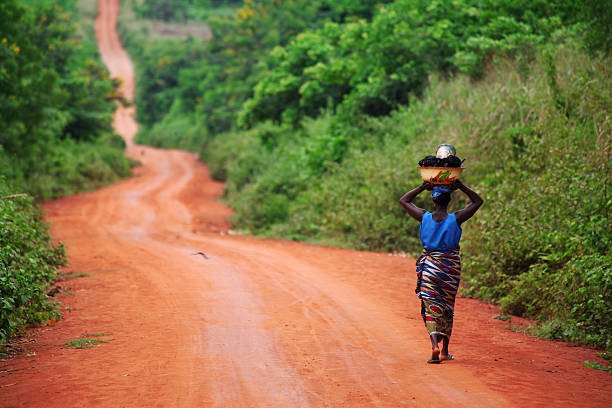
When thinking of Africa, images of vast savannas, dense jungles, and arid deserts often come to mind. But what about quicksand? The question, "Is there quicksand in Africa?" is often met with curiosity, fueled by cinematic portrayals. The definitive answer is yes, quicksand can and does exist in various parts of Africa, just as it can in many other regions of the world where specific geological and hydrological conditions are met. While not an omnipresent danger, understanding its formation, potential locations, and how to react is crucial for anyone exploring its diverse landscapes.
Understanding Quicksand: More Than a Movie Trope
To accurately address the presence of quicksand in Africa, it's essential to first demystify what quicksand truly is. Contrary to popular belief often depicted in films, quicksand is not a bottomless pit that will instantly swallow someone whole. Instead, it's a non-Newtonian fluid, meaning its viscosity changes under stress.
What Exactly Is Quicksand?
Quicksand forms when a bed of sand becomes saturated with water and loses its ability to support weight. This saturation typically occurs due to an upward flow of water, which lubricates the sand grains and reduces the friction between them. When the grains lose their inter-granular friction, the sand behaves like a liquid. This phenomenon is technically known as liquefaction.
- Saturated Sand: The primary component is fine, granular sand.
- Water Flow: An upward flow of water (e.g., from underground springs, tides, or floodwaters) is critical. This upward pressure keeps the sand grains suspended, preventing them from compacting.
- Thixotropy: Quicksand is often thixotropic, meaning it becomes less viscous when agitated and more viscous when left undisturbed. This explains why sudden movements can cause someone to sink deeper, while slow, deliberate actions can help them escape.
Common Misconceptions vs. Reality
The biggest myth is that quicksand will suck a person down entirely. In reality, quicksand is denser than the human body. This means that if you fall into quicksand, you will float, much like you would in water, though you might sink up to your waist or chest depending on the density and specific conditions. The real dangers are less dramatic but still serious:
- Exposure: Being stuck for extended periods can lead to hypothermia, dehydration, or sunburn.
- Panic and Exhaustion: Struggling violently can cause a person to sink deeper and exhaust themselves, making escape more difficult.
- Drowning: While rare, it's possible to drown if you fall face-first or if the quicksand is located in a tidal area where incoming water could cover your mouth and nose.
- Predators: In remote areas like those found in Africa, being immobilized could make one vulnerable to local wildlife.
The Geology and Hydrology of Africa Conducive to Quicksand
Africa is a continent of immense geographical diversity, featuring vast deserts, sprawling river systems, extensive coastlines, and intricate wetland ecosystems. Many of these environments naturally create the conditions necessary for quicksand formation.
River Deltas and Floodplains
Major African rivers, such as the Nile, the Niger, and the Congo, create vast deltas and floodplains. These areas are characterized by fine sediment deposition and seasonal flooding, which can lead to saturated sandy soils and subsurface water flow. Areas like the Niger Delta in West Africa, with its numerous distributaries and low-lying, swampy terrain, are prime candidates for quicksand formation, particularly after heavy rains or during periods of high river flow. Similarly, along the extensive floodplains of the Nile River, especially in its lower reaches, pockets of quicksand can occur where groundwater levels are high and the soil composition is right.
Coastal Regions and Tidal Flats
Africa's extensive coastline, bordering the Atlantic and Indian Oceans, also presents potential quicksand hazards. Tidal flats, estuaries, and sandy beaches where tides regularly wash over fine sand can create quicksand. The incoming and outgoing tides can generate the upward water pressure needed to suspend sand grains. Coastal areas in countries like Mozambique, South Africa, and along the West African coast near river mouths could occasionally host quicksand, especially at low tide or in specific intertidal zones.
Deserts and Oases
While often associated with water, quicksand can also form in seemingly dry environments, particularly in deserts. The vast deserts of Africa, including the Sahara, Namib, and Kalahari Deserts, can experience sudden, torrential downpours. When rain falls on sandy areas, especially in depressions or wadis (dry riverbeds), the water can quickly saturate the sand. If there's a spring or an underground water source, an oasis or wadi environment can become a hidden quicksand trap. Dry quicksand, a less common but still dangerous phenomenon, can also occur when fine, loosely packed sand is aerated by air pressure, allowing it to behave like a fluid.
Swamps, Marshes, and Wetlands
Africa boasts some of the world's most significant wetlands, including the Okavango Delta in Botswana and the extensive Congo Basin wetlands. These environments are characterized by permanent or seasonal water saturation, dense vegetation, and often unstable, muddy, or sandy substrates. The constant presence of water, combined with fine silt and sand, creates ideal conditions for quicksand or dangerously boggy ground that can behave very similarly to quicksand, trapping animals and unwary travelers. The ground in such areas can often be deceptive, appearing solid but giving way suddenly.
Where Might You Find Quicksand in Africa?
Given the diverse geography of the continent, quicksand in Africa is not confined to one specific region. Instead, it's a localized phenomenon that can appear wherever the necessary conditions converge.
Potential Hotspots and General Locations:
- Along major river systems: The banks and floodplains of the Nile, Niger, Congo, Zambezi, and Limpopo rivers, especially where the water table is high or after heavy rains.
- Coastal estuaries and deltas: Areas where rivers meet the ocean, creating a mix of fresh and saltwater and fine sediment, like the estuaries along the West African coast or parts of the Mozambican coastline.
- Inland deltas and seasonal swamps: The Okavango Delta, despite its beauty, is a mosaic of water channels, islands, and unstable ground. Other seasonal swamps or areas prone to flooding can also pose risks.
- Desert oases and wadis: After rare desert rains, dry riverbeds and areas around water sources in the Sahara, Namib, or Kalahari can momentarily become quicksand traps.
- Mining areas: Abandoned mining sites, particularly those involving hydraulic mining or where sand tailings are present, could create localized quicksand conditions, though this is less natural.
It's important to stress that quicksand is usually a localized hazard. Even within these broader regions, quicksand will only form in specific, often small, patches where all the conditions for its formation are precisely met. It is not widespread or uniformly distributed.
Safety and Survival Tips for Encountering Quicksand
While encountering quicksand in Africa is relatively rare for most travelers, knowing how to react is vital. The key is to remain calm and avoid panic.
How to Identify Potential Quicksand
- Appearance: Quicksand often looks like solid ground, but it might have a shimmering, uneven, or unusually wet appearance.
- Location: Be wary in areas prone to quicksand: riverbanks, coastal tidal flats, swampy areas, and wadis after rain.
- Test the ground: If unsure, use a stick or pole to probe the ground ahead of you, especially in suspicious-looking areas.
What to Do If You Encounter Quicksand
If you find yourself stuck in quicksand, remember that most quicksand is only a few feet deep, and you will likely float. Your biggest enemy is panic and exhaustion.
- Stay Calm: Panicking and thrashing around will only cause you to sink deeper and faster. Take slow, deep breaths.
- Lean Back and Spread Your Weight: Immediately lean back to distribute your weight over a larger surface area. This will help you float. Try to get onto your back.
- Free Your Legs Slowly: Move your legs in a slow, bicycling motion. This creates space between your legs and the quicksand, allowing water to seep in and loosen the sand.
- Reach for Support: If possible, reach for a branch, sturdy vegetation, or a hand from a companion.
- Work Your Way to the Edge: Once you've managed to get into a more horizontal position, gently and slowly propel yourself towards the nearest solid ground.
- Shed Weight: If you are carrying a backpack or heavy items, carefully remove them and toss them to solid ground to lighten your load.
Remember, patience and slow, deliberate movements are your best allies. The human body is buoyant in quicksand, so you will not be completely submerged.
Quicksand in Popular Culture vs. African Reality
The image of quicksand as a bottomless, deadly trap is largely a Hollywood invention, sensationalized in adventure films and cartoons. While these portrayals have instilled a disproportionate fear of quicksand, they obscure its true nature as a localized geological phenomenon. In reality, while quicksand in Africa (and elsewhere) can be dangerous due to entrapment and exposure, it is far less dramatic and pervasive than fiction suggests. Awareness and proper precautions are far more effective than irrational fear.
In conclusion, the answer to "Is there quicksand in Africa?" is a definite yes. Quicksand is a natural occurrence found in specific environments across the continent, particularly in river deltas, coastal areas, around oases in deserts, and in wetlands. It forms when sand becomes supersaturated with water, losing its ability to support weight. While not the dramatic, life-ending trap often depicted in movies, it can still pose a serious risk due to entrapment, exposure, and exhaustion. Understanding its true nature, recognizing potential quicksand areas, and knowing how to calmly and slowly extract oneself are the best ways to ensure safety when exploring Africa's magnificent and diverse landscapes.
Enjoyed this read?
Share it with your friends and colleagues.