Is There A Rainforest In Africa

BSC Insights Admin
September 30, 2026
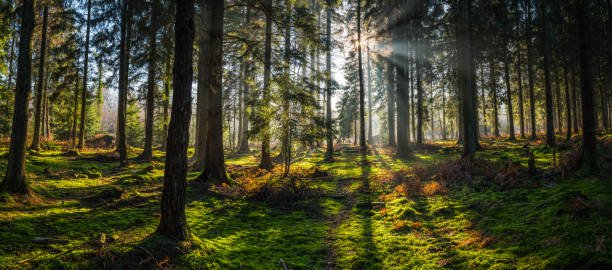
Yes, Africa is indeed home to significant rainforests, most notably the vast Congo Basin Rainforest, which is the second-largest tropical rainforest in the world after the Amazon. These vital ecosystems stretch across central and western parts of the continent, harboring incredible biodiversity, regulating global climate patterns, and supporting the livelihoods of millions.
The Majestic Congo Basin: Africa's Green Heart
The Congo Basin rainforest is unequivocally the largest and most critical rainforest system in Africa. Spanning six countries – Cameroon, Central African Republic, Republic of the Congo, Democratic Republic of the Congo, Equatorial Guinea, and Gabon – it covers an area of approximately 1.5 million square kilometers (about 580,000 square miles). This makes it a globally significant biome, often referred to as Earth's 'second lung' due to its immense capacity for carbon sequestration.
Geographic Spread of African Rainforests
While the Congo Basin dominates, other important rainforest regions exist across Africa. These areas are typically found in equatorial zones where rainfall is abundant and consistent throughout the year.
- Central Africa: The Heart of the African Rainforest
The Democratic Republic of Congo (DRC) holds the largest portion of the Congo Basin, with extensive lowland and montane rainforests. Countries like Gabon and the Republic of Congo boast some of the highest forest cover percentages globally, with Gabon being over 85% forested. These forests are characterized by dense canopies, high humidity, and a rich understory. - West African Rainforests
Once extensive, the rainforests of West Africa, stretching from Ghana to Sierra Leone, have been significantly fragmented due to human activity. Countries such as Liberia, Côte d'Ivoire, and Ghana still retain important, though smaller, patches of tropical rainforest. These forests are distinct from the Congo Basin in their species composition and ecological characteristics, often featuring different endemic species adapted to the specific local conditions. - Eastern Afromontane Hotspot
While not always lowland rainforest, the Eastern Afromontane biodiversity hotspot, which includes montane forests in countries like Uganda, Rwanda, and Tanzania, also contains areas that can be classified as high-altitude rainforests, characterized by high rainfall and unique species assemblages.
The Ecological Importance of African Rainforests
The rainforests in Africa play an indispensable role in global ecology, offering services that extend far beyond their geographical boundaries. Understanding their significance is crucial for appreciating the urgency of their conservation.
Biodiversity Hotspot
African rainforests are incredibly rich in biodiversity, hosting a vast array of plant and animal species, many of which are endemic. They are home to iconic wildlife such as:
- Great Apes: Western Lowland Gorillas, Eastern Lowland Gorillas, Chimpanzees, and Bonobos (found only in the DRC).
- Forest Elephants: A distinct species smaller than their savannah counterparts, crucial for seed dispersal.
- Okapi: An elusive giraffe-like mammal, also endemic to the DRC.
- Pangolins: Four species of African pangolins inhabit these forests.
Beyond these charismatic megafauna, the forests teem with thousands of insect species, amphibians, reptiles, and birds. The plant diversity is equally impressive, with countless tree species forming the multi-layered canopy, along with an abundance of medicinal plants and fungi.
Climate Regulation
These rainforests act as massive carbon sinks, absorbing vast amounts of carbon dioxide from the atmosphere and releasing oxygen. This process is vital for mitigating climate change and regulating global weather patterns. The sheer volume of biomass contained within the trees and soil of the Congo Basin rainforest represents an enormous store of carbon, making its preservation critical for the planet's health.
Water Cycle and Soil Health
African rainforests significantly influence regional and continental water cycles. They release moisture into the atmosphere through evapotranspiration, contributing to rainfall far from the forest itself. This moisture helps sustain agricultural lands and other ecosystems. The dense forest canopy and intricate root systems also prevent soil erosion, maintaining soil fertility and preventing desertification in adjacent areas.
Livelihoods and Culture
Millions of people, including numerous indigenous communities, depend directly on the African rainforests for their survival. These forests provide food, medicine, shelter, and cultural identity. Traditional practices and knowledge systems are deeply intertwined with the forest ecosystem, offering sustainable approaches to resource management that have existed for centuries.
Key Species and Unique Wildlife of African Rainforests
The incredible biodiversity within Africa's rainforests is a testament to their ecological complexity and long evolutionary history. Here, we highlight some of the most remarkable inhabitants.
Primates
The African rainforests are a global stronghold for primates. The great apes are perhaps the most iconic, with populations of Western and Eastern Lowland Gorillas, Chimpanzees, and the endangered Bonobos (exclusively found in the Democratic Republic of Congo). Beyond the great apes, numerous species of monkeys thrive here, including various types of colobus monkeys, mangabeys, guenons, and mandrills, known for their striking coloration.
Forest Elephants
Distinct from their savannah cousins, African forest elephants (Loxodonta cyclotis) are smaller, darker, and have straighter, downward-pointing tusks. They play a crucial role as 'gardeners of the forest,' dispersing seeds of many tree species over vast distances. Their movements create pathways, and their feeding habits influence forest structure, making them a keystone species for the health and regeneration of the Congo rainforest.
Unique Reptiles and Amphibians
The humid, stable environment of the rainforest provides an ideal habitat for a wide array of reptiles and amphibians. This includes various species of chameleons, geckos, forest snakes (like pythons and mambas), and numerous frogs and toads, many of which are endemic to specific forest patches. Their vibrant colors and unique adaptations contribute significantly to the forest's ecological tapestry.
Birdlife and Insects
The forest canopy and understory teem with a bewildering diversity of birds, from colorful turacos and parrots to elusive hornbills and various raptors. Many of these birds are vital for pollination and seed dispersal. Insects, too, form the backbone of the forest ecosystem. Butterflies, moths, beetles, ants, and termites perform crucial roles in decomposition, nutrient cycling, and as a food source for other animals. The sheer biomass of insects in the African rainforest is staggering.
Threats to African Rainforests
Despite their immense importance, the rainforests of Africa face severe and mounting threats that endanger their future and the myriad species, including humans, that depend on them. Addressing these challenges requires concerted global and local efforts.
Deforestation and Logging
Illegal and unsustainable logging is a primary driver of forest loss. Timber extraction, often for export, leads to the felling of old-growth trees, fragmentation of habitats, and the construction of logging roads that open up previously inaccessible forest areas to further exploitation. Even legal logging can be poorly regulated, leading to significant ecological damage.
Agriculture Expansion
The expansion of agricultural land is another major threat. Subsistence farming by local communities, often driven by poverty and food insecurity, contributes to forest clearing. Increasingly, large-scale commercial agriculture, particularly for cash crops like palm oil, rubber, and cocoa, is responsible for converting vast tracts of rainforest into plantations, especially in West Africa and parts of the Congo Basin.
Mining and Infrastructure Development
Africa is rich in mineral resources, and mining operations for coltan, diamonds, gold, copper, and other minerals often occur within or adjacent to rainforest areas. These activities lead to direct forest destruction, pollution of water sources, and the influx of human populations, further increasing pressure on the forest. Additionally, the construction of roads, dams, and other infrastructure projects fragments habitats and disrupts ecological processes.
Climate Change
While rainforests help mitigate climate change, they are also vulnerable to its impacts. Changes in rainfall patterns, increased temperatures, and more frequent extreme weather events can stress forest ecosystems, making them more susceptible to fires, pests, and diseases. This can lead to a vicious cycle where damaged forests release stored carbon, further exacerbating climate change.
Poaching and Illegal Wildlife Trade
The rich wildlife of African rainforests makes them targets for poaching. Species like forest elephants are hunted for their ivory, great apes for bushmeat, and pangolins for their scales and meat in illegal international trade. This unsustainable hunting decimates animal populations, disrupting delicate ecosystem balances and pushing many species towards extinction.
Conservation Efforts and Solutions for African Rainforests
Protecting the rainforests in Africa is a complex but urgent task that requires a multi-faceted approach involving governments, international organizations, local communities, and the private sector. Numerous initiatives are underway to safeguard these invaluable ecosystems.
Protected Areas and National Parks
Establishing and effectively managing national parks, wildlife reserves, and other protected areas is a cornerstone of conservation strategy. These areas provide safe havens for biodiversity and restrict destructive human activities. Examples include Salonga National Park in the DRC (a UNESCO World Heritage site), Odzala-Kokoua National Park in the Republic of Congo, and Loango National Park in Gabon.
Sustainable Forestry
Promoting sustainable forest management practices and certification schemes (like FSC) can help reduce the impact of logging. This involves selective logging, respecting regeneration cycles, and ensuring that timber is sourced legally and responsibly. The goal is to allow timber extraction while maintaining the ecological integrity and long-term health of the forest.
Community-Based Conservation
Engaging local and indigenous communities is vital for successful conservation. Projects that empower communities to manage their resources sustainably, provide alternative livelihoods, and respect traditional land rights often yield the most enduring results. When communities benefit directly from conservation, they become powerful advocates and stewards of their forests.
International Cooperation
Given the transboundary nature of the Congo Basin rainforest, international cooperation among the six basin countries is essential. Initiatives like the Central African Forest Commission (COMIFAC) aim to coordinate conservation efforts, share best practices, and develop regional strategies for sustainable forest management. International funding and technical support from organizations like the UN, WWF, and WCS are also crucial.
Ecotourism
Developing responsible ecotourism can provide economic incentives for forest conservation. By offering visitors opportunities to experience the rainforest and its wildlife, ecotourism generates revenue that can be reinvested in protected areas and support local communities. It also raises global awareness about the importance of these ecosystems.
The Future of African Rainforests
The future of African rainforests remains a critical concern, balancing the urgent needs of development with the imperative of environmental protection. While significant challenges persist, there is also growing recognition of the rainforests' irreplaceable value.
Challenges Ahead
Population growth, poverty, governance issues, and the increasing demand for natural resources continue to exert immense pressure on these vital ecosystems. The effects of climate change are also expected to intensify, potentially altering forest composition and resilience. Ensuring effective law enforcement against illegal activities and addressing the root causes of deforestation, such as poverty and lack of alternative livelihoods, will be ongoing struggles.
Hope for Preservation
Despite the challenges, there is hope. Increased global awareness, technological advancements in monitoring deforestation (e.g., satellite imagery), and a growing commitment from African governments and international bodies are positive signs. The intrinsic value of the Congo Basin rainforest as a global climate regulator and a unique biodiversity reservoir is increasingly understood, driving more focused conservation efforts. Innovations in sustainable agriculture, renewable energy, and carbon finance mechanisms also offer pathways towards a more sustainable future for these precious forests.
Conclusion
In conclusion, the answer to 'Is there a rainforest in Africa?' is a resounding yes, and these rainforests, particularly the immense Congo Basin, are among the most ecologically significant and biodiverse regions on Earth. They are not merely collections of trees but complex, living systems that support a staggering array of life, regulate global climate, and sustain millions of people. While facing severe threats from human activities and climate change, dedicated conservation efforts, sustainable practices, and international collaboration offer a path towards preserving these irreplaceable treasures for future generations. Protecting African rainforests is not just a regional responsibility; it is a global imperative.
Enjoyed this read?
Share it with your friends and colleagues.