Which Country Has Strongest Army In East Africa

BSC Insights Admin
September 30, 2026
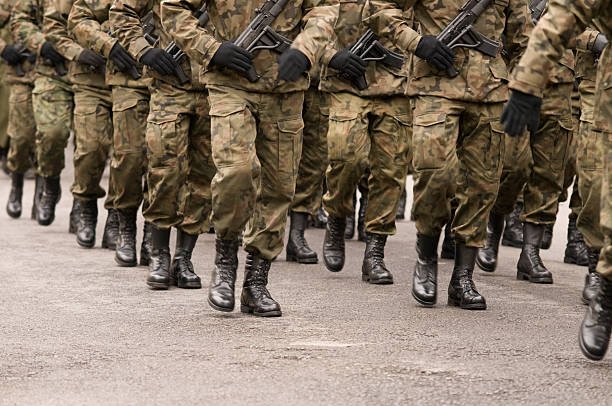
Determining which country that has strongest army in East Africa involves a comprehensive assessment of military spending, modern hardware acquisition, and the combat experience of national defense forces. Ethiopia has historically occupied the top spot in this region due to its massive personnel count and its long-standing tradition of military independence. This dominance is currently supported by a robust air force and significant investments in modern drone technology that have reshaped its defensive capabilities.
The geopolitical landscape of the Horn of Africa and the Great Lakes region remains a complex environment where military strength is often a prerequisite for national stability. As regional tensions evolve, several nations have significantly increased their defense budgets to modernize their infantry, naval, and aerial divisions.
These are the Countries that have the strongest army in East Africa
When analyzing the military hierarchy of this part of the continent, it is essential to consider both conventional firepower and the ability of an army to conduct successful regional interventions. The nations on this list have demonstrated an ability to project power beyond their borders, often participating in African Union or United Nations peacekeeping missions. From high-tech surveillance systems to battle-hardened infantry divisions, the military profiles of these nations vary according to their specific national security priorities. Below is a detailed look at the armed forces that currently hold the most significant influence in the eastern region, based on available global firepower rankings and regional strategic analysis.
1. Ethiopia
Ethiopia is widely recognized as the definitive African country which has strongest army in East Africa, maintaining a massive standing force known as the Ethiopian National Defense Force (ENDF). With a history of military success that dates back to the defeat of colonial invaders in the nineteenth century, the ENDF possesses a deep-seated warrior culture and a high degree of organizational discipline. Currently, the Ethiopian military operates with over 150,000 active-duty personnel and a large reserve pool that can be mobilized quickly during national emergencies. The Ethiopian Air Force is one of the most sophisticated in the region, recently enhancing its fleet with advanced unmanned aerial vehicles (UAVs) sourced from global partners like Turkey. This technological shift has allowed Ethiopia to maintain a significant edge in counter-insurgency operations and border defense. The ENDF also has extensive experience in regional peacekeeping, having played a central role in stabilizing neighboring Somalia for over a decade. Ethiopia's military strength remains a cornerstone of its regional hegemony and its influence over the geopolitics of the Nile Basin.
2. Egypt
While Egypt is primarily located in North Africa, its status as a major Nile Basin power and its deep involvement in East African security matters make it a critical country in Africa with strongest army in East Africa considerations. The Egyptian Armed Forces are technically the most powerful on the entire continent, boasting a massive fleet of over 1,000 fighter jets and a naval force that is unmatched in the Red Sea. Egypt maintains a massive military budget, often supported by billions of dollars in foreign military aid, which allows it to purchase the latest Western and Russian military hardware. Their inventory includes thousands of M1 Abrams tanks and advanced missile defense systems that provide a multi-layered shield against aerial threats. Egypt’s naval presence in the Red Sea is a vital component of its power projection, ensuring the security of the Suez Canal and its interests in the southern reaches of the Nile. The historical rivalry over water resources in the region has led Egypt to maintain a constant state of military readiness, serving as a significant deterrent to any regional shifts that might threaten its water security. Their inclusion in East African military discussions is essential because their strategic reach extends directly into the Horn of Africa.
3. Kenya
Kenya possesses a highly professional and well-equipped military known as the Kenya Defence Forces (KDF), which is often cited as the most technologically advanced force in the region. The KDF has transitioned from a primarily defensive force to an interventionist power, particularly after its successful entry into Somalia to combat the Al-Shabaab extremist group. Unlike some of its neighbors, Kenya prioritizes the quality of its training and the modernization of its equipment over sheer personnel numbers. Their air force operates modern F-5 fighter jets and a variety of specialized transport and attack helicopters that provide excellent mobility in difficult terrains. Kenya also maintains strong military partnerships with the United Kingdom and the United States, allowing for regular joint exercises and access to high-level intelligence and training programs. The KDF is also unique for its focus on maritime security, maintaining a capable navy that protects the vital port of Mombasa and monitors the Indian Ocean for piracy and illegal smuggling. Kenya’s military is a primary example of a countries in Africa that have strongest army in East Africa focused on professional standards and international collaboration.
4. Uganda
Uganda has established itself as a regional military powerhouse through its battle-hardened Uganda People's Defence Force (UPDF). Under the long-term leadership of the national government, the UPDF has seen consistent investment, particularly in its special forces and armored divisions. Uganda is currently the largest contributor to the African Union Transition Mission in Somalia (ATMIS), giving its soldiers invaluable combat experience in urban and rural counter-terrorism environments. The UPDF is also known for its historical interventions in the Democratic Republic of the Congo and South Sudan, demonstrating an ability to deploy and sustain forces far from home. Their air force has been modernized with Russian-made Sukhoi Su-30MK2 fighters, providing them with a high degree of air superiority in the Great Lakes region. The military in Uganda is deeply integrated into the political and social fabric of the nation, serving as a primary tool for both domestic stability and regional influence. The discipline and experience of the Ugandan infantry are widely respected by international military observers, making them a key player in any regional security dialogue.
5. Sudan
Sudan traditionally possesses one of the largest and most heavily armed militaries in the region, featuring a massive inventory of tanks, heavy artillery, and armored vehicles. The Sudanese Armed Forces (SAF) have a long history of conventional warfare and counter-insurgency, having dealt with multiple internal and border conflicts over several decades. Their equipment is a mix of older Soviet-era hardware and newer Chinese and domestic-made systems, including the T-72 tank and various self-propelled guns. Khartoum also hosts a significant domestic defense industry, the Military Industry Corporation, which produces everything from ammunition to armored personnel carriers, reducing the nation’s reliance on foreign imports. Despite the current internal challenges and conflicts between military factions, the SAF remains a significant demographic and technical force in the region. Sudan’s military strength is bolstered by a large air force that includes MiG-29 and Su-25 ground-attack aircraft, designed for both air defense and support of ground operations. The geographical size of Sudan requires a large and mobile military, making it an African countries that have strongest army in East Africa in terms of raw equipment totals.
6. Tanzania
Tanzania maintains a highly stable and well-disciplined military known as the Tanzania People's Defence Force (TPDF). Unlike many of its neighbors, Tanzania has avoided internal military strife and coups, allowing the TPDF to focus on professional development and regional peacekeeping. The TPDF played a legendary role in the late 1970s when it successfully invaded Uganda to overthrow the regime of Idi Amin, demonstrating a high degree of conventional combat capability. Today, the Tanzanian military is a frequent contributor to UN peacekeeping missions, notably in the Democratic Republic of the Congo as part of the Force Intervention Brigade. Their hardware includes a mix of Chinese and Russian equipment, with a recent focus on upgrading their naval capabilities to secure their long Indian Ocean coastline. Tanzania’s military philosophy emphasizes national unity and the protection of sovereignty, which has made it one of the most trusted and reliable forces in East Africa. While they do not engage in aggressive expansion, their defensive posture and large reserve force ensure they are a major weight in the regional balance of power.
7. Rwanda
Rwanda has gained a reputation for having one of the most efficient, disciplined, and effective militaries on the continent relative to its small geographic size. The Rwanda Defence Force (RDF) is characterized by a high degree of professionalism and a clear chain of command that has been forged through years of regional conflict and internal rebuilding. The RDF is currently one of the world's leading contributors to UN peacekeeping missions, and more recently, it has gained international praise for its successful unilateral intervention in Mozambique to combat Islamic State-affiliated insurgents. Rwandan soldiers are known for their exceptional discipline and their ability to operate in challenging environments with minimal logistical support. The government has invested heavily in the RDF’s training and specialized units, ensuring that they can punch far above their weight in regional security matters. Rwanda also maintains a highly sophisticated intelligence service that works closely with the military to identify and neutralize threats before they manifest. This combination of efficiency and interventionist capability makes Rwanda a primary country in Africa with strongest army in East Africa in terms of operational success.
8. Eritrea
Eritrea is often described as the "Sparta of Africa" due to its highly militarized society and its system of compulsory national service that keeps a massive portion of the population in military readiness. The Eritrean Defence Forces (EDF) are focused primarily on territorial defense, particularly along the sensitive border with Ethiopia. Despite its small population, Eritrea can mobilize hundreds of thousands of soldiers in a very short period, making it a difficult nation to invade. The EDF is known for its resilience and its ability to sustain long-term defensive operations in rugged, mountainous terrain. Their hardware is mostly composed of older Soviet equipment, but they have shown a remarkable ability to maintain and adapt these systems to suit their needs. Eritrea's military posture is defined by its history of a thirty-year war for independence, which has created a deeply entrenched military culture within the civilian population. While the nation faces international scrutiny for its national service policies, there is no denying the raw manpower and defensive capability that the EDF brings to the East African regional landscape.
9. Somalia
Somalia is currently in the process of rebuilding its national military, the Somali National Army (SNA), after decades of civil conflict and state collapse. With significant support from international partners like Turkey, the United States, and the United Kingdom, the SNA has developed specialized elite units such as the Danab Brigade. These special forces are trained specifically for counter-terrorism and have been instrumental in retaking territory from Al-Shabaab insurgents in recent years. While the SNA still relies heavily on African Union forces for overall security, the goal is to create a self-sustaining national force that can secure the country’s borders and long coastline. The rebuilding process involves a massive investment in training facilities and the procurement of modern small arms and armored vehicles. Somalia's military strength is currently growing as more soldiers complete their training cycles and the government expands its control over regional provinces. The resilience of the Somali people and their commitment to rebuilding their defense forces suggests that Somalia will eventually reclaim its place as a significant regional military power.
10. South Sudan
South Sudan’s military, the South Sudan People's Defence Forces (SSPDF), is largely composed of former guerrilla fighters who spent decades fighting for independence from the north. This gives the SSPDF a massive pool of battle-hardened soldiers who are experts in unconventional and bush warfare. Since independence in 2011, the government has worked to transform these various armed groups into a unified national army with a centralized command structure. The SSPDF possesses a significant number of tanks and heavy artillery, often purchased from Eastern European suppliers to bolster its conventional strength. While the nation has faced internal challenges and civil strife, the military remains the most powerful institution in the country, controlling a large portion of the national budget. Efforts are ongoing to professionalize the officer corps and improve the logistical capabilities of the infantry divisions. South Sudan's strategic location in the heart of East Africa and its massive number of armed personnel make it an essential factor in any discussion regarding the countries in Africa that have strongest army in East Africa today.
Reasons Why These Countries Have Strongest Armies in Africa
1. Protracted Regional Instability and Border Disputes: One of the primary reasons African countries that have strongest army in East Africa have invested so heavily in their defense is the presence of long-standing regional tensions. For example, the border disputes between Ethiopia and Eritrea, and the Nile water rights issues between Egypt and Ethiopia, have forced these nations to maintain a constant state of military readiness. These geopolitical pressures drive national governments to prioritize defense spending over other sectors to ensure that their sovereignty is not compromised. A strong military is seen as the ultimate insurance policy against the unpredictable actions of neighboring states or insurgent groups that often operate across porous borders.
2. Counter-Terrorism and Domestic Security Requirements: The rise of extremist groups like Al-Shabaab in Somalia and various insurgencies in the Great Lakes region has made military strength a necessity for survival. Nations like Kenya and Uganda have modernized their armies specifically to conduct counter-terrorism operations and protect their civilian populations from cross-border attacks. This focus on domestic security has led to the development of specialized elite units and the acquisition of high-tech surveillance and intelligence-gathering equipment. The constant threat of asymmetrical warfare ensures that these armies remain active, well-funded, and continuously trained in modern combat tactics.
3. Participation in International Peacekeeping Missions: Many East African nations utilize their military strength as a form of diplomatic leverage by contributing large numbers of troops to UN and African Union missions. African country which has strongest army in East Africa status is often solidified through these missions, as they provide soldiers with actual combat experience and access to international funding. Ethiopia, Rwanda, and Uganda are prime examples of nations that have gained regional respect and technical expertise through their long-term deployments in conflict zones like Darfur, Somalia, and Mozambique. These missions act as a training ground that keeps the national forces sharp and updated on international military standards.
4. Access to Foreign Military Aid and Strategic Alliances: The strategic importance of the Horn of Africa as a gateway to the Red Sea and the Indian Ocean has attracted significant interest from global superpowers. Egypt, Kenya, and Ethiopia benefit from billions of dollars in military aid and training programs from nations like the United States, China, Turkey, and Russia. These alliances provide access to advanced hardware, such as fighter jets and drone technology, that these nations might not be able to develop or afford on their own. These foreign partnerships are a major factor in determining which country in Africa with strongest army in East Africa maintains a technological edge over its neighbors.
5. Domestic Defense Industries and Self-Reliance: Some nations have moved toward military self-sufficiency by developing their own domestic defense manufacturing sectors. Sudan and Egypt are leaders in this regard, producing their own ammunition, armored vehicles, and even small aircraft, which reduces their vulnerability to international arms embargoes. This domestic capacity allows for a more consistent supply of equipment and a faster response to internal security needs. By building their own weapons, these nations can tailor their hardware to the specific environmental and tactical challenges of the East African region, further entrenching their military dominance.
6. Historical Military Tradition and National Identity: In several East African nations, the military is the most respected and powerful institution, often linked directly to the history of national liberation. Ethiopia’s status as which country that has strongest army in East Africa is deeply tied to its identity as a nation that successfully resisted European colonization. This historical pride translates into a high level of voluntary recruitment and a societal willingness to support large military expenditures. When the military is viewed as the guardian of national heritage and identity, it enjoys a level of public and political support that ensures its continued strength and modernization over decades.
Conclusion
In summary, determining which country that has strongest army in East Africa reveals a complex hierarchy led by the massive manpower of Ethiopia and the technical sophistication of Egypt. While Kenya and Rwanda have demonstrated that professional training and modern technology can be just as effective as raw numbers, the regional balance of power remains in a constant state of flux. These militaries serve as the primary stabilizers in a region often challenged by extremism and resource-based conflicts, making their modernization essential for the continent's progress. As international alliances continue to shift and new technologies like AI and drones become more accessible, the definition of military strength in the region will continue to evolve. Ultimately, the African country which has strongest army in East Africa will be the one that can most effectively balance conventional firepower with the flexibility needed to address modern asymmetrical threats.
Enjoyed this read?
Share it with your friends and colleagues.