How To Style African Hair

BSC Insights Admin
October 26, 2026
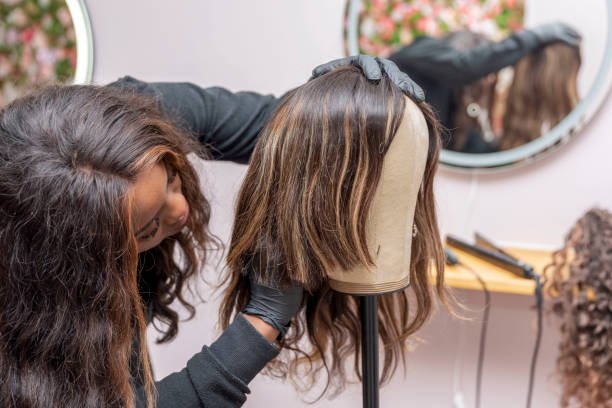
How To Style African Hair: A Comprehensive Guide to Nurturing and Adorning Your Crown
Styling African hair, renowned for its unique textures ranging from coily to kinky, is an art form that embraces versatility, protection, and self-expression. This guide will help you master various techniques, understand essential hair care, and confidently showcase the natural beauty of your African hair, whether you prefer intricate braids, elegant twists, or a vibrant natural afro.
Understanding the Unique Characteristics of African Hair
African hair is distinct, characterized by its tightly packed curls and coils. These unique structural properties contribute to its beauty but also require specific care to thrive. Key characteristics include:
- Texture: Predominantly Type 4 hair (kinky, coily), which can range from soft S-patterns to tight Z-patterns.
- Porosity: Can vary significantly, affecting how well hair absorbs and retains moisture. Low porosity hair resists moisture, while high porosity hair absorbs it quickly but struggles to retain it.
- Shrinkage: African hair can appear much shorter than its actual length due to its tight curl pattern. This is a sign of healthy elasticity, not damage.
- Fragility: The bends and twists in coily strands make them more prone to breakage if not handled gently and kept moisturized.
Recognizing these traits is the first step toward effective African hair care and styling.
Essential Foundations for Healthy African Hair Styling
Before diving into specific styles, building a strong foundation of care is crucial. Healthy hair is manageable hair, making styling easier and more enjoyable.
Moisture: The Cornerstone of African Hair Health
Moisture is paramount for kinky coily hair. Without adequate hydration, strands become brittle and prone to breakage. Implement these practices:
- Hydrating Cleansing: Use sulfate-free shampoos or co-wash regularly to cleanse without stripping natural oils.
- Deep Conditioning: Incorporate a deep conditioner at least once a week to infuse intense moisture and strengthen strands.
- Leave-In Conditioner: Apply a leave-in conditioner after washing to lock in moisture.
- Sealants: Follow with a natural oil (like castor, jojoba, or argan oil) or a butter (shea butter) to seal in moisture, especially using the L.O.C. or L.C.O. method (Liquid, Oil, Cream / Liquid, Cream, Oil).
Gentle Detangling Practices
Detangling is essential but can be a major source of breakage if done improperly. Always detangle hair while it is damp or wet, saturated with conditioner or a detangling spray.
- Section Hair: Work in small sections to prevent tangles from spreading.
- Use Fingers or Wide-Tooth Comb: Start from the ends and work your way up to the roots, gently separating knots.
- Be Patient: Never rip through tangles. Patience is key to preserving length.
Protective Styling: A Must-Have for Growth and Health
Protective styles for African hair tuck away the ends of your hair, reducing manipulation and exposure to environmental damage. They are fundamental for retaining length and promoting healthy growth.
Popular African Hair Styles and Techniques
The versatility of African hair is truly astounding, offering an endless array of African hair styles to choose from. Here are some of the most beloved and effective:
Braids for African Hair
Braids are a classic protective style, offering longevity and aesthetic appeal. They are excellent for those looking to grow their hair or simply minimize daily styling.
- Box Braids: Individual braids created by dividing hair into square-shaped sections. They are versatile in length and thickness.Maintenance: Keep scalp moisturized and clean between washes. Can last 4-8 weeks.
- Knotless Braids: A newer technique where braiding hair is fed into your natural hair, creating a flatter, less tension-filled braid at the root.Benefit: Reduces tension and potential for breakage at the hairline.
- Cornrows: Braids woven flat against the scalp in rows. They can be simple straight-backs or intricate designs.Versatility: Can be worn alone, under wigs, or with extensions.
- Goddess Braids: Thicker cornrows, often incorporating hair extensions, styled into elaborate patterns.
Twists for African Hair
Twists are another fantastic protective option, often softer and easier to remove than braids, and they can yield beautiful curl patterns when taken down.
- Two-Strand Twists: Hair is divided into sections, and each section is then divided into two strands that are twisted around each other.Result: Can be worn as a style or unraveled for a voluminous twist-out.
- Flat Twists: Similar to cornrows but use two strands instead of three, lying flat against the scalp.Ease of Use: Often quicker to install than cornrows and less tension.
- Senegalese Twists (Rope Twists): Achieved by twisting two strands of braiding hair around natural hair. They have a sleek, rope-like appearance.
- Marley Twists: Use Marley hair extensions, which are coarser and mimic natural African hair texture, creating a fuller, more natural look.
Locs (Dreadlocks)
Locs are a journey and a commitment, symbolizing cultural heritage and a deep connection to natural beauty. They are a permanent protective style.
- Traditional Locs: Formed by various methods like palm-rolling, coiling, or braiding over time, leading to mature, interlocked hair strands.
- Sisterlocks: A trademarked system of very small, interlocked locs that offer incredible versatility and a finer look.
- Faux Locs: A temporary protective style where synthetic hair is used to create the appearance of traditional locs without the commitment.
Bantu Knots
Bantu knots are a culturally rich and versatile styling option that involves sectioning hair and twisting each section into a tight coil, then wrapping it around itself to form a small knot. When unraveled, they create beautiful, heatless curls or waves.
How to Create:
- Start with damp, moisturized hair.
- Section hair into desired sizes.
- Twist each section tightly from root to tip.
- Coil the twisted section around its base to form a knot.
- Secure with a bobby pin or small elastic.
- Allow to dry completely before unraveling for a knot-out.
Wash-and-Go: Embracing Natural Texture
The wash-and-go is a celebration of your natural curl pattern, requiring minimal manipulation. The goal is to define your curls and let them air dry or diffuse.
Key Steps:
- Cleanse and condition hair thoroughly.
- Apply a leave-in conditioner.
- Generously apply a curl defining cream, gel, or mousse to wet hair.
- Use your fingers to clump curls or scrunch gently.
- Allow to air dry or use a diffuser on low heat.
Updos and Buns for African Hair
Updos are elegant, sophisticated, and can be achieved on various lengths of African hair. They keep hair off the neck and can be very protective.
- High Puff: A classic and simple updo where hair is gathered at the crown using an elastic band or puff cuff.
- Pineapple: Similar to a high puff but specifically designed for sleeping, loosely gathering hair at the top of the head to preserve curls.
- Braided/Twisted Updos: Incorporate cornrows, flat twists, or individual braids/twists into intricate updo designs.
- Chignons: Elegant low buns, often achieved by smoothing hair back and twisting it into a neat coil.
Headwraps and Scarves
Headwraps are not just fashion statements; they are excellent protective tools, shielding hair from sun, wind, and manipulation. They also offer a quick and stylish solution on busy days or when hair isn't cooperating.
Styling Tips: Experiment with different fabrics (cotton, silk, rayon) and wrapping techniques to create diverse looks, from turbans to elaborate bows.
Styling for Different African Hair Lengths
Whether your hair is short, medium, or long, there are myriad styles suited to your length.
Short African Hairstyles
Short African hair is incredibly chic and low-maintenance. Options include:
- Teeny Weeny Afro (TWA): Embracing your natural texture right after a big chop. Can be styled with finger coils or defined with gel.
- Pixie Cuts: Can be tailored to various styles, from edgy fades to soft, defined curls.
- Finger Coils: Using a defining cream and your finger to coil small sections of hair for defined, uniform curls.
Medium-Length African Hair Styles
This length offers a balance of versatility and manageability.
- Bob Braids/Twists: Shorter versions of box braids or twists, framing the face.
- Twist-Outs/Braid-Outs: Achieve defined waves and curls by unraveling twists or braids after they have dried.
- Defined Afros: A fuller afro with well-defined curls, achieved through a wash-and-go or a careful pick-out.
Long African Hairstyles
With length comes the opportunity for more elaborate and striking styles.
- Large Box Braids/Goddess Braids: Make a statement with thick, long braids.
- Elaborate Updos: Complex braided or twisted updos that showcase the volume and length.
- Halo Braids: A large, single braid wrapped around the head like a halo.
Tips for Healthy Styling and Hair Growth
Achieving stunning African hair styles goes hand-in-hand with maintaining hair health. Here are essential tips:
- Minimize Heat Usage: Excessive heat can cause damage and breakage. Opt for heatless styling methods or use a heat protectant when necessary.
- Protect at Night: Sleep on a satin pillowcase or wear a satin bonnet to prevent friction, which can lead to frizz and breakage.
- Regular Trims: Trim split ends every 3-4 months to keep hair healthy and prevent damage from traveling up the hair shaft.
- Balanced Diet and Hydration: What you put into your body reflects in your hair. A diet rich in vitamins, minerals, and plenty of water supports healthy hair growth.
- Patience and Consistency: Hair growth and health are a journey, not a destination. Consistency in care yields the best results.
Common Styling Mistakes to Avoid with African Hair
Even with the best intentions, certain practices can hinder your hair health:
- Over-Manipulation: Constantly restyling or touching your hair can lead to breakage. Embrace low-manipulation styles.
- Tight Styles: Braids or ponytails that pull too tightly on your scalp can cause traction alopecia, a form of hair loss. Always ensure styles are comfortable.
- Neglecting Moisture: Allowing your hair to become dry and brittle is a recipe for damage. Prioritize your moisturizing routine.
- Ignoring Scalp Health: A healthy scalp is crucial for healthy hair growth. Keep it clean and moisturized, addressing any issues like dryness or flakiness promptly.
Conclusion
Styling African hair is a journey of creativity, self-love, and appreciation for its incredible strength and beauty. By understanding its unique needs, committing to a consistent care routine, and exploring the vast array of available styles – from protective braids and twists to the proud display of a natural afro or elegant updos – you can confidently adorn your crown. Embrace the versatility of your African hair, experiment with different looks, and remember that healthy hair is always the most beautiful style.
Enjoyed this read?
Share it with your friends and colleagues.