Top 10 beautiful cities in Africa 2026

BSC Insights Admin
September 30, 2026
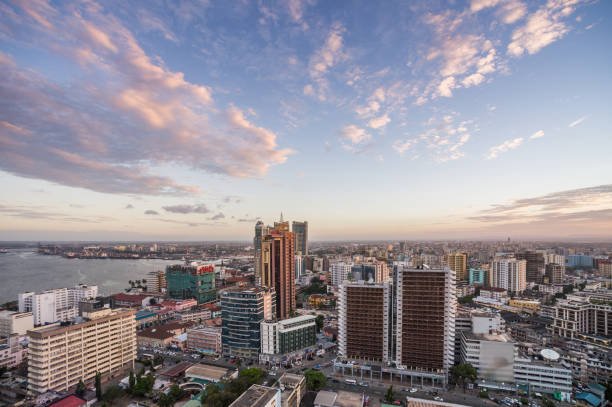
Determining the Top 10 beautiful cities in Africa 2026 requires an analysis of urban planning excellence, natural landscape integration, and the preservation of historic architectural heritage across the continent. These cities have invested heavily in green infrastructure and sustainable tourism to ensure they remain visually stunning and environmentally friendly for both residents and international visitors. As urban development continues to accelerate, these specific locations stand out for their unique ability to blend modern skylines with the breathtaking natural beauty that Africa is known for.
The selection for 2026 reflects a mixture of coastal gems, highland retreats, and historic cultural hubs that have prioritized aesthetic appeal in their long term growth strategies. These metropolitan areas are setting the standard for what a modern, beautiful African city should look like in the twenty first century.
These are the Top 10 beautiful cities in Africa 2026
The following list highlights the most visually impressive urban centers on the continent, focusing on their unique characteristics, cleanliness, and the iconic landmarks that define their beauty. From the Mediterranean shores of the north to the rugged coastlines of the south, these cities offer a diverse range of visual experiences that showcase the best of African urbanism. Each city has been evaluated based on its architectural innovation, public parks, and the successful maintenance of its natural environment amidst rapid modernization.
1. Cape Town, South Africa
Cape Town consistently ranks as one of the most visually spectacular cities in the world due to the dramatic presence of Table Mountain which serves as a majestic backdrop to the urban sprawl. By 2026, the city has further enhanced its beauty through the revitalization of coastal walkways and the expansion of green corridors that connect the Atlantic Seaboard to the inner city. The colorful houses of Bo-Kaap continue to provide a vibrant contrast to the sleek glass facades of the modern business district. Visitors often marvel at the Kirstenbosch National Botanical Garden, which showcases the unique Cape Floral Kingdom in a setting that feels entirely removed from the bustle of city life. The Victoria and Alfred Waterfront remains a focal point of beauty, where the harbor meets high end architecture and public art installations. Cape Town is not just about natural vistas because its commitment to heritage preservation ensures that colonial and indigenous history remains visible in the city fabric.
2. Kigali, Rwanda
Kigali has earned a global reputation as the cleanest city in Africa, and by 2026, its "Green City Pilot" project has turned it into a model of sustainable urban beauty. The city is built across several lush green hills, providing residents and tourists with sweeping views of mist-covered valleys and meticulously manicured public spaces. The lack of litter and the abundance of palm-lined boulevards make driving through Kigali a serene experience compared to many other global capitals. Iconic structures like the Kigali Convention Centre, with its translucent dome inspired by traditional Rwandan architecture, light up the skyline at night with a kaleidoscope of colors. The city also benefits from the Umuganda tradition, where community cleaning efforts ensure that every neighborhood maintains its pristine appearance. Kigali's beauty is found in its order, its quiet efficiency, and the seamless way the built environment respects the natural topography of the land.
3. Marrakech, Morocco
Known as the Ochre City, Marrakech remains a masterpiece of traditional aesthetics and North African charm as it heads into 2026. The city is famous for its rose-colored sandstone buildings and the intricate tilework found in its historic riads and palaces. The Majorelle Garden provides a stunning oasis of cobalt blue and exotic plants that contrast sharply with the terracotta tones of the surrounding Medina. While the ancient center is a labyrinth of beauty, the newer district of Gueliz offers wide avenues and modern Moroccan design that incorporates traditional motifs. The Koutoubia Mosque stands as a sentinel of history, its minaret visible from across the city and serving as a landmark for those navigating the bustling markets. Marrakech has successfully integrated modern luxury tourism with its ancient identity, ensuring that its legendary gardens and courtyards remain well-preserved for future generations to enjoy.
4. Nairobi, Kenya
Nairobi is often called the Green City in the Sun, and by 2026, it has solidified this title through massive reforestation projects and the development of the Nairobi River commission. It is perhaps the only city in the world where a visitor can photograph a giraffe against a backdrop of modern skyscrapers like the Global Trade Centre. The city features a unique blend of dense urban energy and sprawling natural spaces like Karura Forest, which offers miles of walking trails and waterfalls within the city limits. The expansion of the expressway system has allowed for better landscaping along major arteries, reducing congestion and improving the visual appeal of the transit corridors. Nairobi's beauty lies in its vibrant street life, its diverse flora, and the constant presence of nature even in its most industrial sectors. The high altitude ensures a pleasant climate that keeps the city's many parks and private gardens blooming throughout the year.
5. Cairo, Egypt
Cairo is undergoing a visual transformation as it nears 2026, with the completion of major sections of the New Administrative Capital and the full opening of the Grand Egyptian Museum. The city offers a breathtaking contrast between the timeless Pyramids of Giza on its outskirts and the glittering skyscrapers that now line the banks of the Nile River. Modern Cairo is a city of lights, where river cruises and illuminated bridges create a magical atmosphere after the sun sets. The revitalization of Historic Cairo has brought new life to old mosques and markets, cleaning up centuries of dust to reveal the intricate beauty of Islamic architecture. New public parks like Al-Azhar Park provide elevated viewpoints from which to see the vast landscape of the city, stretching from the Citadel to the modern skyline. Cairo manages to be both an open air museum of ancient history and a booming symbol of futuristic African ambition.
6. Windhoek, Namibia
Windhoek is frequently cited for its cleanliness and its unique blend of German colonial architecture and modern African design. In 2026, the city remains a tranquil and orderly capital where the streets are wide and the public gardens are kept in immaculate condition despite the arid surrounding climate. The Christuskirche, with its colorful stained glass and unique spire, remains one of the most photographed buildings in the city. Windhoek is situated in a basin surrounded by the Auas and Eros Mountains, giving every street a scenic view of the rugged Namibian landscape. The city’s small population and efficient management contribute to an atmosphere of peace and safety that enhances its aesthetic appeal. Recent developments in solar energy infrastructure have also given the city a modern, eco friendly edge that complements its natural surroundings. Windhoek proves that a city in the desert can be a lush and inviting place through careful planning and resource management.
7. Port Louis, Mauritius
Port Louis is a stunning island capital that combines mountainous terrain with a bustling tropical harbor to create a unique visual identity. By 2026, the city has further developed its waterfront areas, making the Caudan Waterfront a premier destination for those seeking beautiful views of the Indian Ocean. The city is a melting pot of cultures, reflected in the diverse architecture that includes French colonial buildings, ornate Hindu temples, and modern office towers. The Champ de Mars racecourse, one of the oldest in the world, provides a large green space that is surrounded by steep, emerald-green mountains. The city’s beauty is also found in its markets, where the colors of tropical fruits and spices create a sensory feast for visitors. Port Louis is a city where the air is fresh, the water is blue, and the mountains provide a constant sense of drama to the urban landscape. It remains a top destination for those who want the amenities of a modern city within a paradise-like setting.
8. Luanda, Angola
Luanda has seen a dramatic skyline transformation over the last decade, and by 2026, it is often referred to as the Paris of Africa for its beautiful bay and sophisticated waterfront promenade. The Marginal de Luanda is a long, palm-fringed walkway that offers incredible views of the Atlantic Ocean on one side and a glittering wall of modern skyscrapers on the other. The city’s beauty is a mix of its Portuguese heritage, seen in the Fortaleza de São Miguel, and its rapid oil-funded modernization. The island of Luanda, a thin spit of land stretching into the sea, is lined with high end restaurants and beaches that offer a resort-like atmosphere within the city. Luanda’s hills are dotted with both historic churches and modern villas, providing various vantage points to appreciate the expansive bay. Despite being a major industrial and economic hub, the city has successfully prioritized the beautification of its coastal assets to create a world-class urban environment.
9. Algiers, Algeria
Algiers, known as the White City, is famous for its gleaming white buildings that seem to rise directly out of the blue Mediterranean Sea. In 2026, the city remains a breathtaking example of how French and Arabic architectural styles can merge to create a cohesive and beautiful urban fabric. The Casbah of Algiers, a UNESCO World Heritage site, is a maze of narrow streets and historic houses that offer a glimpse into the city's ancient soul. The Great Mosque of Algiers, with the world's tallest minaret, has become a defining symbol of the modern skyline and an architectural marvel. The city’s waterfront is lined with wide boulevards and neoclassical buildings that evoke a sense of European elegance on the African coast. Algiers is a city of gardens and terraces, where the scent of jasmine and the salty breeze of the sea create a truly unique atmosphere. Its beauty is both monumental and intimate, found in its grand public squares and its hidden hillside alleys.
10. Stone Town, Tanzania
While technically a part of the larger Zanzibar City, Stone Town is a beautiful urban relic that continues to enchant visitors with its 2026 preservation efforts. The city is a labyrinth of coral-stone buildings, intricately carved wooden doors, and narrow winding streets that reflect centuries of Swahili, Arab, Indian, and European influence. The waterfront area, particularly near the Forodhani Gardens, offers stunning views of the turquoise ocean and traditional dhows sailing past at sunset. Stone Town’s beauty is rooted in its texture and its history, where every crumbling wall and hidden courtyard tells a story of the spice trade. The House of Wonders and the Old Fort remain central landmarks that dominate the shoreline, providing a sense of grandeur to the historic district. In recent years, careful restoration projects have ensured that the city maintains its aesthetic integrity while providing modern comforts for tourists. Stone Town is a place where time seems to slow down, allowing the natural and architectural beauty to be appreciated at a leisurely pace.
Future Trends in African Urban Tourism and Scenic Development
The rise of African urban tourism is largely driven by the increasing accessibility of these beautiful cities and the continent's commitment to modernizing its infrastructure. By 2026, many of these cities have implemented smart city technologies that improve the quality of life for residents while making the urban landscape more attractive to visitors. These technologies include better traffic management systems, public Wi-Fi in parks, and digital guides to historical landmarks. The best cities to visit in Africa 2026 are those that have recognized the economic value of their aesthetic appeal and have taken steps to protect their natural and architectural assets.
Environmental sustainability has also become a key factor in urban beauty across the continent. Cities like Kigali and Nairobi are leading the way in urban afforestation, planting millions of trees to combat the heat island effect and create more pleasant public spaces. This focus on greening the urban environment not only makes the cities more beautiful but also improves air quality and biodiversity. As more African nations move toward renewable energy, the visual impact of smog and pollution is decreasing in major capitals, revealing the true colors and architectural details of the cities. This shift toward sustainable urban development is essential for maintaining the visual appeal of these destinations in the face of climate change.
Cultural preservation remains a cornerstone of African metropolitan beauty, with many cities investing in the restoration of their historic districts. The balance between glass skyscrapers and traditional markets creates a dynamic visual experience that is unique to the continent. This architectural diversity is a major draw for tourists who want to experience both the past and the future of Africa in a single trip. In 2026, the integration of public art and cultural centers into city planning has further enhanced the aesthetic landscape, making the streets themselves a canvas for African creativity. These trends indicate that the beauty of African cities will only continue to grow as they become more prosperous and self-assured on the global stage.
Investment in public transportation, such as light rail systems and bus rapid transit, has also contributed to the beautification of these cities. By reducing the number of cars on the road and creating dedicated pedestrian zones, cities are becoming more walkable and enjoyable to explore. The removal of overhead power lines and the improvement of sidewalk paving are small but significant changes that have a large impact on the overall look and feel of an urban area. These infrastructure improvements are often accompanied by the creation of new public squares and recreational areas where people can gather and enjoy the city's scenery.
The global perception of African cities is shifting from one of chaos to one of curated beauty and innovation. As more travelers share images and videos of these stunning locations on social media, the demand for urban tourism in Africa continues to rise. This increased visibility encourages local governments to maintain high standards of cleanliness and architectural excellence. The result is a positive cycle of development where beauty leads to tourism, which in turn provides the revenue needed to further enhance the city's appearance. The Top 10 beautiful cities in Africa 2026 are at the forefront of this transformation, proving that African urbanism is among the most exciting and visually rewarding in the world.
Conclusion
The selection of the Top 10 beautiful cities in Africa 2026 demonstrates that the continent's urban centers are becoming world class destinations for those who appreciate architecture and nature. From the mountain vistas of Cape Town to the pristine streets of Kigali, these cities offer a vision of a modern Africa that is both vibrant and orderly. As sustainable development and cultural preservation continue to be prioritized, the aesthetic appeal of these metropolitan areas will only increase in the coming years. Travelers and investors alike are recognizing that the beauty found within these African capitals is a powerful asset for the future. These cities are truly the shining jewels of the continent, representing the best of African ingenuity and natural splendor.
Enjoyed this read?
Share it with your friends and colleagues.