Top 10 best jollof rice in Africa

BSC Insights Admin
October 01, 2026
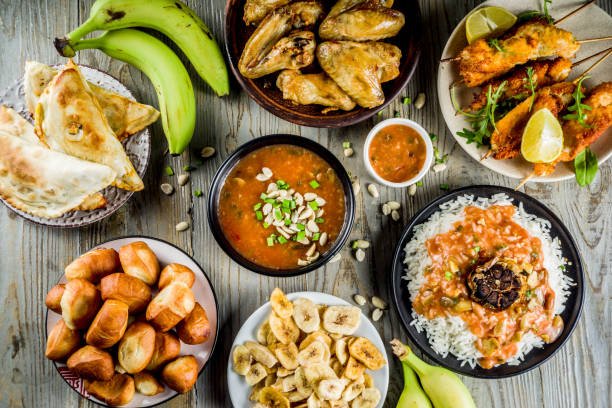
The Top 10 best jollof rice in Africa represents a culinary journey through West Africa where this iconic one-pot dish has become a symbol of national pride and intense regional competition. While the basic recipe involves rice, tomatoes, onions, and a blend of aromatic spices, each nation has developed a unique preparation method that distinguishes its flavor profile from its neighbors. This dish is not just a meal but a cultural phenomenon that anchors celebrations, weddings, and family gatherings across the continent.
The legendary rivalry between nations, often referred to as the Jollof Wars, has turned this simple rice dish into a trending global topic that showcases African culinary diversity. Understanding the nuances of each version requires exploring the specific types of rice, spice levels, and cooking techniques used by different ethnic groups.
These are the Top 10 best jollof rice in Africa
To determine the best versions of this dish, one must look at factors such as grain texture, the richness of the tomato base, and the depth of the smoky flavor often achieved through traditional cooking methods. From the original coastal recipes of Senegal to the spicy party versions in Nigeria, these variations offer a wide spectrum of tastes for any food enthusiast. The following list ranks the most exceptional versions of jollof rice based on their historical significance, popularity, and unique ingredient combinations found across the African landscape.
1. Senegal (Thieboudienne)
Senegal is widely recognized as the birthplace of jollof rice, where it is known as Thieboudienne, and it remains the gold standard for many culinary historians. This version is unique because it traditionally uses broken jasmine rice which absorbs the rich flavors of the fish, tomatoes, and vegetables more effectively than long-grain varieties. In 2021, UNESCO officially recognized Thieboudienne as an intangible cultural heritage of humanity, cementing its status as a world-class dish. The Senegalese preparation involves stuffing fish with a herb paste called rof and simmering it with a variety of vegetables like carrots, eggplant, and cassava before cooking the rice in the resulting broth. The final product is often served with a side of tamarind paste or fermented locust beans to add a sour and umami depth that is rarely found in other versions. Because it is the ancestor of all other jollof variations, the Senegalese version offers a complex, multi-layered taste that reflects the coastal bounty of the region.
2. Nigeria (Party Jollof)
Nigerian jollof rice is world-famous for its distinct smoky aroma, often referred to as "party jollof," which is traditionally achieved by cooking the rice over an open wood fire. Unlike the Senegalese version, Nigerians prefer long-grain parboiled rice which ensures that each grain remains separate and firm rather than becoming mushy or sticky. The base is a rich blend of blended tomatoes, red bell peppers (tatashe), onions, and scotch bonnet peppers (ata rodo), fried in vegetable oil until the water evaporates and the oil rises to the top. Thyme, curry powder, bay leaves, and bouillon cubes provide the foundational spices that give the dish its bright orange color and savory kick. It is almost always served with fried plantains (dodo), moin moin, or a crisp coleslaw, creating a balanced plate of textures and temperatures. The Nigerian version is particularly aggressive in its spice profile, making it a favorite for those who enjoy a lingering heat accompanied by deep, smoky undertones.
3. Ghana (Basmati Excellence)
Ghanaian jollof rice has a loyal global following and is often the primary challenger to Nigeria in international cooking competitions due to its use of high-quality perfumed or basmati rice. This choice of grain gives the Ghanaian version a floral aroma and a lighter texture that many diners find more elegant than the heavier parboiled varieties. The preparation usually involves frying the meat first to create a flavorful oil base and then slow-cooking the tomato sauce with plenty of ginger and garlic. One defining characteristic of the Ghanaian style is the inclusion of "shito," a dark, spicy pepper sauce made with ginger, dried fish, and crustaceans, which is served on the side. Many Ghanaians argue that their version is more flavorful because the spices are more integrated into the rice grains during the steaming process. The resulting dish is visually striking with a deep reddish-brown hue and is frequently served at high-profile social events in Accra and beyond.
4. Gambia (Benachin)
In the Gambia, jollof rice is affectionately called Benachin, which literally translates to "one pot" in the Wolof language, emphasizing its communal and efficient nature. Gambian Benachin is very closely related to the Senegalese version but often features a higher concentration of local vegetables like bitter tomato and cabbage. The use of smoked fish or dried conch is a common addition that provides a unique oceanic saltiness that contrasts beautifully with the sweet tomato base. Gambians often use a mix of both red and white jollof techniques, sometimes producing a version that is less oily but highly concentrated in herbal flavors. The dish is typically served in a large communal tray, encouraging a shared dining experience that is central to Gambian hospitality. Because the Gambia shares a deep historical link with the Wolof people, their Benachin is considered one of the most authentic and traditional expressions of the original recipe.
5. Liberia (Mixed Meat Jollof)
Liberian jollof rice stands out from its neighbors by the sheer variety of proteins included in a single pot, often featuring a mix of beef, chicken, shrimp, and sometimes pig feet. This version is known for being incredibly hearty and rich, as the oils and juices from the various meats meld into the rice during the long simmering process. Liberians also tend to use a significant amount of mixed vegetables like green beans, corn, and peas directly in the rice, giving it a colorful and textured appearance. The spice profile is often heavy on the habanero peppers, making it one of the spiciest versions found in West Africa. Palm oil is occasionally used in some rural areas to give the dish a distinct earthy flavor and a deep red color, though vegetable oil remains the modern standard in Monrovia. This version is perfect for those who want a complete meal in one pot where every spoonful contains a different piece of seasoned protein.
6. Sierra Leone (Salone Jollof)
Sierra Leonean jollof rice, often called Salone Jollof, shares similarities with the Liberian version but places a greater emphasis on the use of onions and specific local seasoning blends. The rice is typically prepared with a generous amount of tomato paste to ensure a deep, consistent color throughout the dish, often leaning toward a darker red. In Sierra Leone, it is common to find jollof rice served with a side of fried fish or chicken that has been marinated in a spicy ginger and onion rub. One of the unique aspects of their preparation is the occasional addition of "crain crain" (jute leaves) or other greens on the side, providing a nutritional balance to the starch-heavy meal. The heat level is manageable but flavorful, with a focus on aromatic spices rather than raw peppery burn. It is a staple at "outdooring" ceremonies and festive gatherings, where it is prepared in massive cast-iron pots to feed entire communities.
7. Cameroon (Njole-Influenced Jollof)
Cameroon’s version of jollof rice is influenced by the country’s diverse geography and the intersection of West and Central African culinary traditions. While not as internationally famous as the Nigerian or Ghanaian versions, Cameroonian jollof is highly regarded for its use of fresh herbs like basil and parsley, which are often blended into the tomato base. This gives the rice a slightly more herbaceous and fresh taste compared to the purely savory versions found further west. In the coastal regions of Cameroon, prawns and crayfish are heavily used to season the rice, providing a rich seafood undertone that is reminiscent of the original Senegalese dish. The spice level is often customized with local "piment" (hot pepper) sauces served on the side, allowing each diner to adjust the heat to their preference. It is a versatile dish that reflects Cameroon’s bilingual and multicultural heritage, blending techniques from both Anglophone and Francophone cooking styles.
8. Togo (Togolese Tomato Rice)
Togolese jollof rice is a hidden gem in West African cuisine, characterized by its extreme richness and the frequent use of ginger and cloves in the spice mix. The Togolese version often utilizes a very thick tomato reduction, which results in a highly concentrated flavor and a slightly sticky, but pleasant, texture. Garlic is used more liberally here than in many other countries, giving the dish a pungent and appetizing aroma that fills the kitchen during preparation. It is common to see Togolese jollof served with "wagassi," a local fried cow's milk cheese, which adds a creamy and salty contrast to the spicy rice. The inclusion of hard-boiled eggs as a garnish is also a frequent sight, making the dish look as festive as it tastes. This version is a testament to the Togo’s ability to take a common regional dish and infuse it with local ingredients that make it entirely their own.
9. Ivory Coast (Riz Gras)
In the Ivory Coast, jollof rice is frequently referred to as Riz Gras, which literally means "fat rice," highlighting the rich and oily nature of the dish. Ivorian Riz Gras is known for its indulgence, often using significant amounts of meat fat or high-quality oils to ensure the rice is moist and flavorful. It is common to find large chunks of beef or lamb cooked until tender within the rice, accompanied by whole eggplants and carrots. The flavor profile is slightly more subtle in terms of heat but very high in savory depth, often utilizing fermented seasonings to enhance the meatiness of the broth. In Abidjan, Riz Gras is a popular street food sold in vibrant markets, where it is served in large portions to hungry workers and travelers. The Ivorian style emphasizes the "richness" of the meal, ensuring that even a small serving feels substantial and satisfying.
10. Mali (Zaame)
Malian jollof, known locally as Zaame, is a unique variation that often incorporates dried meat and local spices that are specific to the Sahel region. The rice used is often a local variety that has a nuttier flavor than the imported jasmine or basmati rice found on the coast. Zaame is typically cooked with a lot of oil and a heavy hand of onions, creating a sweet and savory base that is very distinctive. In some regions of Mali, the rice is steamed over the meat and vegetable stew, allowing it to absorb the vapors and flavors without being fully submerged in liquid. This results in a fluffier grain that is less saturated with tomato sauce than the Nigerian or Ghanaian versions. Malian jollof is a hardy dish designed for the dry climate, providing a high-energy meal that is often shared during religious festivals and family reunions.
The Cultural Significance and the Famous Jollof Wars
The Top 10 best jollof rice in Africa are more than just recipes; they are the subject of one of the most passionate food debates in the world. The Jollof Wars primarily involve Nigerians and Ghanaians, who frequently take to social media to argue over whose version is superior in terms of taste, color, and texture. This friendly rivalry has done more for the promotion of African cuisine than any marketing campaign could, as it has piqued the curiosity of international food critics and celebrities. Every year on August 22nd, World Jollof Day is celebrated globally, with cooking competitions held in major cities like London, New York, and Lagos. These events provide a platform for chefs to showcase their skills and for the diaspora to reconnect with their cultural roots through a shared love of this iconic dish.
Beyond the competition, jollof rice serves as a vital economic driver in West Africa, influencing the agricultural production of rice, tomatoes, and peppers. Statistical data from regional trade organizations shows that rice consumption in West Africa has grown by over 4% annually, driven partly by the popularity of one-pot dishes like jollof. This high demand has led to increased investment in local rice milling and farming, as nations strive for food security and self-sufficiency. The dish also supports thousands of small businesses, from "buka" roadside eateries to high-end restaurants that cater to tourists looking for an authentic African dining experience. The supply chain for jollof ingredients, including the vast spice markets of Kano and Kumasi, represents a multi-million dollar industry that sustains millions of livelihoods across the continent.
Nutritionally, jollof rice offers a balanced profile when served with the traditional accompaniments of protein and vegetables. The tomato and pepper base is rich in lycopene and vitamin C, while the rice provides the necessary carbohydrates for energy. Many modern chefs are now experimenting with healthier versions of jollof, using brown rice or quinoa and reducing the oil content to cater to health-conscious consumers. Despite these modern variations, the traditional preparation methods remain the most popular, as people crave the nostalgic taste of their childhood. The ability of jollof rice to adapt to modern dietary trends while maintaining its soul is a testament to its enduring relevance in the African culinary landscape.
The global spread of jollof rice has also seen it appearing on the menus of Michelin-starred restaurants and being featured in major international cooking shows. This global visibility is helping to challenge old stereotypes about African food being "unrefined" or "too spicy." Instead, the world is beginning to see the complexity and technical skill required to master the perfect jollof, from the timing of the rice steaming to the balance of the pepper-to-tomato ratio. As African music and film continue to dominate the global stage, the continent’s food is following closely behind, with jollof rice leading the charge as the most recognized and beloved African dish internationally.
Ultimately, whether you prefer the smoky depths of the Nigerian version or the aromatic elegance of the Ghanaian style, jollof rice remains a unifier. It is a dish that speaks of history, migration, and the resilience of African traditions. The shared joy of sitting around a steaming pot of red rice transcends borders and political differences, making it a true symbol of African unity. As the diaspora continues to grow, jollof rice will undoubtedly continue to evolve, picking up new influences while remaining anchored in the red soil of West Africa.
Conclusion
Exploring the Top 10 best jollof rice in Africa reveals a continent that is rich in flavor and deeply proud of its culinary heritage. Each nation’s version of this iconic dish offers a unique window into its history, geography, and social customs. While the debates over which country makes the best jollof may never truly end, the real winner is the diner who gets to experience the incredible variety of tastes this dish provides. From the coastal traditions of Senegal to the fiery parties of Nigeria, jollof rice continues to be a vibrant and essential part of African life. It is a dish that not only feeds the body but also nourishes the spirit of a continent that is increasingly sharing its extraordinary cultural gifts with the rest of the world.
Enjoyed this read?
Share it with your friends and colleagues.